ASIA NOW

Under the evocative title “GROW,” the 2025 edition of ASIA NOW unfolds a vision of art as a fertile ground for transformation, dialogue, and collective growth. Grow becomes a framework through which to interrogate the shifting landscapes of identity, culture, and belonging, inviting us to move beyond the constraints of geographical, historical, and cultural binaries, to reflect on how perceptions form, expand, and transform the way we encounter each other in an increasingly fluid world.
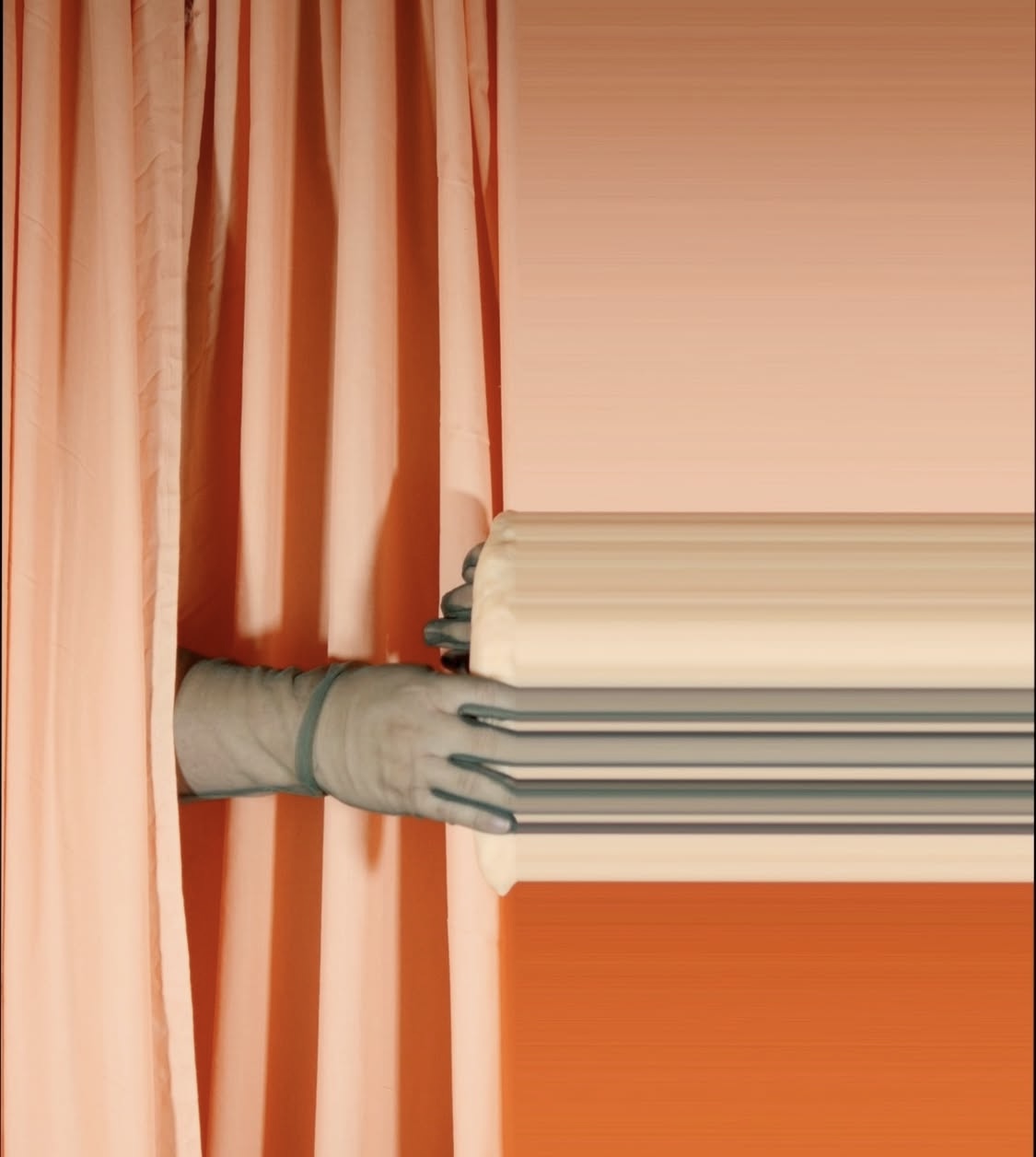
En résonance avec le concept évocateur de « communautés affectives » développé par Leela Gandhi, qui nous rappelle que les communautés ne se fondent pas uniquement sur des origines ou des histoires communes, mais sur des affinités inattendues et des attachements éthiques qui transcendent les divisions culturelles. Asia NOW 2025 met en avant ces gestes fragiles, souvent discrets, à travers lesquels naissent des liens de solidarité et d’amitié. La foire inaugure ainsi ” The Third Space”, une nouvelle section dédiée aux pratiques expérimentales, embrassant l’hybridité, la collaboration entre les galeries et le potentiel génératif qui se présente lorsque les perspectives se croisent. Au programme :
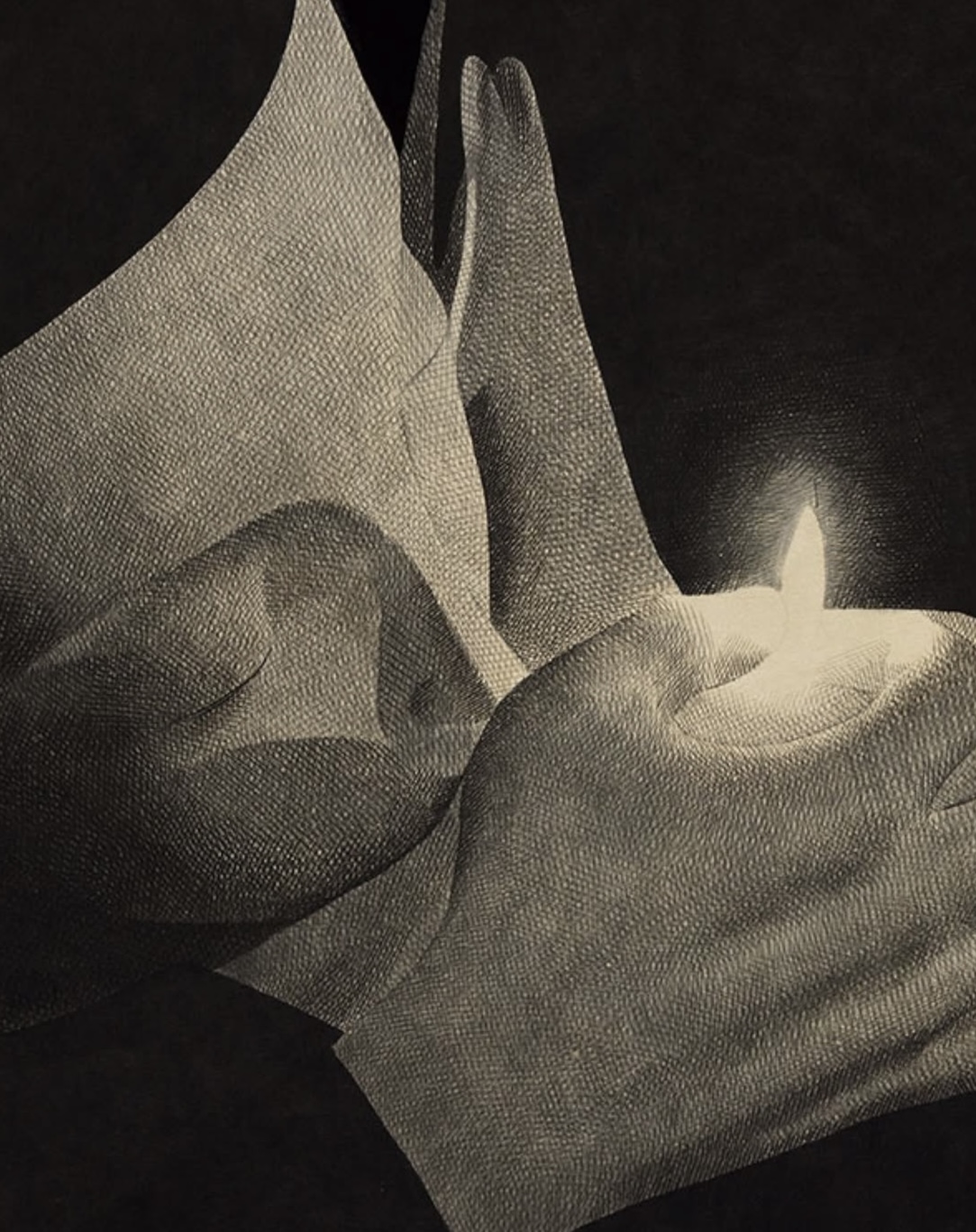
Asia NOW 2025 welcomes around 70 international galleries, including Esther Schipper (Berlin, Paris, New York, Seoul), carlier | gebauer (Berlin), Sabrina Amrani (Madrid), Yeo Workshop (Singapore), Nika Project Space (Dubai, Paris), Kaikaikiki (Tokyo), Gallery Side 2 (Tokyo), Galerie BAO (Paris), and O Art Space (Lahore), Tang Contemporary Art (Beijing, Hong Kong, Bangkok), A2Z Art Gallery (Paris), BAO (Paris), Cuturi Gallery (Singapore), HdM (Beijing). This year, new galleries are joining the fair for the first time: Arario (Seoul), Capsule Shanghai (Shanghai), Regeneration Art Gallery (Tashkent), Klemm’s (Berlin), and Baik Art (Los Angeles, Seoul, Jakarta), Stems Gallery (Brussels, Paris) among others.
October 22-26, 2025

ASIA NOW

Monnaie de Paris
11 quai de Conti 75006 Paris

Les Nouveaux Ensembliers

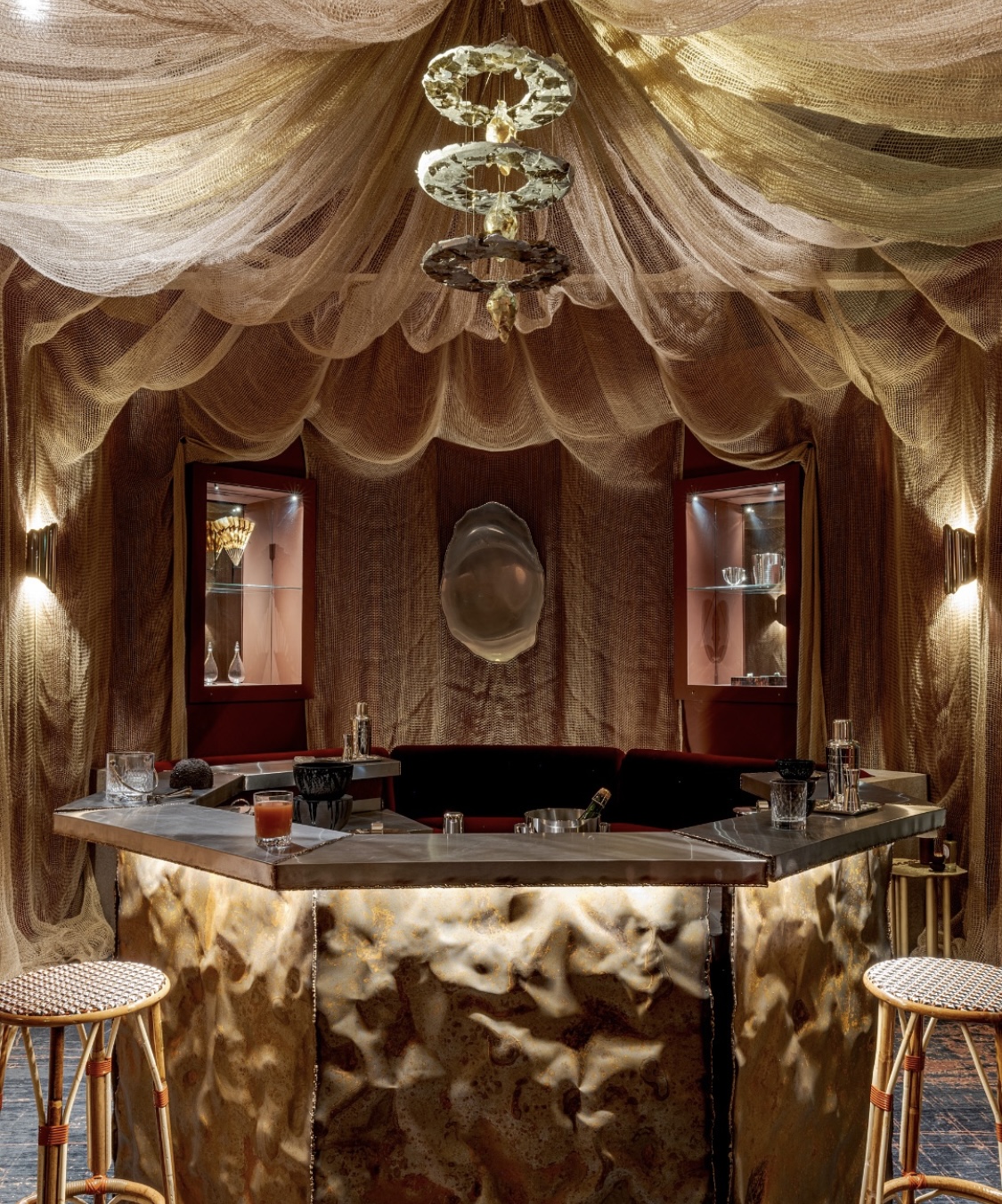
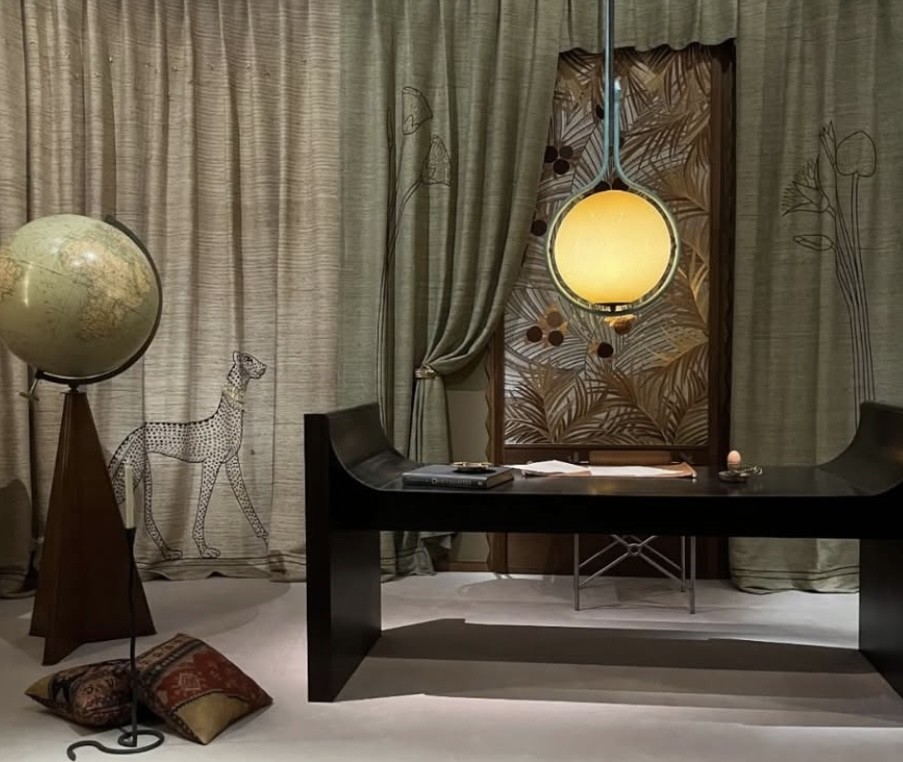
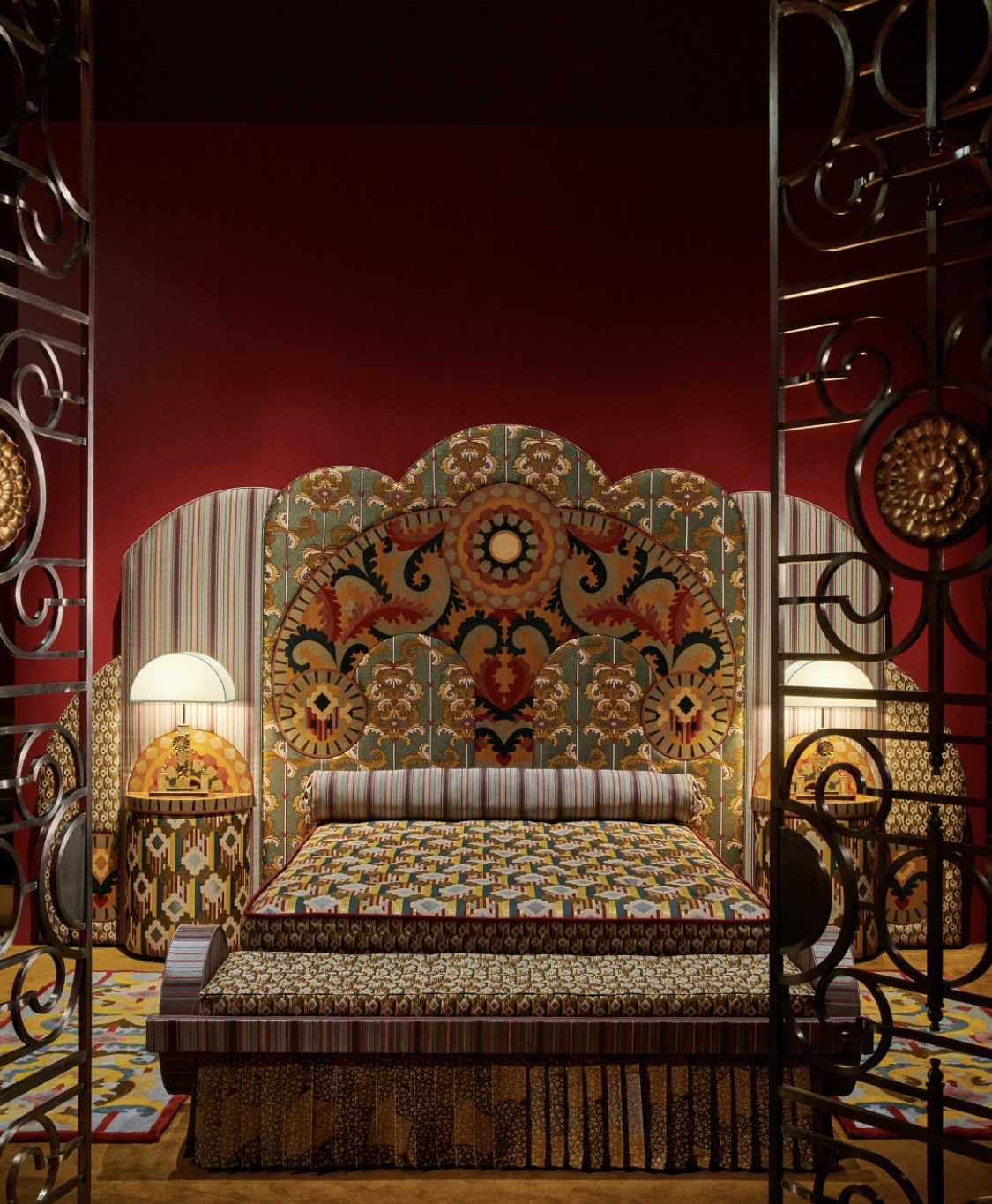
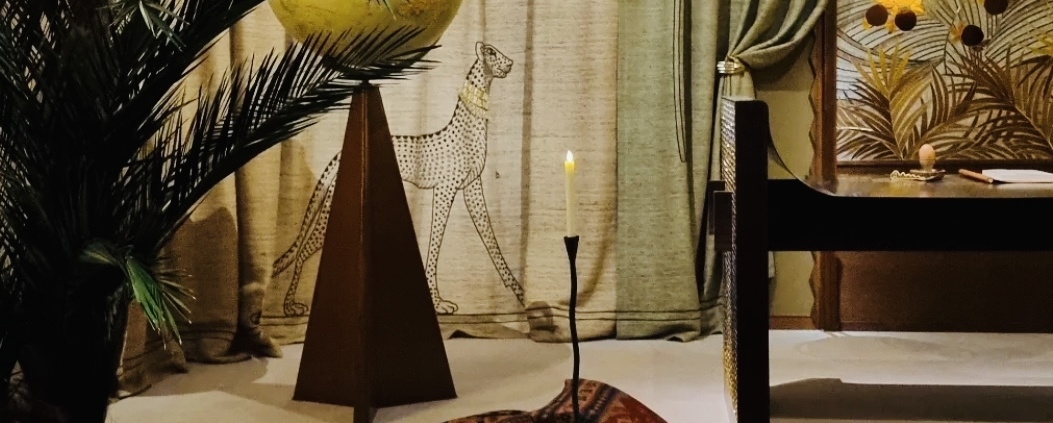
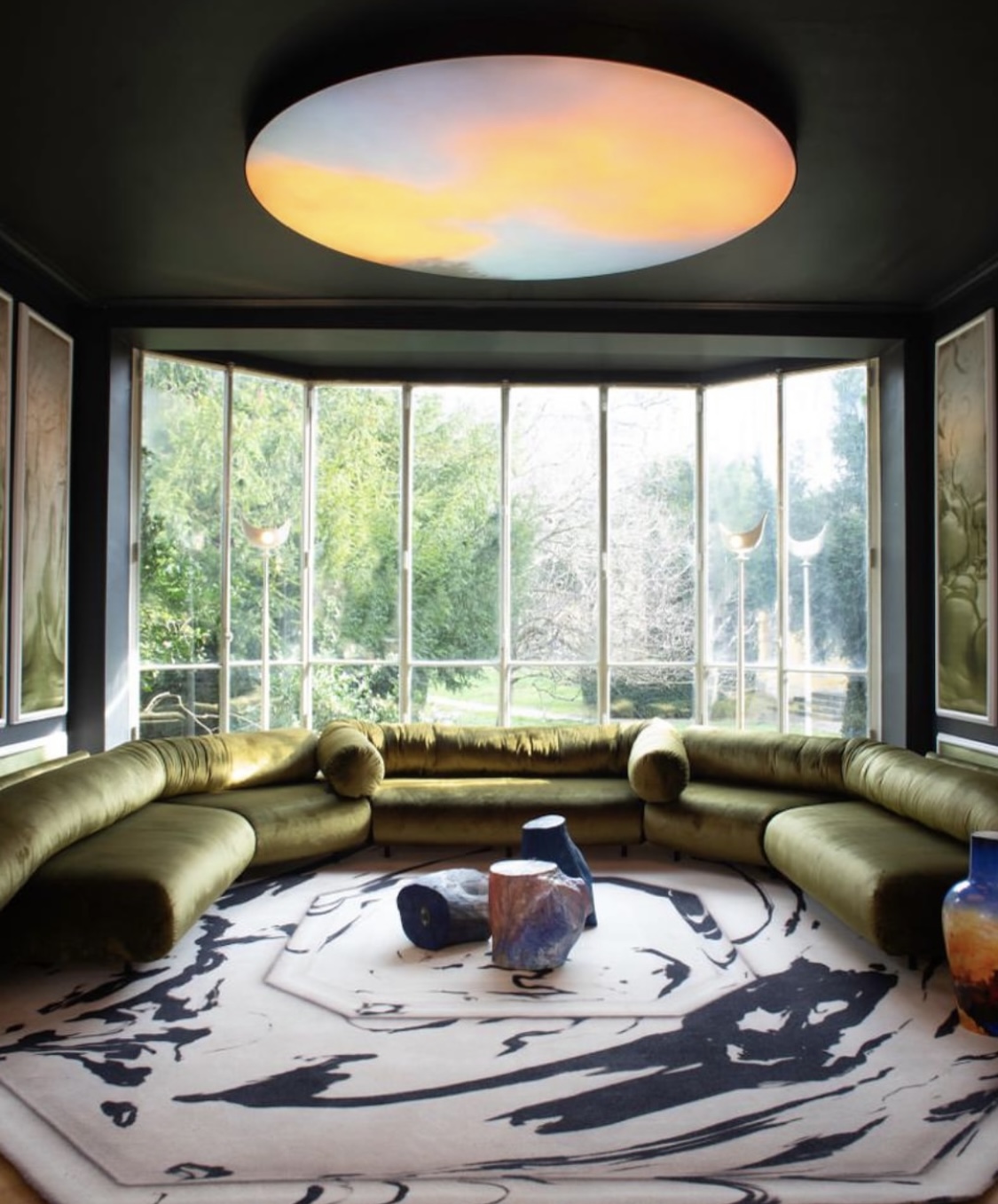
The Salon Les Nouveaux Ensembliers, organized by Manufactures nationales – Sèvres & Mobilier national, is in keeping with the spirit of the 1925 International Exhibition of Decorative Arts, which celebrated Art Deco and the alliance of luxury and functionality. Like the Ensembliers of the time, this first edition highlights a new generation of architect-decorators, invited to rethink spaces with an interior designer approach, combining aesthetics, contemporary uses and sustainability.

Under the theme “The Embassy of Tomorrow,” the ten selected interior designers—Atelier Craft, dash&zephir, Emilieu, Estudio Rain, Marion Mailaender Studio, Mathilde Bretillot, OUD, Paul Bonlarron, Pierre Marie Studio, and Sophie Dries—were given carte blanche. Their proposals reinterpret iconic spaces—domestic, reception, or diplomatic—by showcasing French expertise, eco-responsibility, and innovation. The show thus presents projects that strike a balance between tradition and modernity, while affirming the excellence of design and interior architecture as a reflection of French culture.

October 14 – November 2, 2025

MOBILIER NATIONAL – MANUFACTURE DES GOBELINS

42 avenue des Gobelins 75013 Paris

PURISME(S)

Willi Baumeister – Marcelle Cahn

Otto Gustav Carlsund – Franciska Clausen

Le Corbusier – Amédée Ozenfant

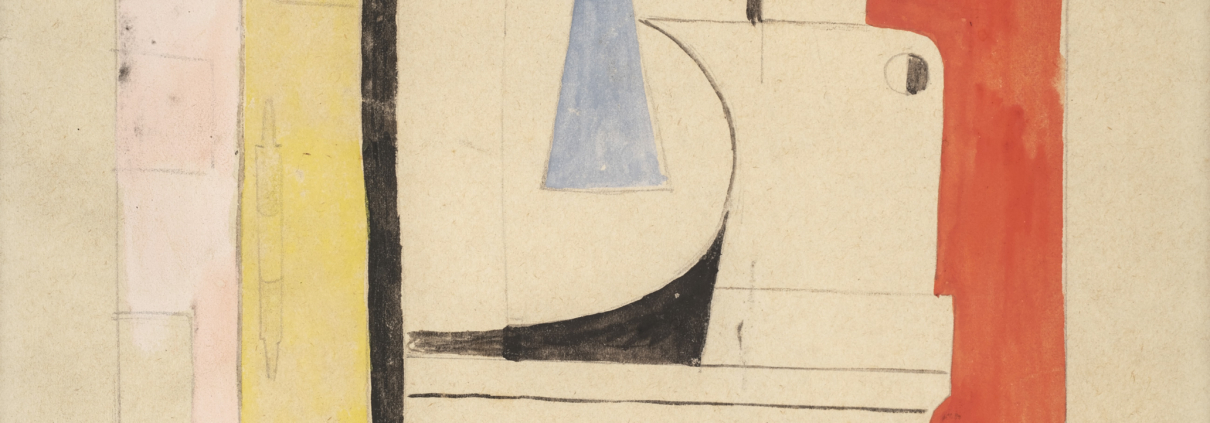
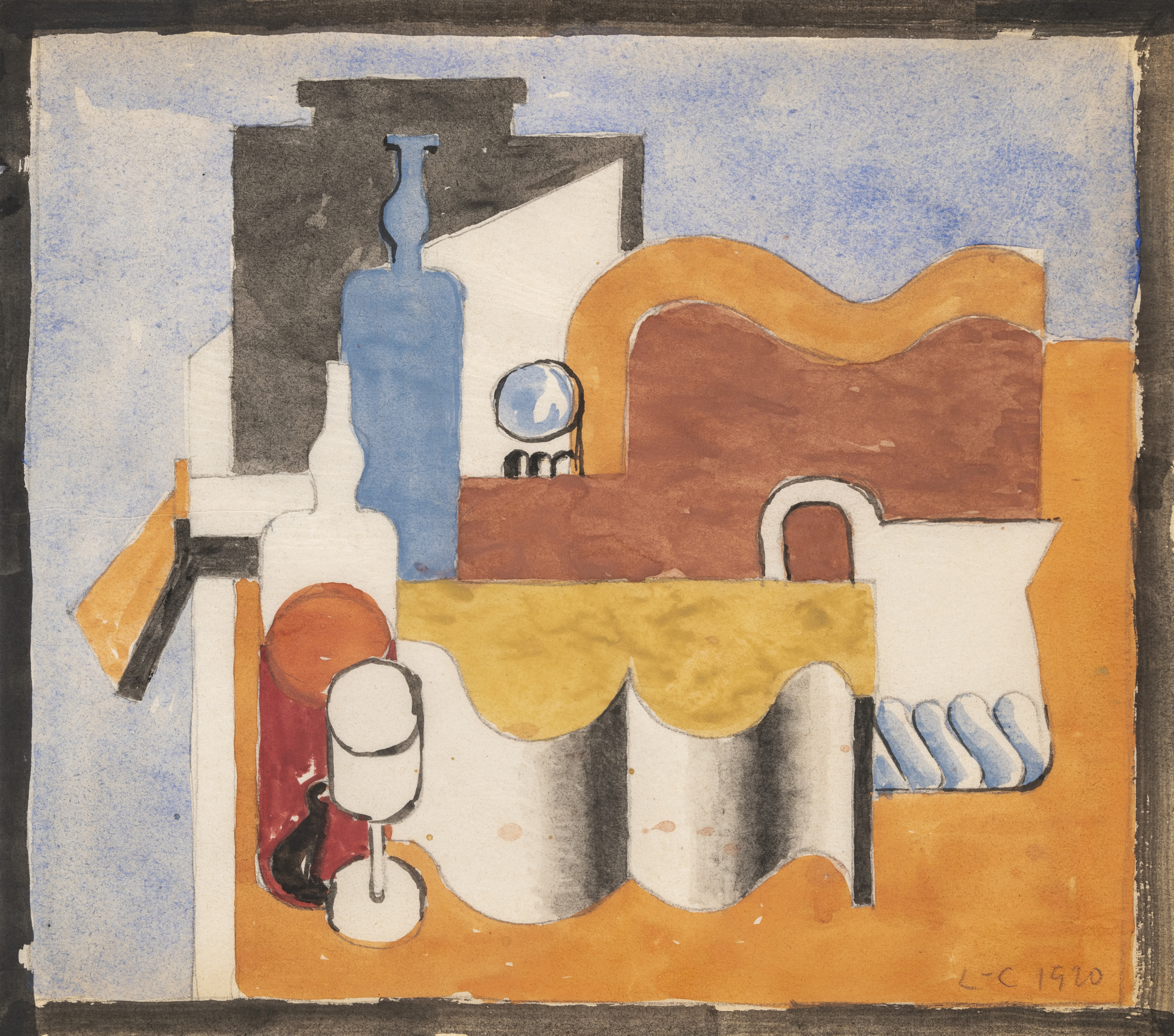
Le Corbusier, “Nature morte puriste, lanterne, guitare, pichet et livre”, 1920

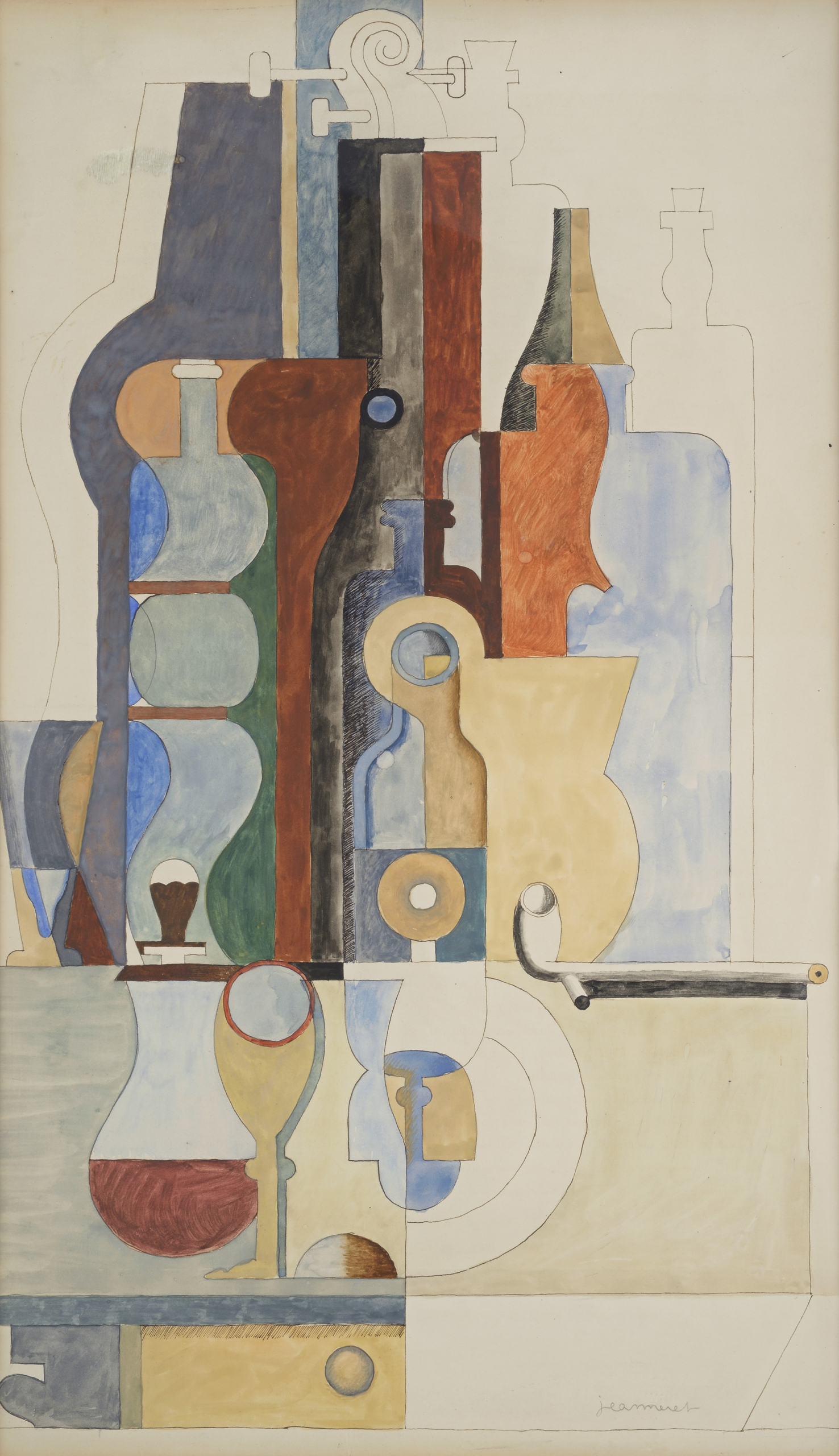
Purism emerged as a reaction to Cubism, which Le Corbusier and Amédée Ozenfant admired for its modernity, but which they felt had become abstruse and sometimes decorative. Rigorous and austere in theory, a true precursor of conceptual art, Purism unfolded through a formal repertoire, favoring the representation of standardized objects: glasses, bottles, pitchers, and compote dishes, with the aim of capturing their very essence: ultra-legible representation, respected proportions, shared contours, diligently drawn lines, and a questioning of the codes of perspective. According to Le Corbusier and Ozenfant, a new aesthetic must emerge with the simplification of objects and the quest for functionalism. Science then constituted the fundamental breeding ground for their aesthetic, with art having to rigorously reveal a form of higher truth. The movement is part of the avant-garde movements of the time, like the simultaneism of Delaunay, Bauhaus or constructivism, with the aim of creating a new language.
Envoyer

Le Corbusier, “Nature-morte-puriste-verticale”, 1922

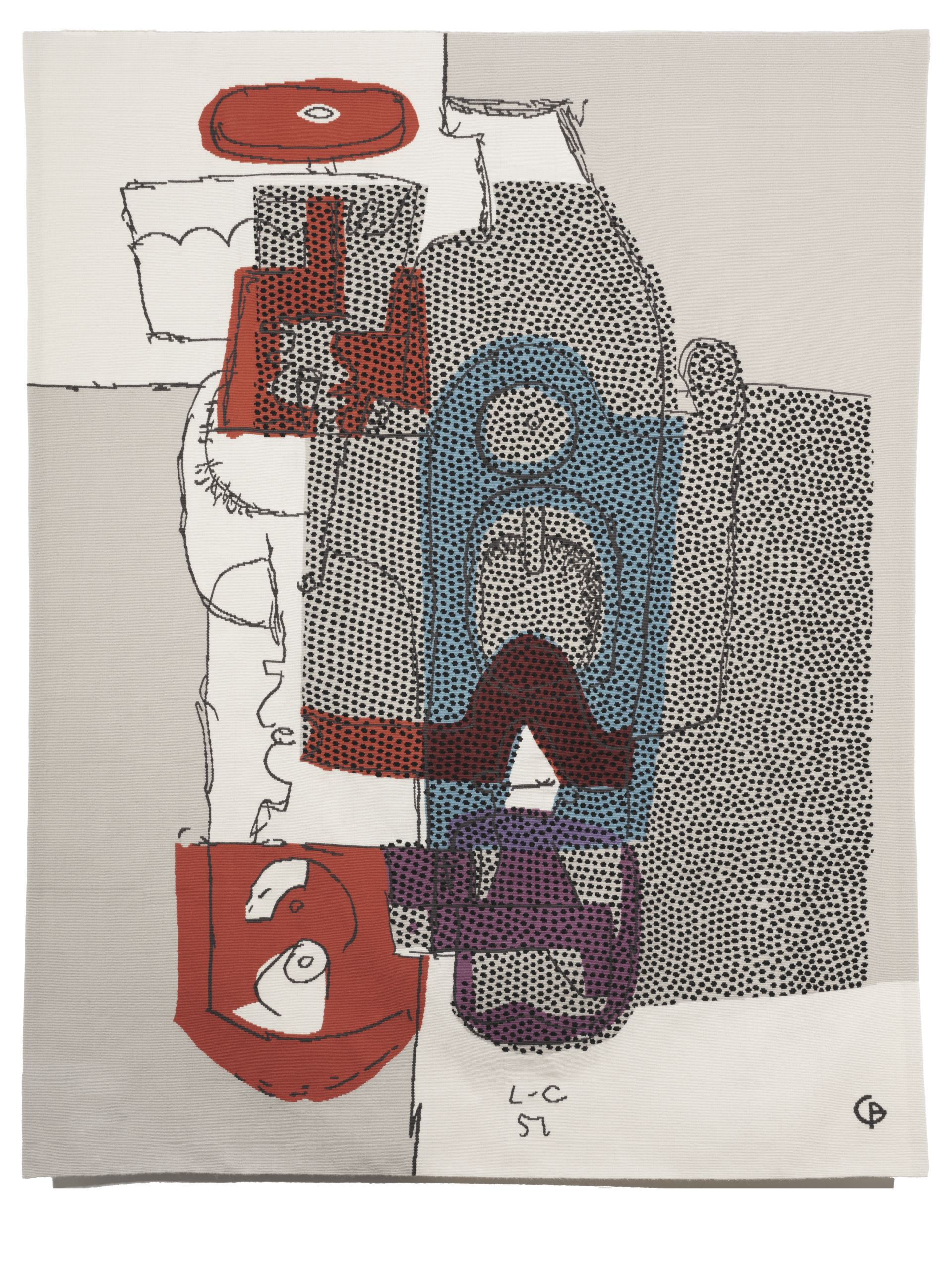
The exhibition’s first figure, Le Corbusier, began his artistic career with purist compositions: paintings, gouaches, and drawings that perfectly embody the core of his purist practice are featured in the exhibition. Even after his break with Ozenfant, Le Corbusier continued to create object compositions throughout his career. This short but crucial stage in his artistic development had a profound impact on him. Each decade, he returned to purism by incorporating his current formal concerns, notably by renewing his color palette. This section, composed of later works, is shown at the Galerie Pascal Cuisinier. He also used purist compositions to explore diverse mediums, such as tapestry, which he particularly favored.

It was Amédée Ozenfant who, upon their meeting in 1917, introduced Charles-Edouard Jeanneret (the future Le Corbusier) to Cubism, explained his views on Purism and taught him painting. Mentor, teacher and professor, Ozenfant produced purist works most in line with the principles he had forged. Pictorial research was carefully thought out in advance, prior to the execution of the gouaches and the final paintings. Ozenfant’s still lifes are characterized by an ultra-synthetic style of representing objects, which are reduced to the simplest geometric forms.

Amédée Ozenfant, Nature morte puriste – Etude pour “Accords” ou “Fugues” 1921

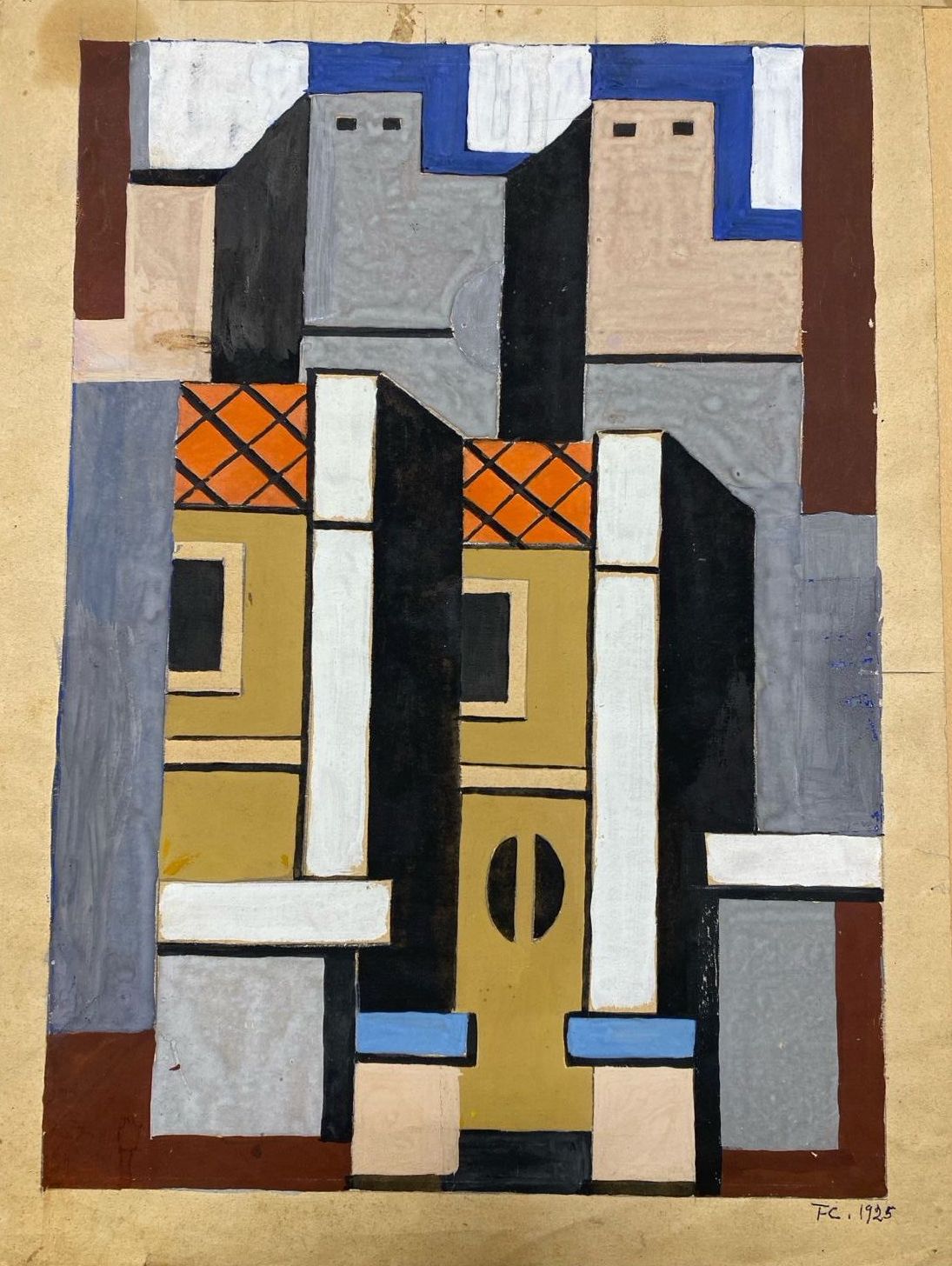
Beyond its two inventors, the exhibition examines Purism’s ability to attract artists of diverse backgrounds and reputations, sometimes beyond France’s borders. Although intellectual and conceptual, the movement was in tune with the real world, then marked by the phenomenal advance of progress. The production of standardized objects, functional architecture, urban transformations, and the renewal of transport permeated Purist works. Since then, the movement has attracted a significant number of French and international artists. Each of them has produced a personal Purism, which has often broken free from the precepts of its founders. Franciska Clausen, a Danish artist, enrolled in the Académie Moderne of Fernand Léger and Amédée Ozenfant in 1924 and, during her stay in Paris, produced works inspired by Purism. She was one of the most original participants in the movement, adding a surrealist touch, painting sensual and dreamy compositions that included the human body, which she positioned next to floating objects.
Franciska Clausen, “Rue Delambre”, 1925

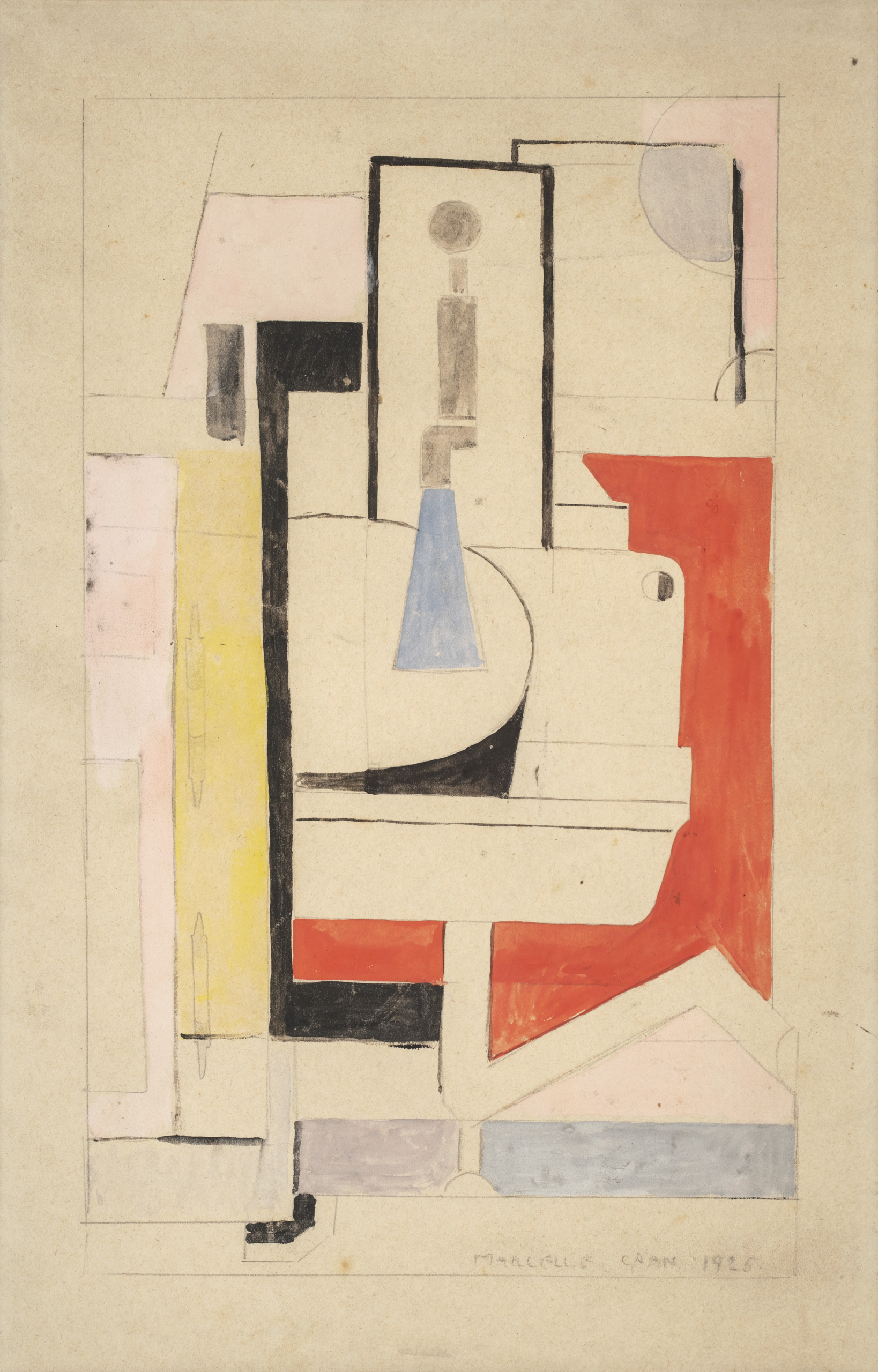
Marcelle Cahn was also an active participant in the movement, with a career parallel to that of Franciska Clausen. A student of Fernand Léger and Amédée Ozenfant at the Académie Moderne in the mid-1920s, she created compositions in which she incorporated more dynamic elements than other artists of the movement. She was attentive to the body in motion, particularly to means of transport (the tram, boats). Her approach to purism, celebrating the geometry of objects or the human body, foreshadowed geometric abstraction, of which she would become one of the major figures of the post-war period.
Marcelle Cahn., “Nature morte puriste dite Lavabo”, 1925

Otto Gustav Carlsund, a Swedish artist, joined the Académie Moderne in 1924 (studio of Fernand Léger and Amédée Ozenfant). He met Le Corbusier, then Mondrian. With Van Doesburg, he participated in the creation of the Art Concret group in 1930. A painter, creator of murals, and also an art critic, he played an important role in introducing the avant-garde movements to Scandinavia.

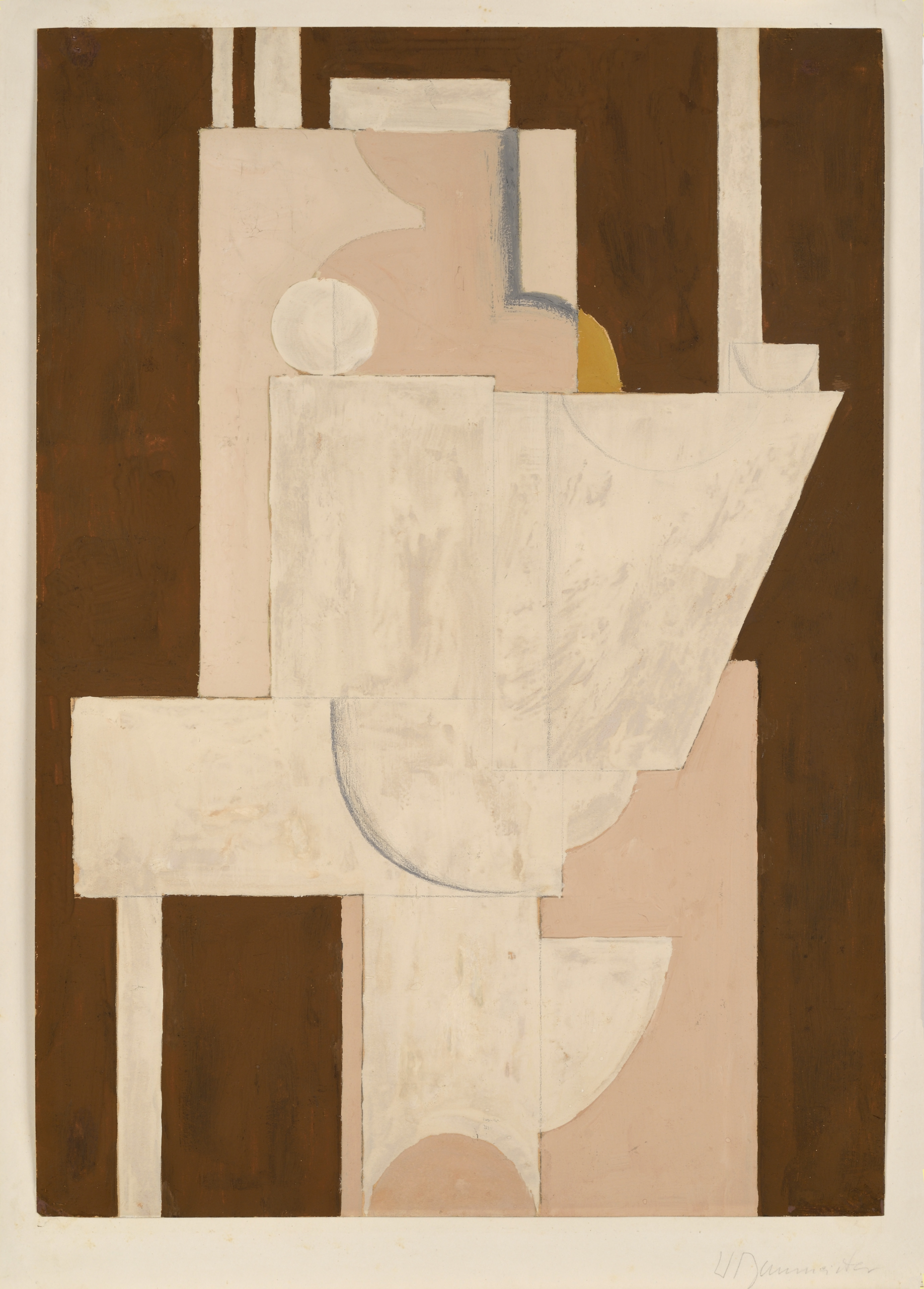
Finally, Willi Baumeister, one of the most prominent avant-garde artists of the 20th century, produced works in the 1920s that were very close to the concerns of Purism. The two founders of the movement paid tribute to him in their journal, L’Esprit Nouveau, quoting him and reproducing his works. Baumeister recognized a real affinity with the French avant-garde movements that emerged after the First World War. He admired Purism’s ability to combine a solid theoretical framework with dynamic production. Baumeister creates legible compositions in which simple geometric shapes are interconnected and form a whole. However, he draws inspiration from his machinist style for compositions in which the object is decomposed. In doing so, he approaches abstraction.

Willi Baumeister, “Figur”, 1922

Despite the fruitful relationships between these and many other creators, Purism has sometimes been considered a stifling straitjacket. Ozenfant and Le Corbusier broke up in 1925, the latter in search of sensuality and personal freedom that Purism did not allow him. Perhaps too demanding, the movement faded into the background in favor of abstraction and Surrealism, which flourished in the early 1930s. Through its quest for asceticism, its brief but intense duration, its utopian ideal, and its absolute desire to capture the essence of things, Purism is one of the most remarkable precursors of Conceptual art.

A catalog, with texts by Cécile Godefroy, Éric Mouchet, and Michel and Yves Zlotowski, published by Éditions Martin de Halleux, accompanies the exhibition. The section dedicated to Le Corbusier’s post-purist works is exhibited at the Galerie Pascal Cuisinier, at 13, rue de Seine.

Le Corbusier, “Deux Bouteilles et Compagnie”, 1951

October 18 – December 20 décembre, 2025


Galerie Zlotowski

20 rue de Seine 75006 Paris

Galerie Pascal Cuisinier

13 rue de Seine 75006 Paris

Emile-Jacques Ruhlmann

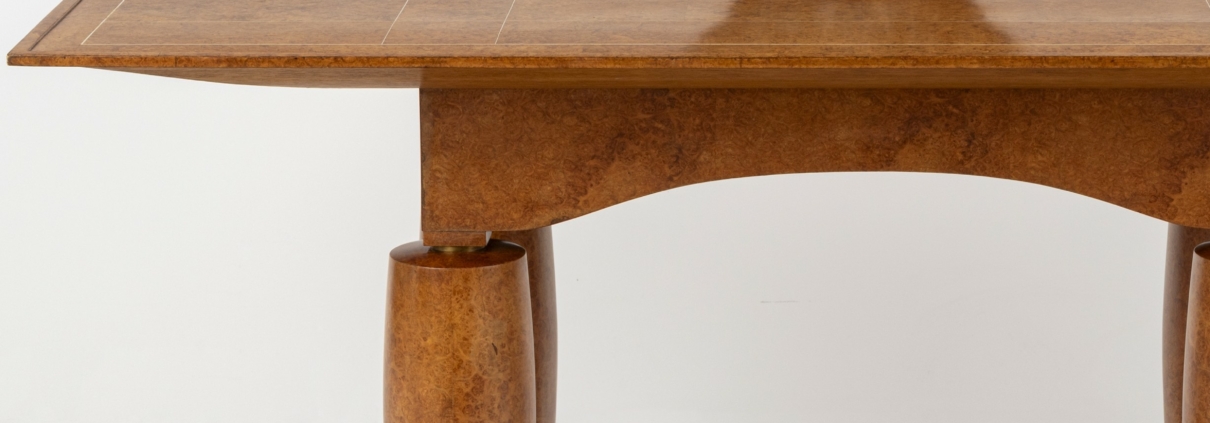
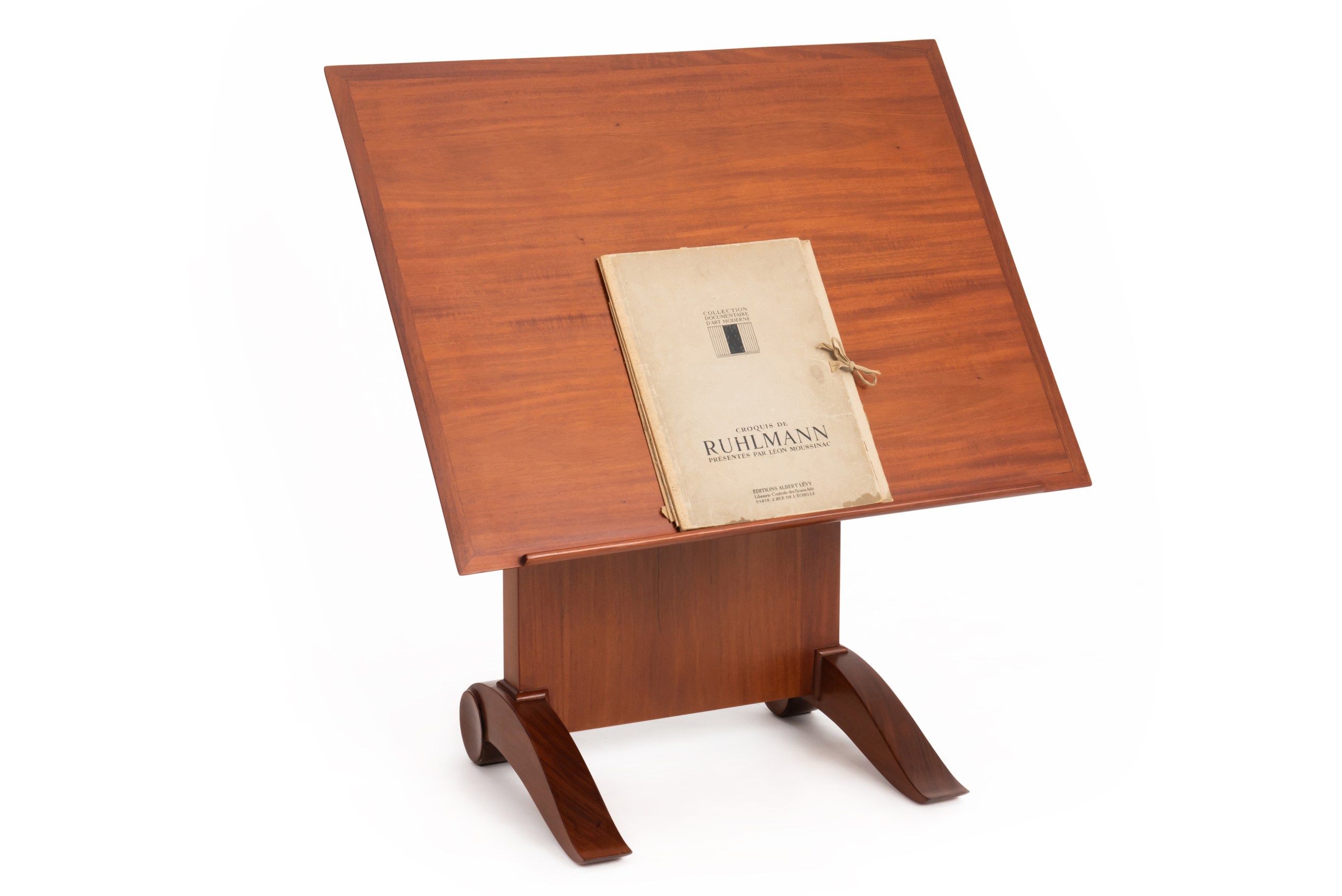
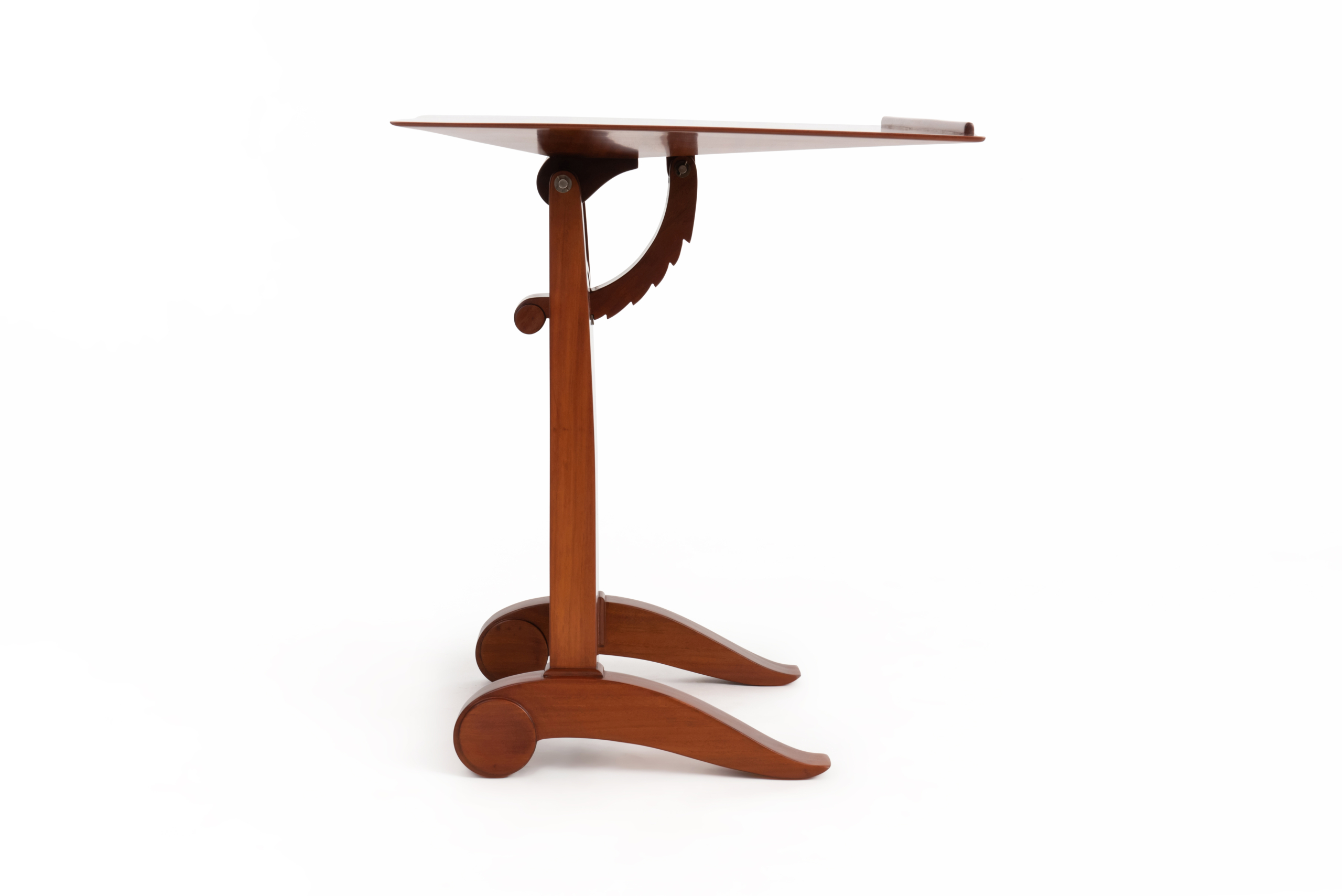
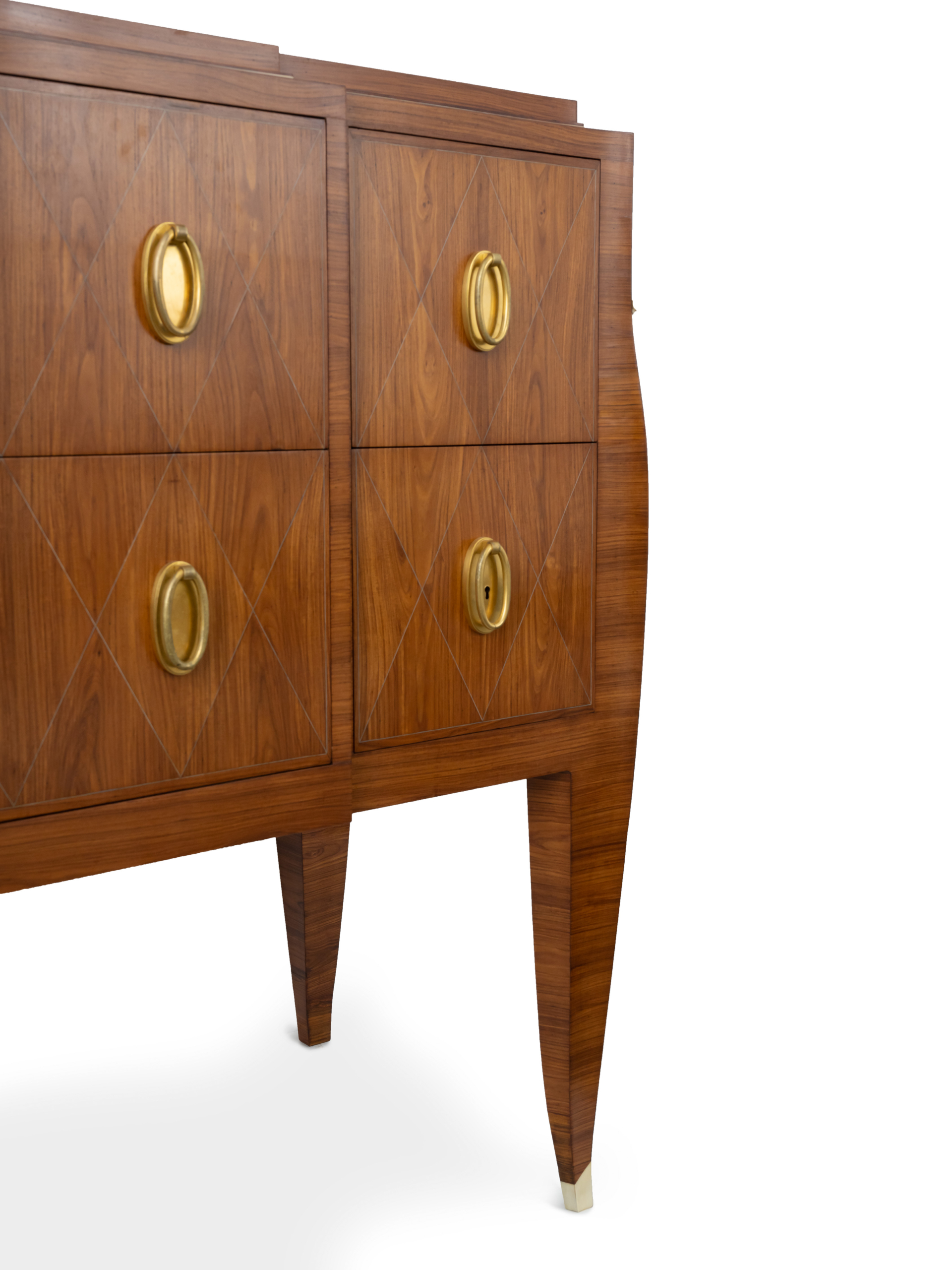
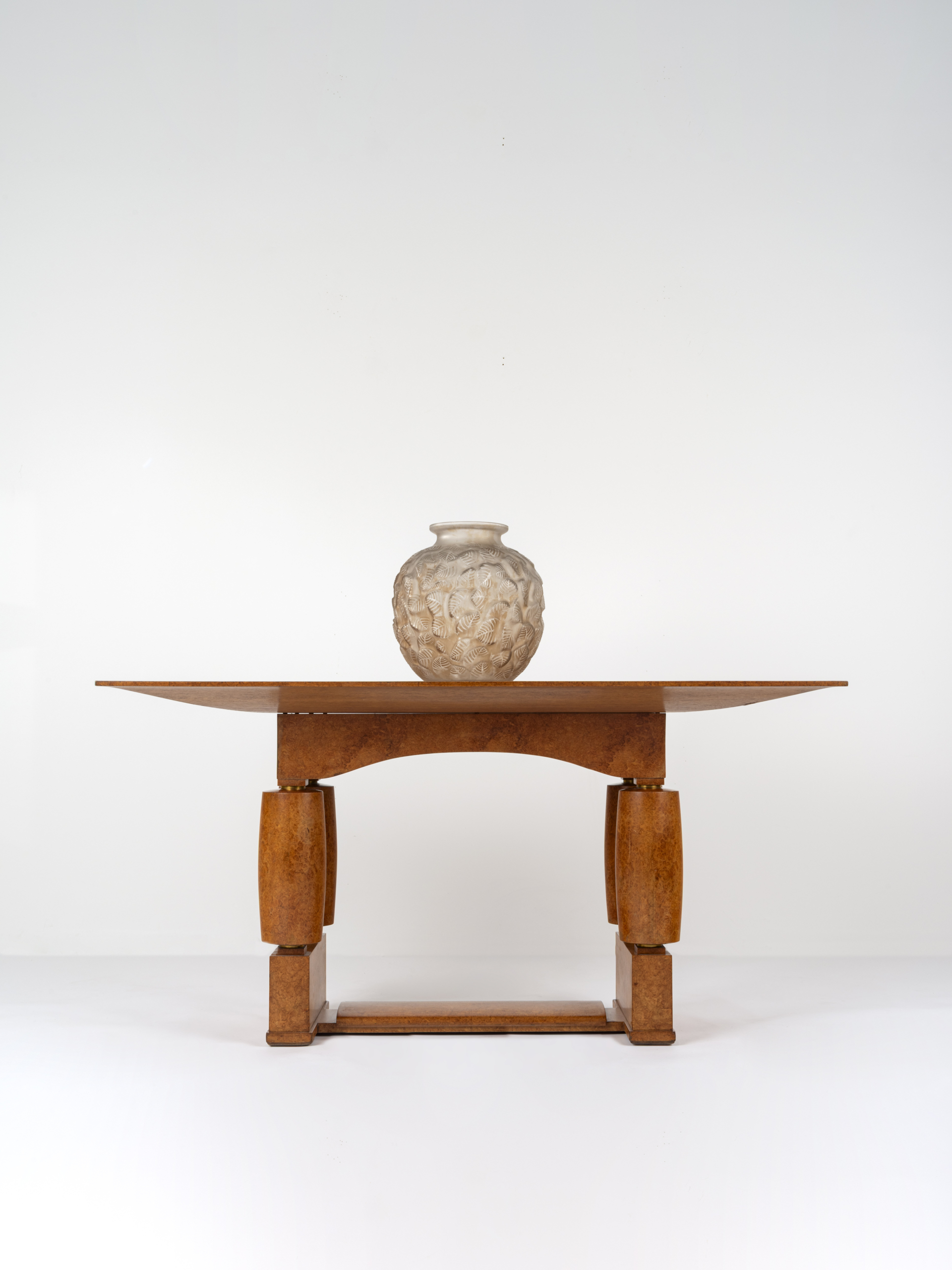
Another wonderful event to mark the 100th anniversary of the Art Deco movement: Galerie Guelfucci is presenting a landmark exhibition dedicated to Émile Jacques Ruhlmann (1879–1933), one of the movement’s leading designers. The exhibition, which opened in Paris a few days before the opening of the major 1925 exhibition at the MAD, features fifty pieces from the gallery’s 87-piece collection.

Émile-Jacques Ruhlmann is recognized as the godfather of French Art Deco. He was one of the first to return to the traditional purity of form and the sophistication of French taste after the exuberant Art Nouveau era. His lines were elegant and noble, and his artistic expression was reflected in the harmony of proportions.

The gallery therefore presents furniture, lighting, carpets, tapestries and objects, including a selection of lacquered objects (rare at Ruhlmann). Unique and rare pieces such as the “Lassalle” chest of drawers, of which there are only six known examples and only one in the type of wood presented by the gallery. This example has never been seen before, having come from a private collection and kept by its former owners since its acquisition in 1954.

Among the other rare objects, a magnificent chaise longue from 1916 or the “Lorcia” table, one of the rare unique pieces by Ruhlmann; a “Cla Cla” table from 1923 in Macassar ebony, an emblematic piece of Ruhlmann’s work of which a mahogany model can be seen at MAD Paris.

October 16 – November 23, 2025

GALERIE GUELFUCCI


229 Boulevard Saint Germain 75007 Paris


Jacques-Louis David

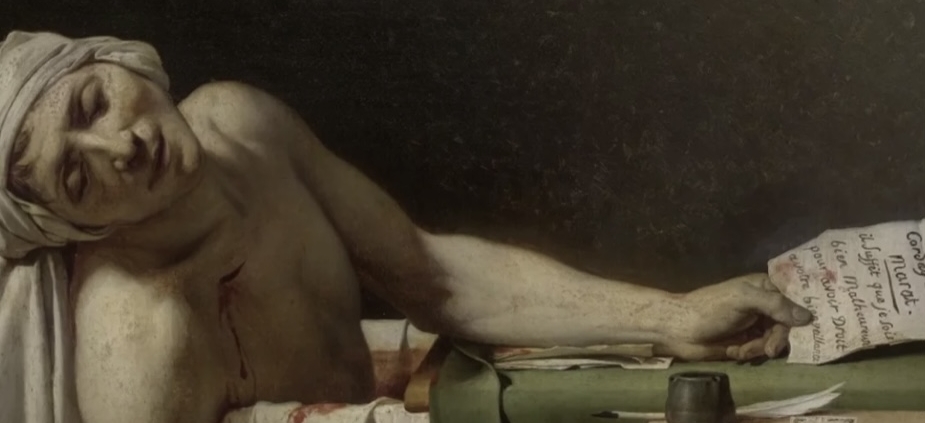
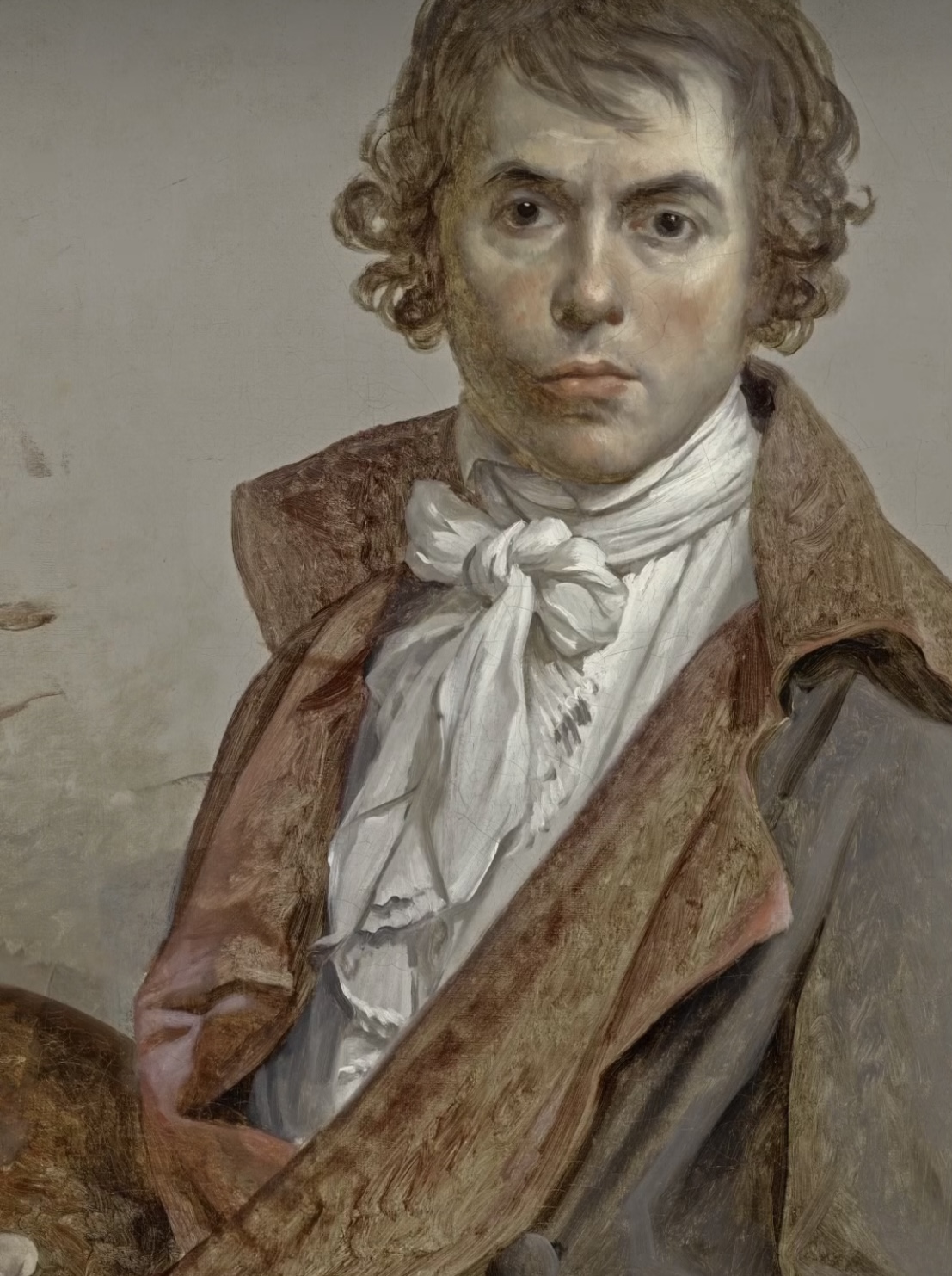
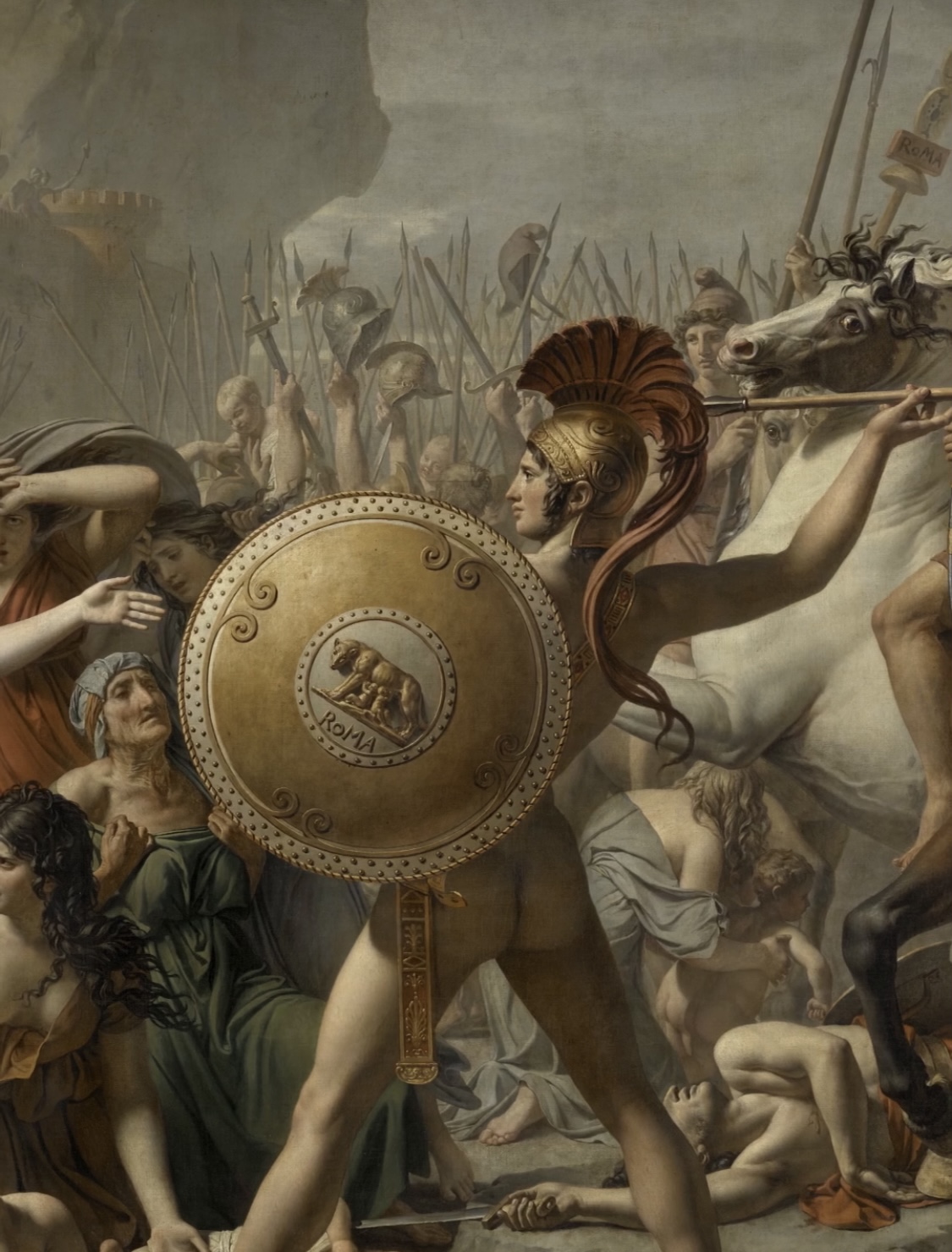
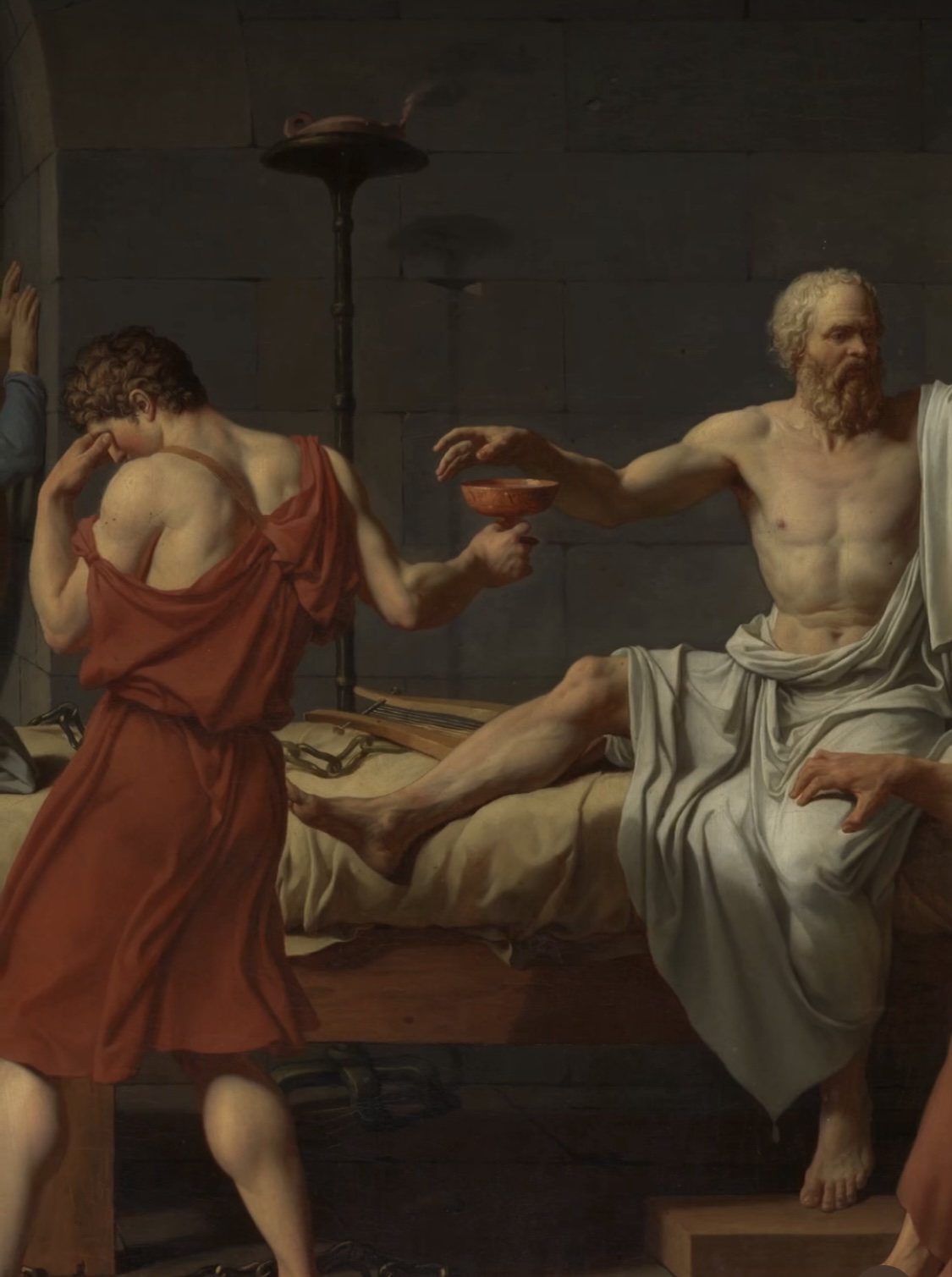
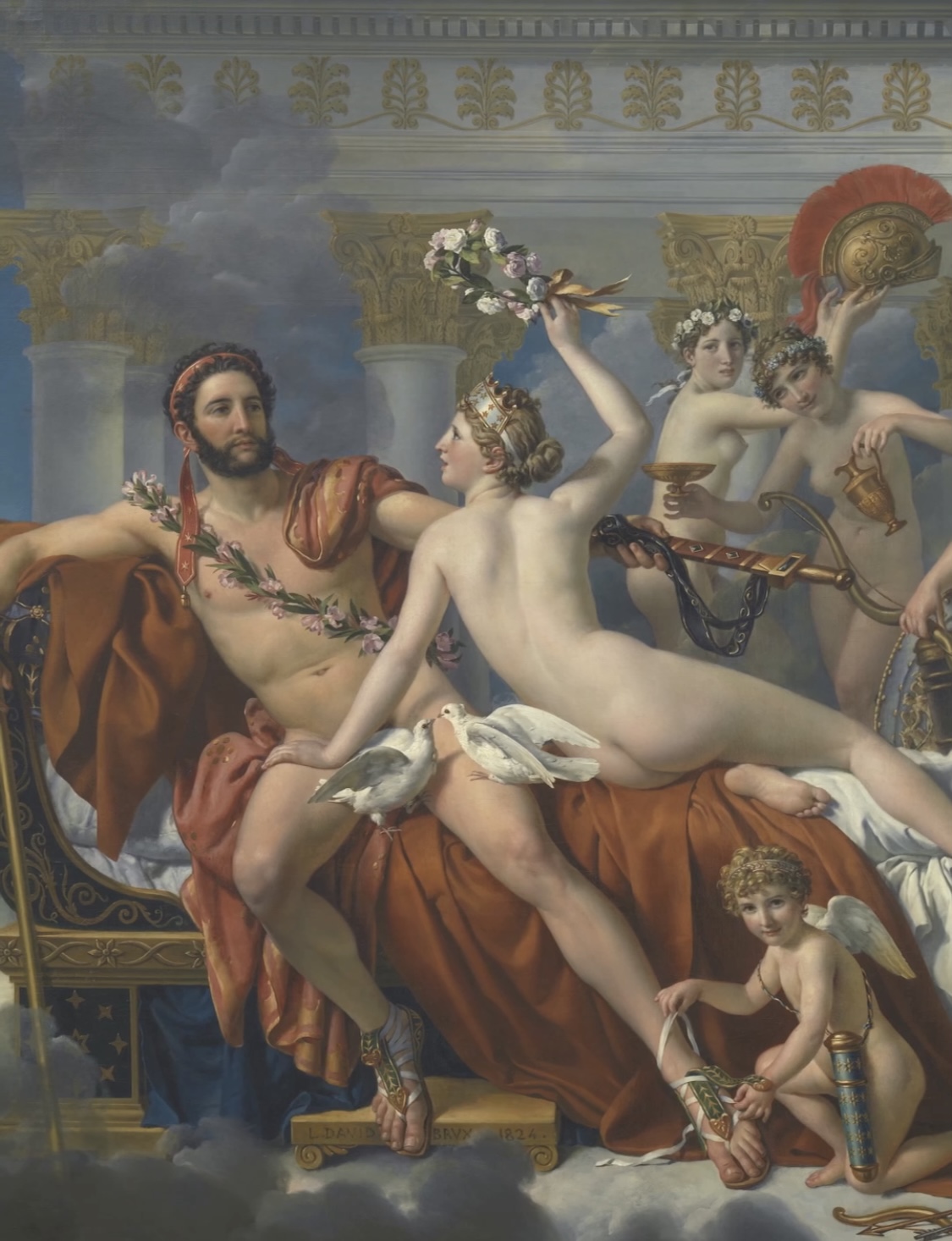
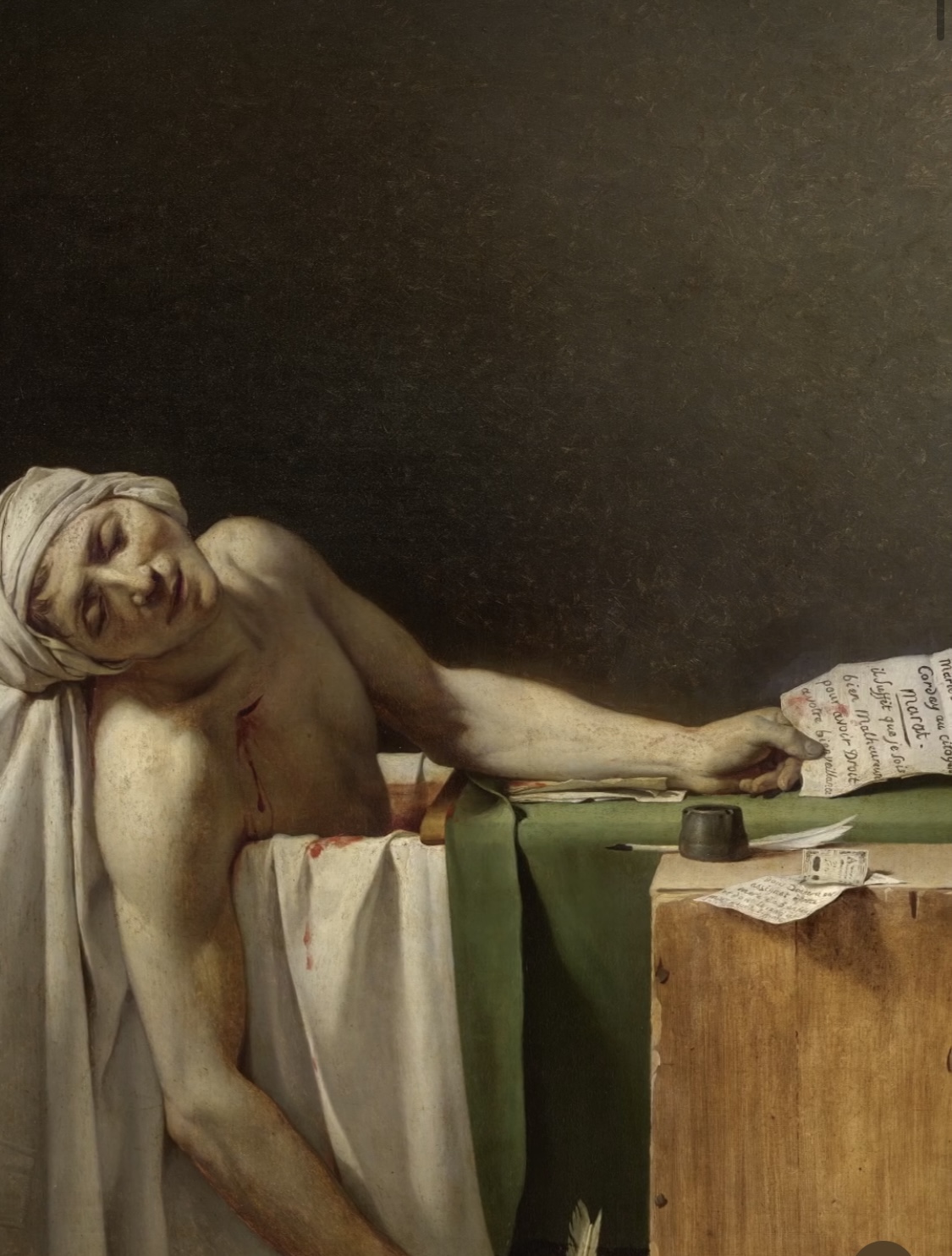
David is a monument. “Father of the French School,” “regenerator of painting,” he created images that still haunt our collective imagination today: Marat assassinated, Bonaparte crossing the Alps, the Coronation of Napoleon… It is through the filter of his paintings that we imagine the great hours of the Revolution and the Napoleonic Empire, and in his portraits that the society of that time is relived.

On the occasion of the bicentenary of his death in exile in Brussels in 1825, the Louvre, which houses the world’s largest collection of the artist’s paintings and drawings, offers a new perspective on a personality and work of exceptional richness and diversity. The exhibition highlights the inventiveness and expressive power of the painting of an artist who created images that still inhabit our collective imagination today.

The exhibition, which covers the long career of an artist who lived through six political regimes and actively participated in the Revolution, brings together around a hundred exceptional loans, including the imposing fragment of the Oath of the Tennis Court (on loan from the Louvre Museum to the Palace of Versailles) and the original version of the famous Marat Assassinated (Royal Museums of Fine Arts of Belgium, Brussels), the height of his art.

October 15, 2025 – January 26, 2026

MUSEE du LOUVRE

Mattia Bonetti

Poetic Design

We’ve been waiting for the Barbarians for four decades, like we’ve been waiting for Godot. Among them is Mattia Bonetti, who became One after sharing the stage with two. With all its paradoxes and oxymorons united and embraced, in complete exclusivity, Mattia Bonetti’s work has always been unclassifiable, and that’s what makes it so original.
The whimsy of a poet, blended with the rigour of a designer, cannot be tucked away in a dresser drawer with a filing cabinet.
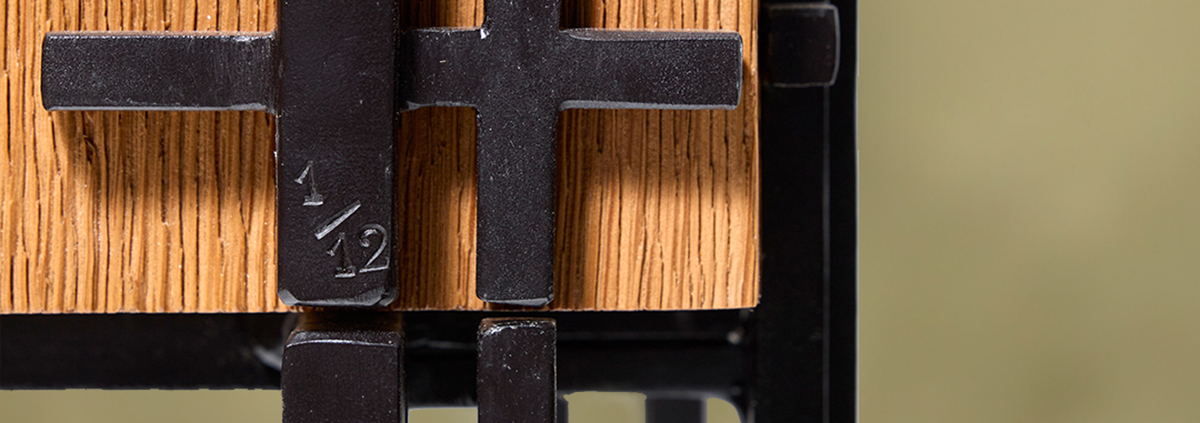
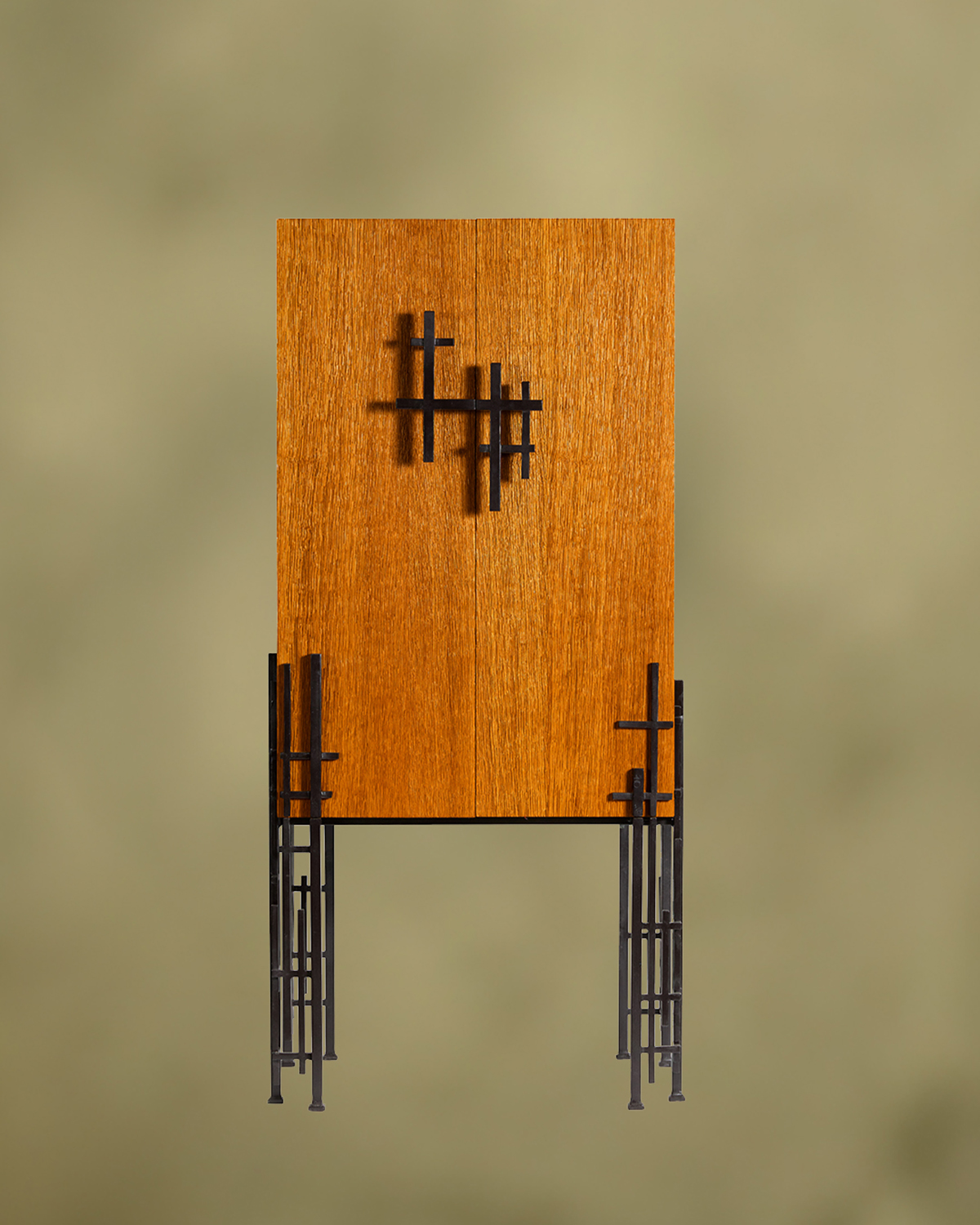
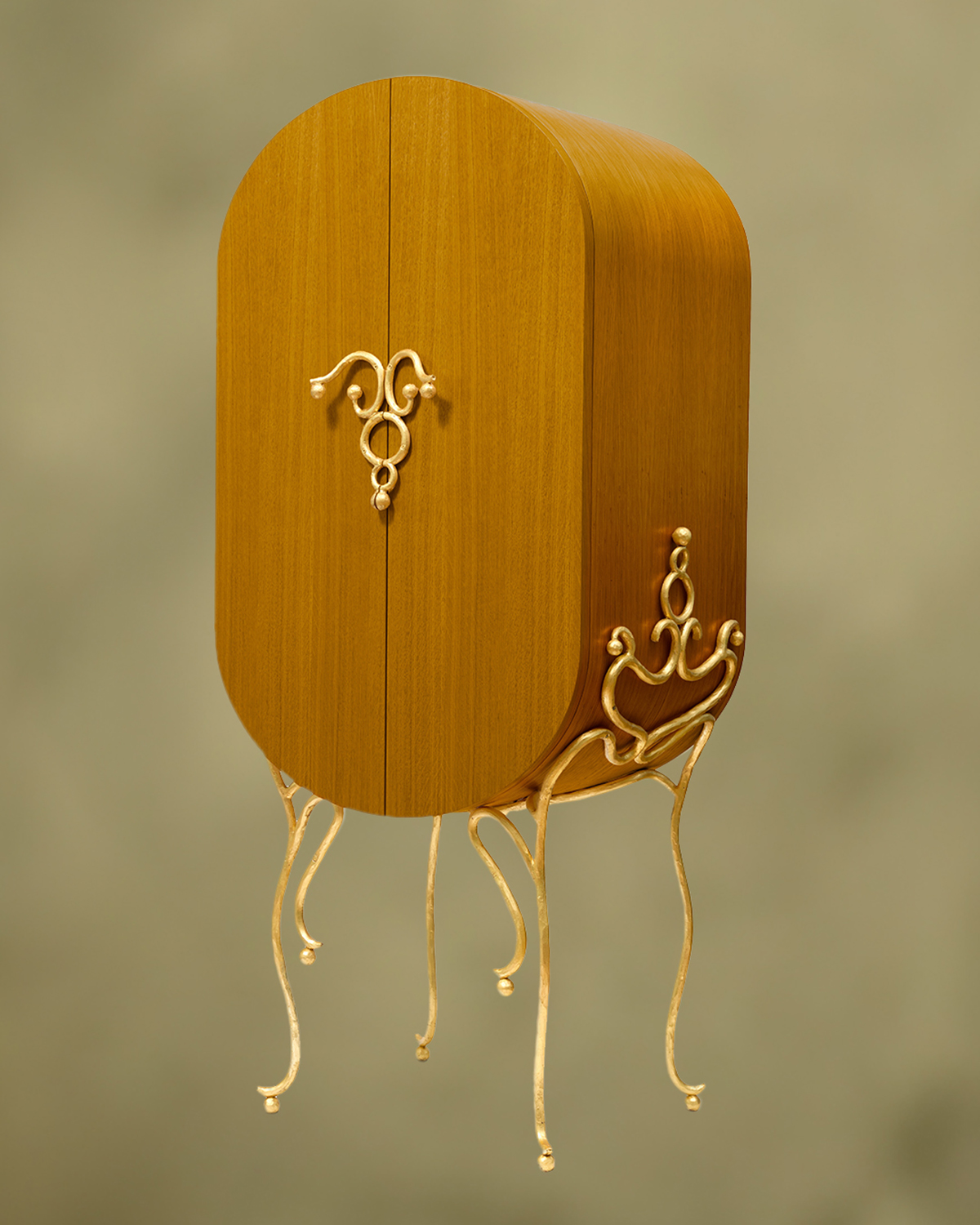
A cabinetmaker, received as if in an armchair, illuminate

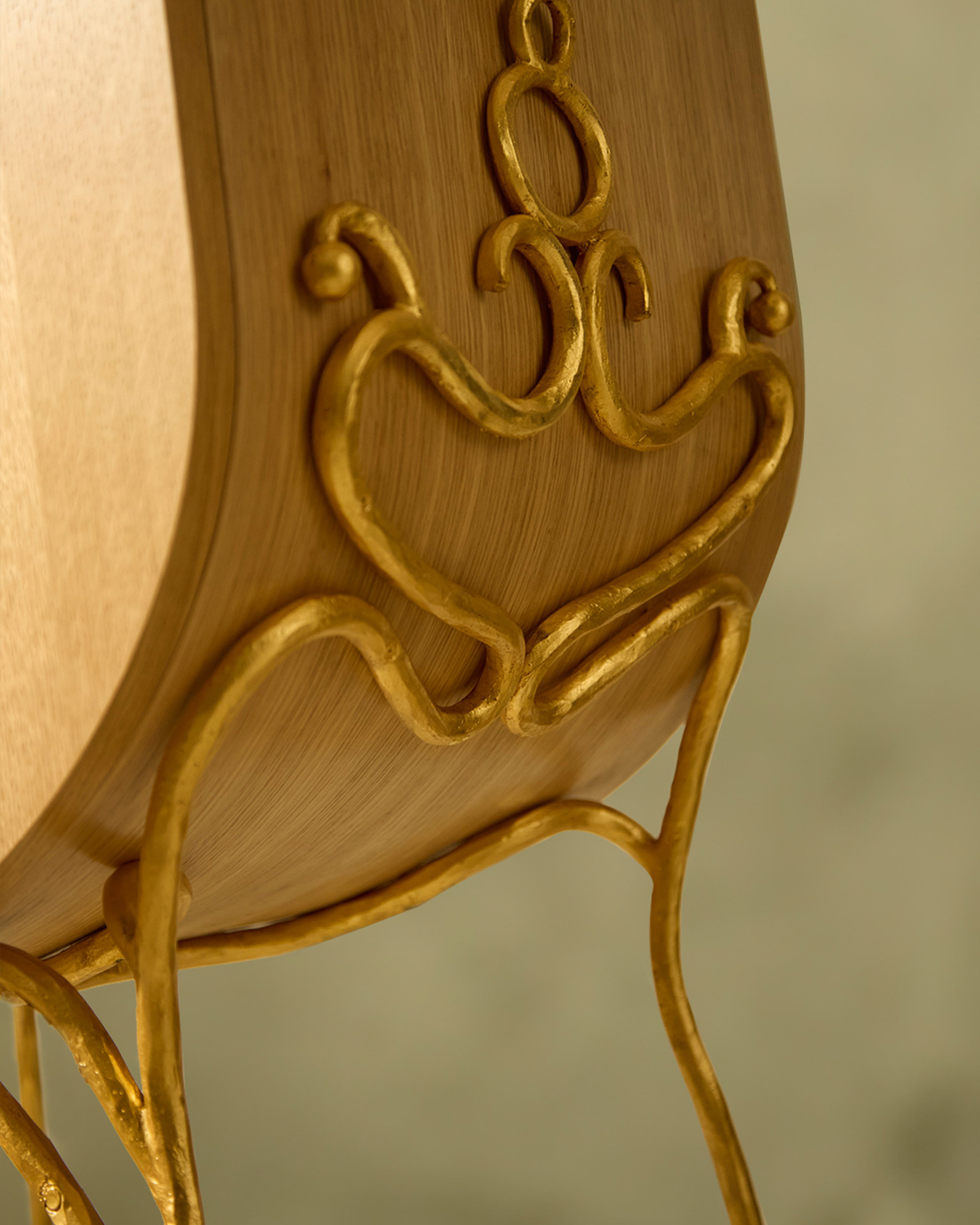
A cabinetmaker, received as if in an armchair, illuminated with powerful reflections in a mirror, Mattia Bonetti is no Narcissus. His masks are proof. A delicate brutalist, a lyrical barbarian, a velvety primitive, a telluric ‘Satyricon’, whether he’s working bronze, beating iron or forging it, sculpting wood or sanding it, the man brilliantly breaks down a table of contents reminiscent of myths and legendary ornaments. Between manifest pieces and gold leaf, between inspired gestures and adorable laconicism, here is a new play in sixteen previously unseen acts crafted by the elite of art’s artisans.

Pierre Leonforte

September 5 to November 22, 2025

EN ATTENDANT LES BARBARES

35 rue de Grenelle 75007 Paris

Ronan Bouroullec

Chiaroscuro

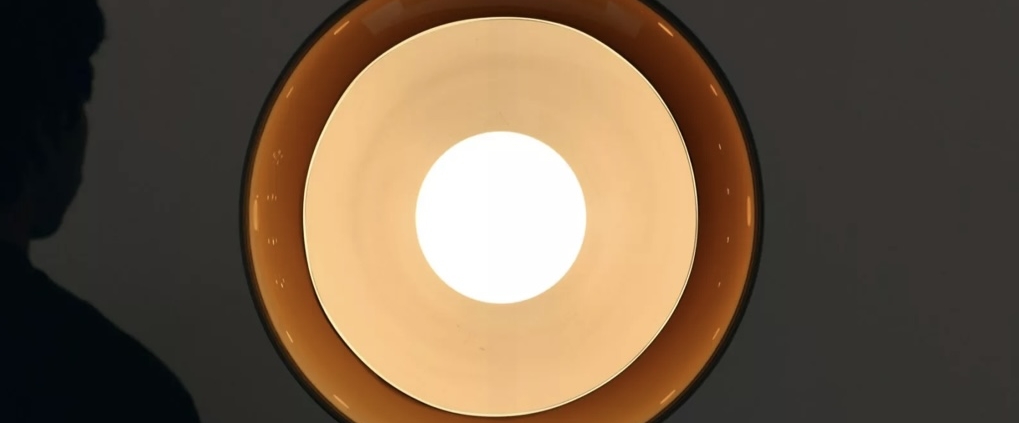
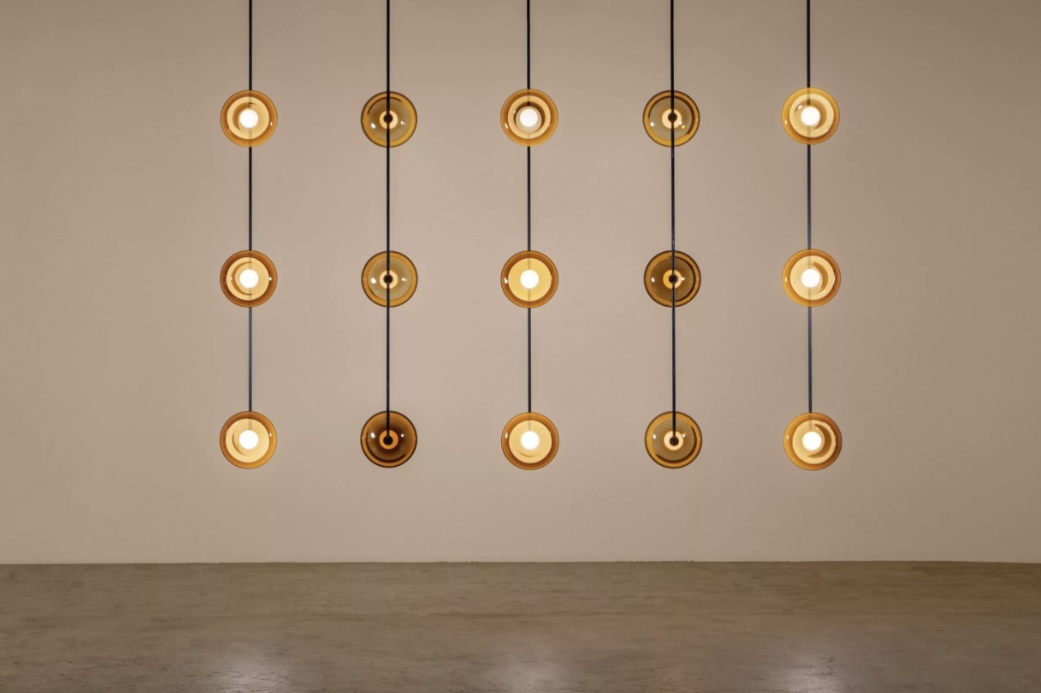
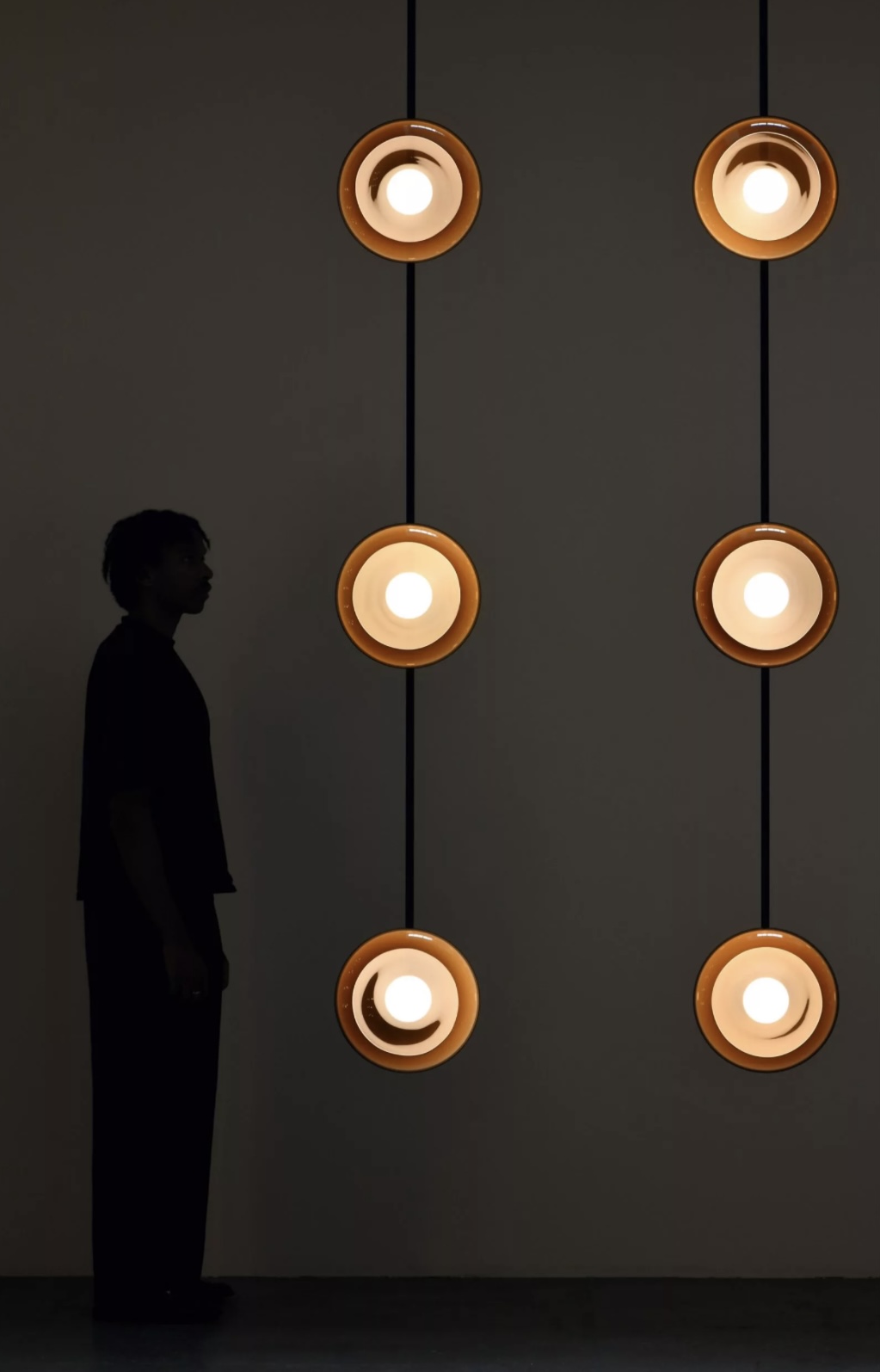
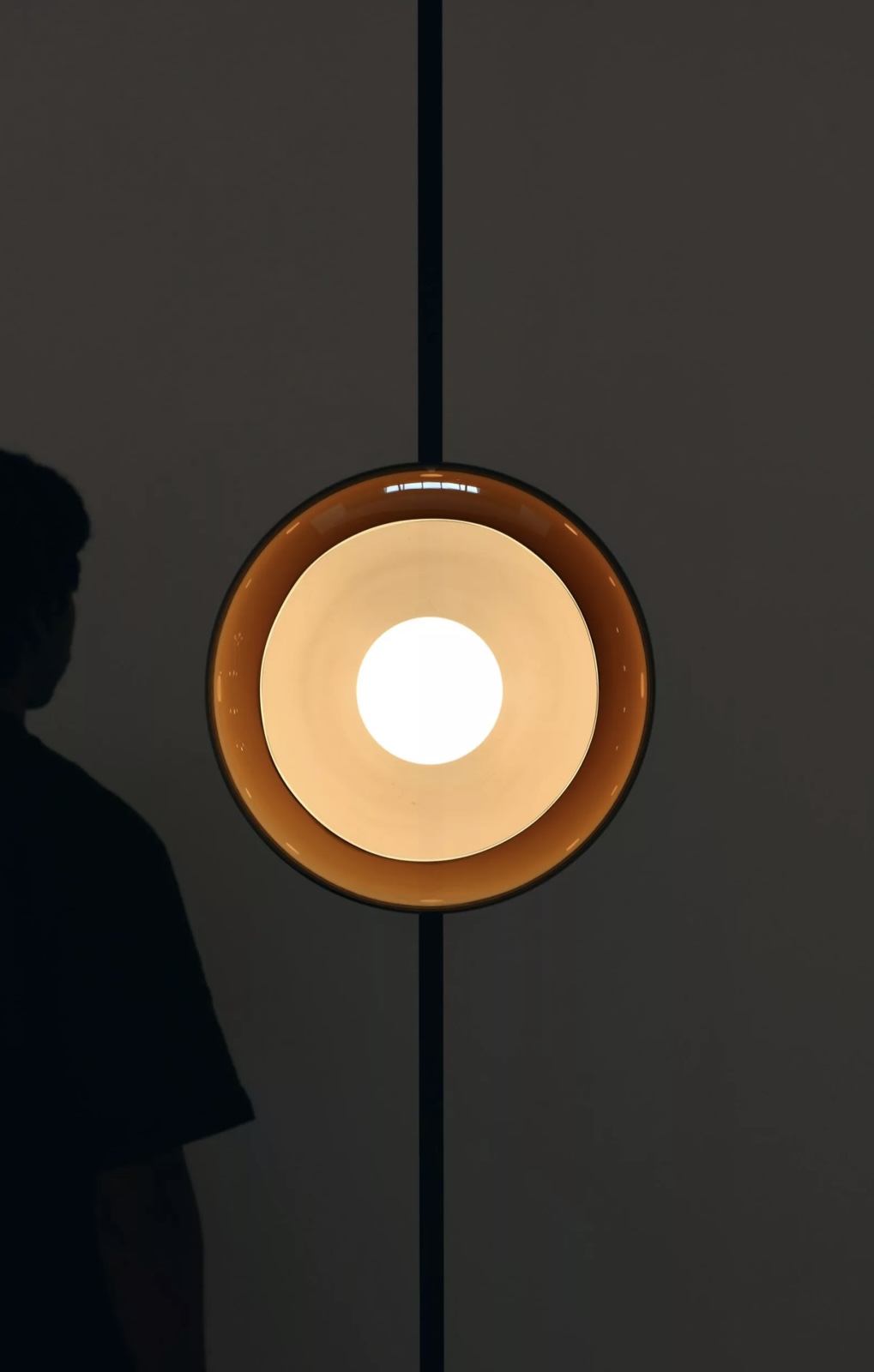
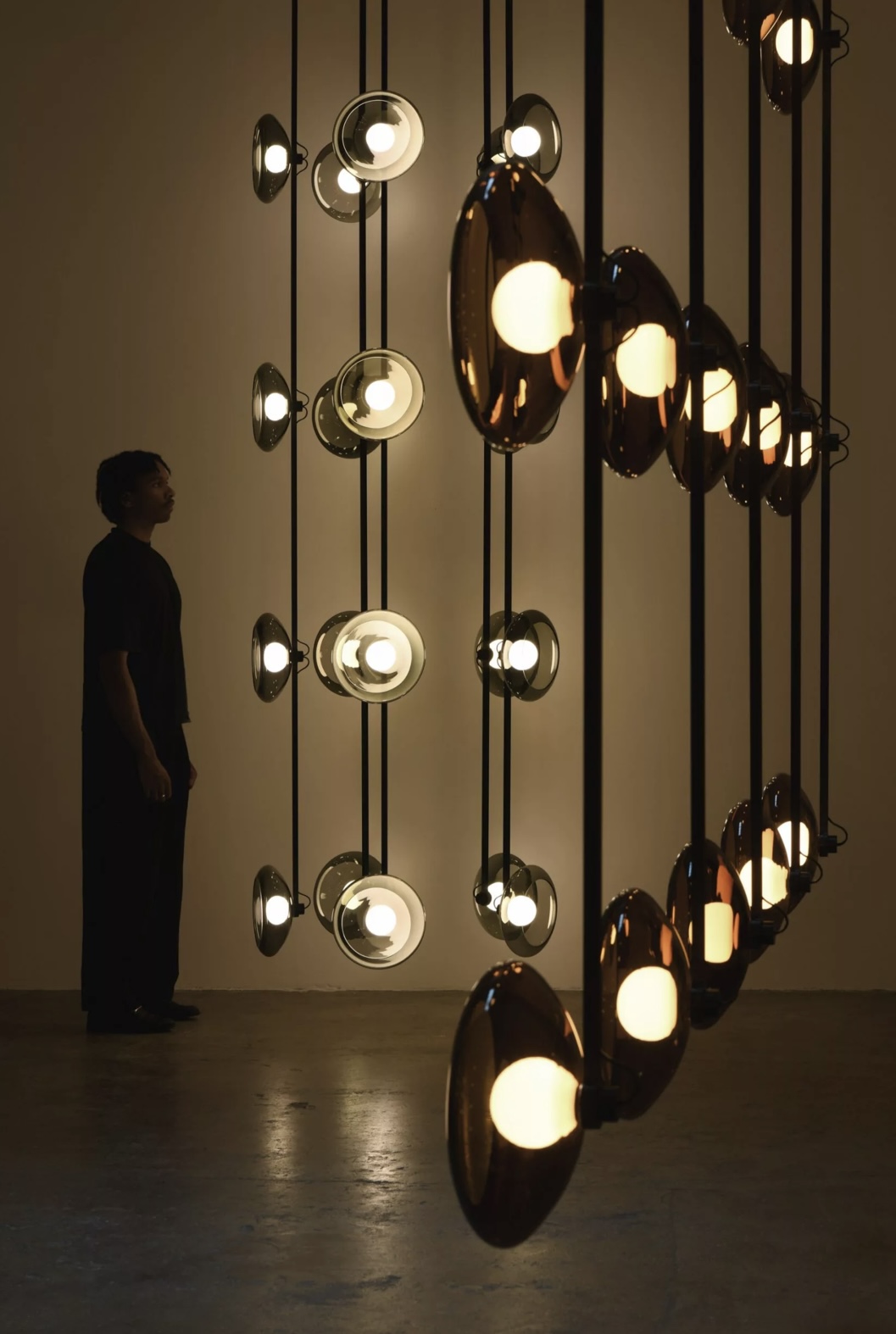
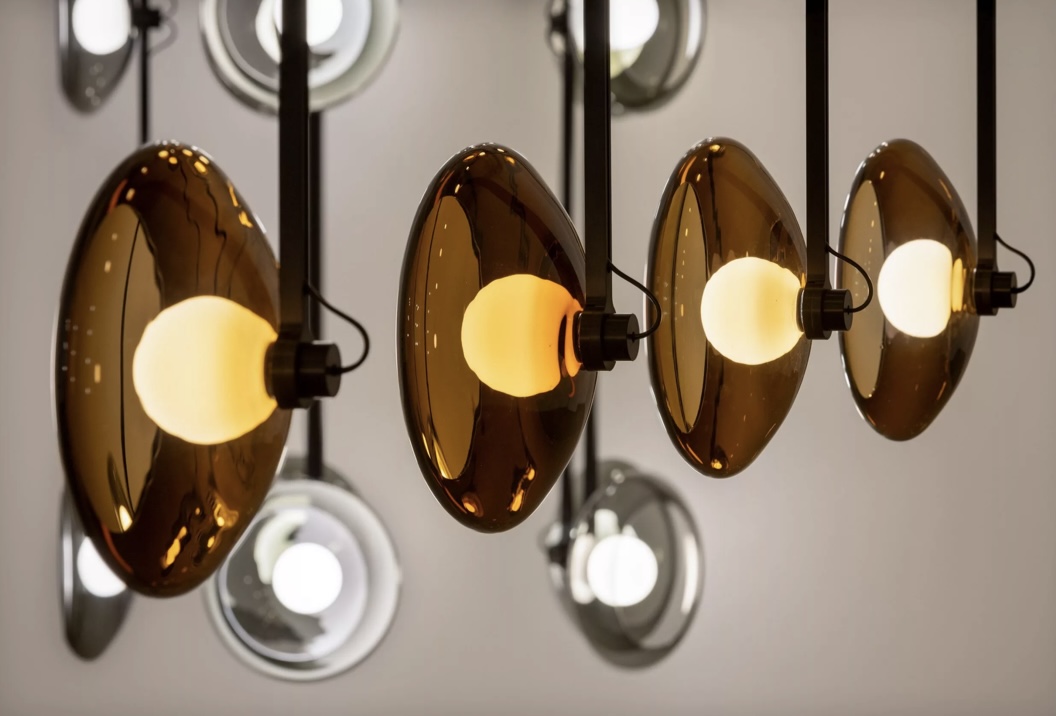
This new collection by Ronan Bouroullec extends his exploration of light—its way of inhabiting matter, lifting it, anchoring it, and giving it form. Slender structures, suspended in space and punctuated by glass halos, stand halfway between drawing and sculpture. A tension thus arises between fragility and rigor, lightness and structure. It is a collection of lights—a more appropriate word than lamps or luminaires, technical and almost trivial. Each of them is composed of two elements of fine blown glass: a white opaline globe, diffusing the light, encased in a transparent, gray, or amber corolla, which, depending on the viewing angle, filters or reflects it. They are most often connected to other identical elements by black or gray anodized solid aluminum rods—the design, assembly details, and edge tension are of an almost watchmaking precision—to form sets of 3, 4, 9, 15, or 20 lights, arranged in vertical lines, circles, or grids.

La sphère lumineuse insérée au centre d’une corolle de verre, de métal ou de perspex est l’un des fondamentaux du vocabulaire formel des designers’ lights, de Fontana Arte à BBPR ou Gino Sarfatti ou même Pascal Mourgue. Mais ce n’est pas tant à l’histoire du design que renvoient les pièces présentées ici par Ronan Bouroullec qu’à celle de l’art minimal. On peut lire cette référence dans le répertoire des matériaux – le métal anodisé qui évoque les Progressions ou les Stacks de Donald Judd-, des formes -on pense au disque Untitled (1968) du Moma de Robert Irwin, ou des effets -le halo des néons de Dan Flavin. Mais elle est plus présente encore dans l’importance des enjeux de perception et de relation à l’espace ici mis en jeu. Fondée sur un système de combinatoires et de répétitions -caractéristiques du minimalisme tant en sculpture qu’en musique- la composition des lumières de Ronan Bouroullec se développe de manière potentiellement infinie. Leur dimension est déterminée par l’espace dans lequel elles s’inscrivent, et dont elles viennent modifier la perception. Elles jouent sur les différents états simultanés de la lumière : diffusée, filtrée, réfléchie, projetée. La perception en est double, selon que la source de lumière est dirigée vers le mur- flottement, mystère- ou vers le spectateur – cercles, auras. Pour citer Robert Irwin : « la question n’est pas de faire des objets… ce qui nous occupe, c’est notre état de conscience et la forme de nos perceptions ».

Ronan Bouroullec’s work on light has been marked from the beginning by a form of tension between two opposing poles. That of abstraction (Luce Orizzontale and Luce Verticale in 2020, Luce Sferica in 2025) and that of the evocation of an image (notably at work in the series Bells, in 2005, then Conques et Lianes in 2010, or Chaînes, in 2016, highlights of his long-term collaboration with Galerie kreo). A form of oscillation between the priority given on the one hand to the issues of form and on the other to those of perception. This new proposal is resolutely on the abstract side, the phenomenological side. “What you see is what you see,” according to the phrase with which Franck Stella established the very essence of minimalism.

Minimalism. The term is tricky to use, as the clichés of contemporary design have burdened it with connotations of simplism, boredom, and laziness. If Ronan Bouroullec reclaims it, it is to reinvigorate it with the exact opposite qualities: delicacy, subtlety, sensitivity, and confusion.

He restores to it a spirit whose principles Pascal evoked thus: “We barely see them, we feel them rather than see them, we have infinite difficulty making them felt by those who do not feel them themselves. These are things so delicate, and so numerous, that it takes a very delicate and clear sense to sense them.” This spirit has a name: the spirit of finesse.

Martin Bethenod

 September 4 to November 1, 2025

GALERIE KREO

31 Rue Dauphine 75006 Paris

Pierre Thoretton

Dans le bois dormant

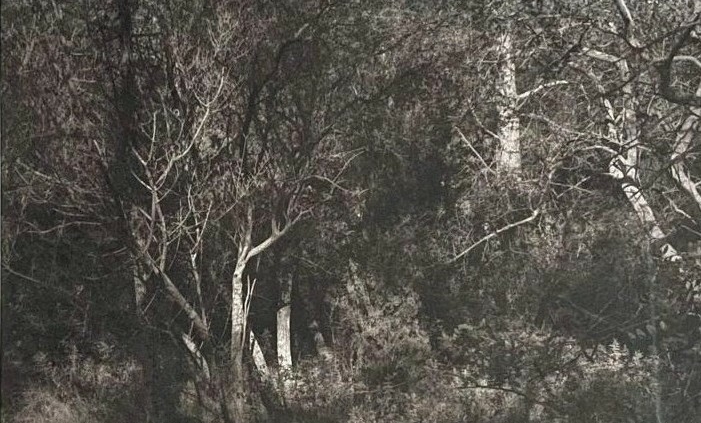
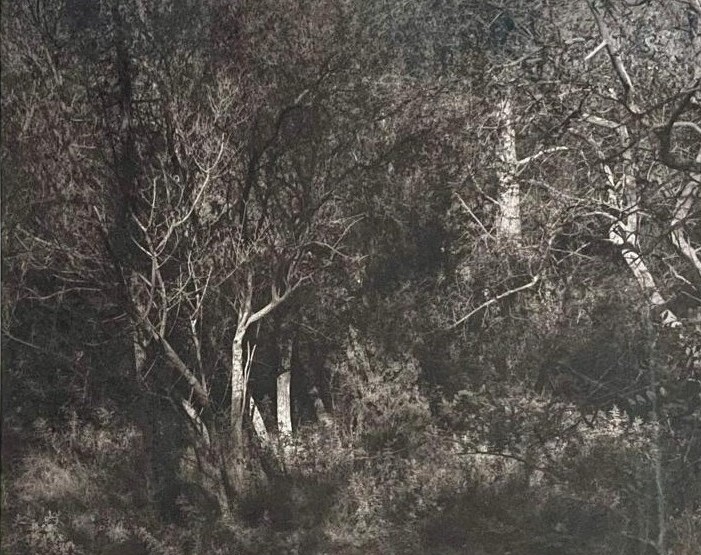
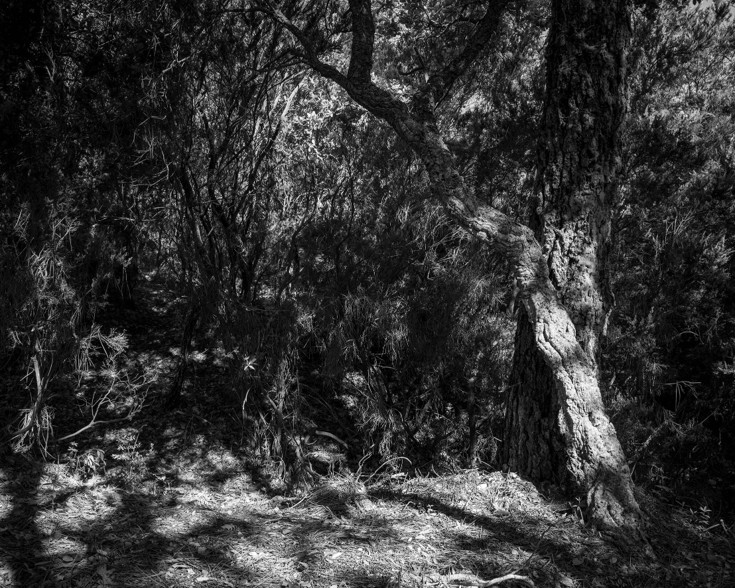
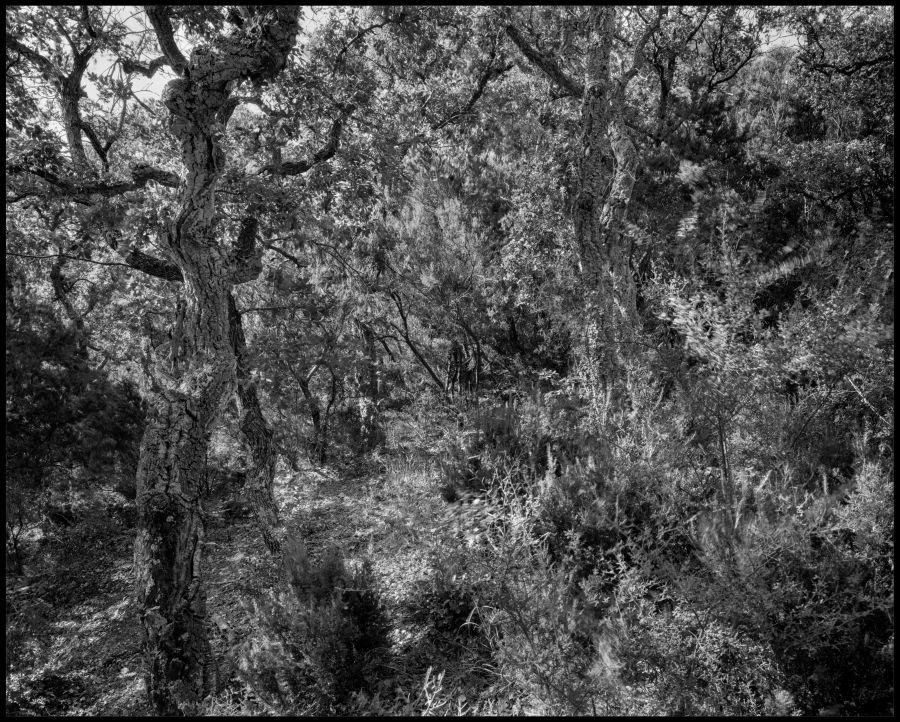
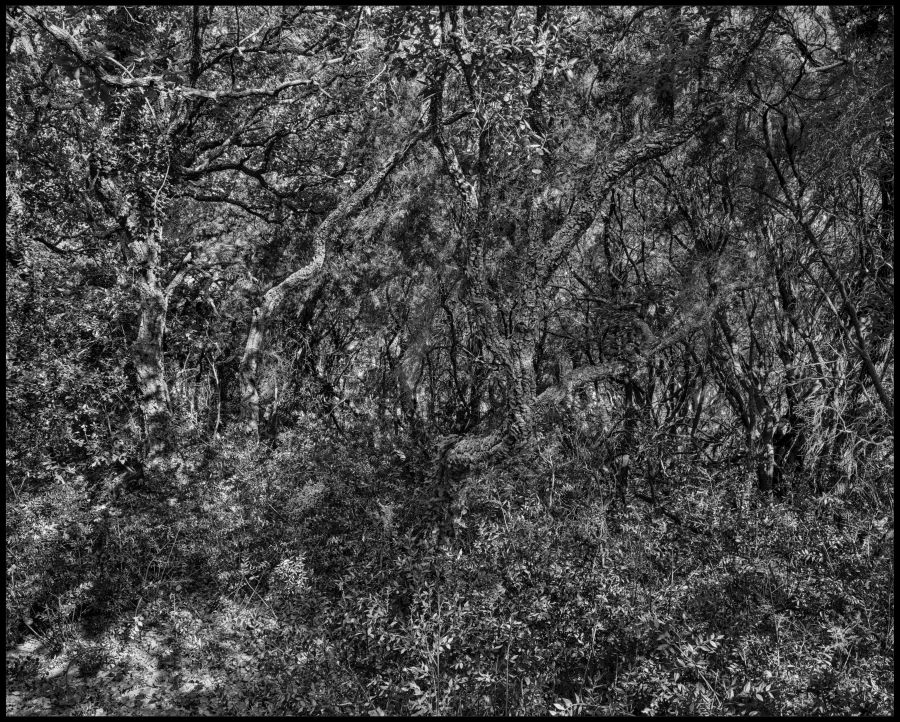
A sculptor, painter, and photographer, he has also been a producer and screenwriter, notably collaborating with Pierre Bergé. He is the author of the feature film Yves Saint Laurent – ​​Pierre Bergé, L’amour fou, nominated for a César Award in 2011. For the past ten years, he has been developing a photographic work using a view camera. His exploration of landscapes, which began in the desert of the American West, now continues on the shores of the Mediterranean. The artist, who was born in Picardy, in the heart of the forests, has nurtured a deep fascination with the sylvan world since adolescence—a mental and emotional territory he continues to explore.

His artistic journey is magnificently documented in a medium-length film by Émilie Lacape, which shows the photographer at work in front of his subject. In a Californian landscape ravaged by fire, Pierre Thoretton forgoes capturing the violence of the fires to immortalize the grandeur of the century-old redwoods. His approach echoes that of Ansel Adams (1902-1984) and his work in Yosemite National Park.

“In the Sleeping Beauty,” the first solo exhibition devoted to this research cycle, demonstrates an approach that favors the long term, an attentive gaze, and a physical encounter with the places he explores. His images vividly capture the sensitive tensions between the appearance of forms and the experience of nature.

Pierre Thoretton questions the boundary between the real and the imaginary, the trace of time in the living, and the possibility of an inhabited perspective on the natural world. His work, informed by a keen awareness of contemporary ecological and aesthetic issues, asserts a profoundly intimate and poetic dimension.

September 18 to October 4, 2025

GALERIE EBERWEIN


22 rue Jacob 75006 Paris

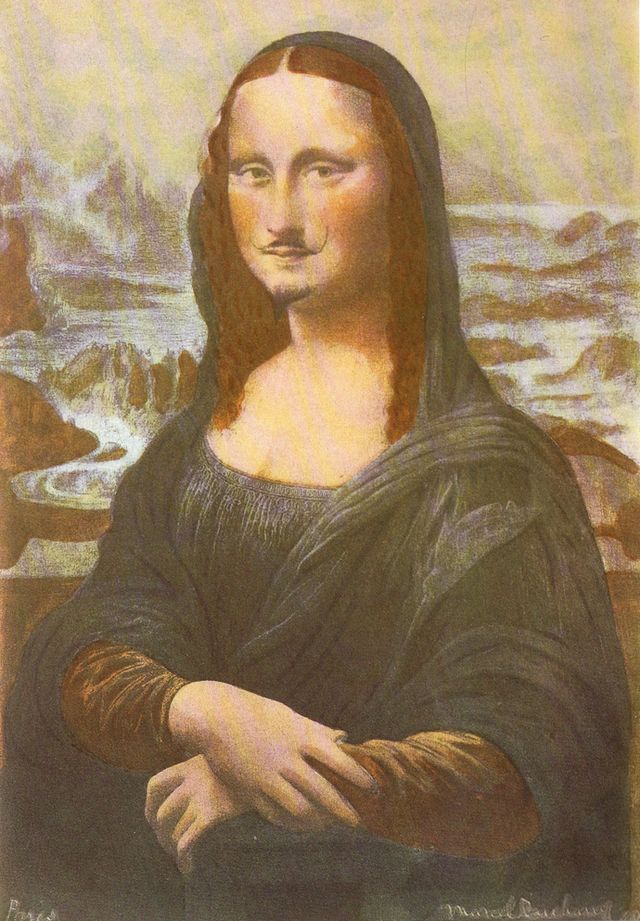
Marcel Duchamp

The art of being cramped

The gallery’s third exhibition dedicated to Duchamp, this presentation, combining ready-mades, drawings, sound recordings, editions and rarely shown pieces, is part of a broader current trend, echoing the major retrospectives planned for 2026–2027 at MoMA, the Philadelphia Museum of Art and the Centre Pompidou – Grand Palais.

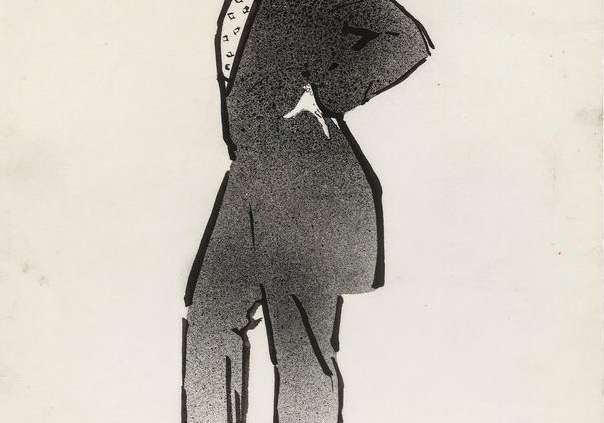
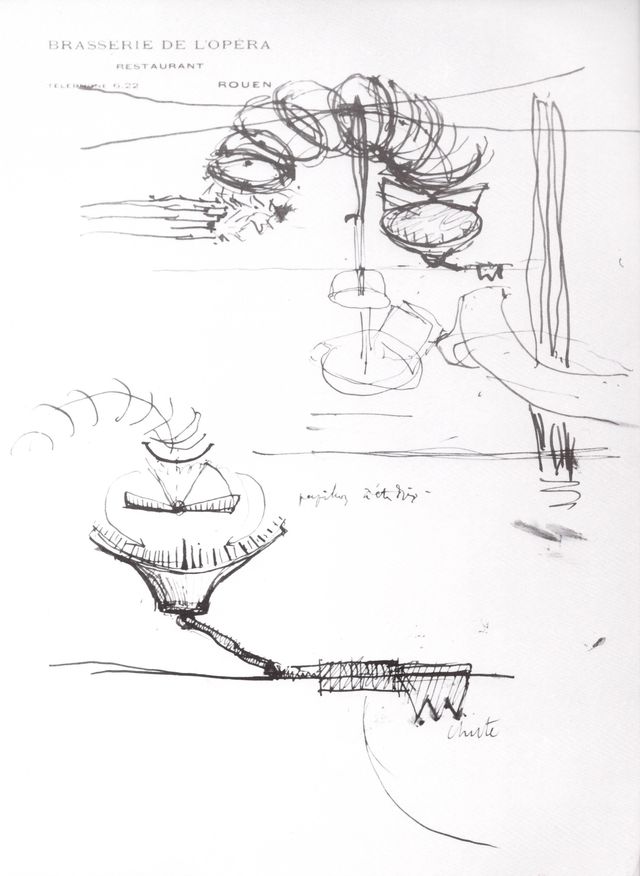
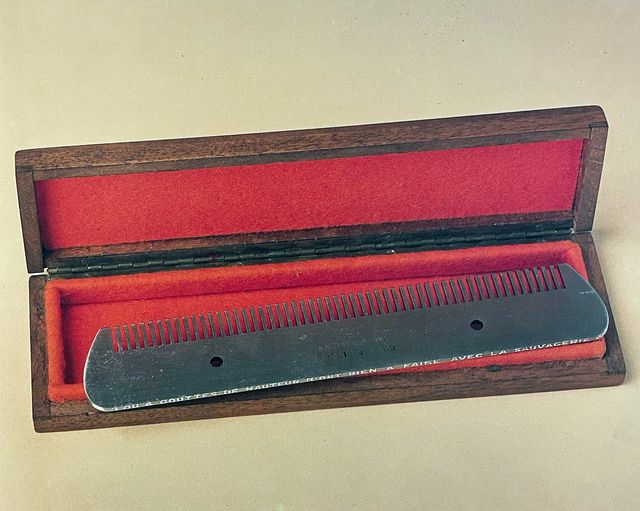
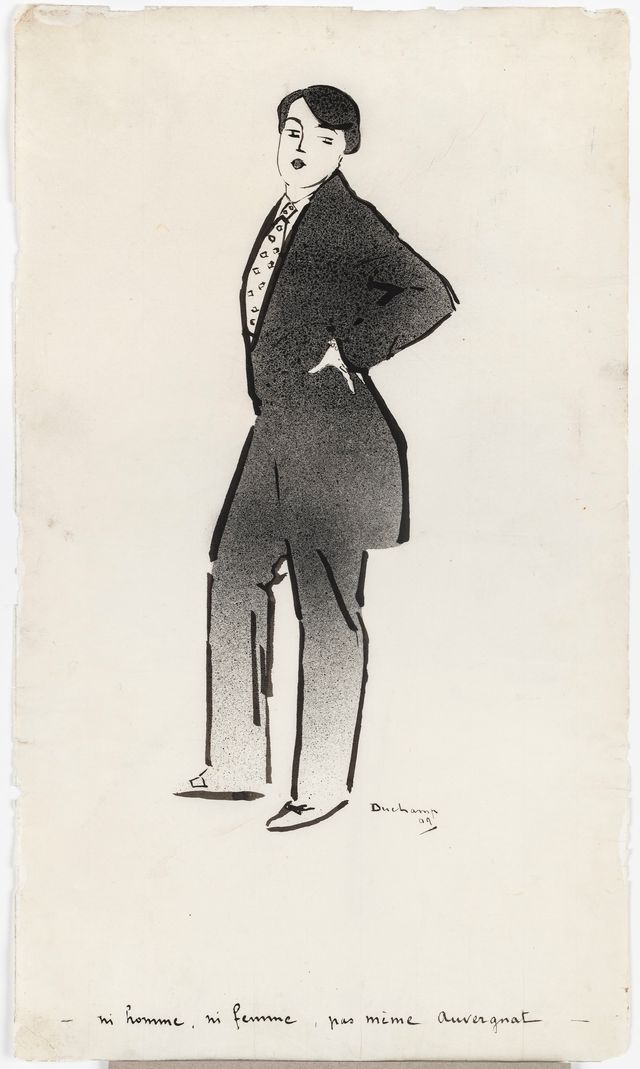
It features several central pieces from Duchamp’s constellation: the Kodak Box from 1914, the Green Box, the Suitcase Box, all fragments that condense, displace, and recompose. A few essential pieces mark the exhibition—Le Peigne, Air de Paris, three different versions of L.H.O.O.Q.—as well as a rare collection of works on paper: the first sketch for the Tamis du Grand Verre, a rare signed check from 1963, and a youthful caricature, grating and ambiguous (Ni homme, ni femme, pas même Auvergnat), in which an androgynous figure emerges for the first time—like a prefiguration of Rrose Sélavy.

 Conceived as a retrospective in miniature, the exhibition seeks neither to demonstrate nor to bring together, but to illustrate a few essential fragments of an artist who has constantly blurred the lines between the author, the work and its reproducibility. Organizing a retrospective in the intimacy of the gallery at 36 rue Jacob amounts to replaying the gesture of the Boîte-en-valise: it is not the work as a whole that one attempts to fit into a restricted space, but a condensation of his gestures, his thoughts and his techniques.

September 17 to November 8, 2025

GALERIE DINA VIERNY

36 rue Jacob 75006 Paris

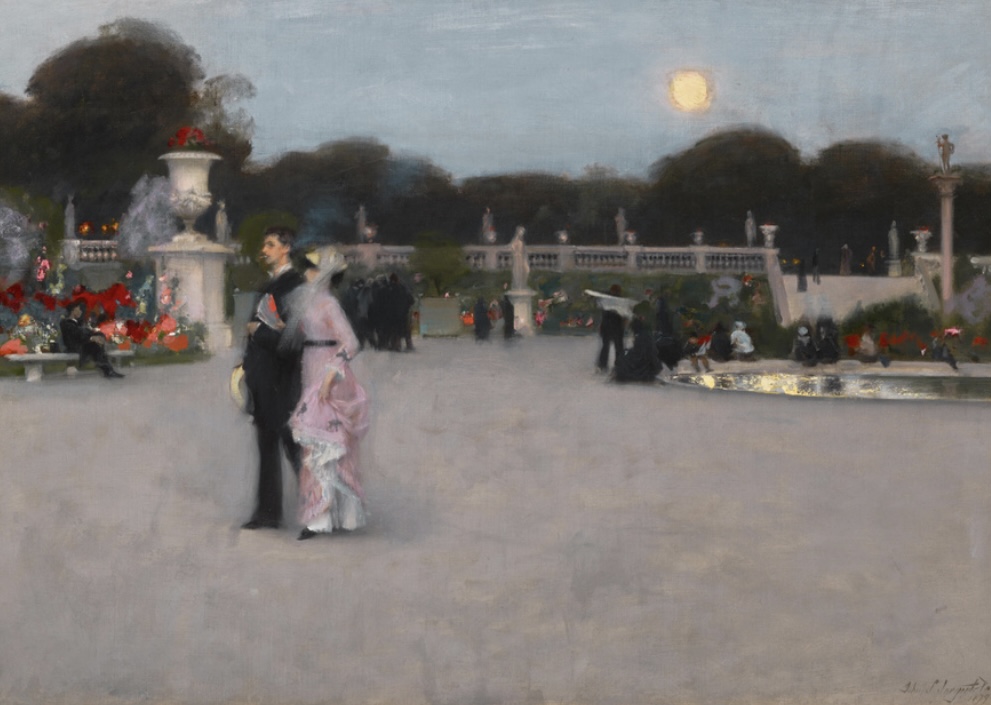
John Singer Sargent

The Paris Years (1874-1884)

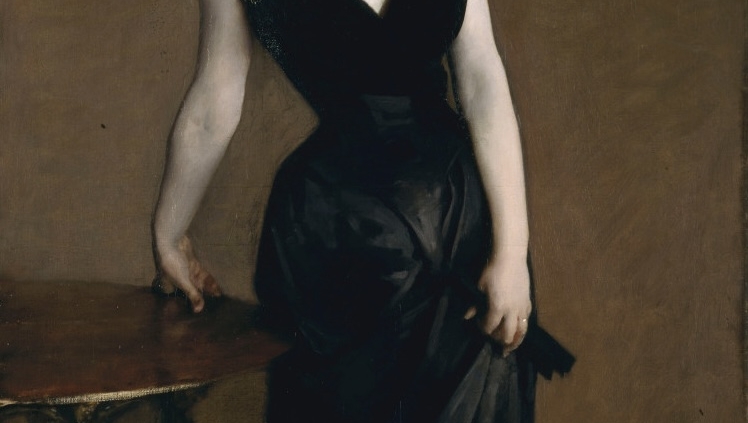
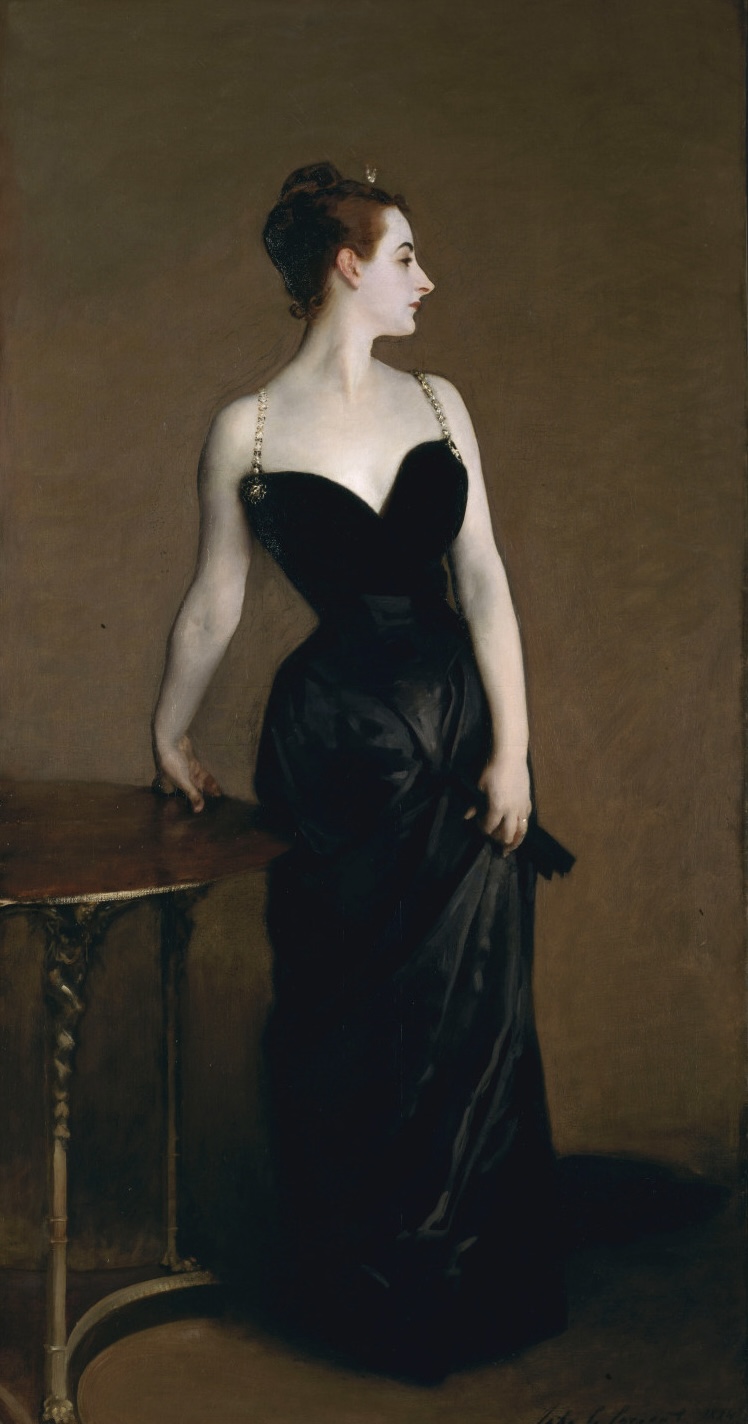
John Singer Sargent (Florence, 1856 – London, 1925) is, along with James McNeill Whistler, the most famous American artist of his generation and arguably one of the greatest painters of the 19th and early 20th centuries. Adored in the United States (his portrait of Madame X is considered the Mona Lisa of the Metropolitan Museum of Art’s American art collection in New York), he is also celebrated in the United Kingdom, where he spent most of his career. In France, however, his name and work remain largely unknown, something the Musée d’Orsay exhibition hopes to change.

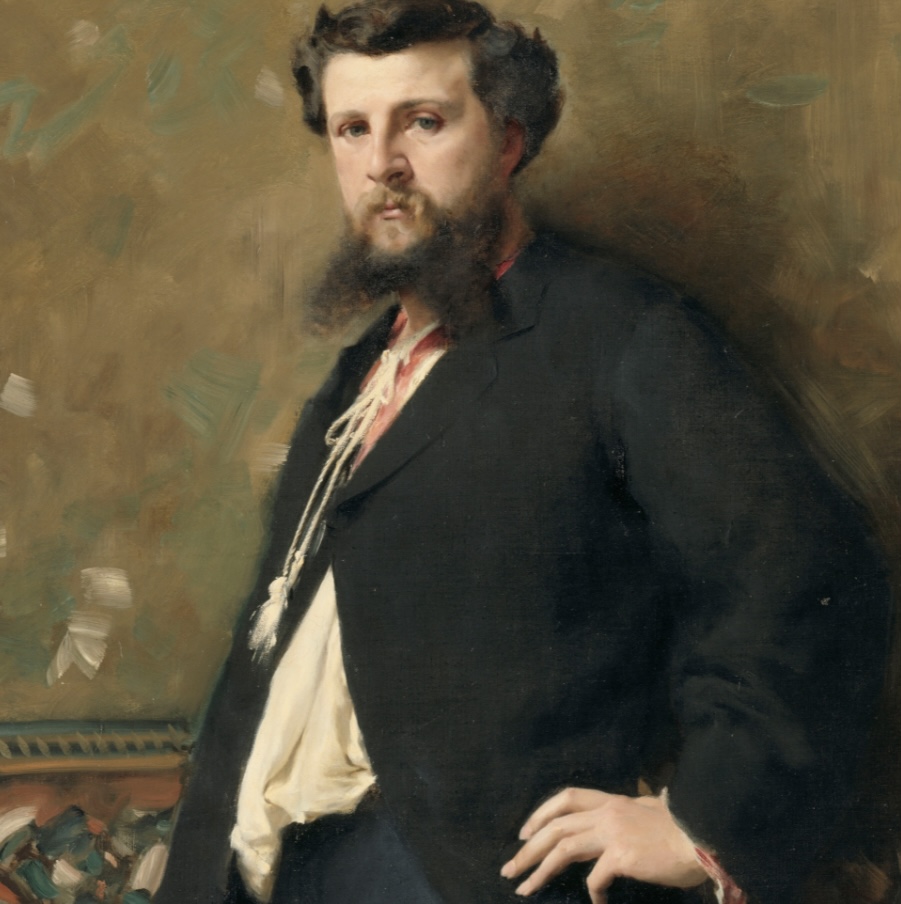
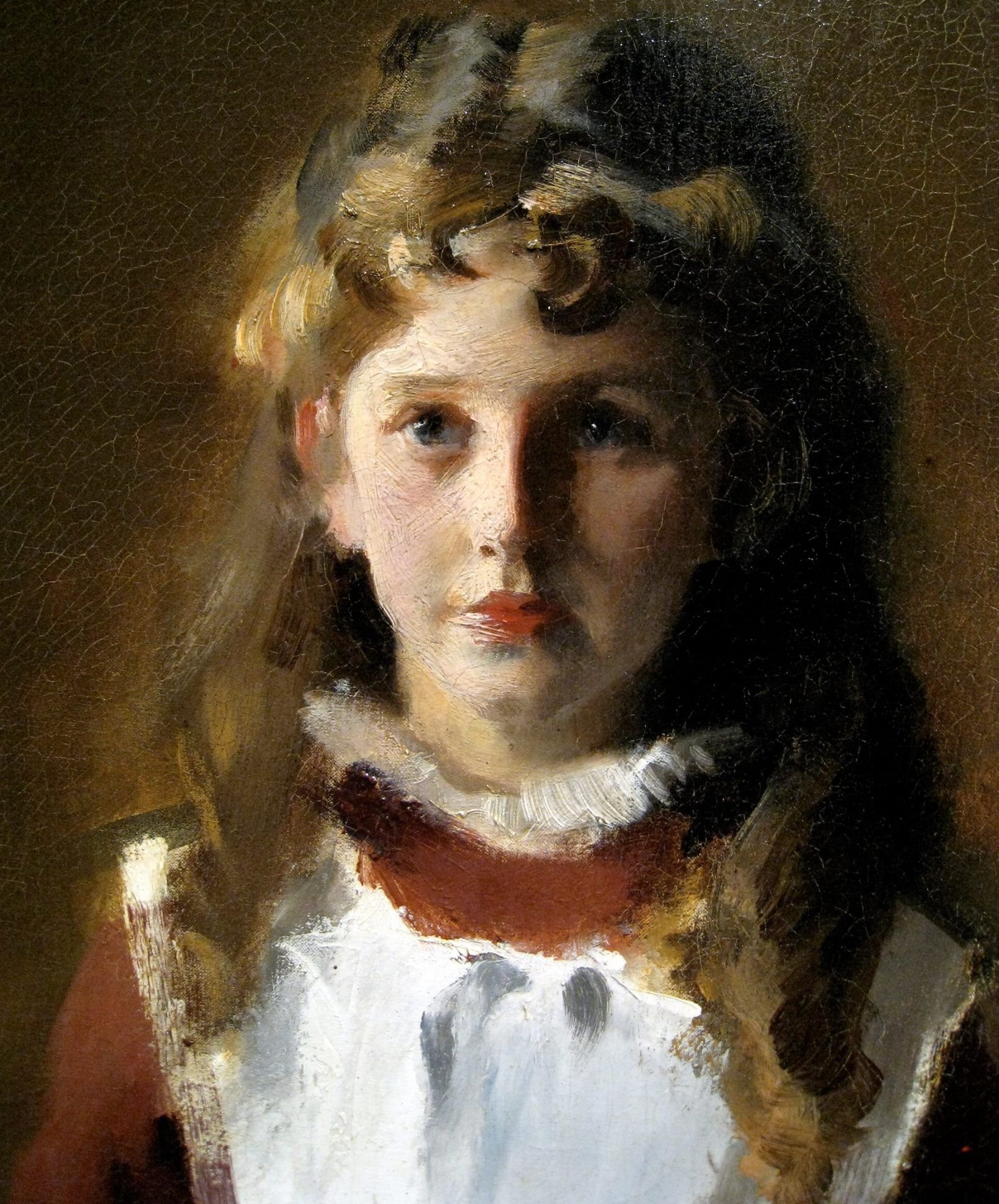
While the 2007 exhibition Painters of Light: Sargent & Sorolla (Paris, Musée du Petit Palais) introduced the artist to the French public, no solo exhibition has ever been devoted to him. Yet it was in France, and more specifically in Paris, that the young painter trained, developed his style and network of artists, achieved his first successes, and produced some of his greatest masterpieces, such as Dr. Pozzi at Home (1881, Hammer Museum, Los Angeles) and Daughters of Edward Darley Boit (1882, Museum of Fine Arts, Boston).

Developed in partnership with the Metropolitan Museum of Art in New York, the exhibition “Sargent. The Parisian Years” aims to introduce this painter to a wide audience. The exhibition brings together more than 90 works by John Singer Sargent, some of which have never been presented in France. It traces the meteoric rise of the young artist, who arrived in Paris in 1874 at the age of 18 to study with Carolus-Duran. The exhibition covers his career up to the mid-1880s, when he moved to London following the scandal caused by his portrait of Madame Gautreau (Madame X) at the Salon.

During this decade, Sargent forged both his style and personality in the dizzying Parisian art world, marked by the proliferation of exhibitions, the development of Naturalism and Impressionism, and the rise of Paris as the world capital of art. The young American painter found support among other expatriates but also integrated brilliantly into French society, forging ties with a circle of enlightened artists, writers, and patrons. The numerous portraits Sargent left us of these figures paint a captivating portrait of a rapidly changing, highly cosmopolitan society, where the old European aristocracy rubbed shoulders with the young fortunes of the new world. Constantly seeking new inspiration, Sargent rarely depicted “Parisian life” but took advantage of his roots in the French capital to make numerous trips to Europe and North Africa. He brought back numerous paintings, landscapes, and genre scenes, which combined exoticism, mystery, and sensuality. But it was in the field of portraiture that Sargent established himself as the most talented artist of his time, surpassing his masters and equaling the great artists of the past. His formidable technical skill, the brilliance of his touch, the shimmering of his colors, and the provocative assurance of his compositions disturbed the public and seduced critics who saw in him the worthy heir to Velázquez. Commenting in 1883 on one of his most original paintings, Portrait of the Daughters of Edward Darley Boit, the American writer Henry James, a friend of Sargent, noted that the artist “offers the strangely disturbing spectacle of a talent who, at the threshold of his career, has already nothing more to learn.”

In 1884, the portrait of Virginie Gautreau, which Sargent would later describe as “the best thing he ever did,” nevertheless provoked hostile reactions at the Salon. These reactions focused in particular on the sitter’s morality and reflected the worldly and social stakes of “public” portraiture in France at the end of the 19th century. A special section of the exhibition is dedicated to this moment in Sargent’s career and to this painting, exceptionally loaned by the Metropolitan Museum of Art and on view in Paris for the first time since… 1884!

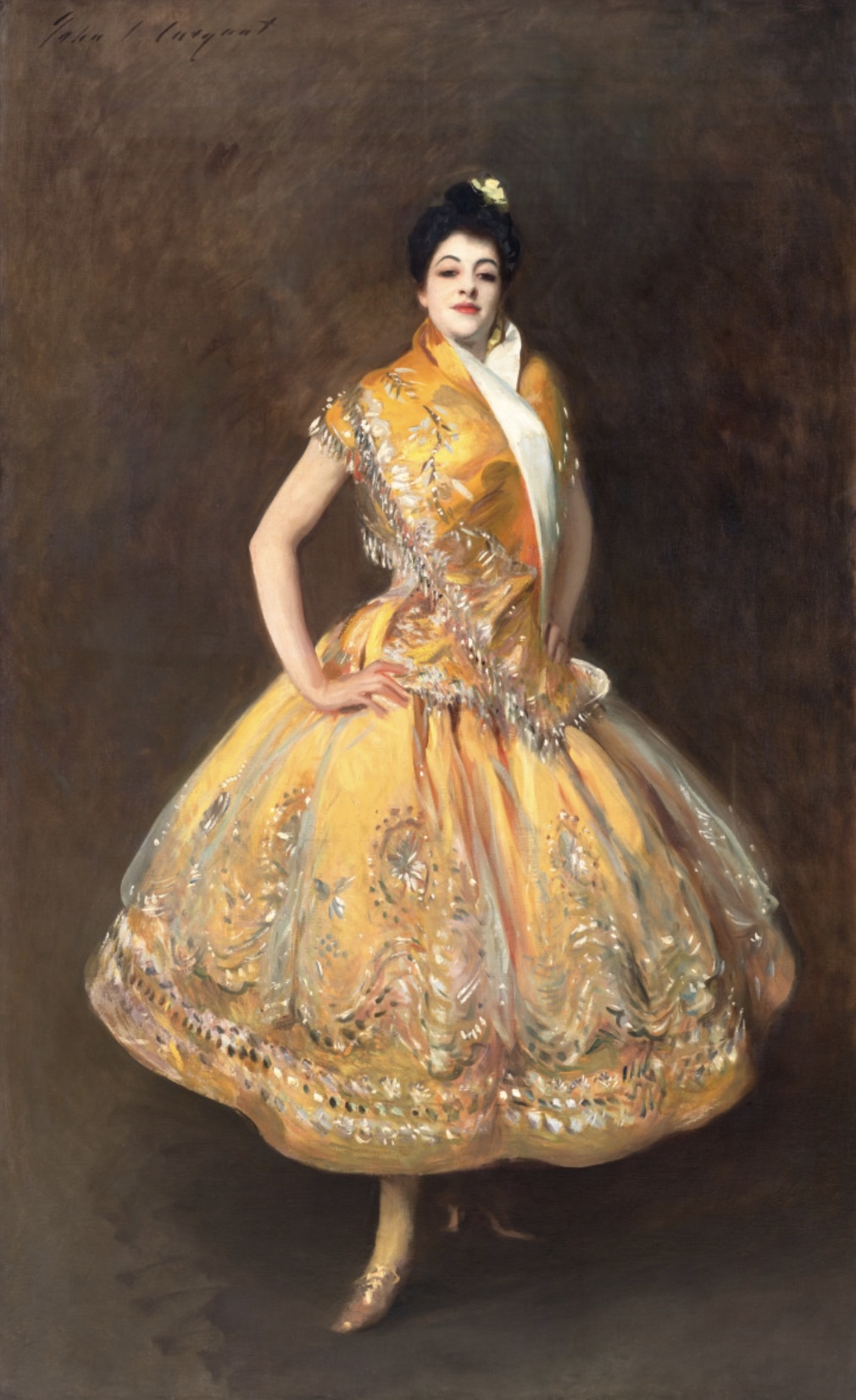
Based on extensive research, “Sargent. The Parisian Years” also takes stock of the lasting ties that the artist maintained with his city of training, even after his move to London. His commitment to the inclusion of Olympia by Manet, an artist he admired, in the national collections in 1890, bears witness to this. It was also in France that Sargent received his first form of institutional recognition, when the State purchased his portrait of the dancer Carmencita for the Musée du Luxembourg in 1892.

September 23rd, 2025 to January 11th, 2026

MUSEE D’ORSAY

Esplanade Valéry Giscard d’Estaing 75007 Paris

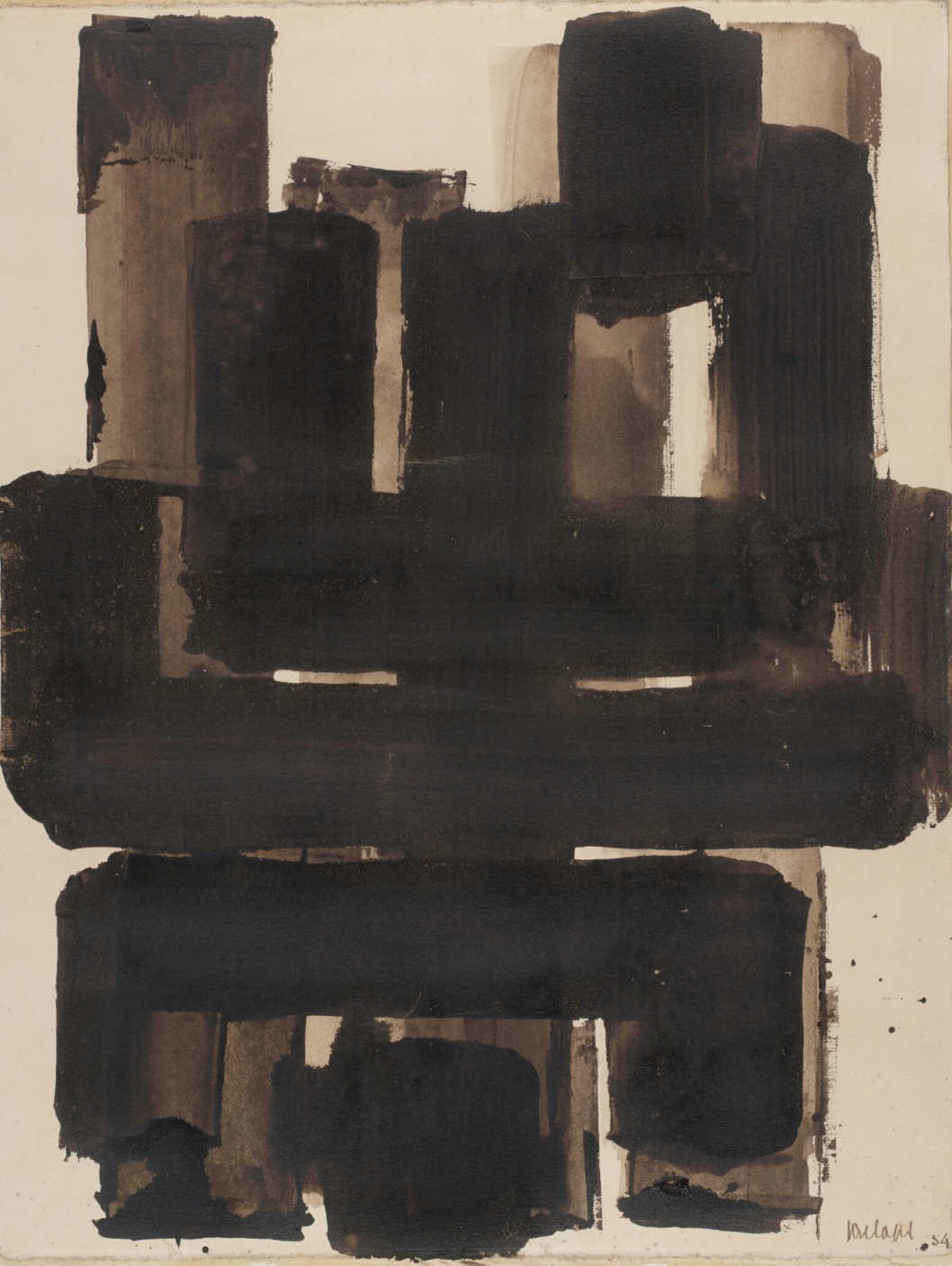
Soulages

Another Light

Works on paper

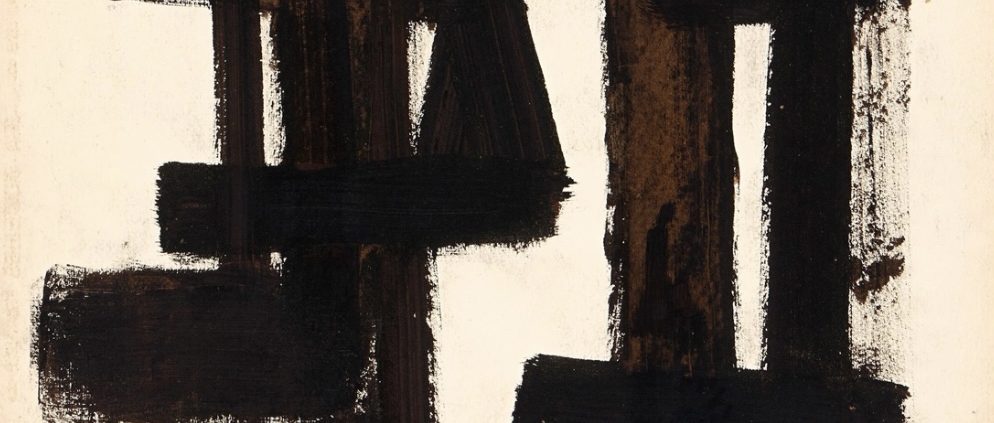
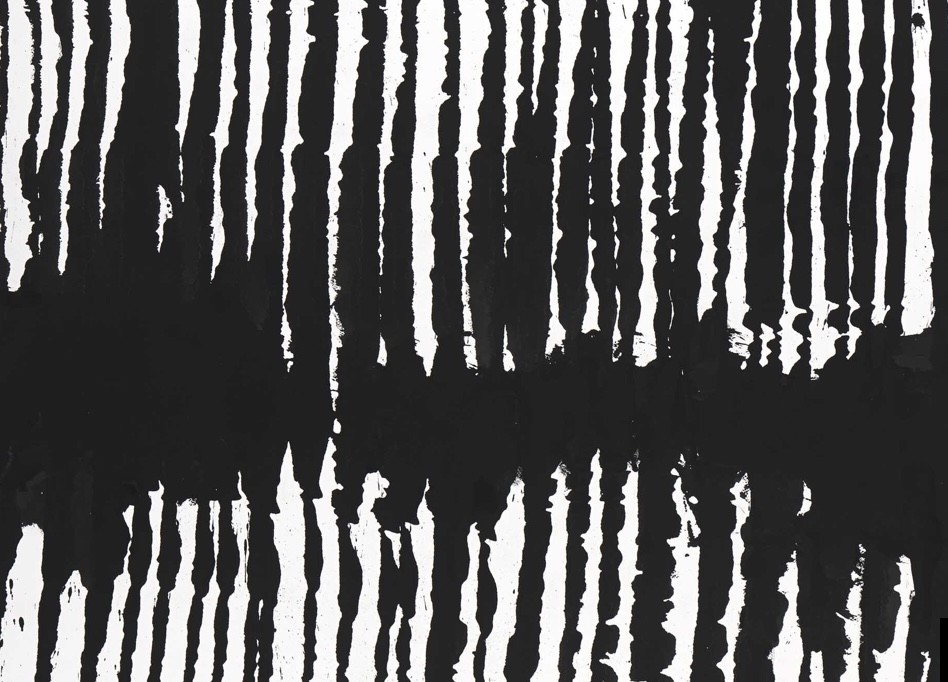
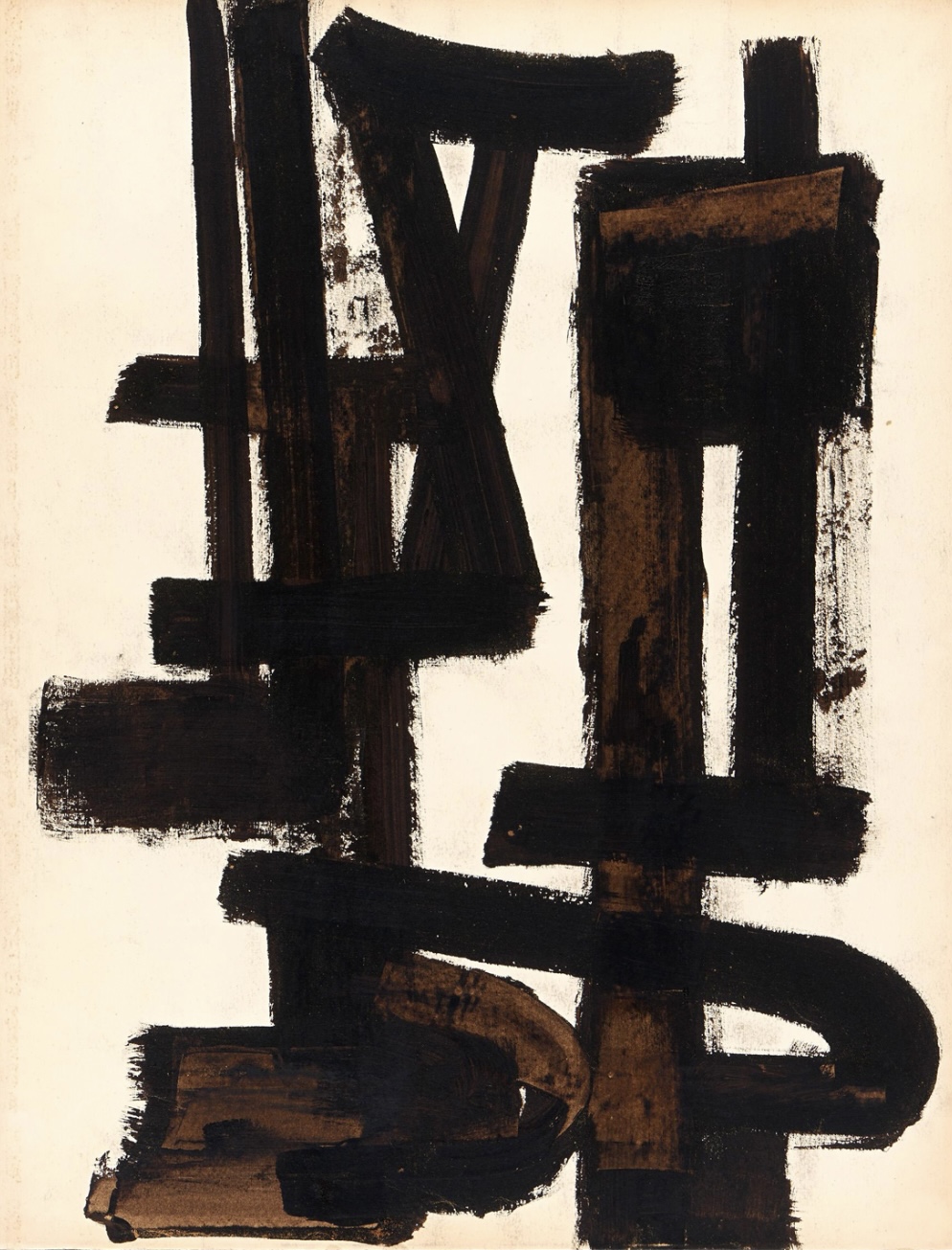
Rarely brought together in separate exhibitions, Pierre Soulages’s work on paper nevertheless constitutes an essential part of his artistic career. As early as 1946, he explored this avenue with walnut stain paintings featuring broad, bold strokes, which immediately marked his singularity within the abstract approaches of the time. Thanks to exceptional loans from the Soulages Museum, the exhibition brings together 130 works created between the 1940s and the early 2000s, including 25 previously unseen works. Discover a collection of paintings on paper, long preserved in the artist’s studio, which demonstrate the consistency and freedom with which Soulages approached this medium.

Favoring walnut stain in his early years, Pierre Soulages often returned to this material, prized by cabinetmakers for its qualities of transparency, opacity, and luminosity, in contrast to the white of the paper. He also used ink and gouache for works whose limited formats in no way compromise their formal power and diversity.
By highlighting this collection of paintings on paper, the exhibition invites you to rediscover Pierre Soulages in a practice that is both intimate and decisive, at the heart of his visual language.

September 17, 2025 to January 11, 2026

MUSEE du LUXEMBOURG

19 rue de Vaugirard 75006 Paris

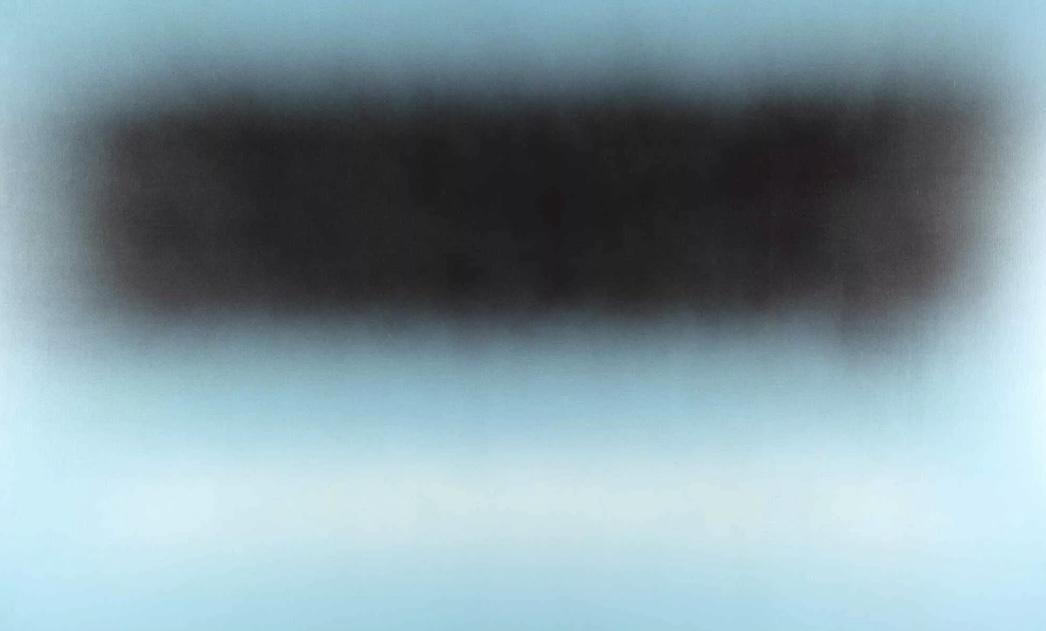
In the Dark

another vision of art from 1945 to the present day

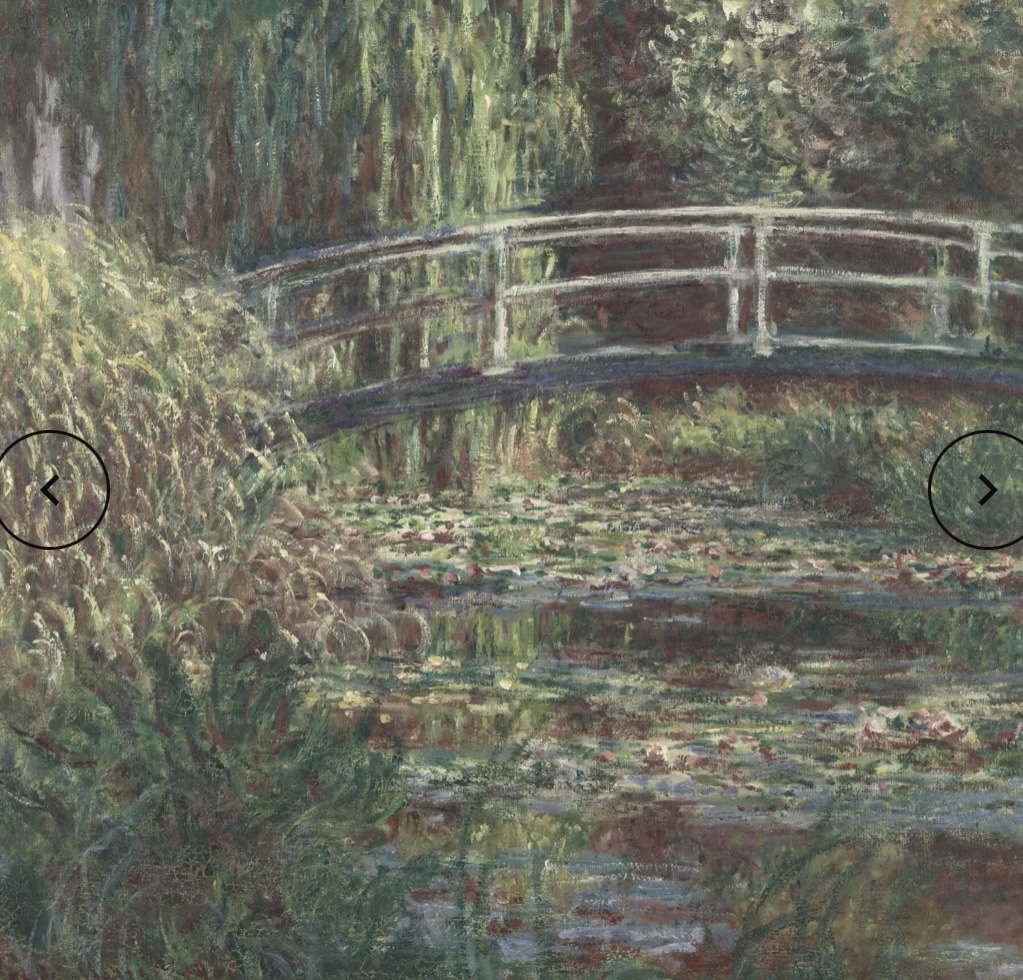
Painting, sculpture, photography, video, cinema… The exhibition “In the Blur” provides a superb focus on the use of the indistinct in the visual arts, focusing on the period from 1945 to the present day. Its source is a masterpiece: Claude Monet’s Water Lilies, a large set installed since 1927 at the Musée de l’Orangerie, where blur reigns over the large aquatic compositions populated with water lilies. A true aesthetic choice by the master of Impressionism. This intriguing fog has since inspired many artists using various techniques. The thematic journey of the exhibition is at once sensitive, historical, poetic and political.

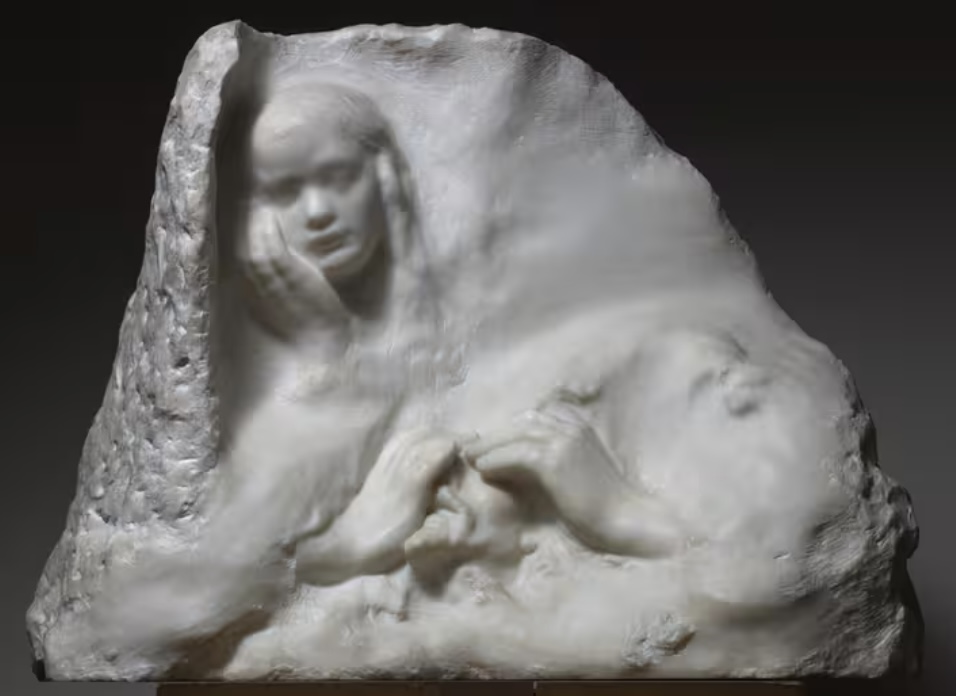
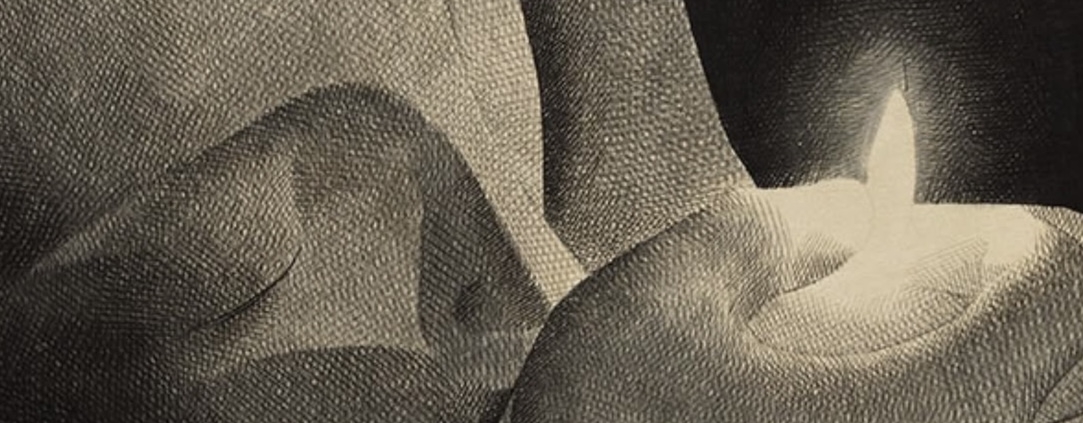
In the first room, as a prologue, very different works interact: the oldest, a misty landscape painted by William Turner around 1845, sits next to Claude Monet’s Water Lily Pond, Pink Harmony and a transparent condensation cube by conceptual artist Hans Haacke, trapping both the mist and the instability of our environment. Auguste Rodin’s block of white marble proves that blur and sculpture are not mutually exclusive, as one might think. The artist blurs the contours of his marbles, making the material vibrate.

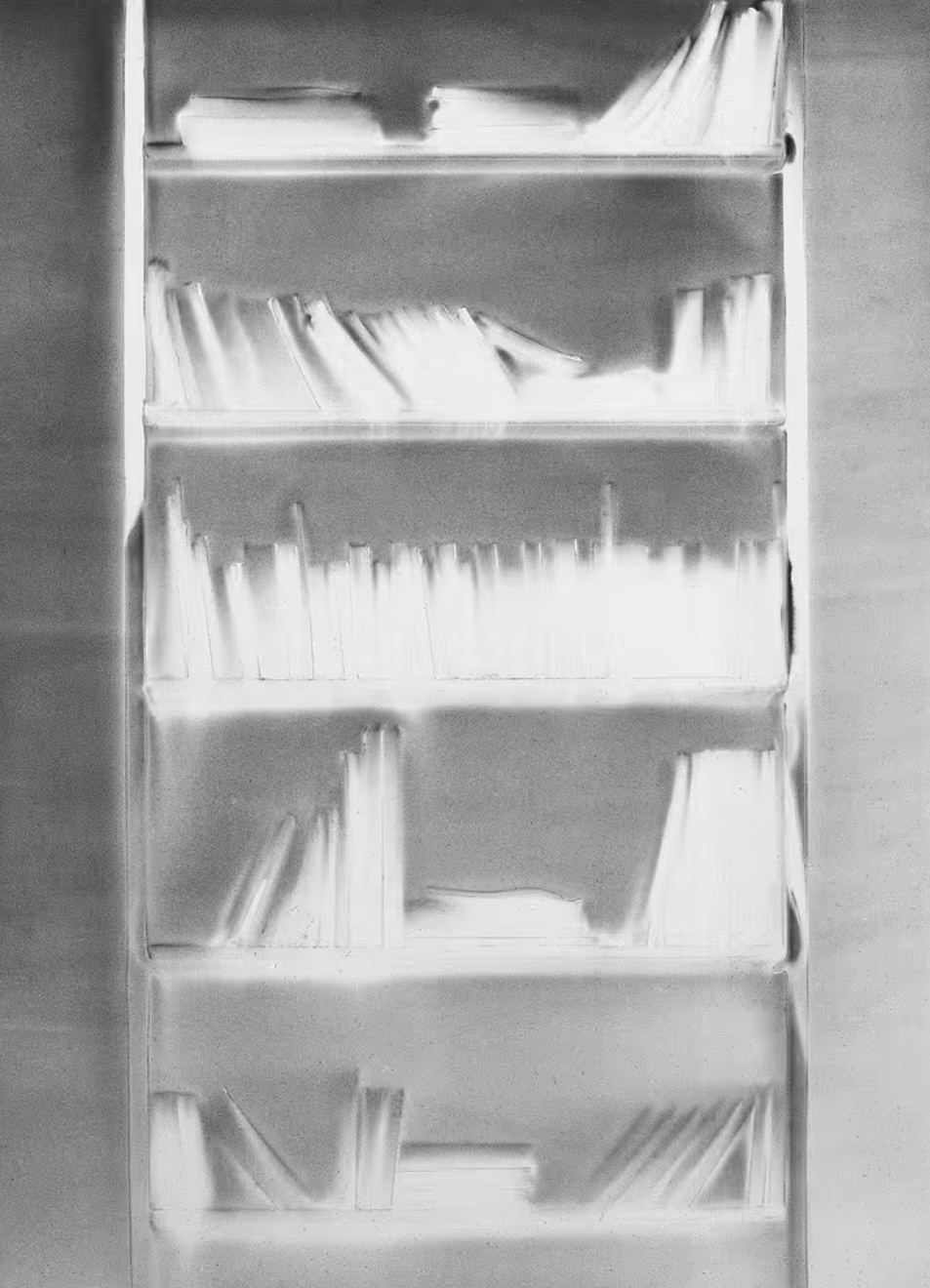
On a large panel, Claudio Parmiggiani, a key figure of Arte Povera, used a technique called “controlled fires.” He deliberately sets fire to a room, extinguishes it, lets the soot settle on the premises, then comes to remove the objects and furniture to leave an impression. Soot and smoke draw, as if in a negative, the ghost of a shelf covered with books, with vaporous contours. The choice of the library is not insignificant, the artist is referring to the book burnings that we have known throughout history … behind the blur sometimes hides a political message.

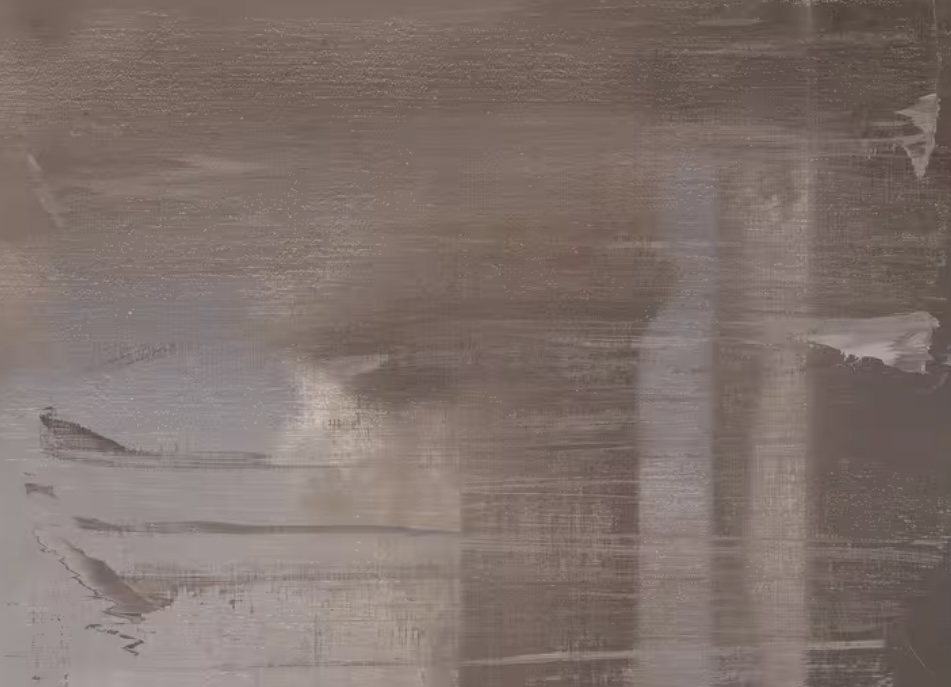
A small canvas by Gerhard Richter is nevertheless one of the highlights of the exhibition. The artist created it from a highly publicized photo of the September 11, 2001 attacks in New York: the collision of the first plane with the North Tower of the World Trade Center. At first glance, it is a very abstract, almost illegible painting. It is knowing the source image that allows it to be deciphered, but what we see is the gesture of the painter who, with broad brushstrokes, places paint on the image of the two twin towers, which is itself painted. The superimposition of layers, as is often the case with the German artist, creates “a blur of surface.” He deliberately uses grainy materials that block the view and force us to look more closely, also transcribing into paint the fog of television screens in a world saturated with images. Richter says his relationship with reality has always been about vagueness, which he links to insecurity, incompleteness, and inconsistency. He is the most represented artist in the exhibition, with paintings evoking the instability of the world.

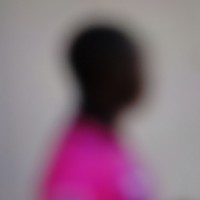
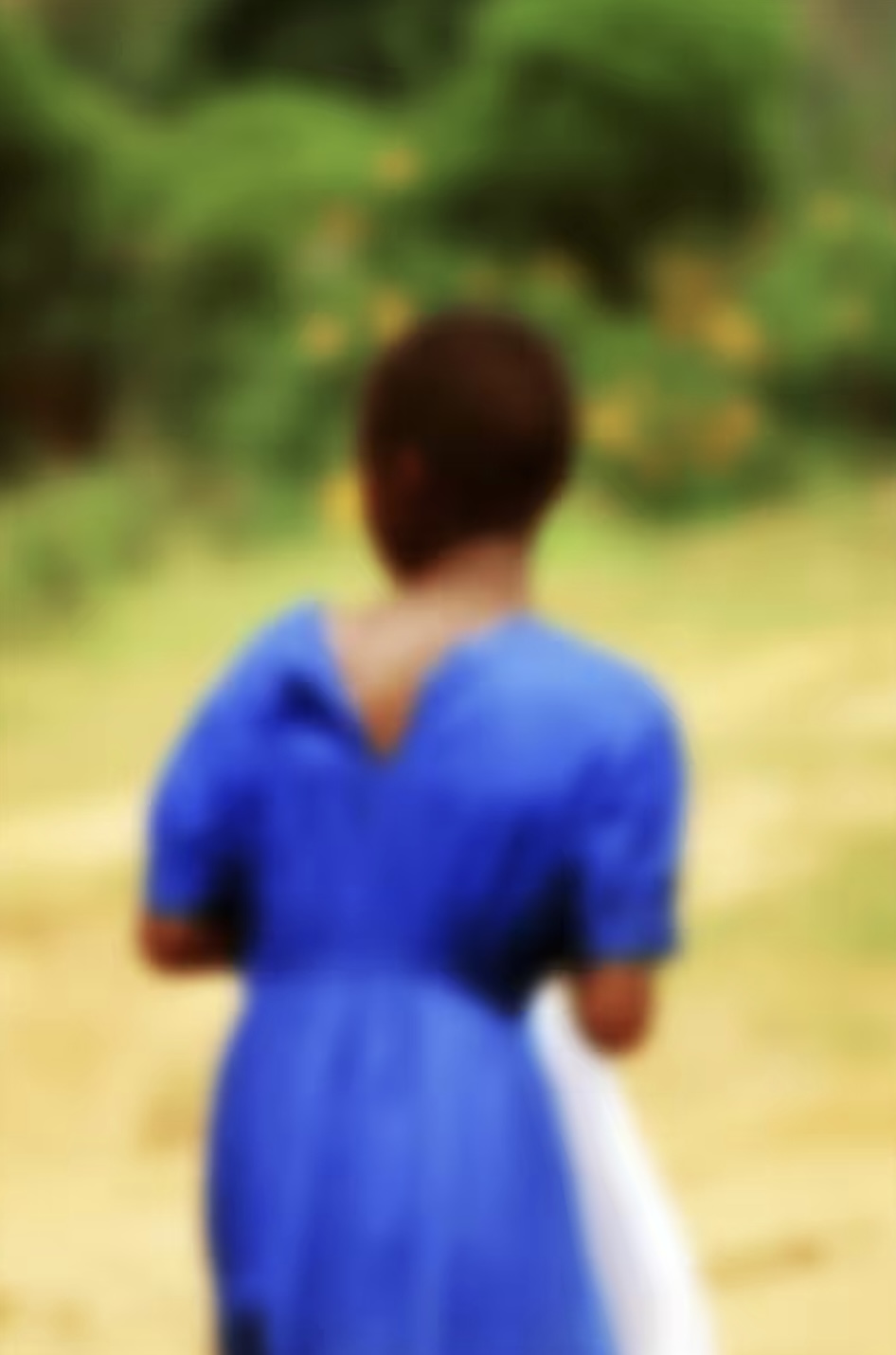
A large photograph by Chilean artist, architect, and filmmaker Alfredo Jaar, taken as part of a long-term project he devoted to the 1994 genocide of the Tutsi in Rwanda, shows a young girl who witnessed the massacre of her father and mother with machetes. Alfredo Jaar had arranged to meet her, but when it came time to answer his questions, the teenager, unable to utter a word, left with her back to him. In a reflexive movement, he then grabbed his camera and took this shot without framing it, without focusing. “This blurred image,” he says, “represents my inability to tell the story of this woman’s experience or the experience of Rwanda—the impossibility.”

April 30 – August 182025

MUSEE DE L’ORANGERIE

Jardin des Tuileries 75001 Paris