John Singer Sargent
Eblouir Paris
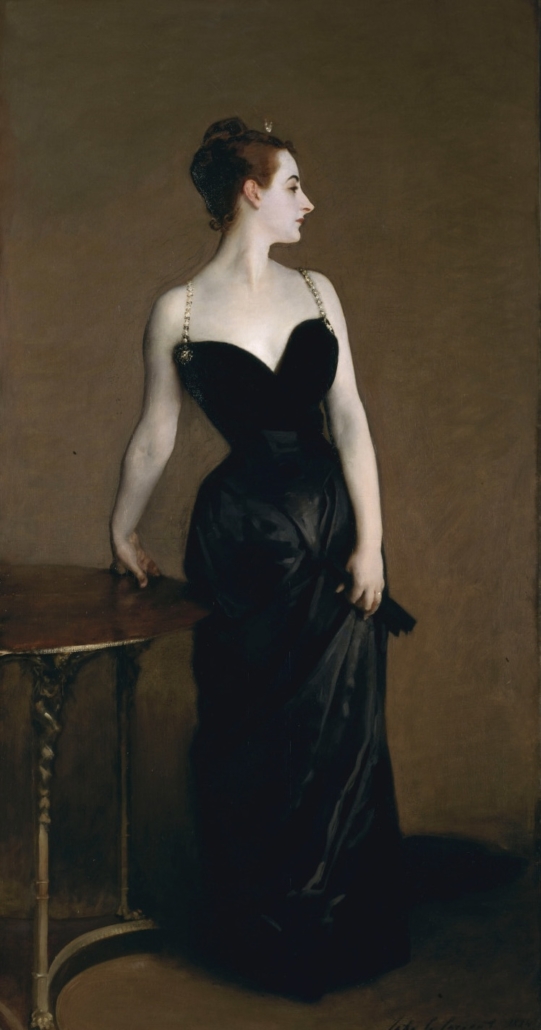
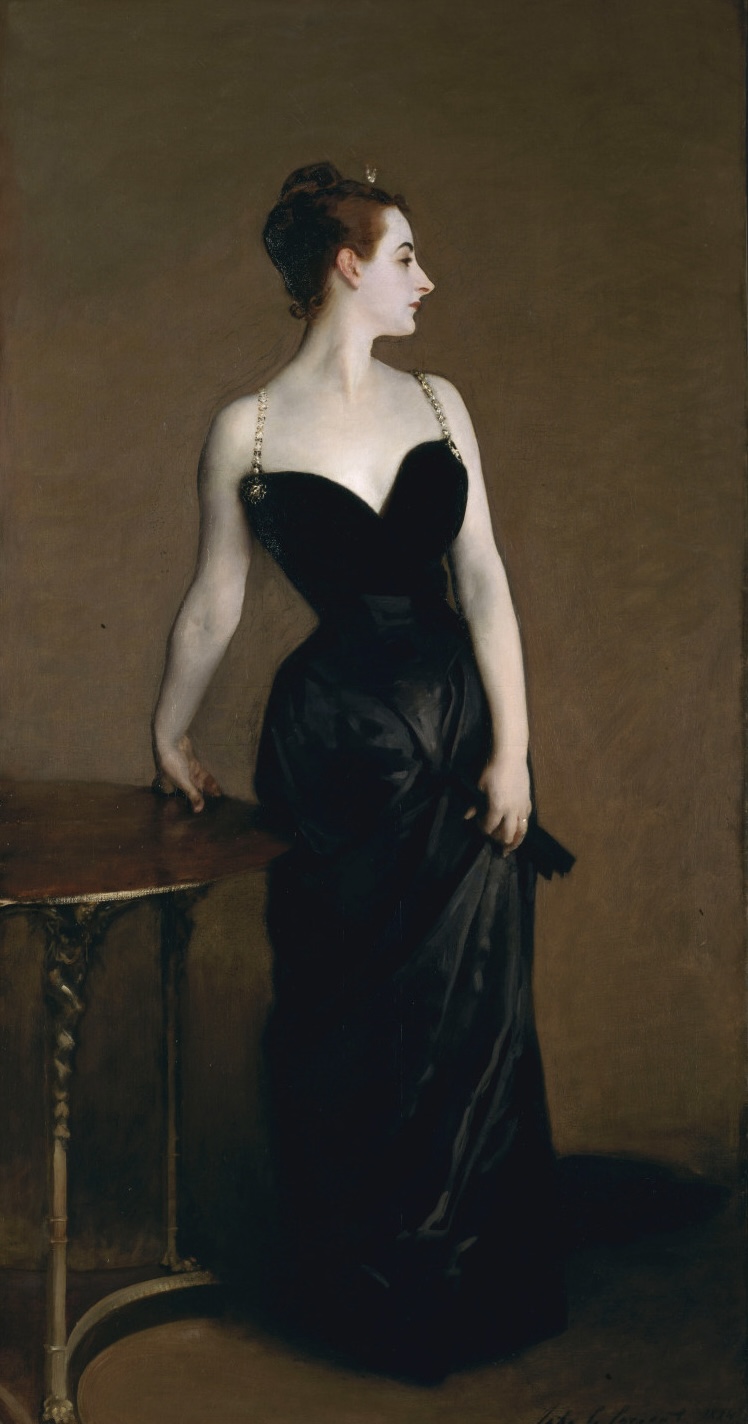
John Singer Sargent (Florence, 1856 – Londres, 1925) est, avec James McNeill Whistler, l’artiste américain le plus célèbre de sa génération et sans doute l’un des plus grands peintres du XIXe siècle et du début du XXe siècle. Adulé aux États-Unis (son portrait de Madame X est considéré comme la Joconde de la collection d’art américain du Metropolitan Museum of Art à New York), il est aussi célébré au Royaume-Uni où il a effectué la majeure partie de sa carrière. En France, cependant, son nom et son œuvre restent très largement méconnus, ce que l’exposition du musée d’Orsay à l’automne 2025 espère changer.
Si en 2007 l’exposition Peintres de la lumière. Sargent & Sorolla (Paris, musée du Petit Palais) avait pu permettre de présenter l’artiste au public français, aucune exposition monographique ne lui jamais été consacrée. C’est pourtant bien dans l’hexagone, et plus précisément à Paris, que le jeune peintre s’est formé, a développé son style et son réseau d’artistes, a connu ses premiers succès et a réalisé parmi ses plus grands chefs-d’oeuvre comme le Dr Pozzi chez lui (1881, Hammer Museum, Los Angeles) ou les Filles d’Edward Darley Boit (1882, Museum of Fine Arts, Boston).
Conçue en partenariat avec le Metropolitan Museum of Art de New York, l’exposition « Sargent. Les années parisiennes » vise à faire découvrir ce peintre à un large public. L’exposition réunit plus de 90 œuvres de John Singer Sargent, dont certaines n’ont jamais été présentées en France. Elle retrace l’ascension fulgurante du jeune artiste, arrivé à Paris en 1874 à l’âge de 18 ans pour étudier avec Carolus-Duran. L’exposition couvre son parcours jusqu’au milieu des années 1880, période où il s’installe à Londres après le scandale suscité par son portrait de Madame Gautreau (Madame X) au Salon.
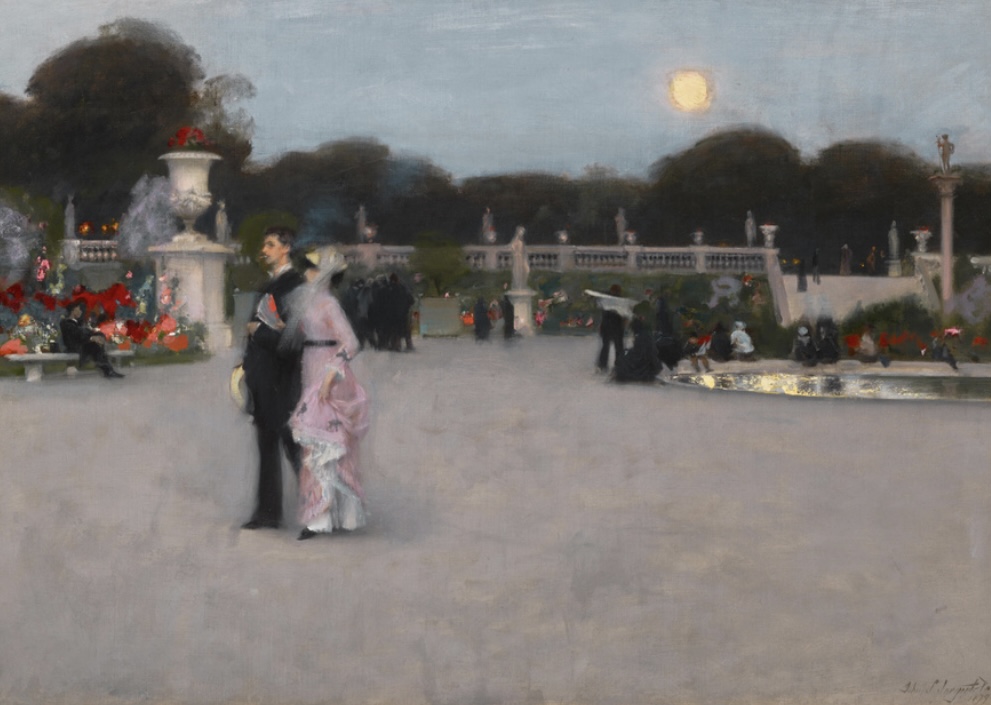
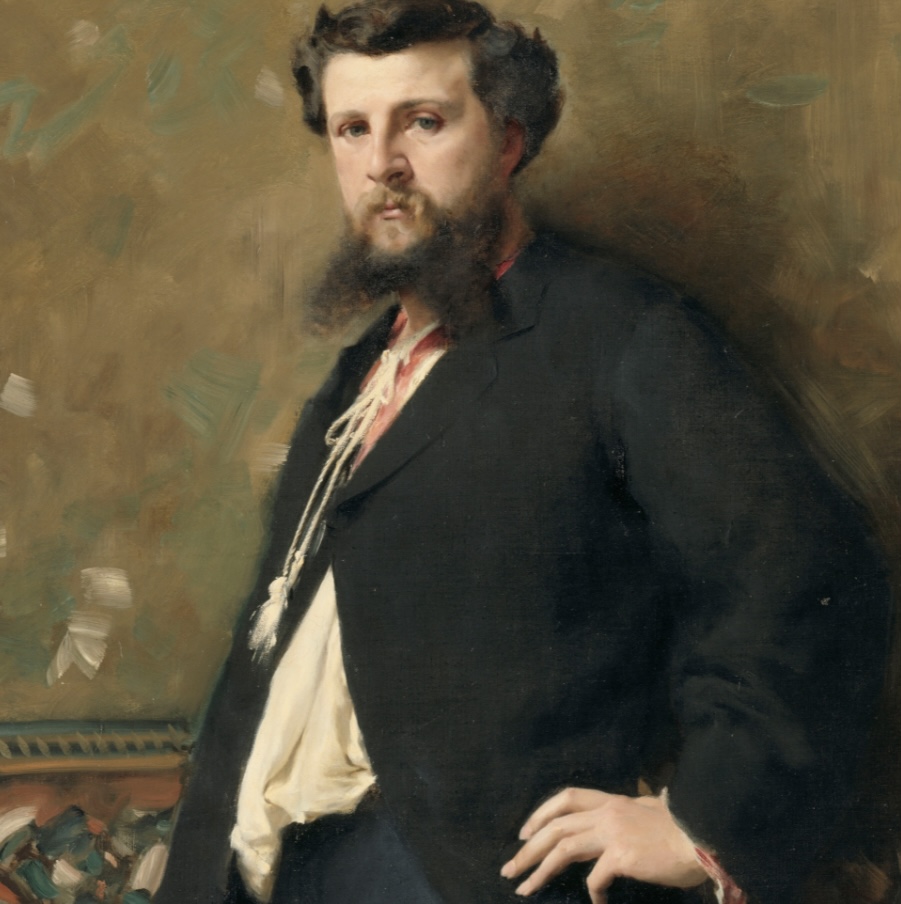
Pendant cette décennie, Sargent forge à la fois son style et sa personnalité dans le creuset de l’étourdissant monde de l’art parisien, marqué par la multiplication des expositions, le développement du naturalisme et de l’impressionnisme et la montée en puissance de Paris comme capitale mondiale de l’art. Le jeune peintre américain y trouve des soutiens auprès d’autres expatriés mais s’intègre aussi avec brio à la société française en forgeant des liens avec un cercle d’artistes, d’écrivains, et de mécènes éclairés. Les nombreuses effigies que Sargent nous a laissé de ces personnalités brossent le portrait captivant d’une société en pleine mutation, très cosmopolite, où l’ancienne aristocratie européennes côtoie les jeunes fortunes du nouveau monde. Constamment en quête de nouvelles inspirations, Sargent dépeint peu la « vie parisienne » mais profite de son ancrage dans la capitale française pour effectuer de nombreux voyages en Europe ou en Afrique du Nord. Il en ramène de nombreux tableaux, paysages et scènes de genre, qui allient exotisme, mystère et sensualité. Mais c’est dans le domaine du portrait que Sargent s’impose comme l’artiste le plus talentueux de son temps, surpassant ses maîtres et égalant les grands artistes du passé. Sa formidable habileté technique, le brio de sa touche, le chatoiement de ses couleurs et l’assurance provocante de ses compositions troublent le public et séduisent les critiques qui voient en lui le digne héritier de Velázquez. Commentant en 1883 l’un de ses tableaux les plus originaux, le Portrait des Filles d’Edward Darley Boit, l’écrivain américain Henry James, ami de Sargent, note que l’artiste « offre le spectacle étrangement inquiétant d’un talent qui au seuil de sa carrière n’a déjà plus rien à apprendre ».
En 1884, le portrait de Virginie Gautreau, que Sargent viendra plus tard à décrire comme « la meilleure chose qu’il ait jamais faite », suscite cependant des réactions hostiles au Salon. Elles visent notamment à la moralité du modèle, et témoignent des enjeux mondains et sociaux de l’art du portrait « public » en France à la fin du XIXe siècle. Une section particulière de l’exposition est dédiée à ce moment de la carrière de Sargent et à ce tableau, prêté exceptionnellement par le Metropolitan Museum of Art et visible à Paris pour la première fois depuis… 1884 !
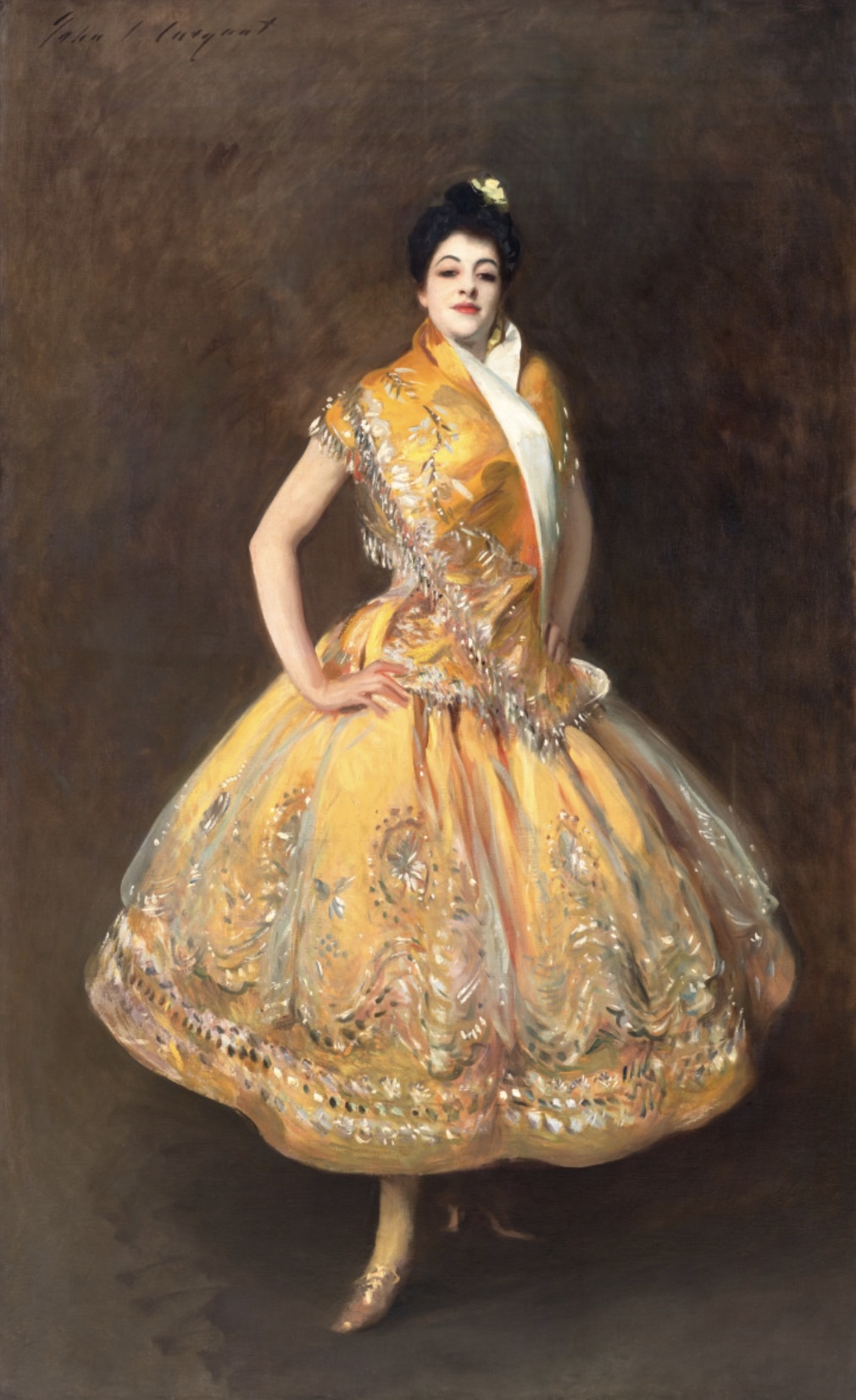
Fondée sur un travail de recherche poussé, « Sargent. Les années parisiennes » prend aussi la mesure des liens durables que l’artiste conserve avec sa ville de formation, et ce même après son déménagement à Londres. Son engagement en faveur de l’entrée d’Olympia de Manet, artiste qu’il admire, dans les collections nationales en 1890, en témoigne. C’est encore en France que Sargent connaît une première forme de reconnaissance institutionnelle, lorsque l’État fait l’achat de son portrait de la danseuse Carmencita pour le musée du Luxembourg en 1892.