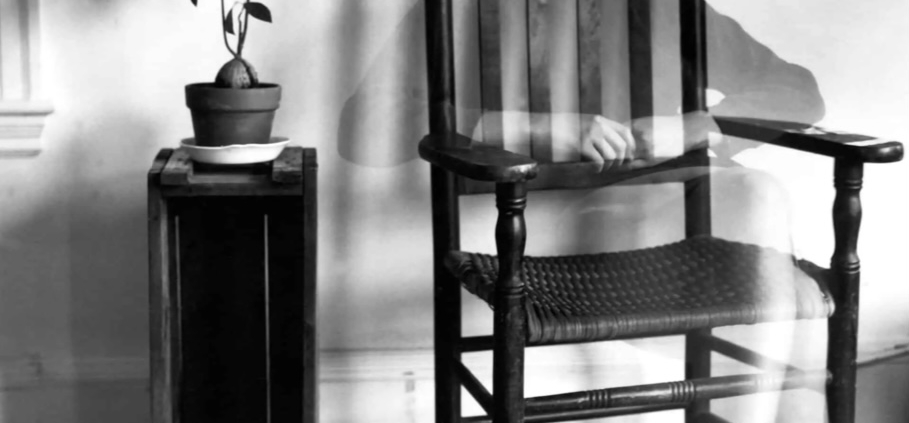
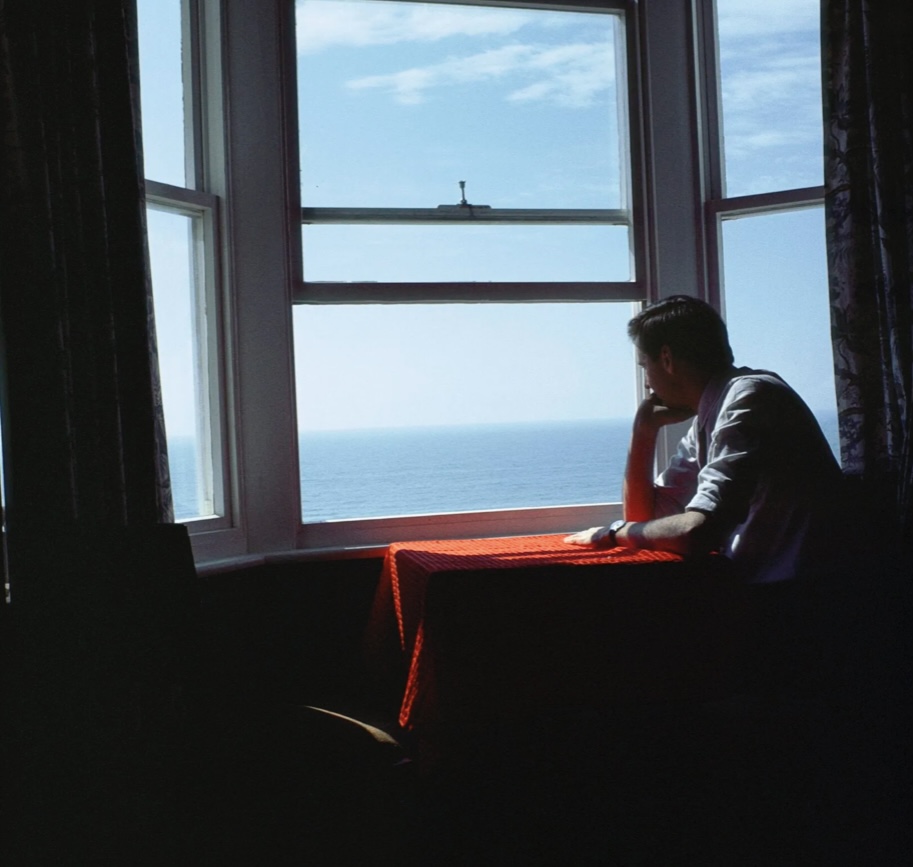
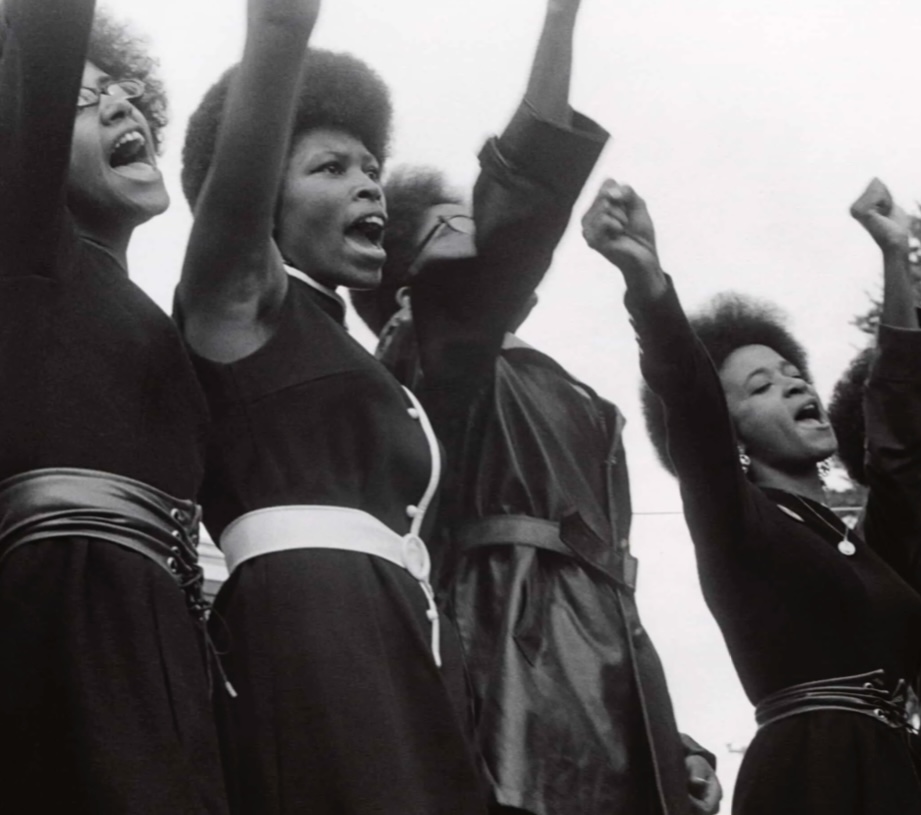
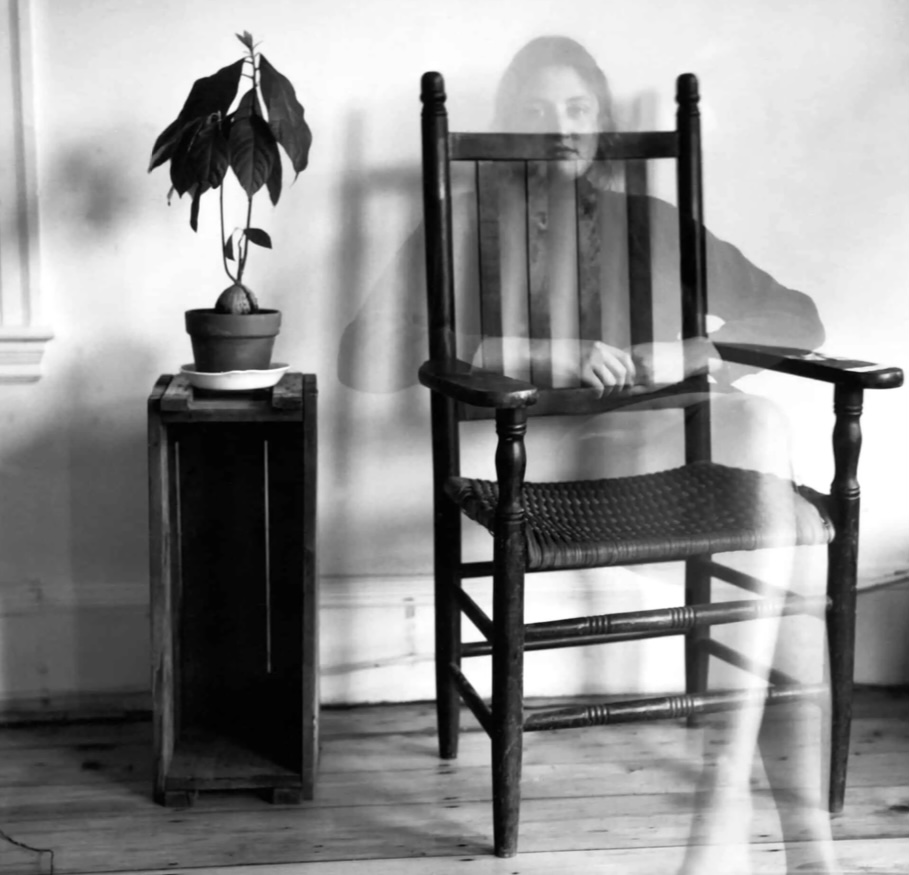
Photographs from the collection of Sir Elton John and David Furnish
“Just as when writing a song, when taking a photograph there is a bit of luck and chance – something happens at the right time and you have to be smart enough to press the shutter release.”
Sir Elton John
Célébrant plus de 30 ans de collection, l’exposition rend hommage à la passion de Sir Elton John et David Furnish pour la photographie reflétant à la fois leur goût personnel et leur regard unique en tant que collectionneurs. Sélectionnées parmi leur collection de plus de 7000 images, les photographies présentées sont des images emblématiques qui explorent la connexion entre la force et la vulnérabilité inhérentes à la condition humaine.
A history of modern and contemporary photography, this exhibition brings together an exceptional selection of the world’s most important photographers with works dating from 1950 to the present day. Adapted from the exhibition presented at the Victoria and Albert Museum between May 2024 and January 2025, the exhibition explores, through five thematic sections, subjects such as desire, fashion, celebrities, the assertion of identities, and photojournalism.
Parmi les artistes présentés, on retrouve Robert Mapplethorpe, Harley Weir, Irving Penn, Diane Arbus, Ai Weiwei, Herbert List, et bien d’autres, ainsi qu’une installation monumentale de 149 tirages de Nan Goldin tirés de sa série Thanksgiving.
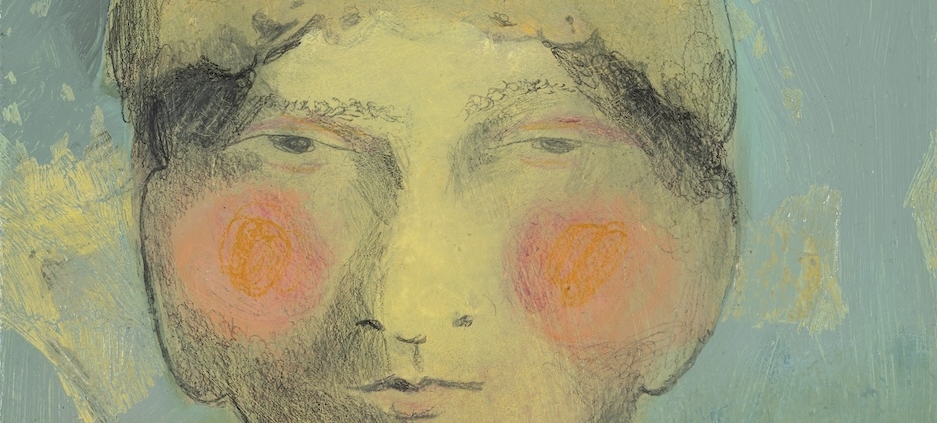
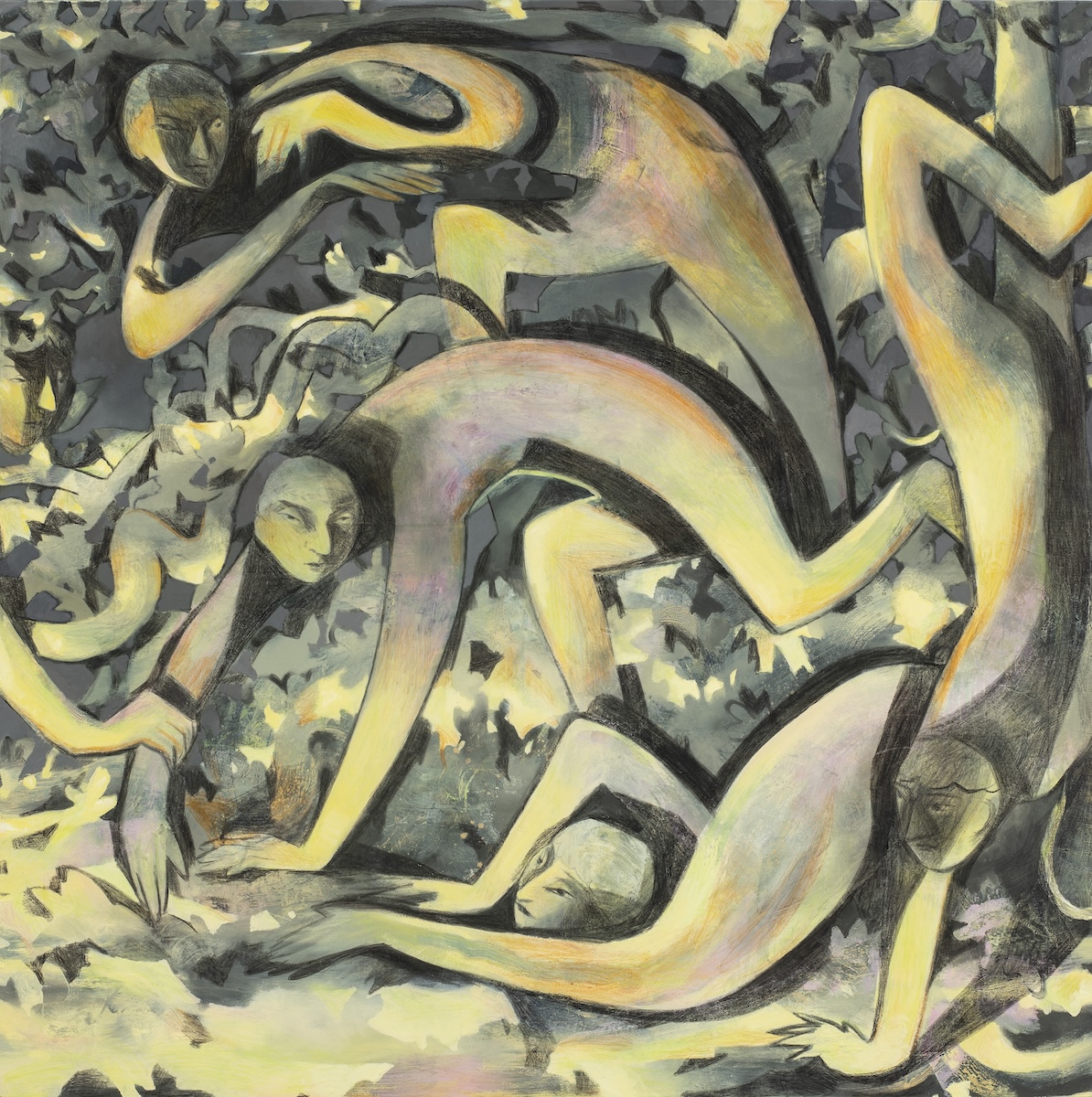
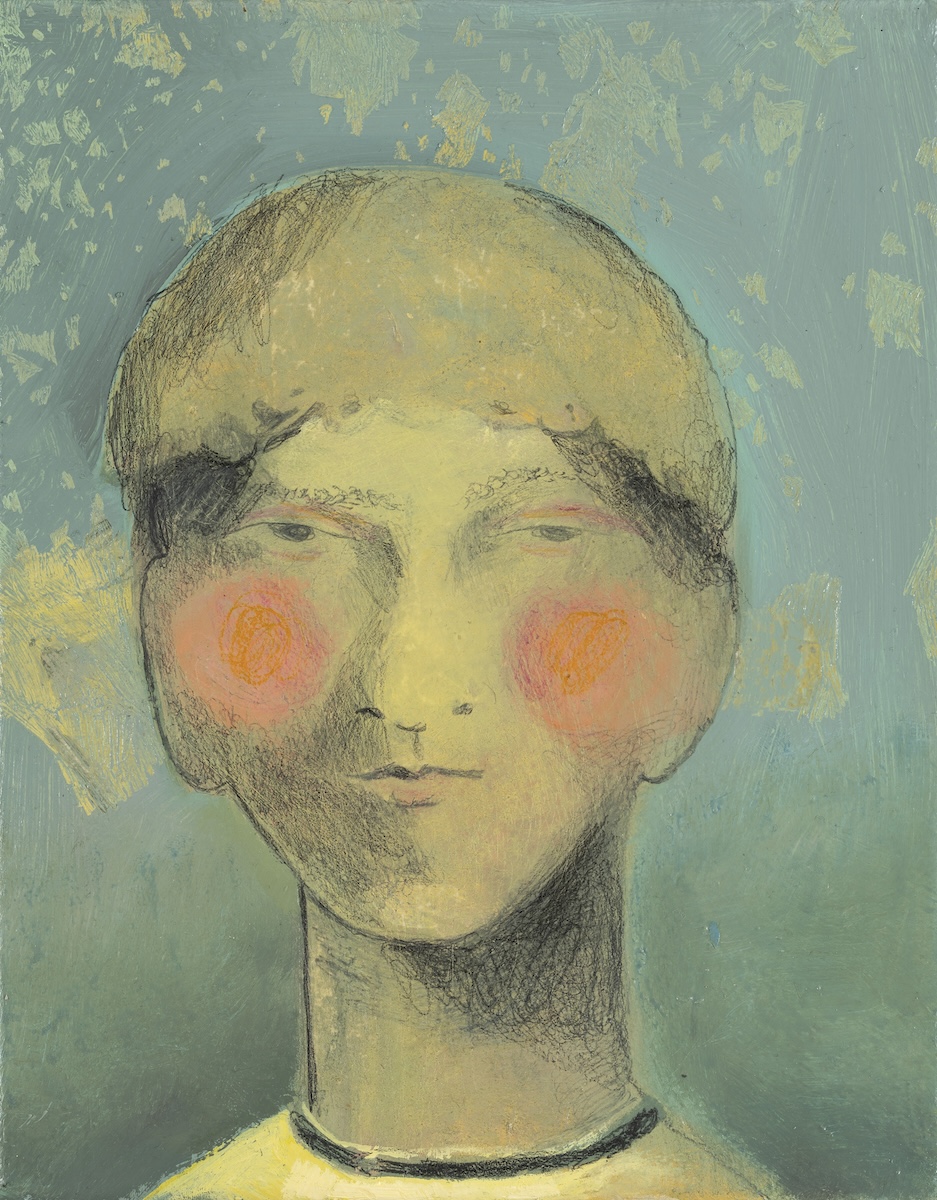
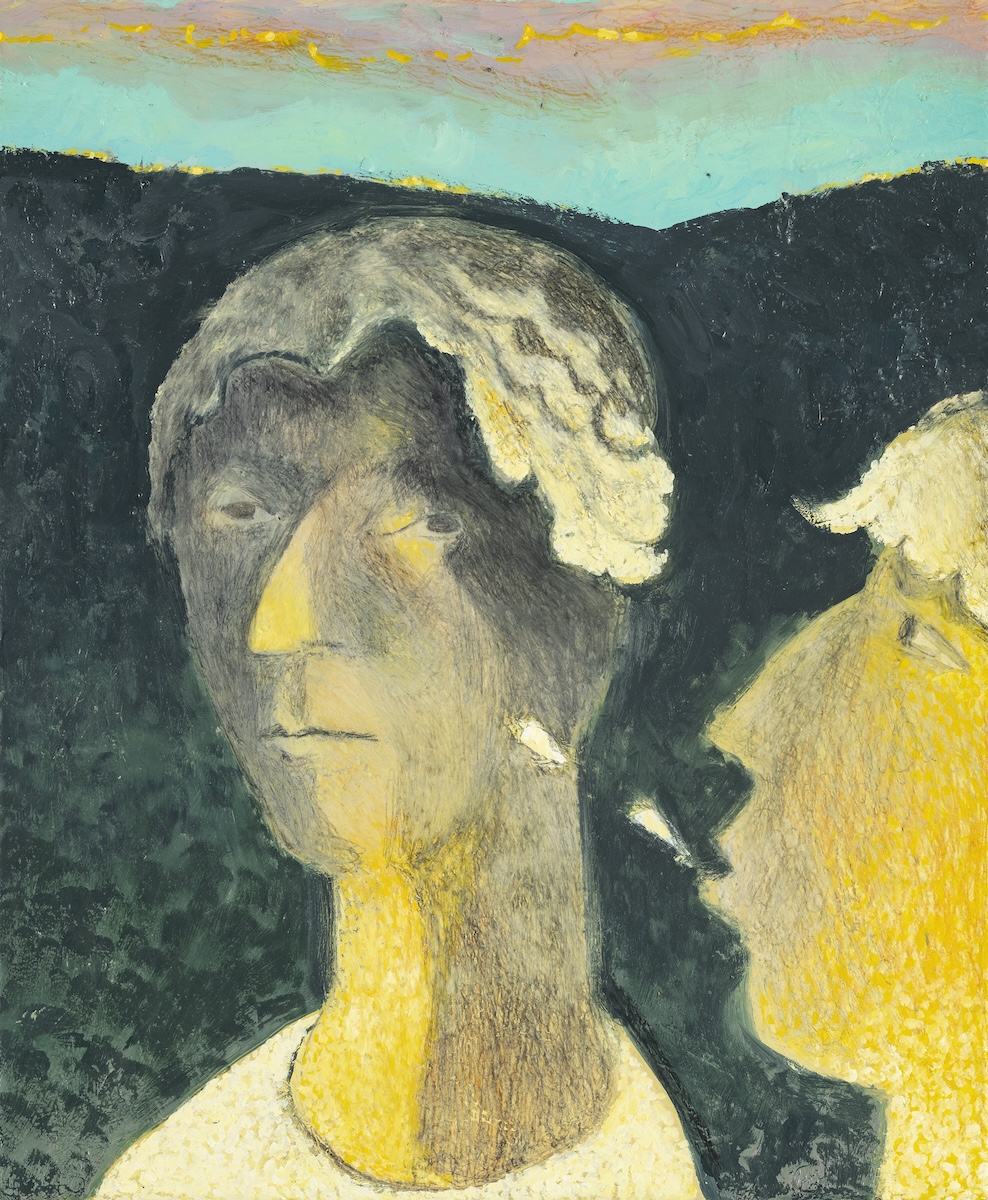
First solo exhibition in France by the Italian painter Luca Ceccherini (born in 1993). Grammar is among the languages that precede grammar. Popularized by Dario Fo (1926–2016), winner of the 1997 Nobel Prize in Literature, in his masterpiece Mistero Buffo, it is a mixture of sounds, rhythms, and gestures—drawn from the tradition of the giullari, the jester-jugglers of medieval Italy—that says everything without naming anything, without rules, without a dictionary. No rules, no dictionary, and yet immediate comprehension. Luca Ceccherini’s painting functions in the same way.
Grammelot brings together a collection of previously unseen works in which Ceccherini evokes the world of the giullari, the figures of the commedia dell’arte, and the landscapes of his Tuscan childhood. Acrobats, jesters, tightrope walkers, silhouettes emerging from the popular imagination: these figures inhabit the canvas like archetypes, familiar without being identifiable, anchored in a long time that overflows into the present.
Ceccherini trained in theater before dedicating himself to painting—and this initial tension is evident in every canvas. His figures do not seek to illustrate: they occupy space with the physical presence of the actor, inhabiting the surface with the same density as the tree trunks and forest edges that surround them. Just as Fo drew upon medieval folk tales to give voice to those ignored by official history, Ceccherini works with a silent collective memory—not to preserve it as in a museum, but to breathe new life into it through painting.
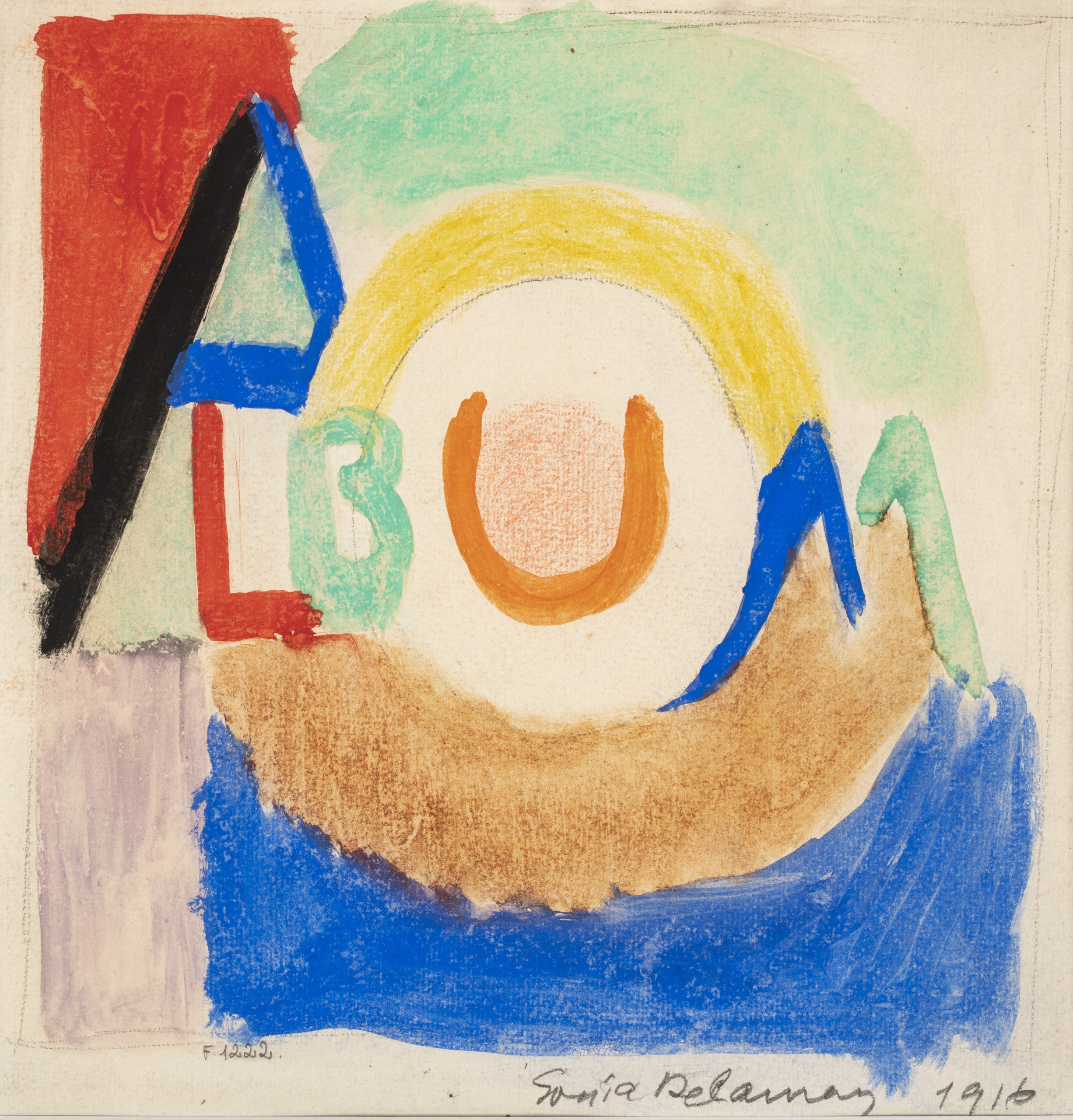
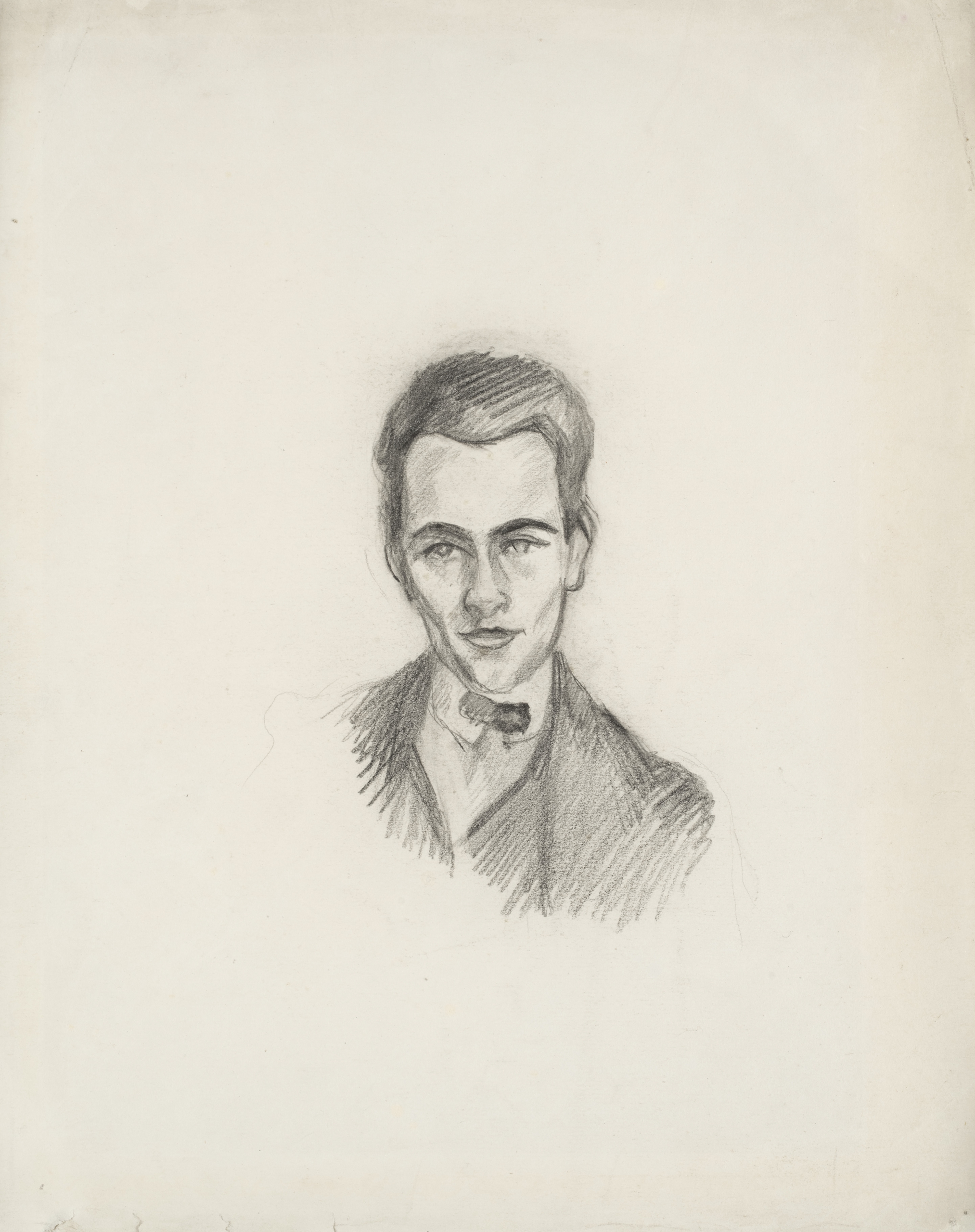
Galerie Zlotowski continues its in-depth work dedicated to Sonia Delaunay with Salon Sonia. The exhibition highlights the artist’s essential role in shaping an entire generation of creators and recreates the spirit of her artists’ salons in situ. A mentor to young artists and a loyal friend to writers, poets, and publishers, Sonia Delaunay spent her life hosting salons, notably at 16 rue Saint-Simon in the 7th arrondissement of Paris, where she lived and worked after the 1930s. The exhibition thus presents a unique dialogue, spanning the years, between Sonia Delaunay and six contemporary artists: Cécile Bart, Karina Bisch, Audrey Guttman, Sheila Hicks, Josselin Vidalenc, and Raphaël Zarka.
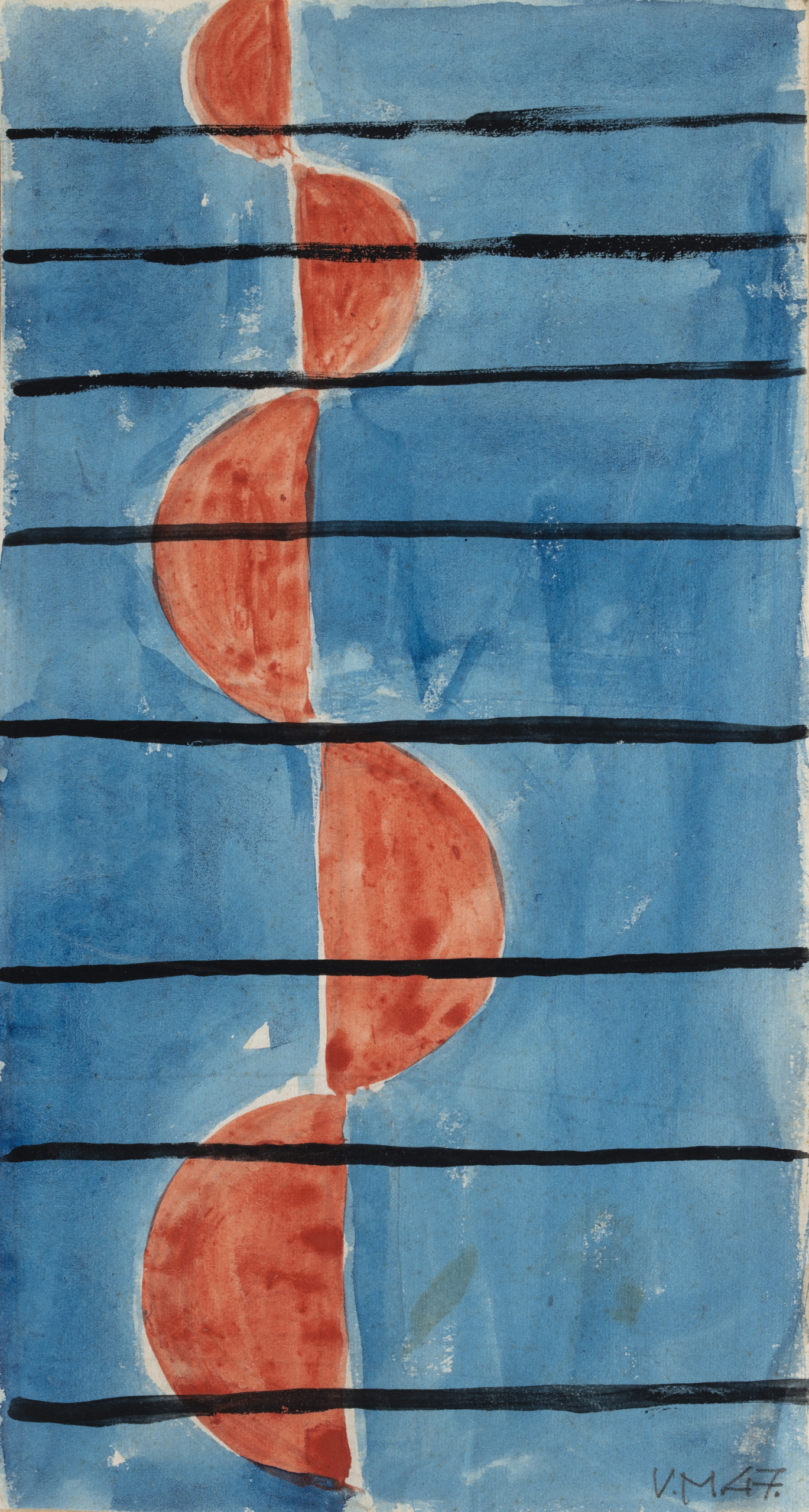
MOLNAR – Hommage-a-Sonia-Delaunay – 1947
Sonia Delaunay had an exceptionally long and varied career, beginning at the start of the 20th century and continuing tirelessly until her death in 1979. Her independent spirit and the multifaceted nature of her practice seem to resonate powerfully in contemporary art. She practiced a form of abstraction that was both conceptual, with an ultra-simple and recognizable vocabulary, and at the same time sensitive and vibrant, with an embrace of imperfection. The extraordinary number of media she explored and projects she participated in illustrates her rejection of hierarchies between artistic and craft practices. She always championed art “in life,” founding with Robert Delaunay the concept of “simultaneism” in action, which was notably exemplified in the 1920s by her entrepreneurial ventures in fashion, resulting in a prolific output of textile design.
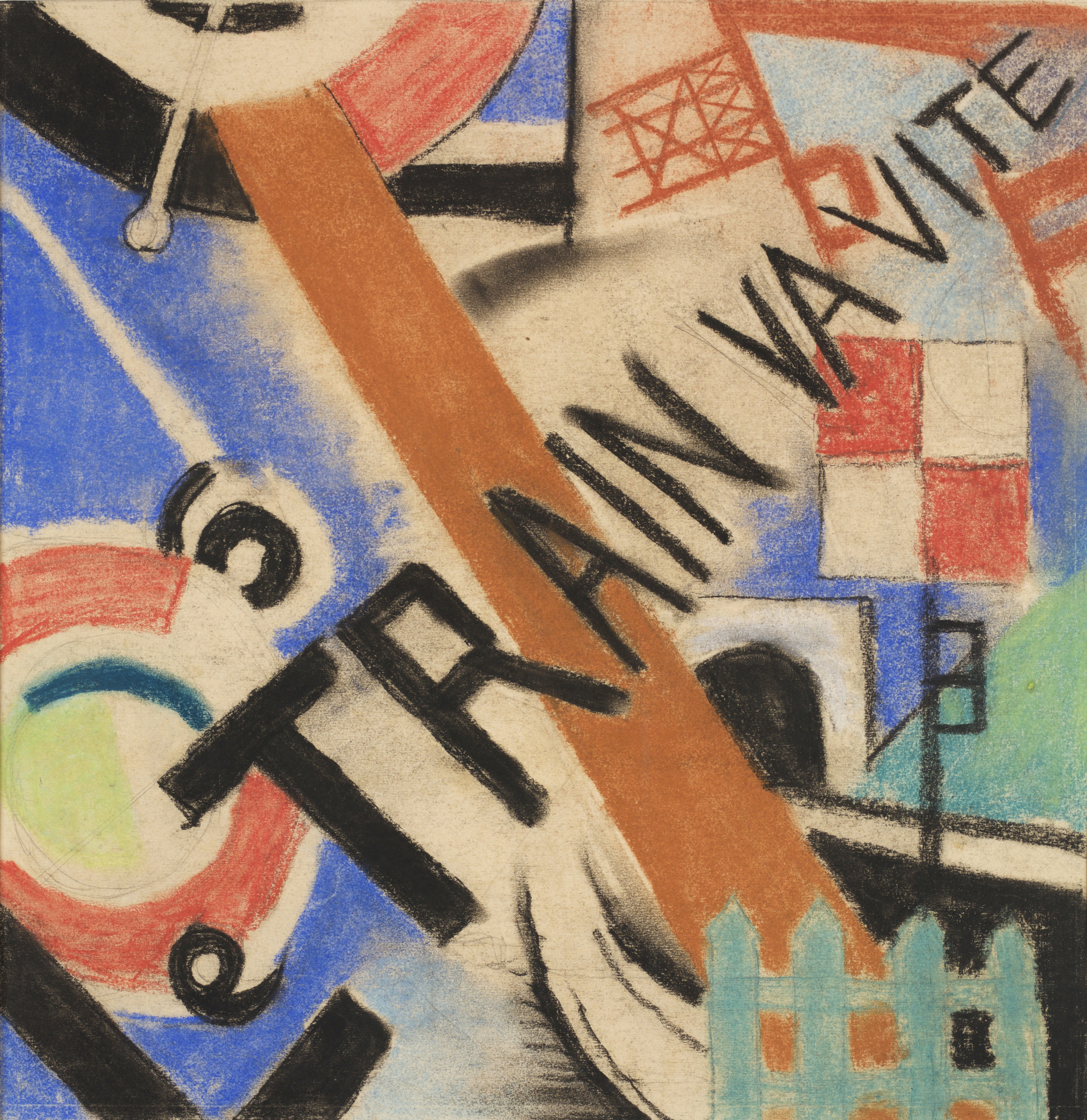
AUBLET – Train-va-vite – 1937
Sonia Delaunay’s artistic life was also marked by collaborations and encounters that gave rise to numerous projects guided by an emotional connection. These included, in chronological order, Blaise Cendrars, Amedeo de Souza Cardoso, Tristan Tzara, Felix Aublet, the Arp couple, and, in the 1960s, Jacques Damase, who brought a new energy to her work. The works in the “Salon Sonia” exhibition seem to follow these threads, each in their own way: unexpected and playful mediums, and pieces that place color at the heart of the composition—a principle to which Sonia Delaunay remained faithful throughout her life. This is not a solemn and devout tribute, but rather an informal salon celebrating a dynamic, vibrant, and sensitive artistic practice.
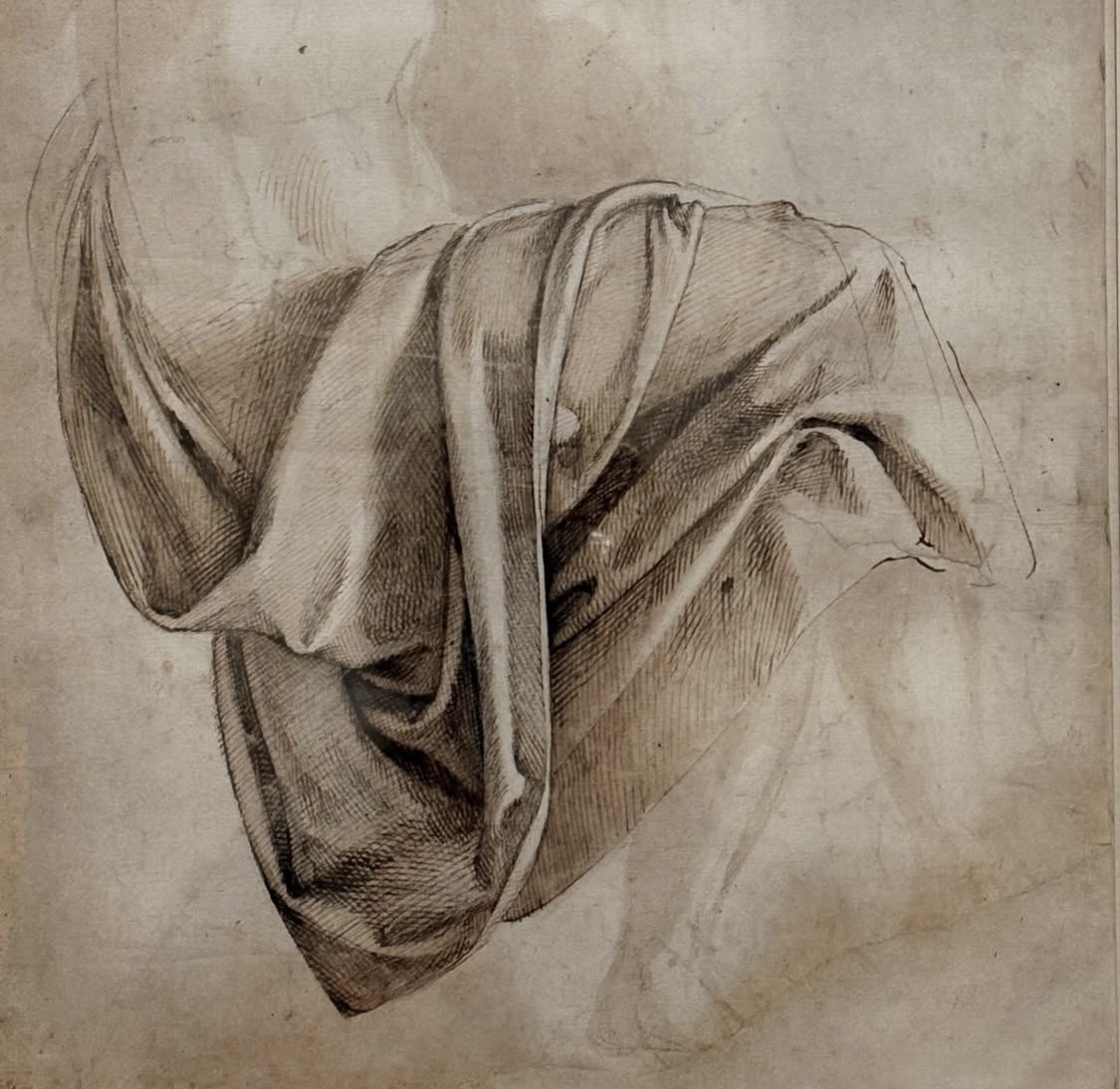
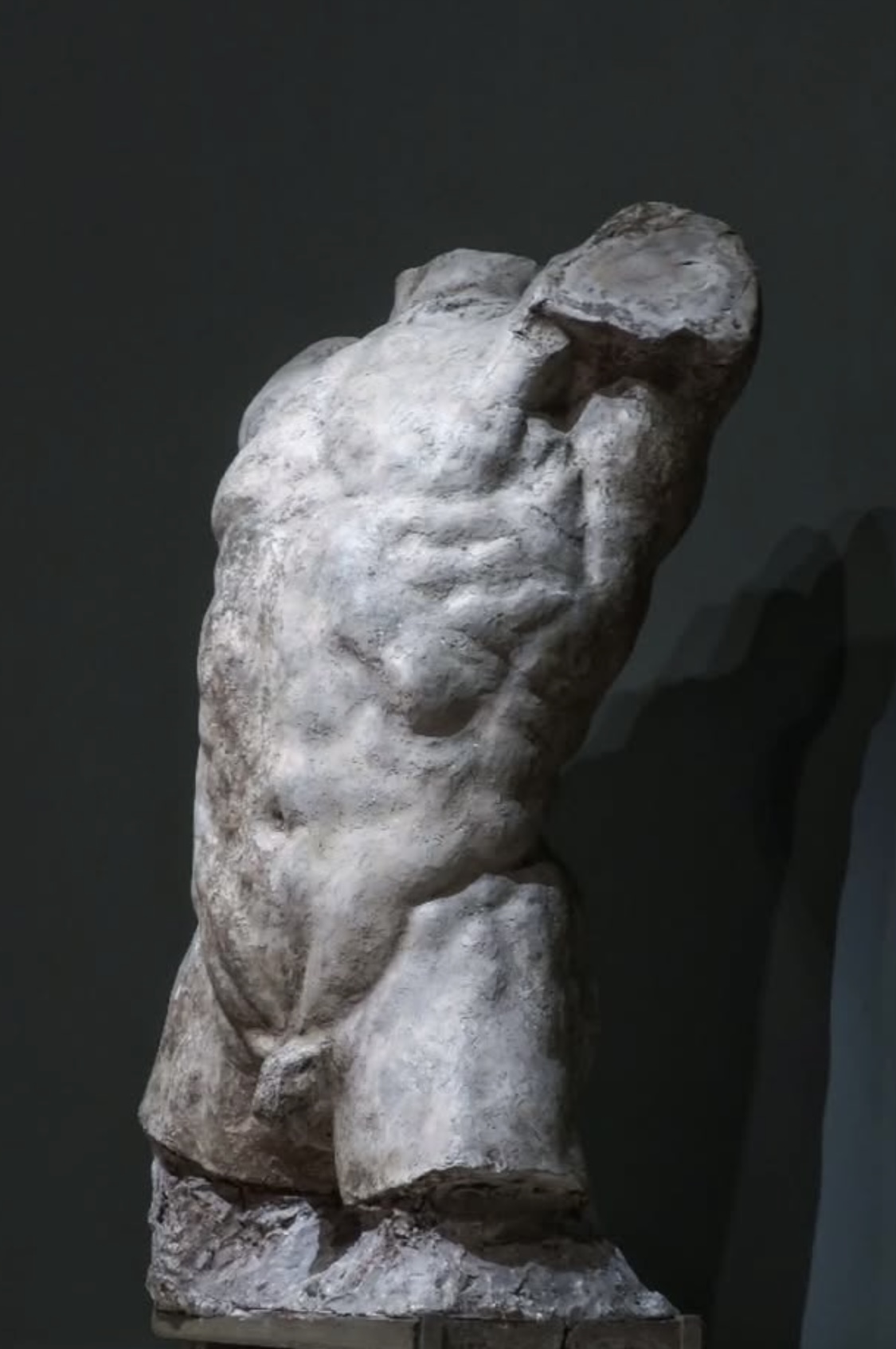
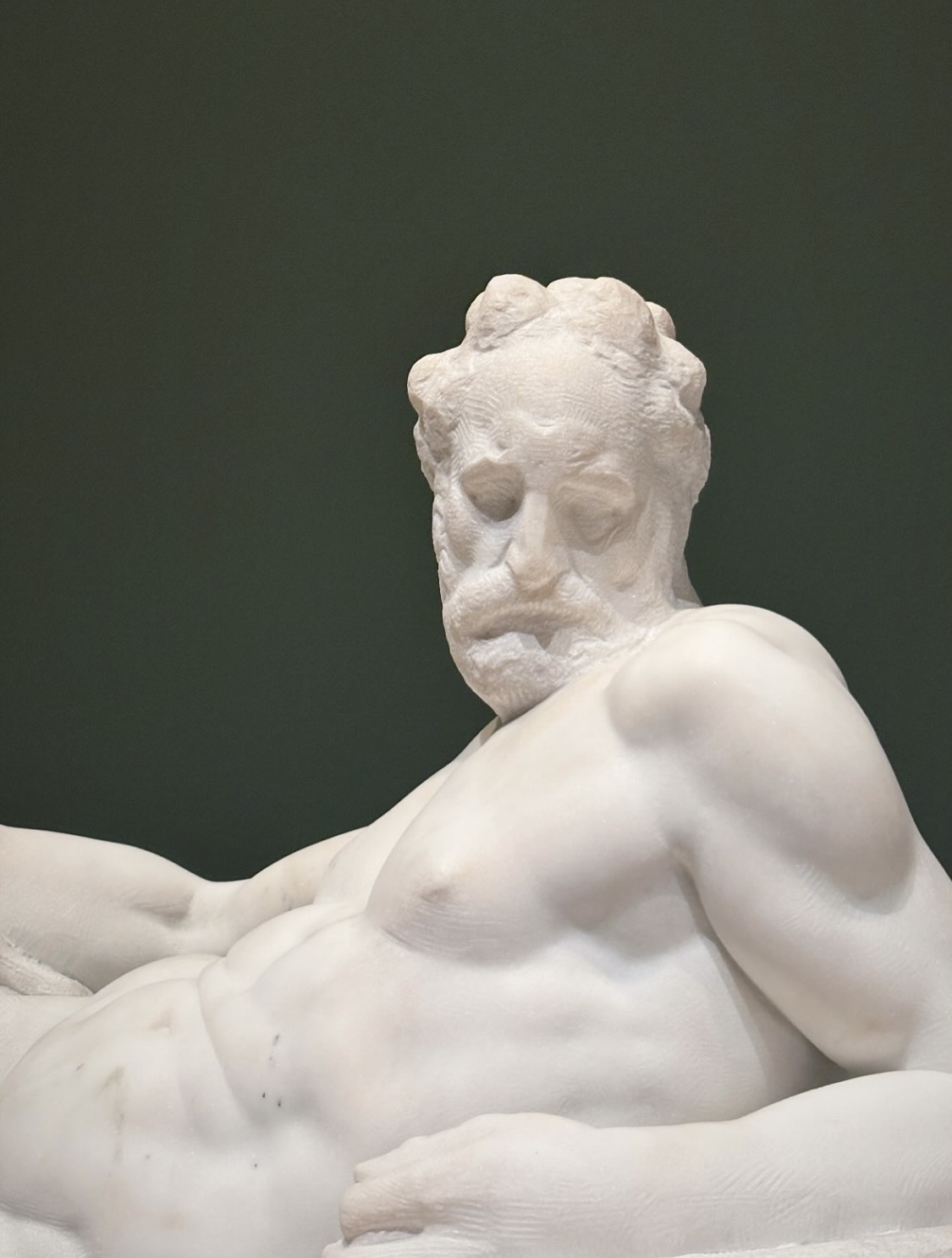
A legendary Florentine sculptor and painter of the Renaissance, Michelangelo is an artist whose legend began to take shape during his lifetime. Nicknamed “Il Divino” (The Divine One), he notably created the frescoes of the Sistine Chapel in Rome and the sculpture of David in Florence.
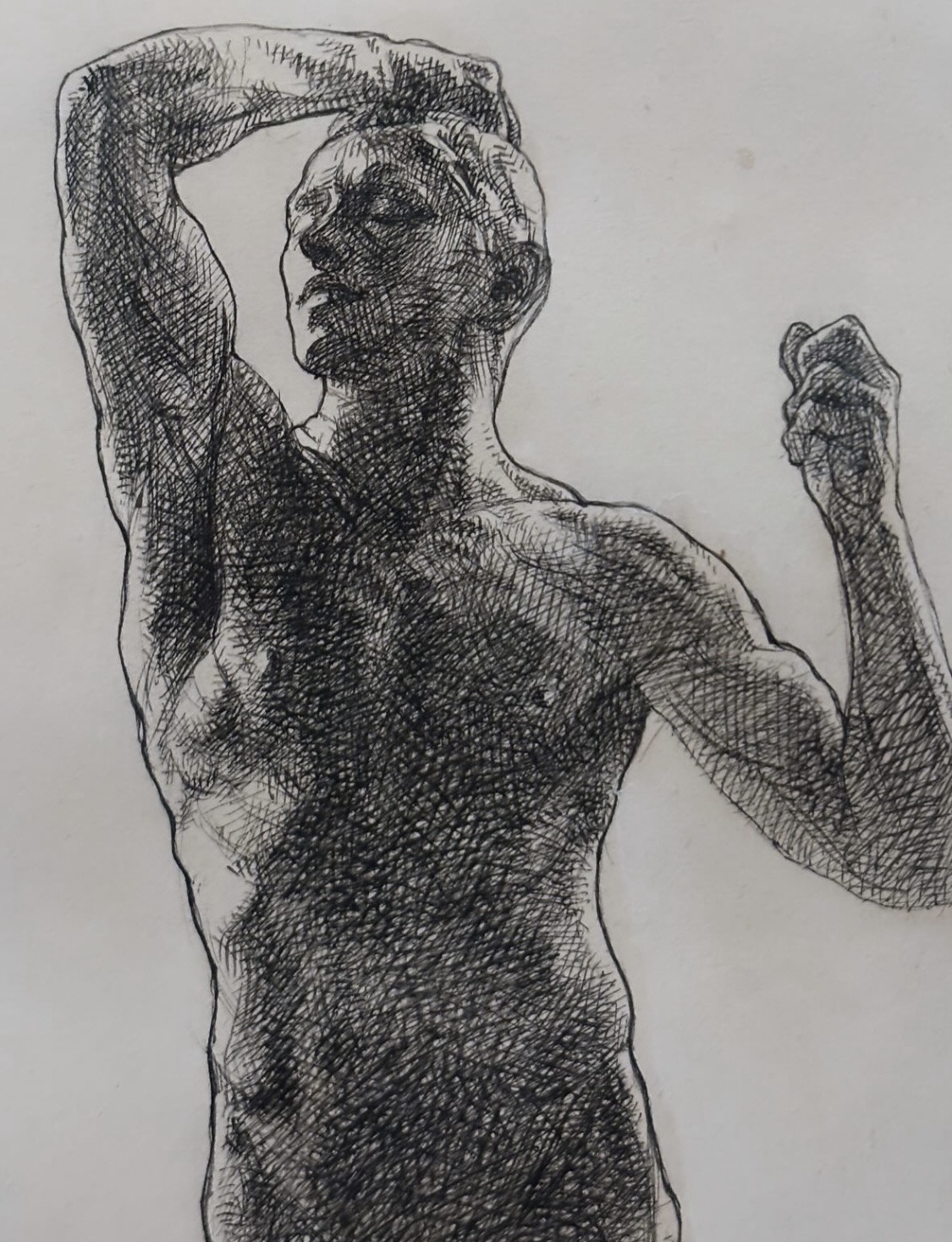
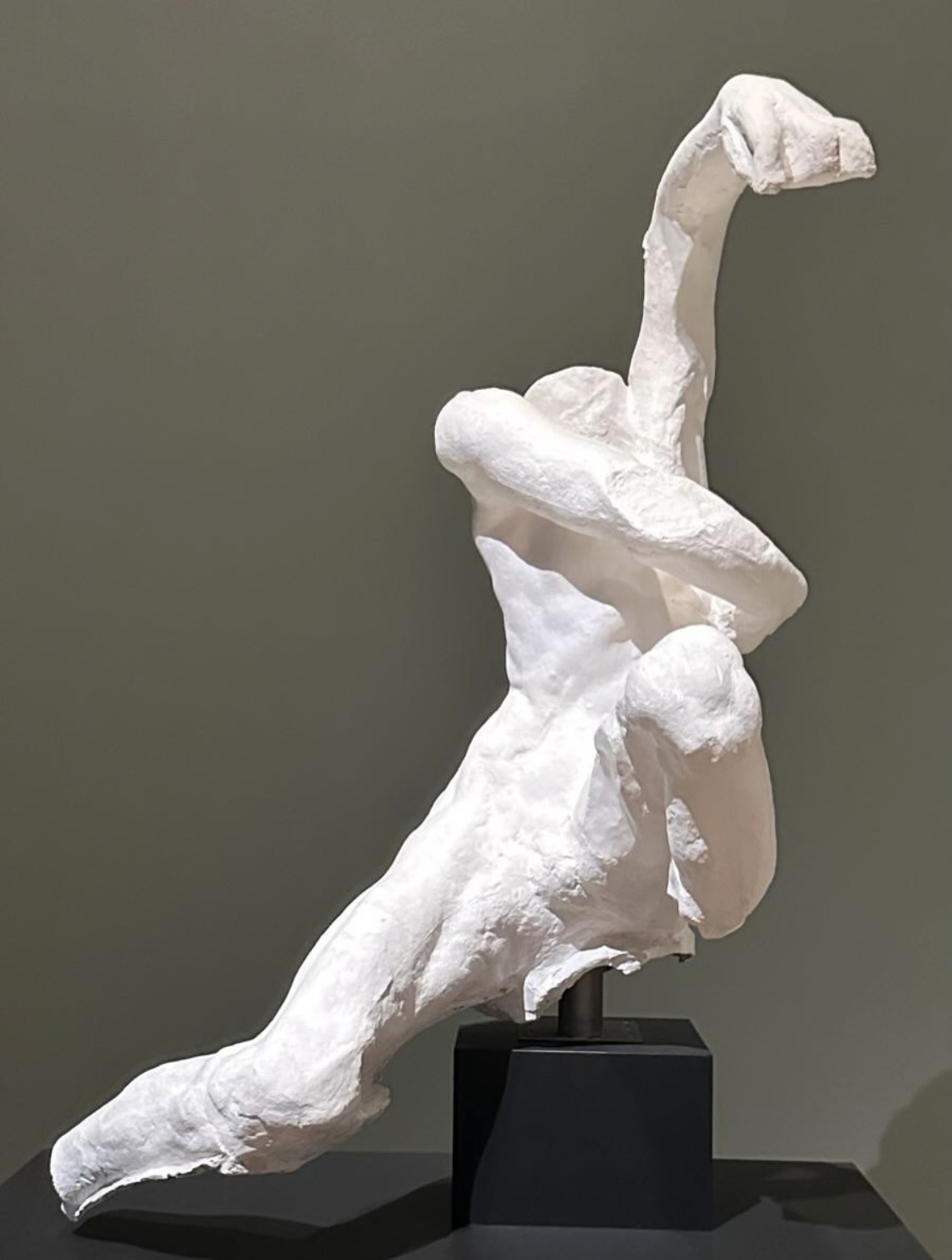
Auguste Rodin, one of the greatest French sculptors, was also recognized during his lifetime with iconic works such as The Thinker and The Gates of Hell. By prioritizing expression, movement, and the truth of the body rather than idealized perfection, he paved the way for modern sculpture.
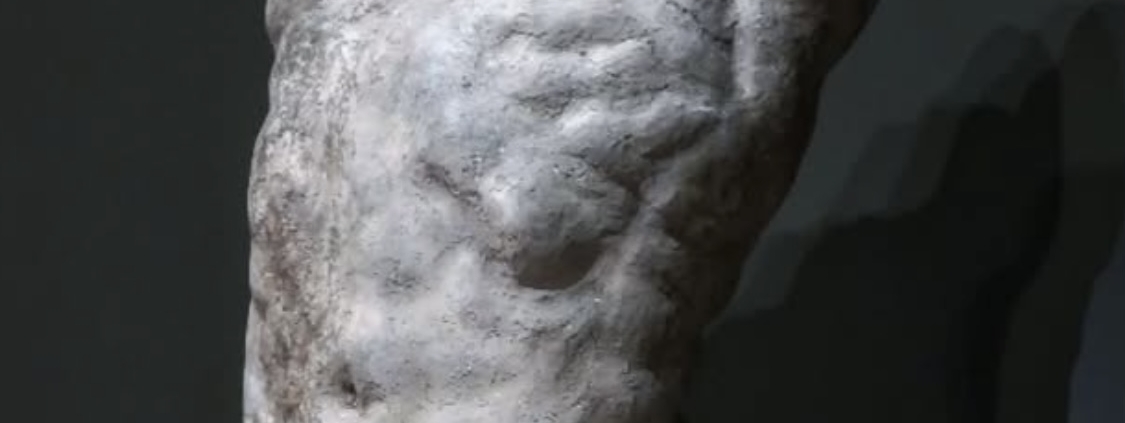
Bringing out the soul, infusing vital energy, is what guided the research of Michelangelo and Rodin. Their goal was to give life to inert matter: marble for Michelangelo, clay and plaster for Rodin. Both artists, who shared a passion for anatomy, sometimes distorted bodies to accentuate inner emotions. With his powerful figures, imbued with intense life, Michelangelo sought to breathe a soul into marble. Rodin, on the other hand, abolished the realistic aspect of the bodies, focusing instead on their vitality.
The presence of contemporary works in the exhibition testifies to the enduring relevance of the questions posed by these two masters. Their research continues to inspire contemporary artists and even the use of certain practices, such as non finito: the aesthetics of the unfinished. Michelangelo left behind numerous unfinished works. Was this intentional, or did he simply not pursue his creative vision to its fullest extent? In contrast, Rodin made non finito a fundamental principle of creation.
The exhibition continues outdoors with the flowering of the Tuileries garden inspired by the works of Michelangelo and Rodin.
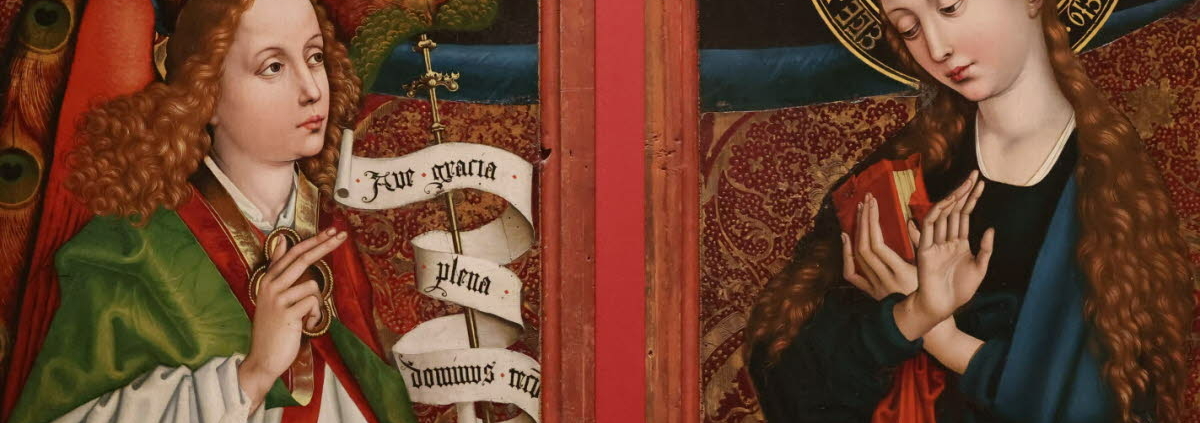
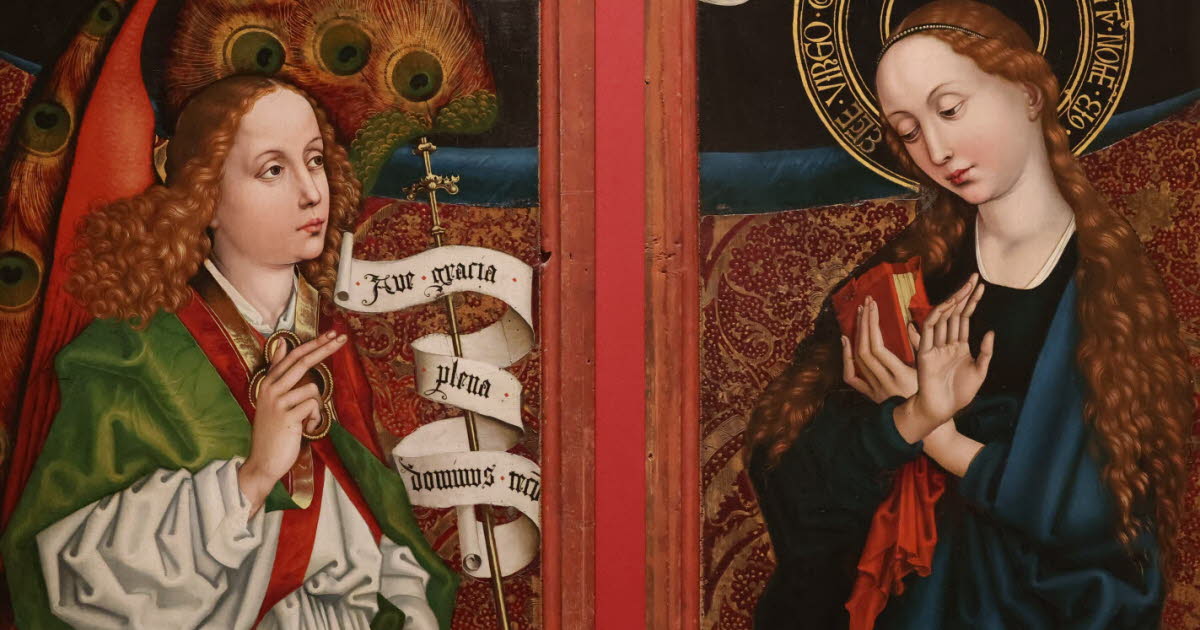
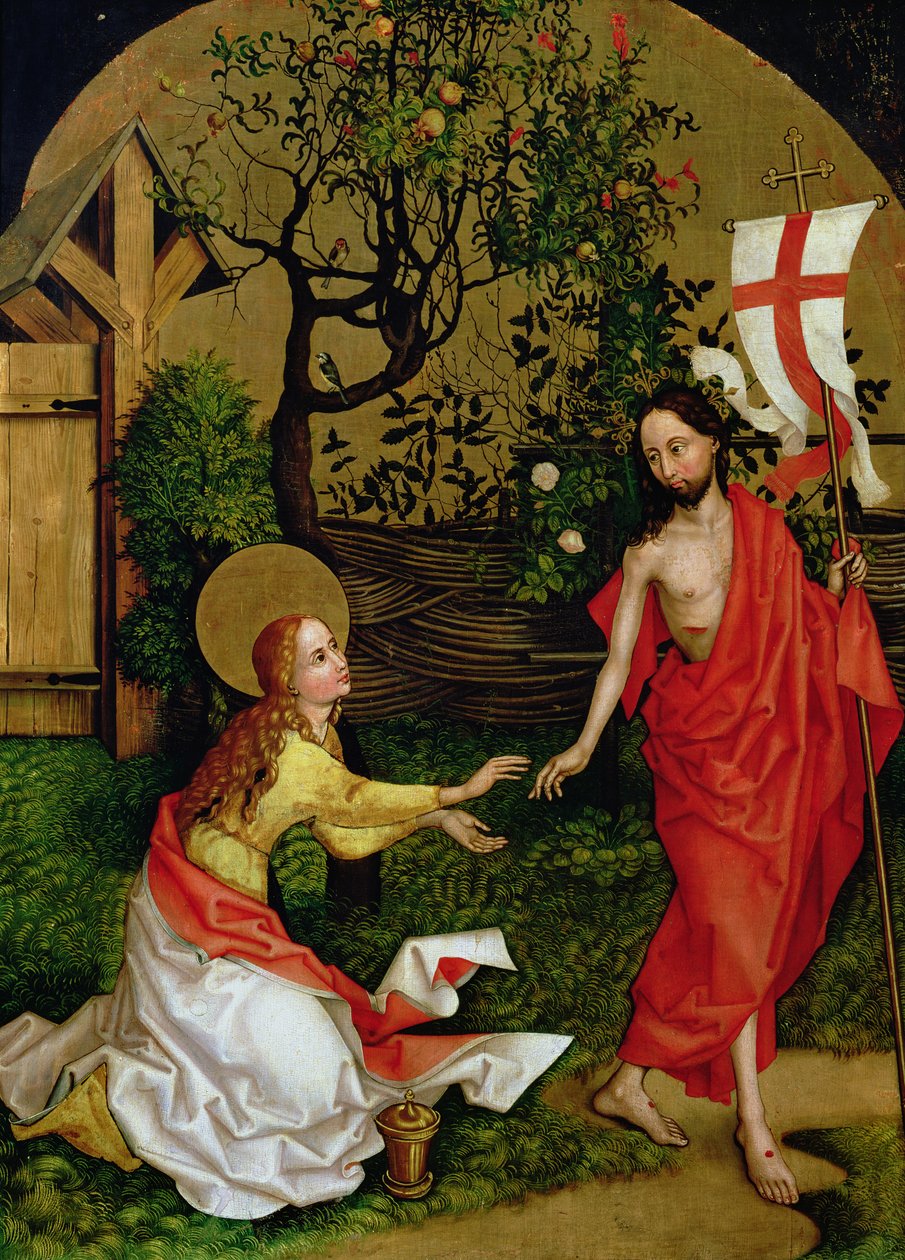
Martin Schongauer is one of the most important and popular German artists of the late Middle Ages. Born in Colmar around 1445 and died in Breisach in 1491, he established himself as a painter but owed his fame, even during his lifetime, to his work as an engraver. The son and brother of goldsmiths, he did not practice this trade himself but certainly learned the delicate handling of the burin in his father’s workshop, which he brought to a high degree of perfection.
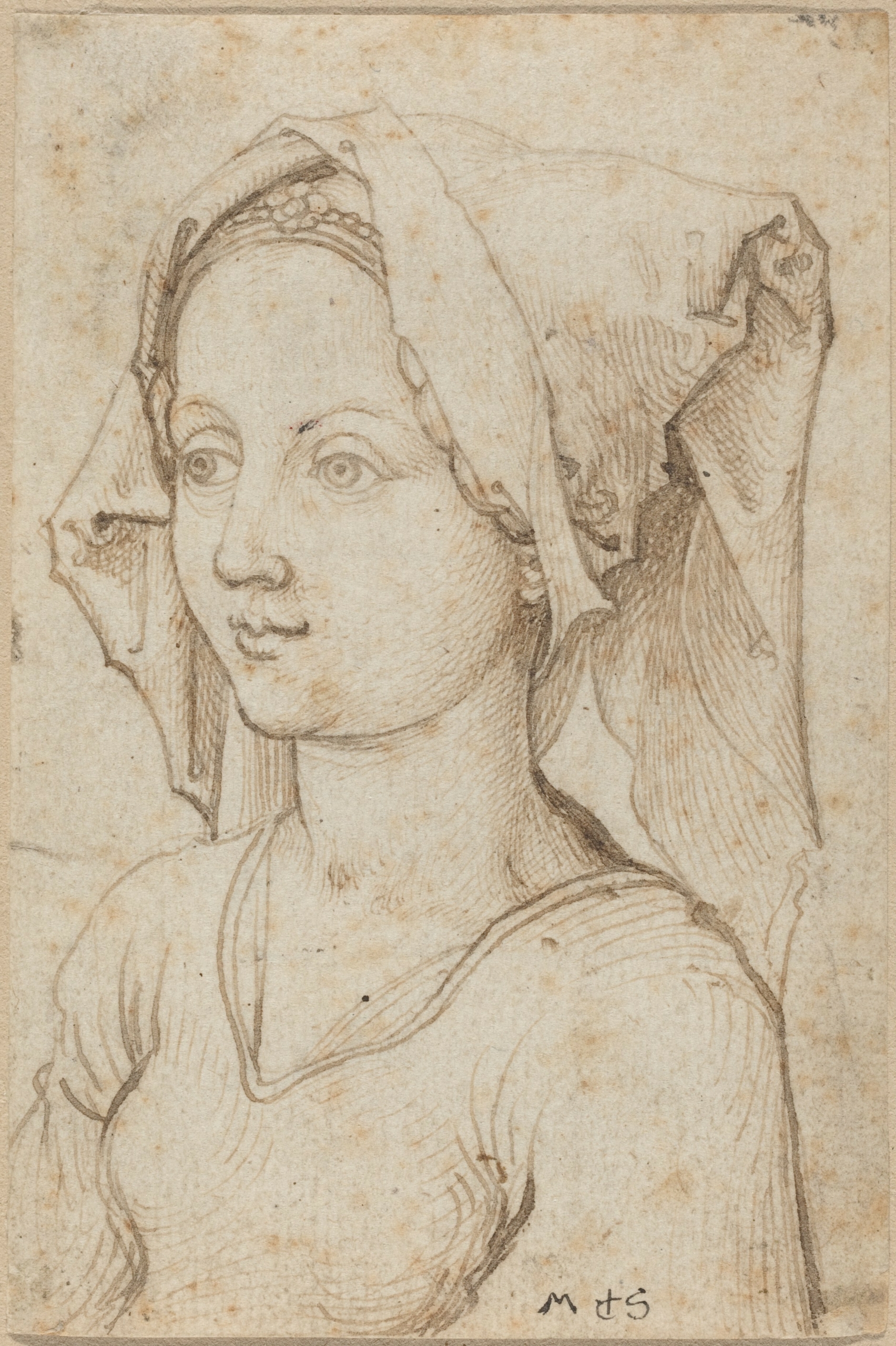
The exhibition presents a wide selection of his engraved and drawn works and, for the first time, almost all of his easel paintings and altarpieces, including the Virgin of the Rose Bush of 1473, his only dated painted panel. Schongauer reveals himself as a keen observer of nature, an inventive and delicate storyteller, but also as a learned artist.
Martin Schongauer’s widely circulated engravings captivated several generations of artists. Drawing on all the arts, the works presented in the second part of the exhibition, originating from a large part of the European continent and created up to the very beginning of the 17th century, allow us to appreciate this broad artistic reception of the works of “Beautiful Martin”.
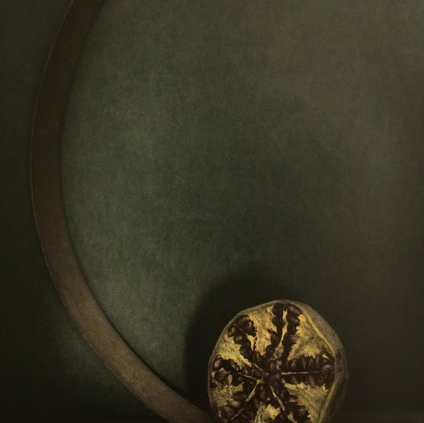
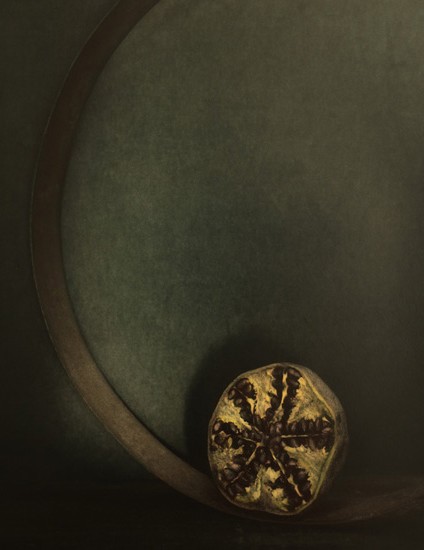
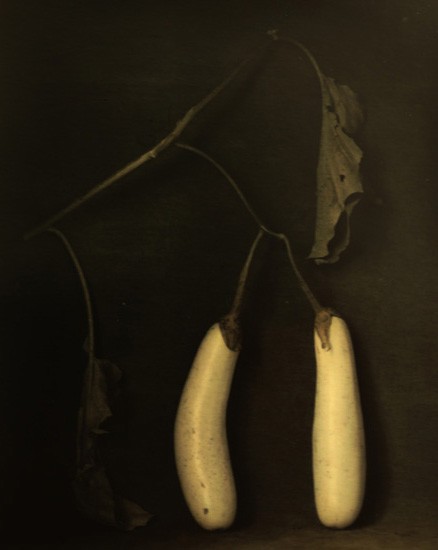
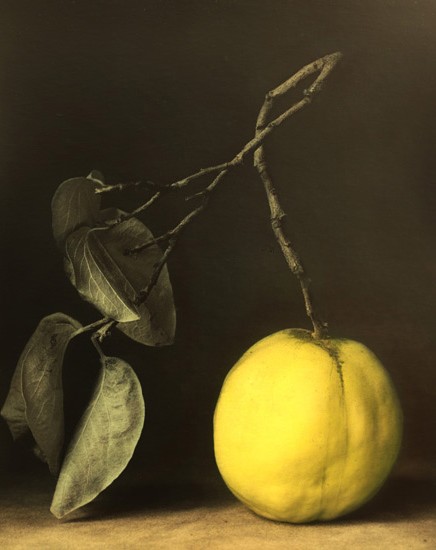
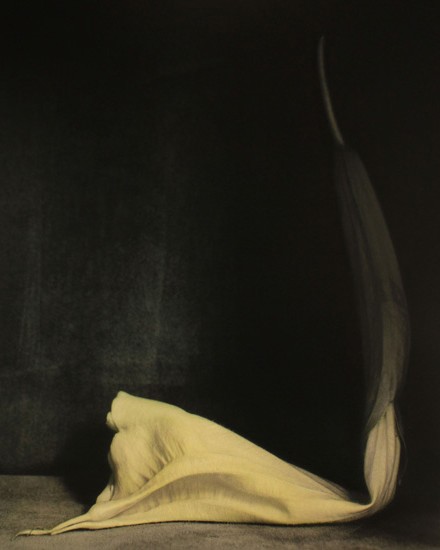
Ingar Krauss was born in 1965 in East Berlin. A self-taught artist, he began painting, then photography, while working as a night watchman in a psychiatric hospital to make ends meet. In the early 2000s, his work was shown in Germany before gaining international recognition with exhibitions in the United States, Italy, France, and elsewhere in Europe.
Ingar Krauss is a photographer, but he also keeps bees and cultivates a garden where flowers and vegetables grow. This activity plays a significant role in his life, and observing nature and working in the garden are his main sources of inspiration. He even sometimes chooses his crops based on the still lifes he plans to create. Thus, his two passions complement and nourish each other. Just as the gardener tries to control and order nature, the artist composes an image of the world: the gardener does with his shrubs and plants what the poet does with words, assembling them in such a way that they appear new and strange, and also, as if for the first time, completely themselves.
He takes his photographs in medium format, composes his still lifes in a box, and photographs them in natural light: without a studio or artificial lighting, he creates an intimate and private space, outside of time. This work evokes classical painting, which, in the light of north-facing studios, strove to meticulously transcribe the physical and spiritual presence of objects. But there is no symbolism to decipher in Ingar Krauss’s photographs; he simply invites us to savor the peaceful radiance of things, and also, thanks to his unique perspective, to appreciate their beauty in a new way.
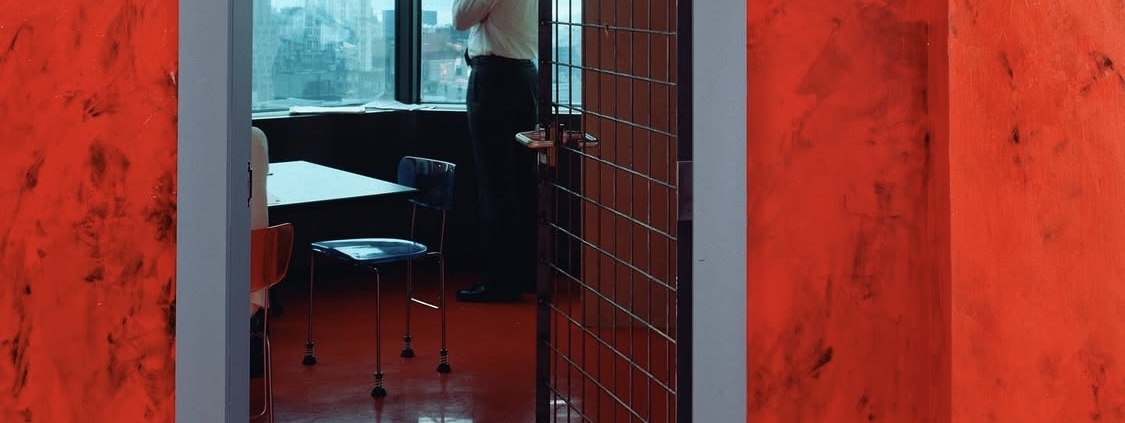
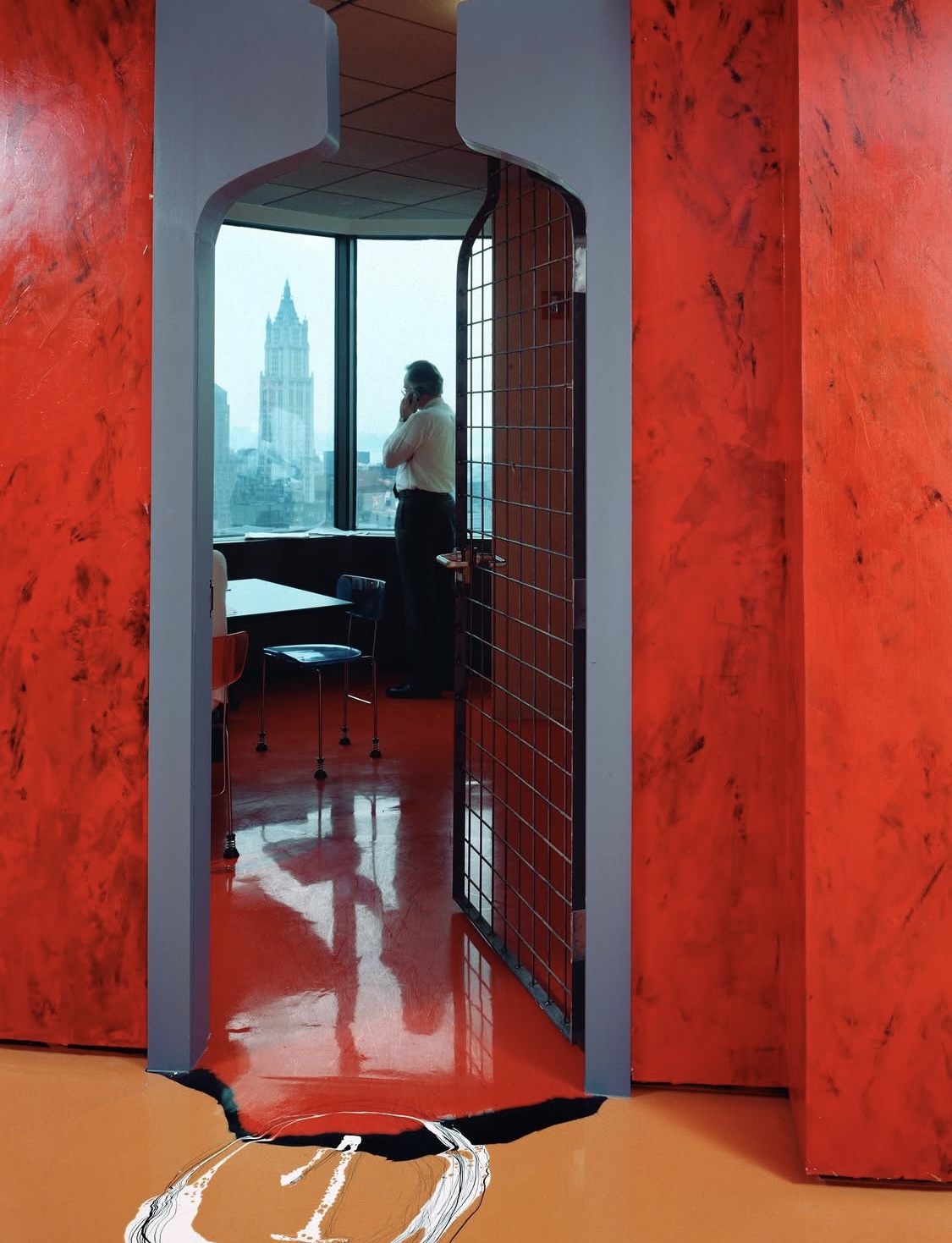
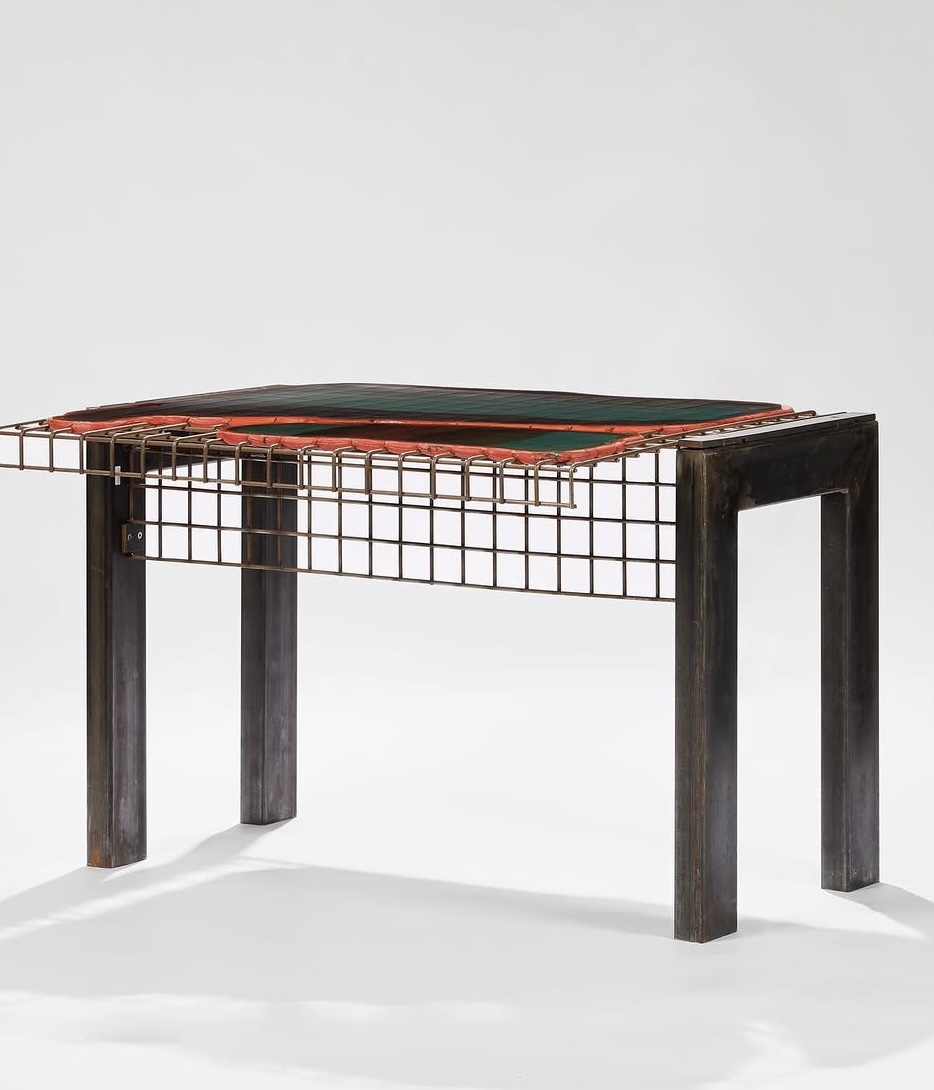
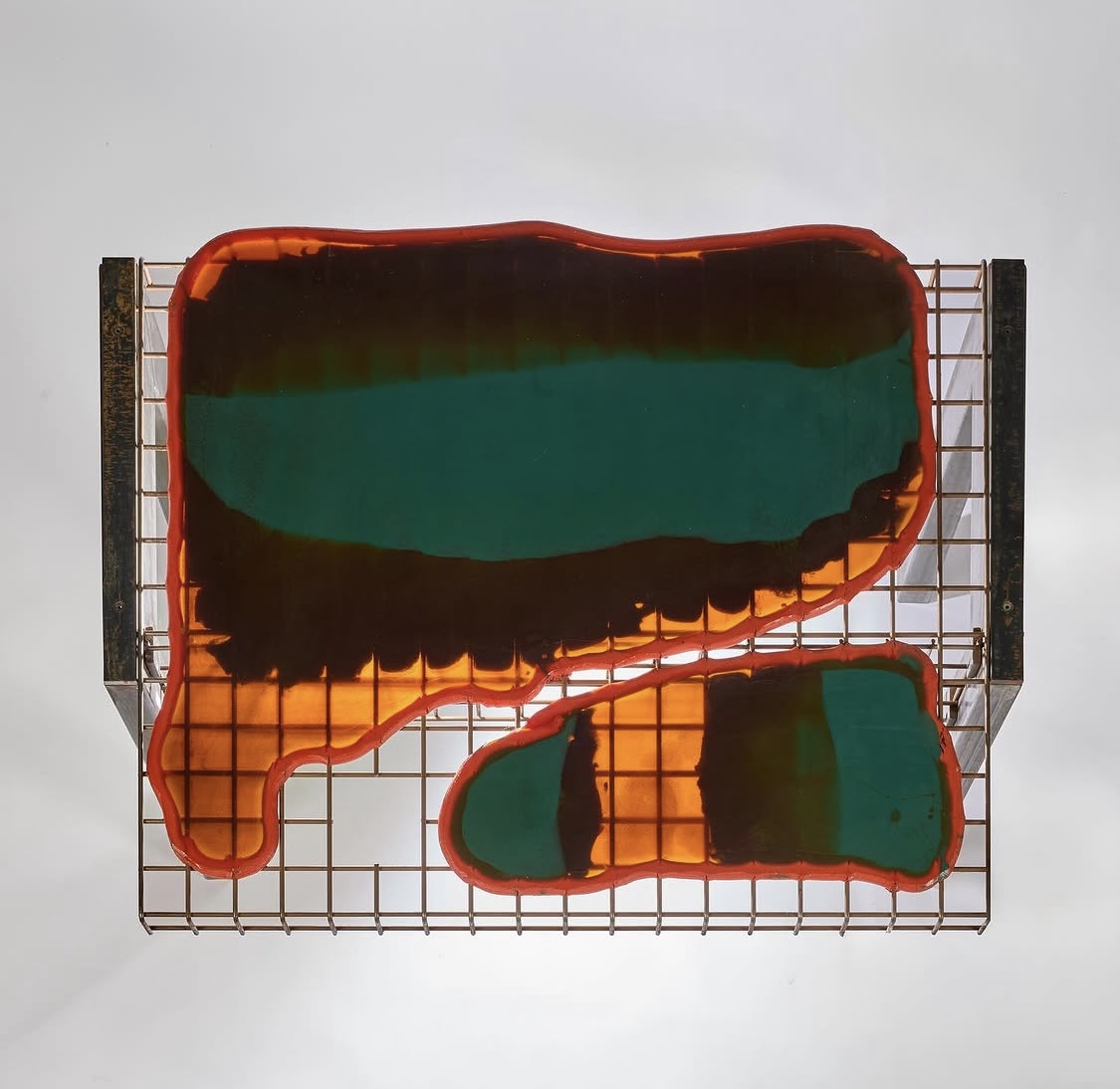
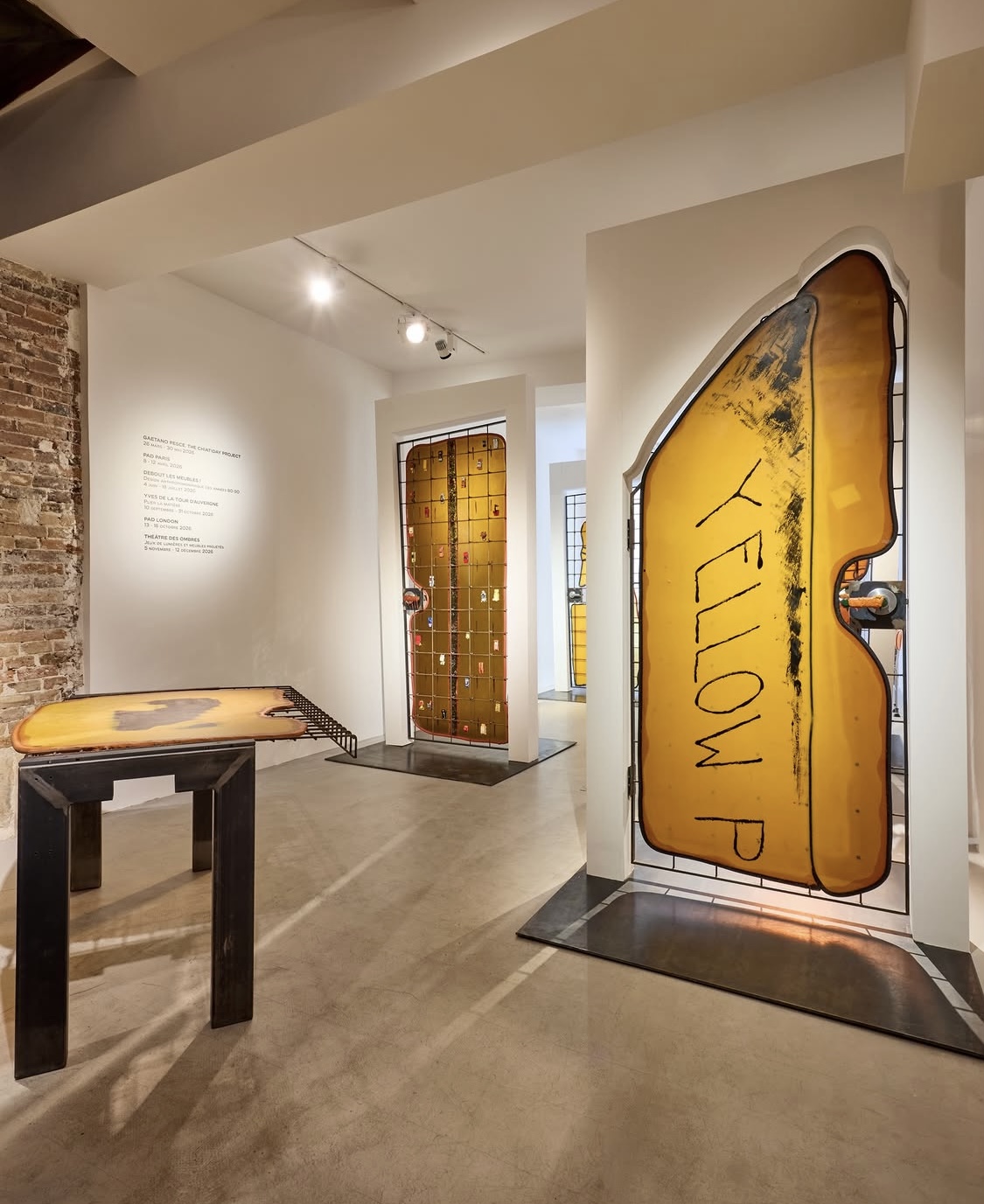
Conçu pour les bureaux de l’agence de publicité Chiat\Day à New York, ce projet compte parmi les réalisations les plus radicales de Gaetano Pesce. Longtemps cantonné au statut de designer, Pesce y affirme pleinement une posture d’architecte, héritée de sa formation à l’Université de Venise et nourrie par une remise en question profonde des principes du modernisme. Le projet Chiat\Day esquisse une transformation majeure du monde du travail. Pensés par Gaetano Pesce et Jay Chiat comme des espaces ouverts, fluides et sans hiérarchie apparente, les bureaux rompent avec la logique du poste fixe et de la standardisation. Ici, le lieu de travail se rapproche de l’espace domestique : on y circule librement, on s’y installe, on s’y déplace selon ses besoins et ses envies.
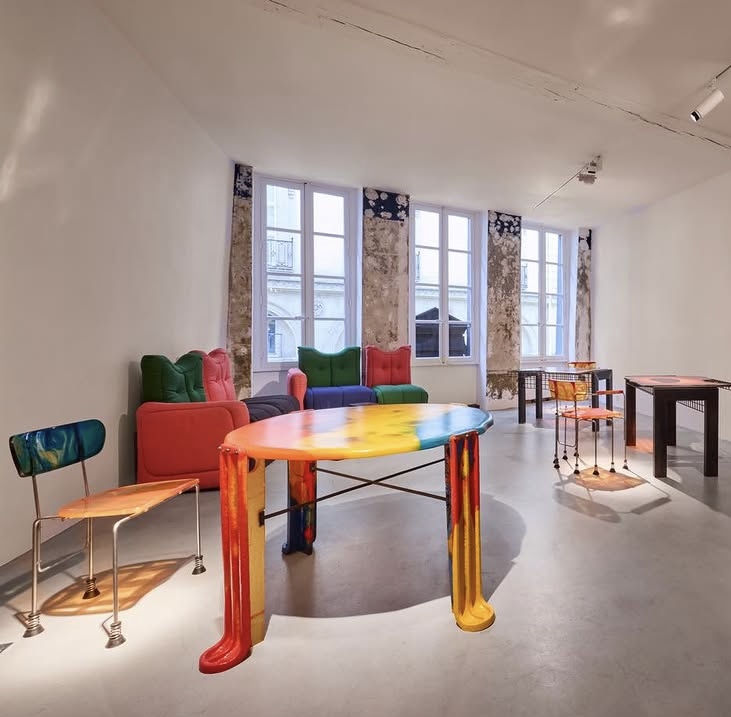
Destroyed in 1998, the Chiat\Day offices represent a major loss to architectural heritage. Through this exhibition, collectors and visitors will be transported to the thirty-eighth floor of an Upper East Side skyscraper, into the heart of Gaetano Pesce’s playful and innovative world. Each of the exhibited works retains traces of its past use, shaped by the daily lives of the creatives and teams of the most iconic advertising agency in 1990s New York.
The exhibition offers a fresh perspective on the work of Gaetano Pesce. Far from limiting the artist to design, it invites us to consider his work as that of a complete artist, whose architecture, furniture, and objects are all products of a single, comprehensive vision. The works presented appear as fragments of a radical and profoundly humanist thought, asserting a formal freedom that continues to resonate today.
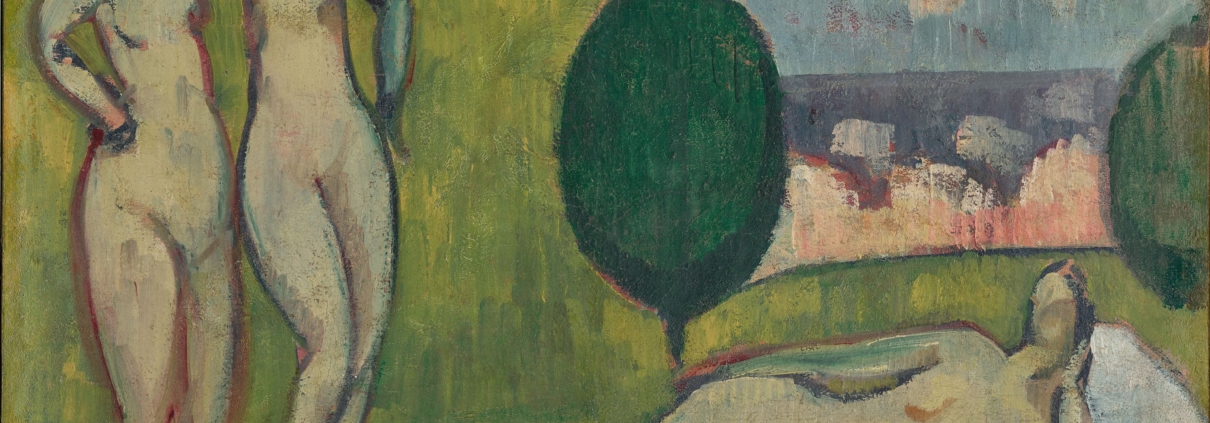
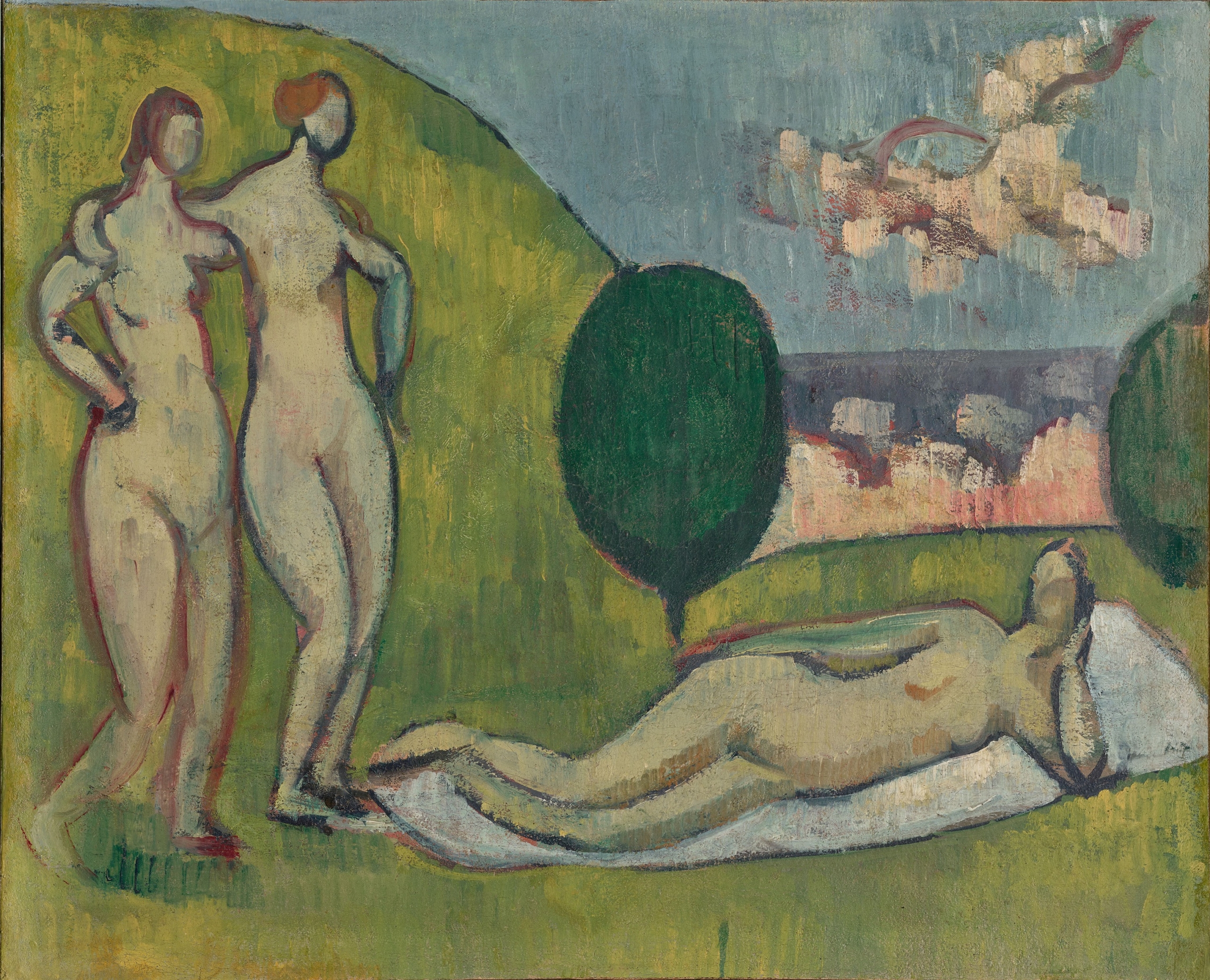
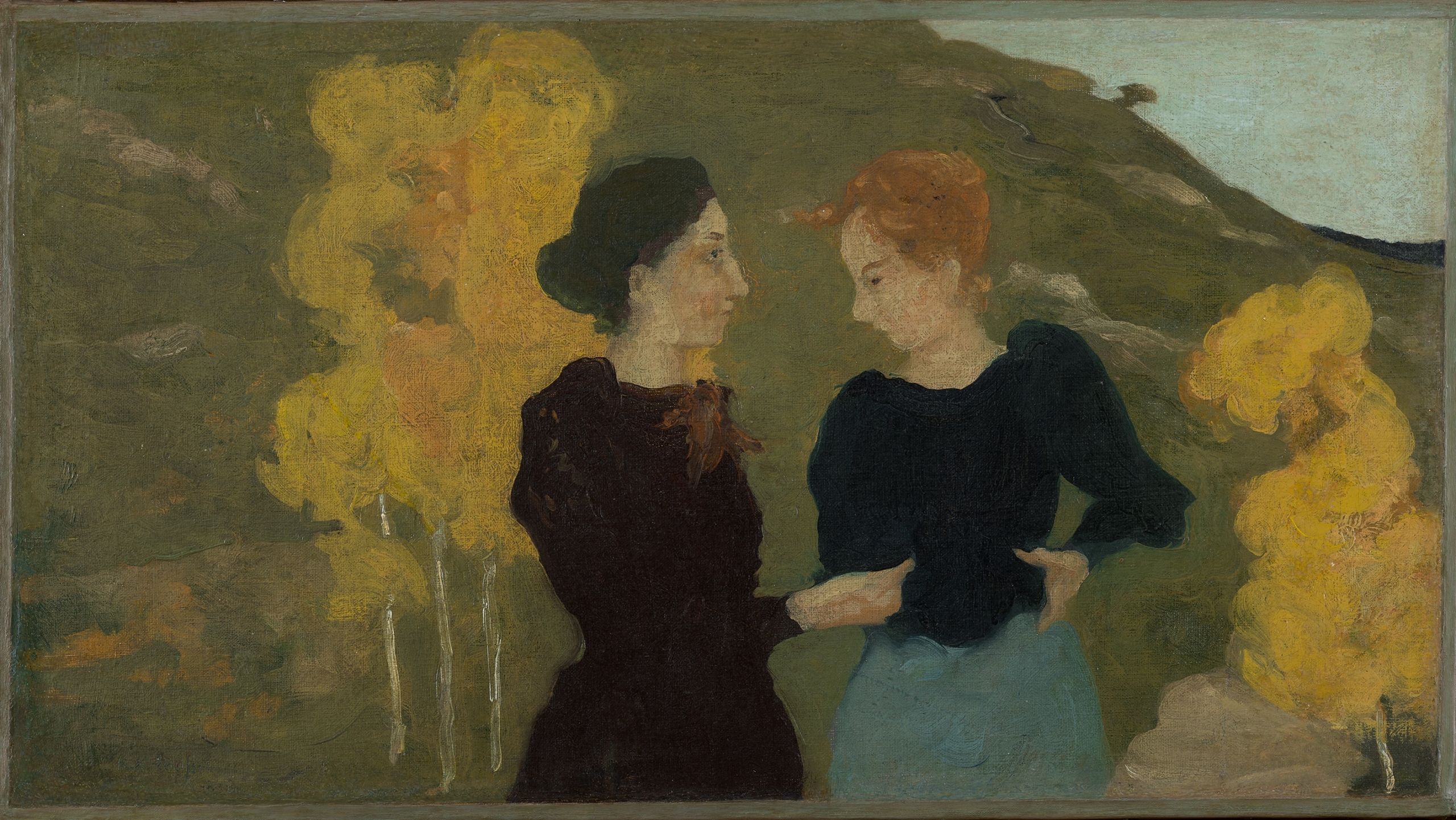
For its inaugural exhibition, the Waddington Custot Gallery highlights the pioneering European modernist movement, in which it has recognized expertise: the Nabis. The exhibition brings together some thirty works by the movement’s leading figures, including Pierre Bonnard, Maurice Denis, Édouard Vuillard, Charles Filiger, Ker-Xavier Roussel, Paul Sérusier, Émile Bernard, Paul Ranson, and József Rippl-Rónai.
Disciples of Gauguin, who claimed “the right to dare everything,” the Nabis painters drew inspiration from his desire to liberate color and his vision of painting as an inner quest. The work created by Paul Sérusier under Gauguin’s direct influence in the summer of 1888 would become The Talisman, a seminal work and aesthetic reference point for the group.
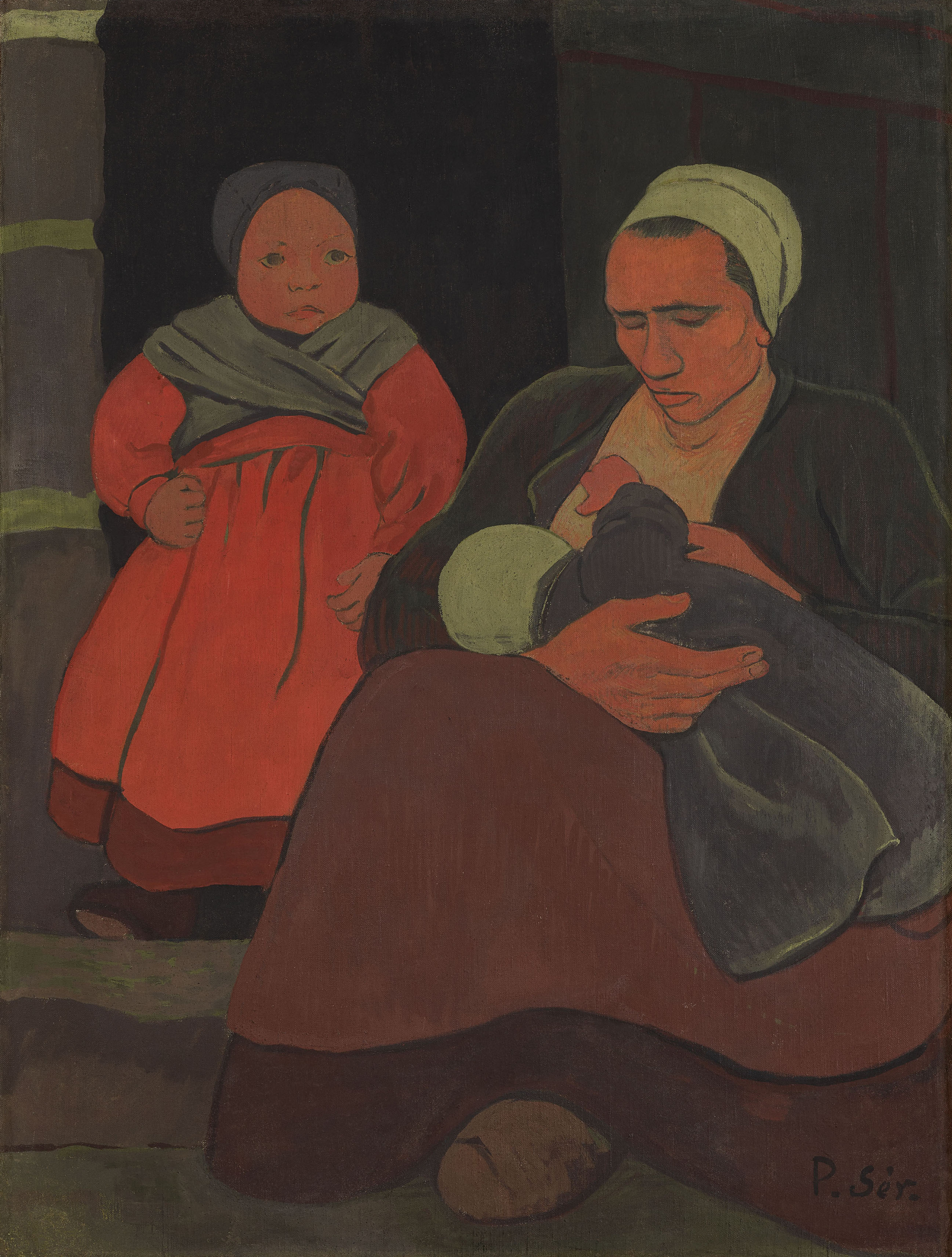
The term “Nabi,” borrowed from Hebrew and meaning “prophet,” reflects both the spiritual quest and the innovative ambition of this collective, which saw itself as the harbinger of an artistic renewal. The Nabis favored clean lines and flat planes of color, as seen in Paul Sérusier’s Bretonne Entendant (Breton Woman Breastfeeding). The Neo-Impressionist influence is also evident in Pierre Bonnard’s Étude pour ‘Le Corsage à carreaux’ (Study for ‘The Checkered Bodice’), while Japonism influenced artists like Paul Ranson, as seen in his work Le Grand Tigre (The Great Tiger).
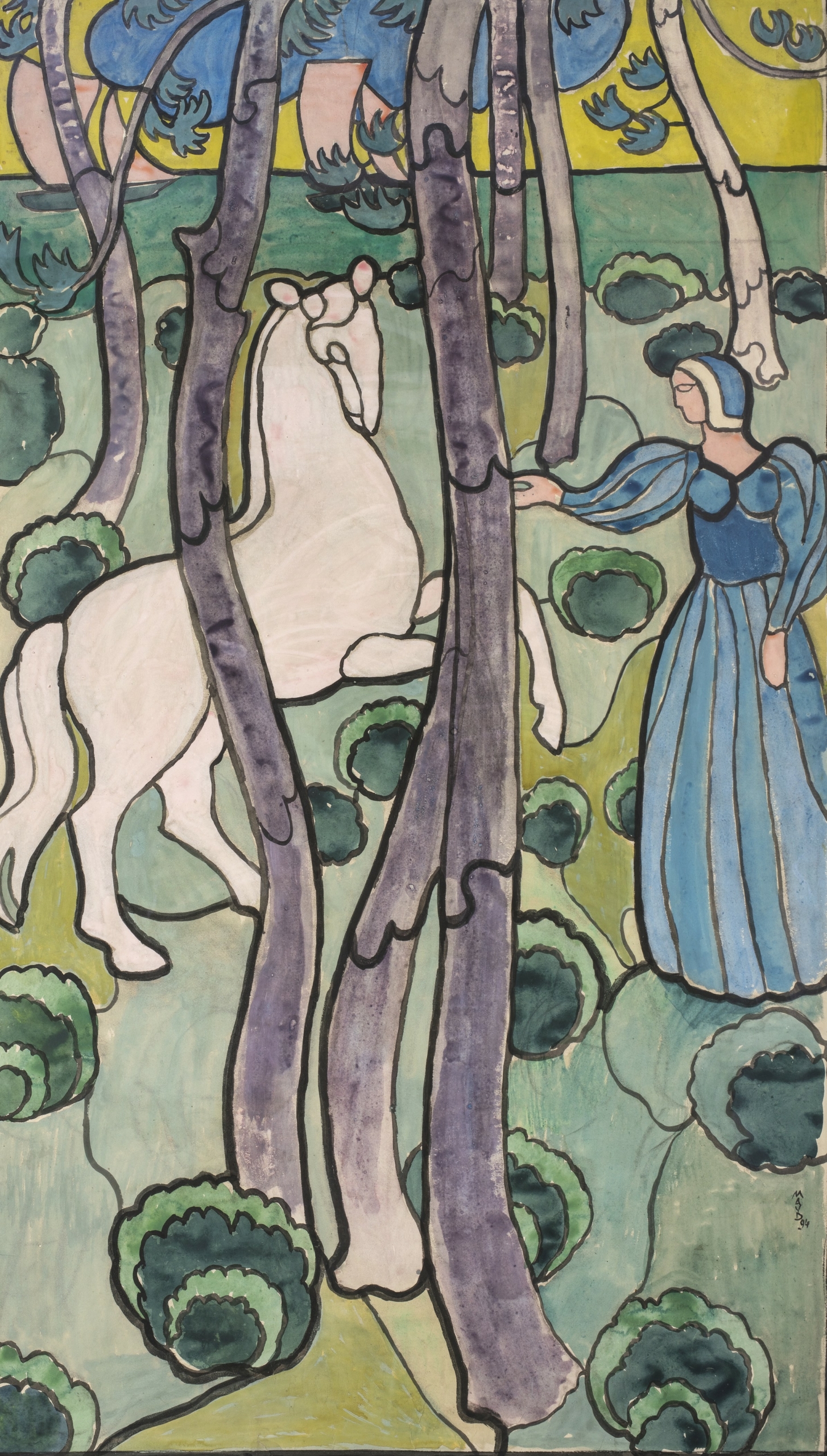
Closely aligned with Symbolism, the Nabis were also interested in contemporary life, seeking to elevate the everyday. Interior scenes, contemplative figures, and stylized landscapes were thus elevated to the status of fully-fledged artistic subjects. Although exclusively male, the group constantly drew inspiration from female models, making “their mother, their partner or wife, their sister, privileged models” (Gilles Genty), as seen in Maurice Denis’s Portrait of Martha in a Red Apron (sketch) or Ker-Xavier Roussel’s Women in the Garden. Drawing inspiration from prints, stained glass, and folk art, the Nabis rejected the traditional hierarchy of genres and advocated for continuity between so-called “major” and “minor” arts. Painting, decoration, printmaking, and applied arts were approached with the same exacting standards, resulting in diverse projects such as Maurice Denis’s The White Horse (stained glass design). This openness led the group to invest in a multitude of media and to play a decisive role in the development of decorative arts and practices of the multiple at the dawn of modernity.
Embodying the “Nabi shock,” an unprecedented dialogue with contemporary works by Etel Adnan, Ben Arpéa, Marcel·la Barceló, Ian Davenport, Pierre Knop, François Réau, Anne Rothenstein, Christine Safa, and Fabienne Verdier illuminates a shared conception of painting as an autonomous, sensitive, and interior space. While the Nabis championed a subjective, decorative, and synthetic style of painting, in which color, rhythm, and interiority take precedence over any attempt at an illusionistic representation of reality, this approach resonates today in contemporary practices: Etel Adnan’s compositions, with their radical simplification and frontal chromatism, echo the spiritual quest and symbolic density of figures like Charles Filiger. Fabienne Verdier’s concentrated gesture, at once meditative and physical, engages in a dialogue with the concept of painting as an inner experience, as advocated by Maurice Denis. In Ian Davenport’s work, the repetition, fluidity, and musicality of color extend the creative and rhythmic ambition that runs through the work of Bonnard or Vuillard. Through the diversity of their languages and the convergence of their intentions, these artists reaffirm, like the Nabis, a painting where surface, matter, and color become the vehicles of a poetic and inner experience of the world, inscribing the Nabi aesthetic within a long and ever-evolving history.
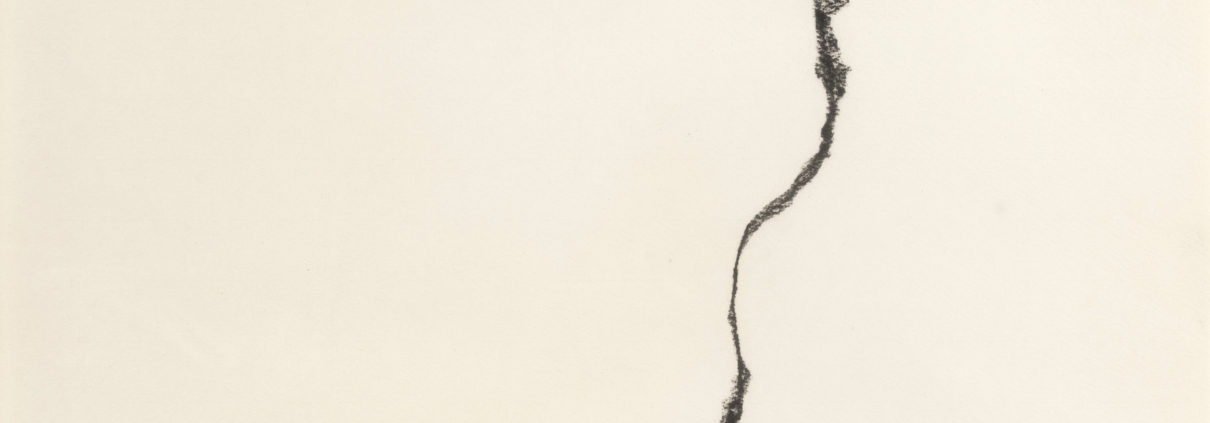
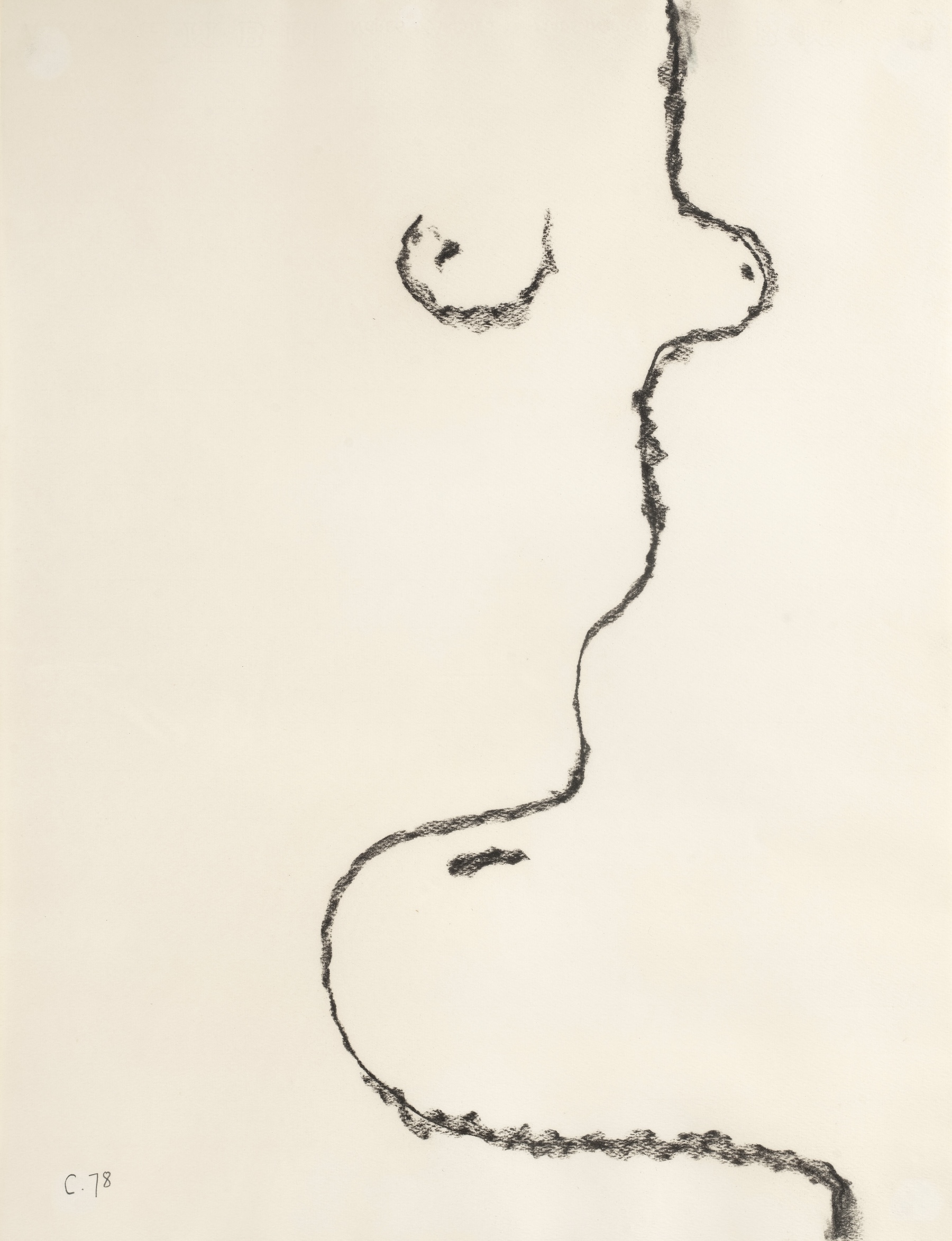
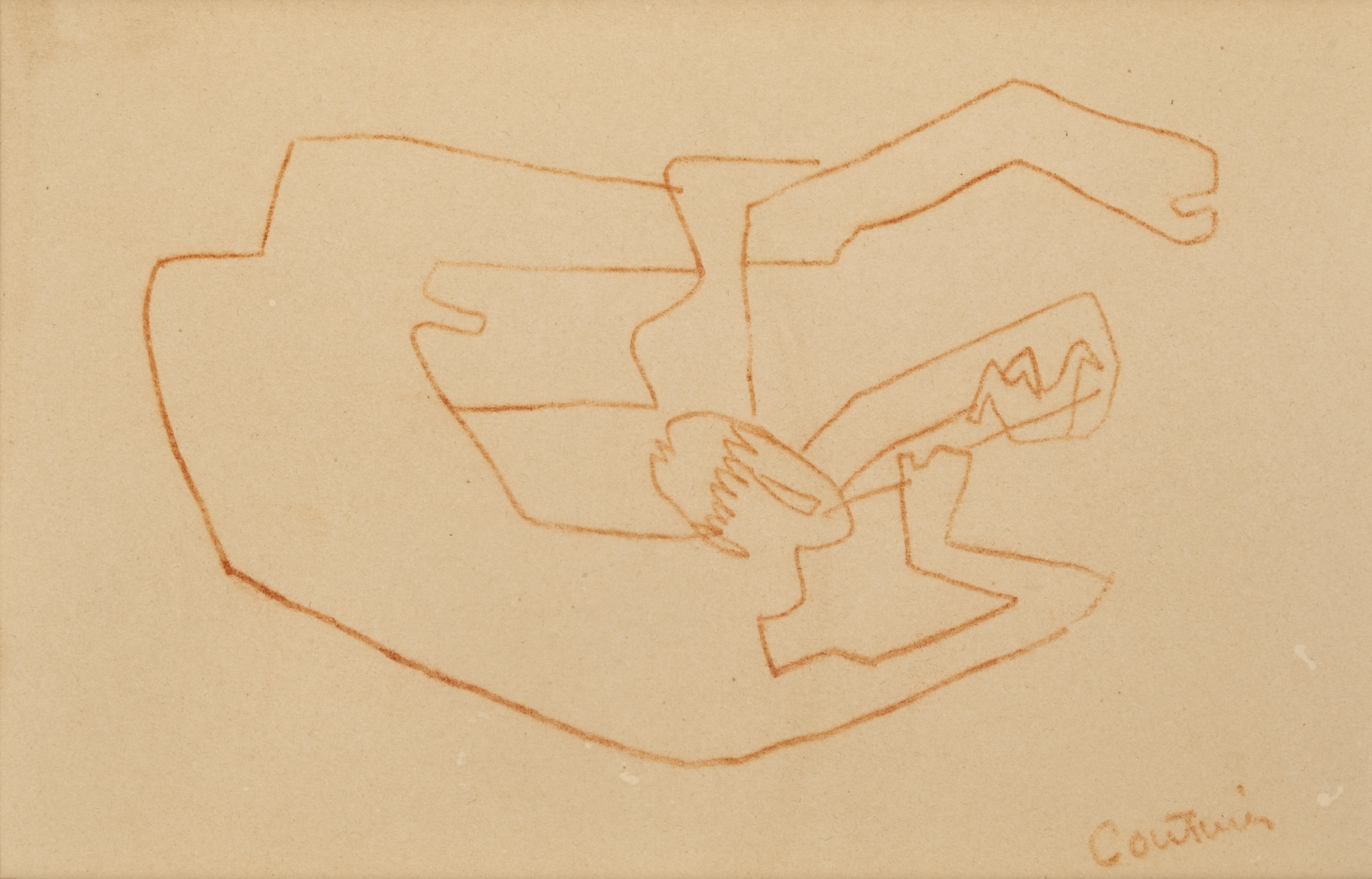
The first exhibition devoted to the graphic work of Robert Couturier since 1959. Bringing together nearly twenty works created between the 1930s and 1990s and accompanied by a catalogue, it highlights the vitality, inventiveness, and exacting standards of a medium to which the artist dedicated his entire life with tireless fervor.
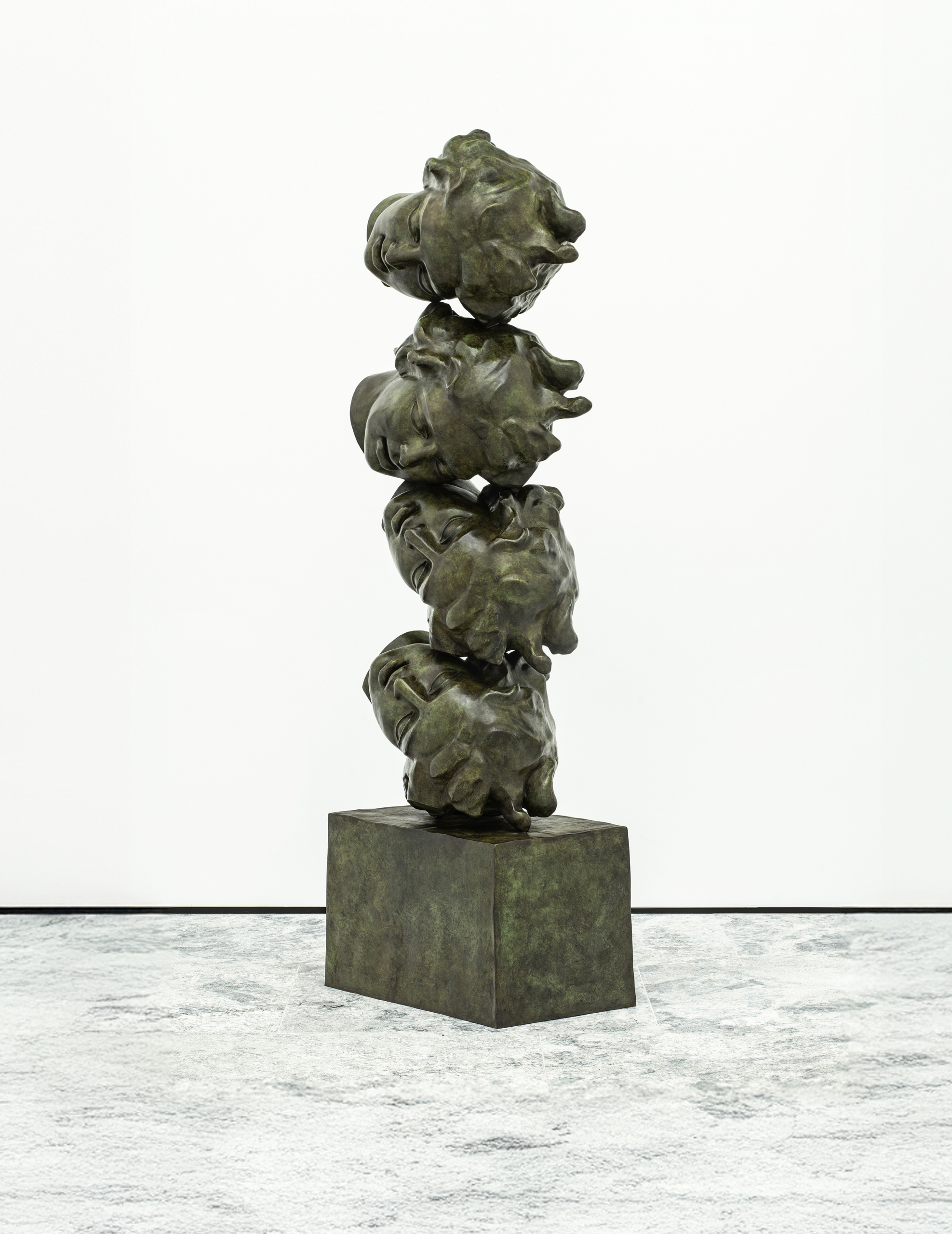
Considered one of the leading sculptors of the post-war period alongside Richier and Giacometti, Robert Couturier (1905–2008) was also, and intrinsically so, an important draftsman. Far from being anecdotal, this dual practice reveals the unity of his creative thought: through both line and volume, he pursued throughout his life a single quest, that of “evoking as much humanity as possible with the most minimal means.”
Conceived as a small retrospective of his drawings, this exhibition spans the artist’s entire life, from his earliest drawings in the 1930s to the final works of this centenarian creator. Through the diversity of these drawings, the coherence of a gesture unfolds, a gesture that neither time nor age has been able to diminish.
From adolescence, Couturier imposed upon himself a daily discipline: never going to bed without having drawn. It is no coincidence that the artist first trained in lithography. Far more than an academic exercise, this practice stemmed from an inner necessity, an impulse he summarized with a personal neologism: “déprendre” (to detach). This term underscores his commitment to total freedom, making drawing a space for play, a pleasure for the eye, and a vibrant tension between the spoken and the unspoken.
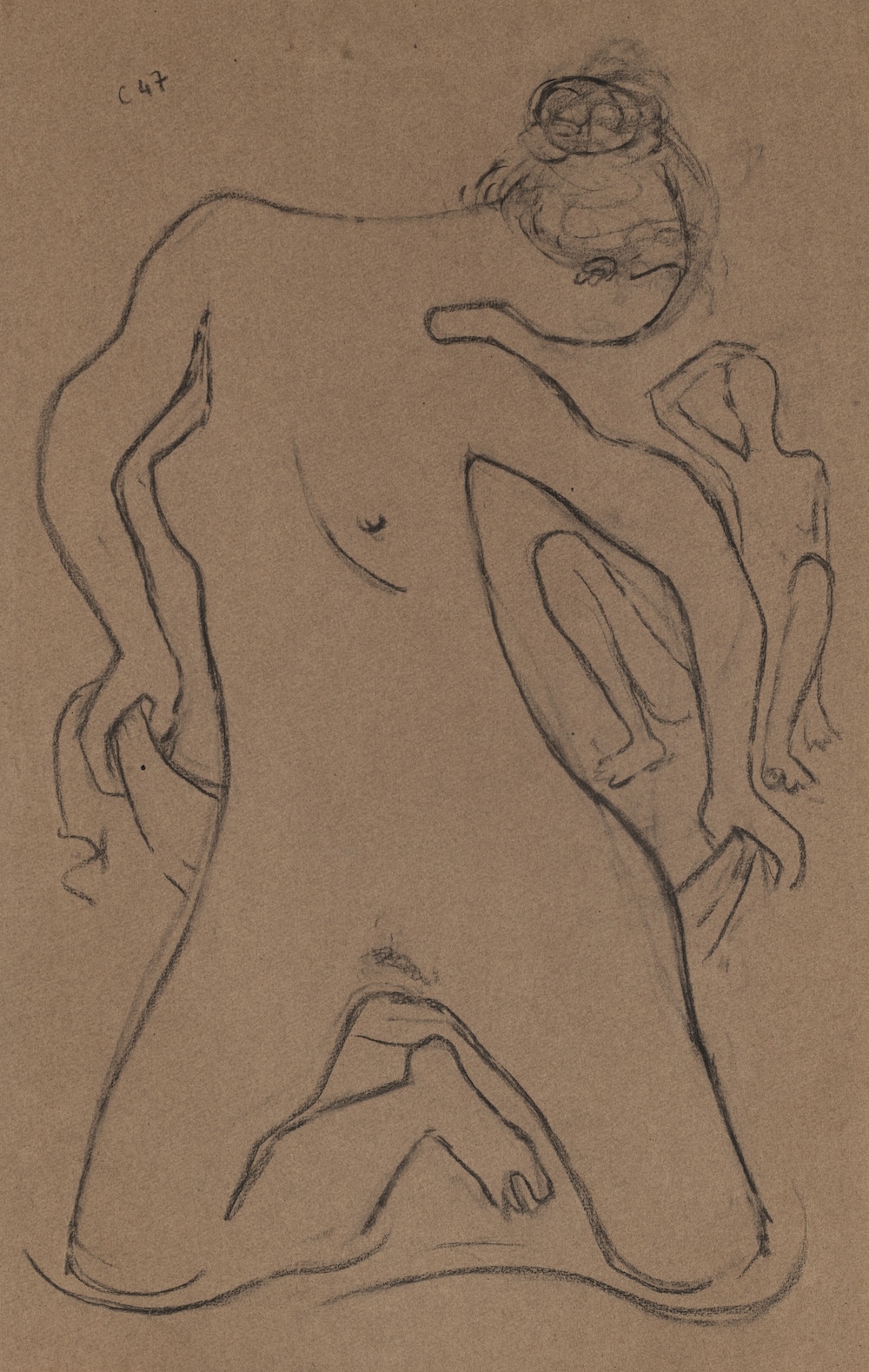
The works presented here bear witness to the enduring nature of his recurring themes: the human figure—woman, man, child, couple—reinvented through a singular anatomical freedom. Like Ingres and his penchant for controlled distortion, Couturier stretches, distends, and opens up form to reach another reality.
Here, economy of means is a deliberate artistic choice, not a deficiency. Through the sheer tension of a contour or the joyful wandering of a line across the page, Couturier manages to breathe life into the inert.
“The unusual and the playful only work through his always unexpected artistic discoveries. Couturier awakens our gaze, rekindles what is most alive in each medium, drawing, sculpture. What magic in his linear asceticism! Poetry is the great victor.” Lydia Harambourg
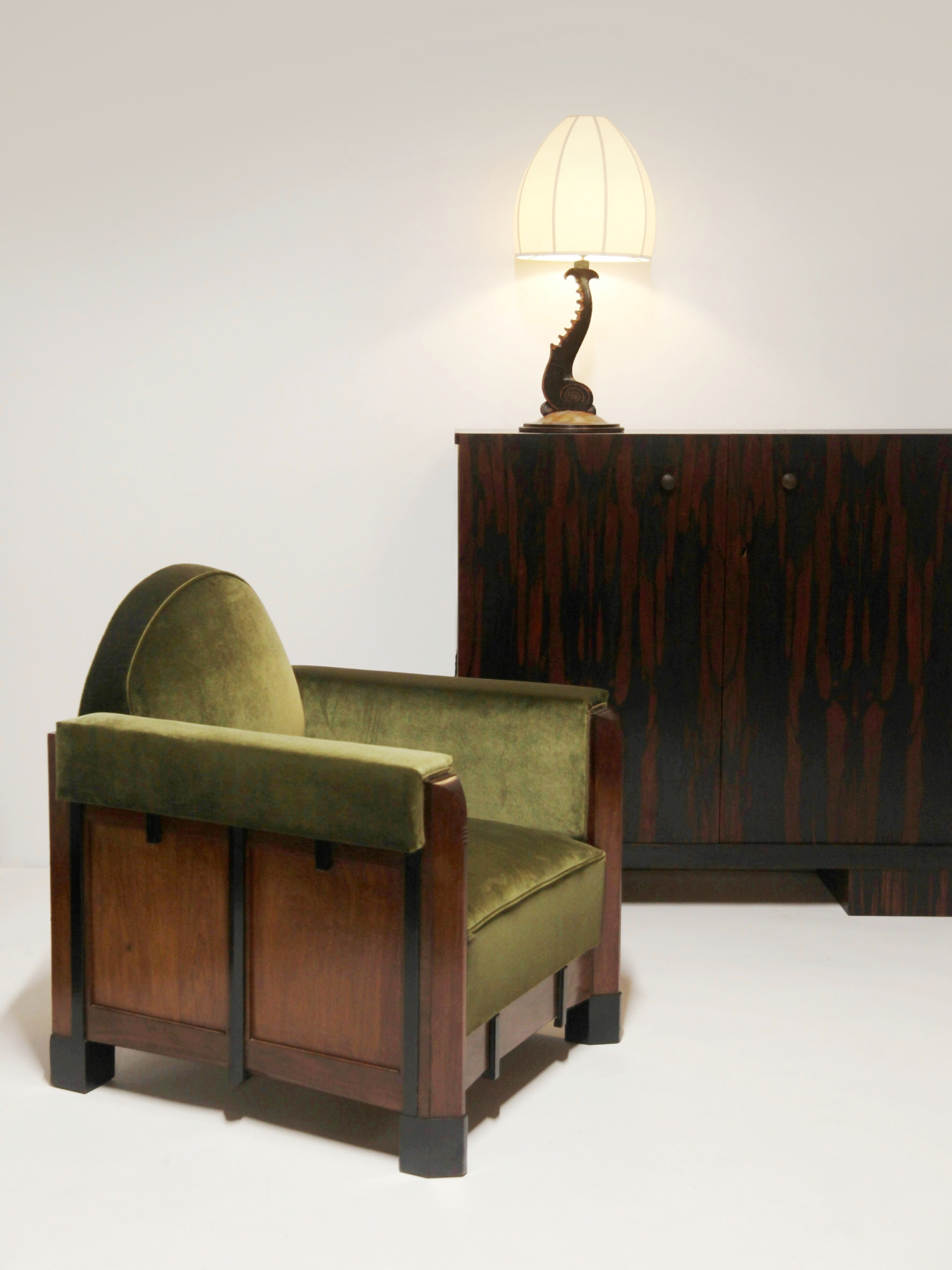
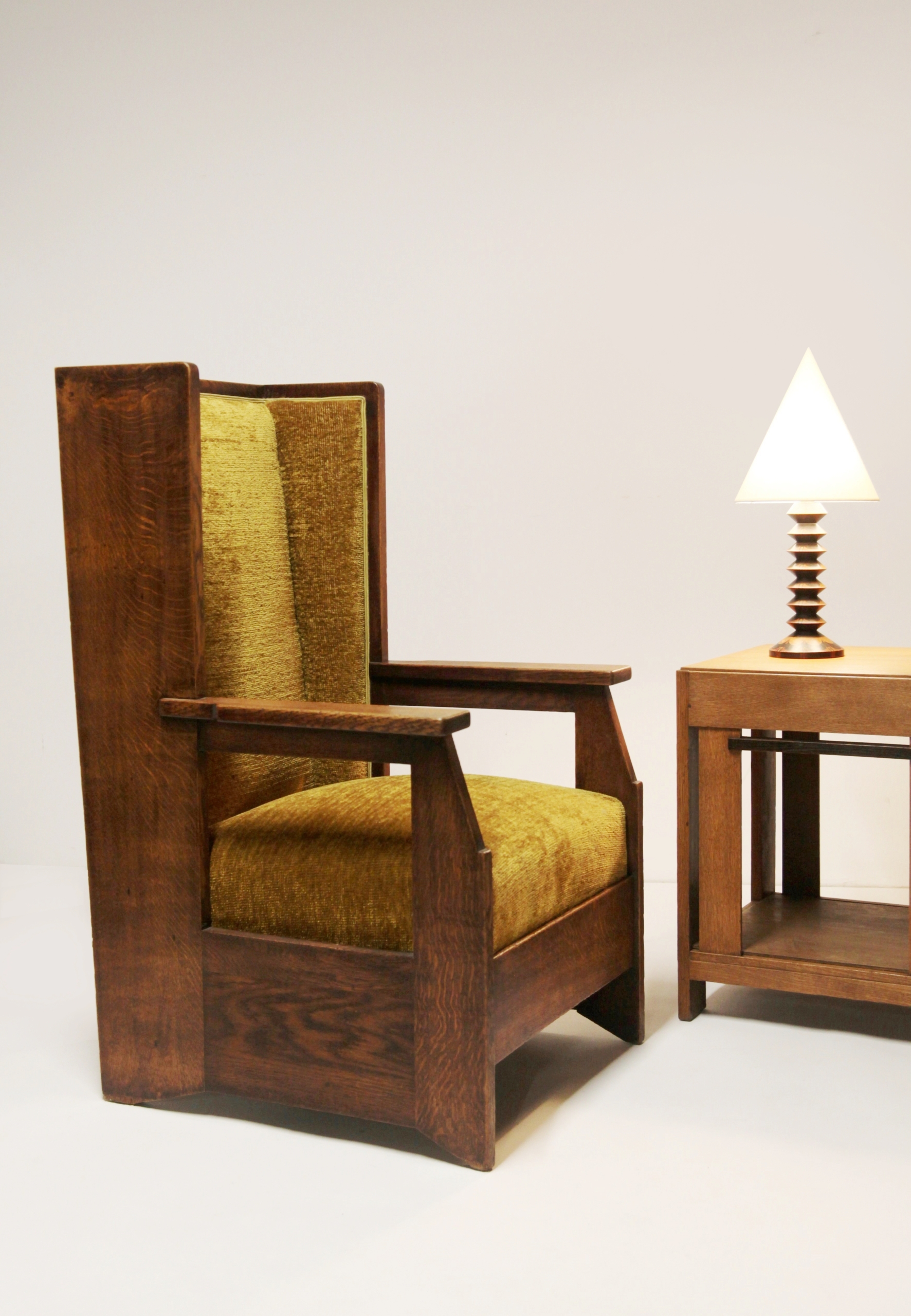
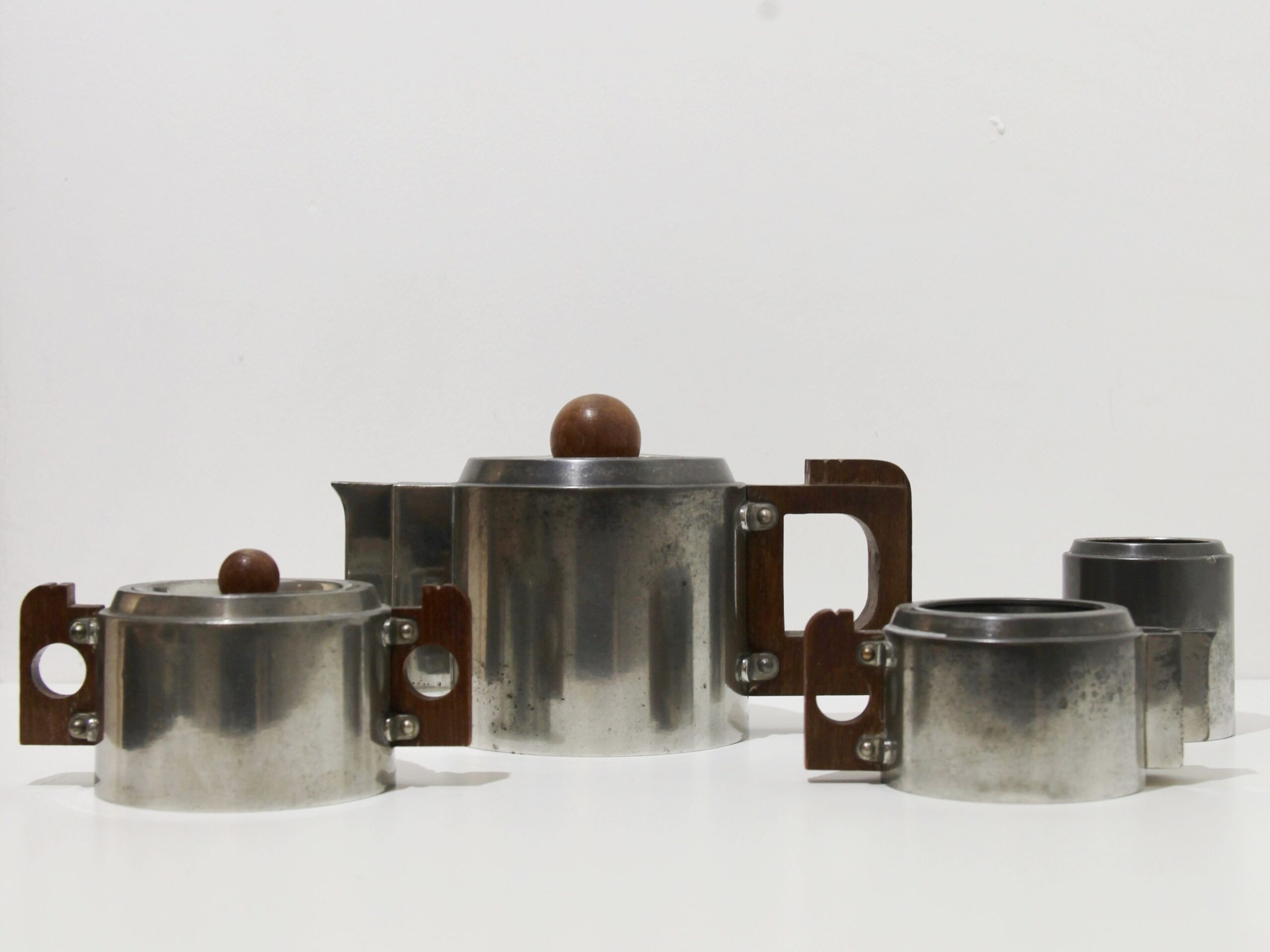
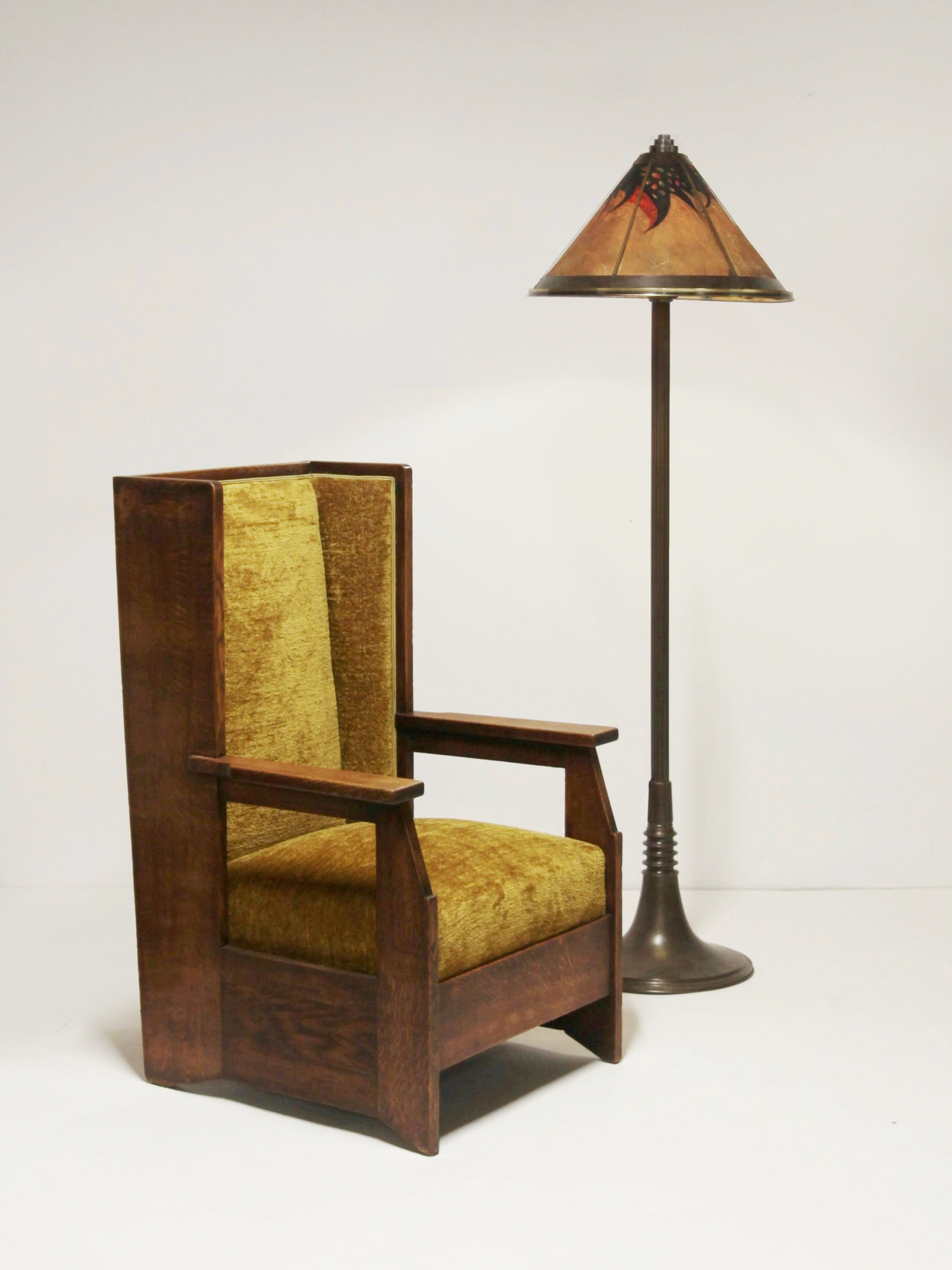
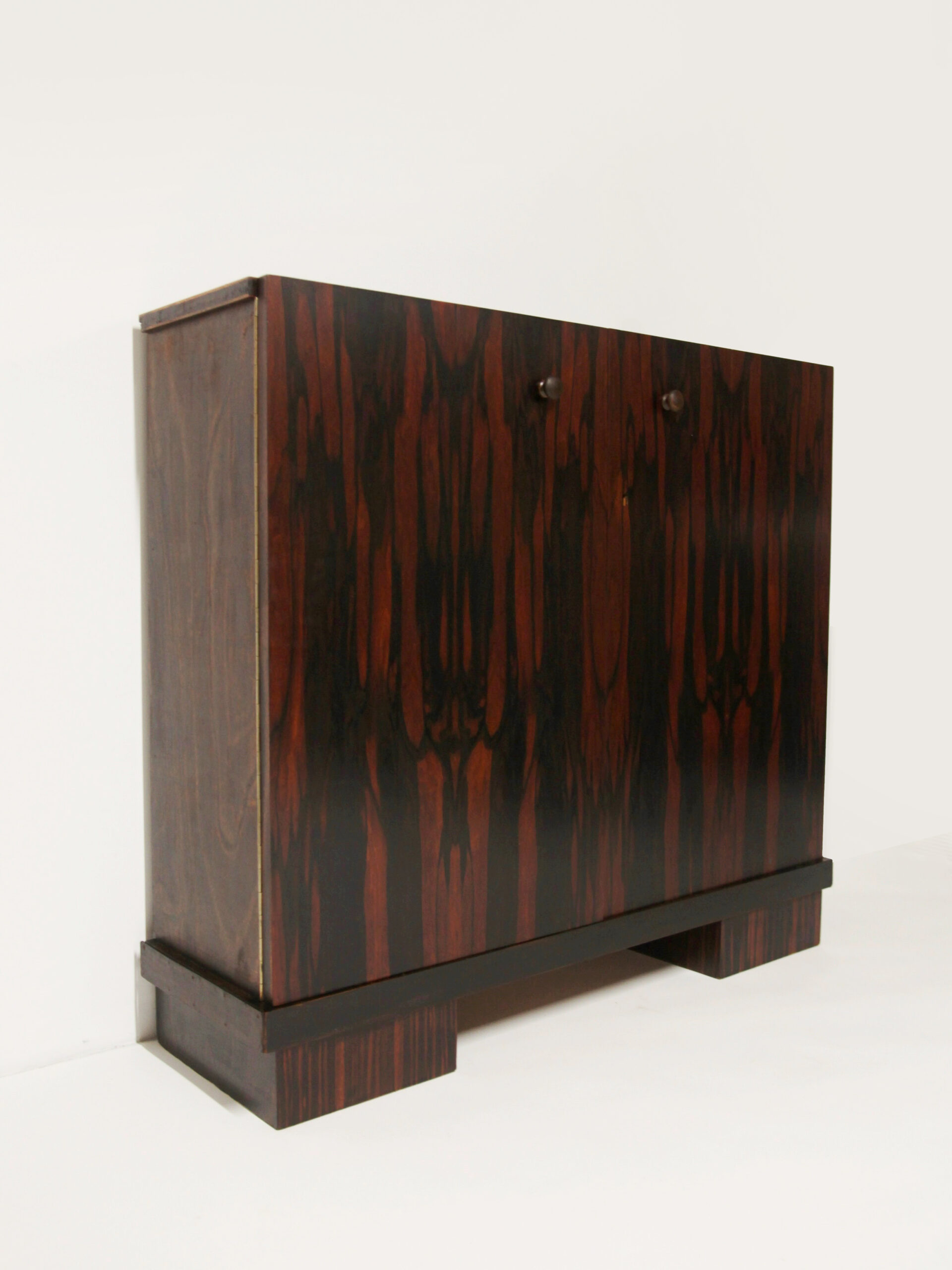
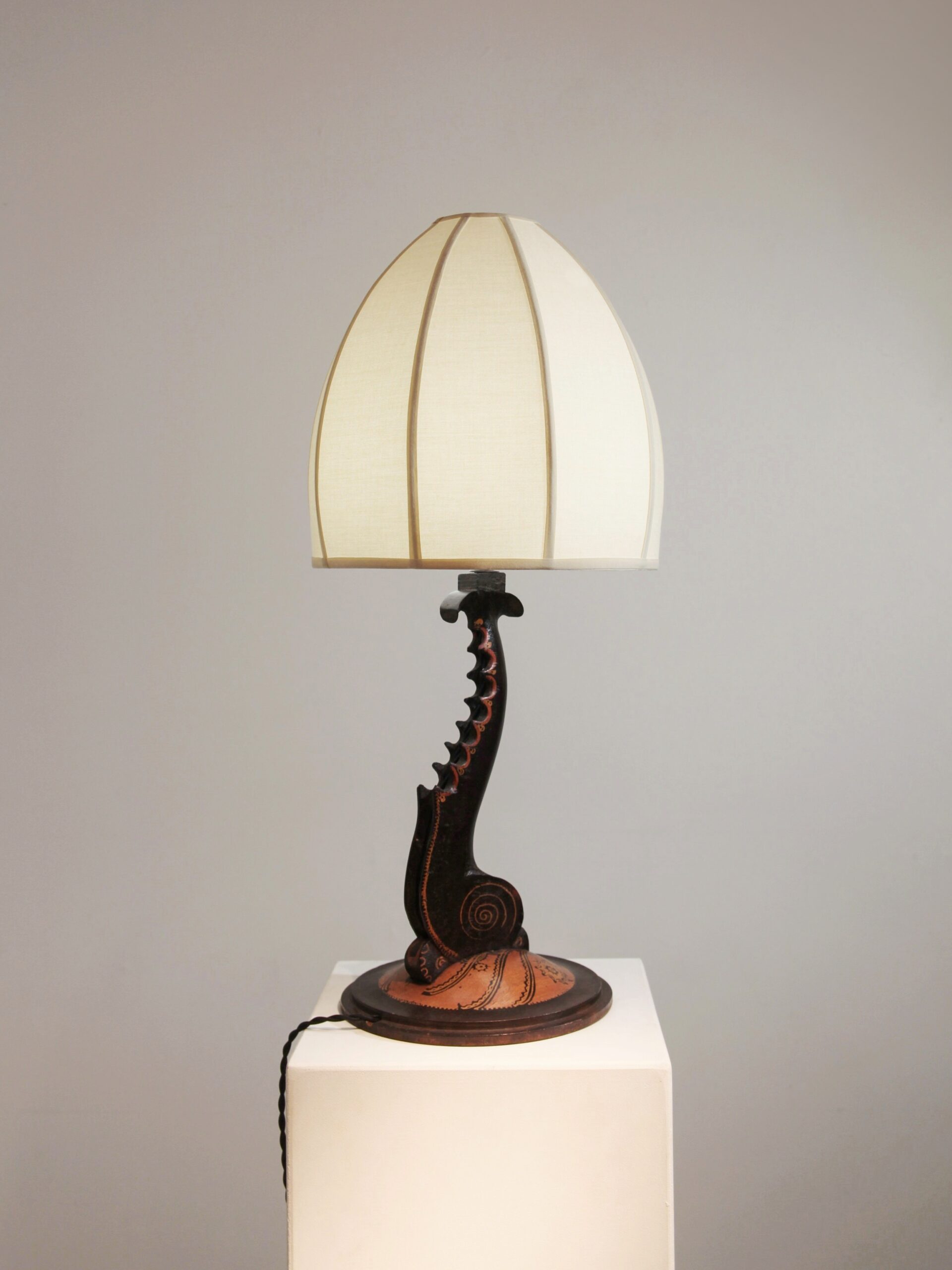
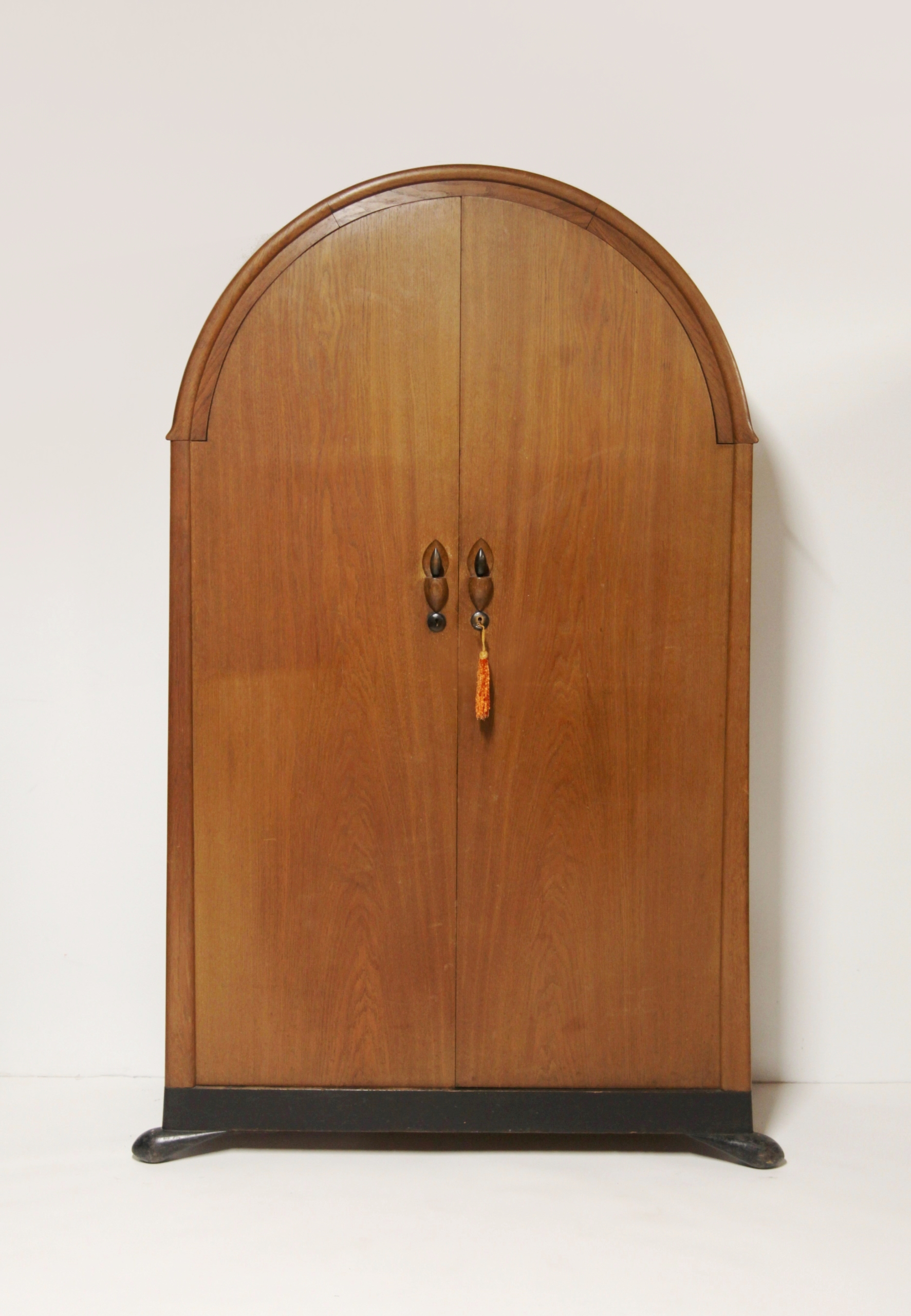
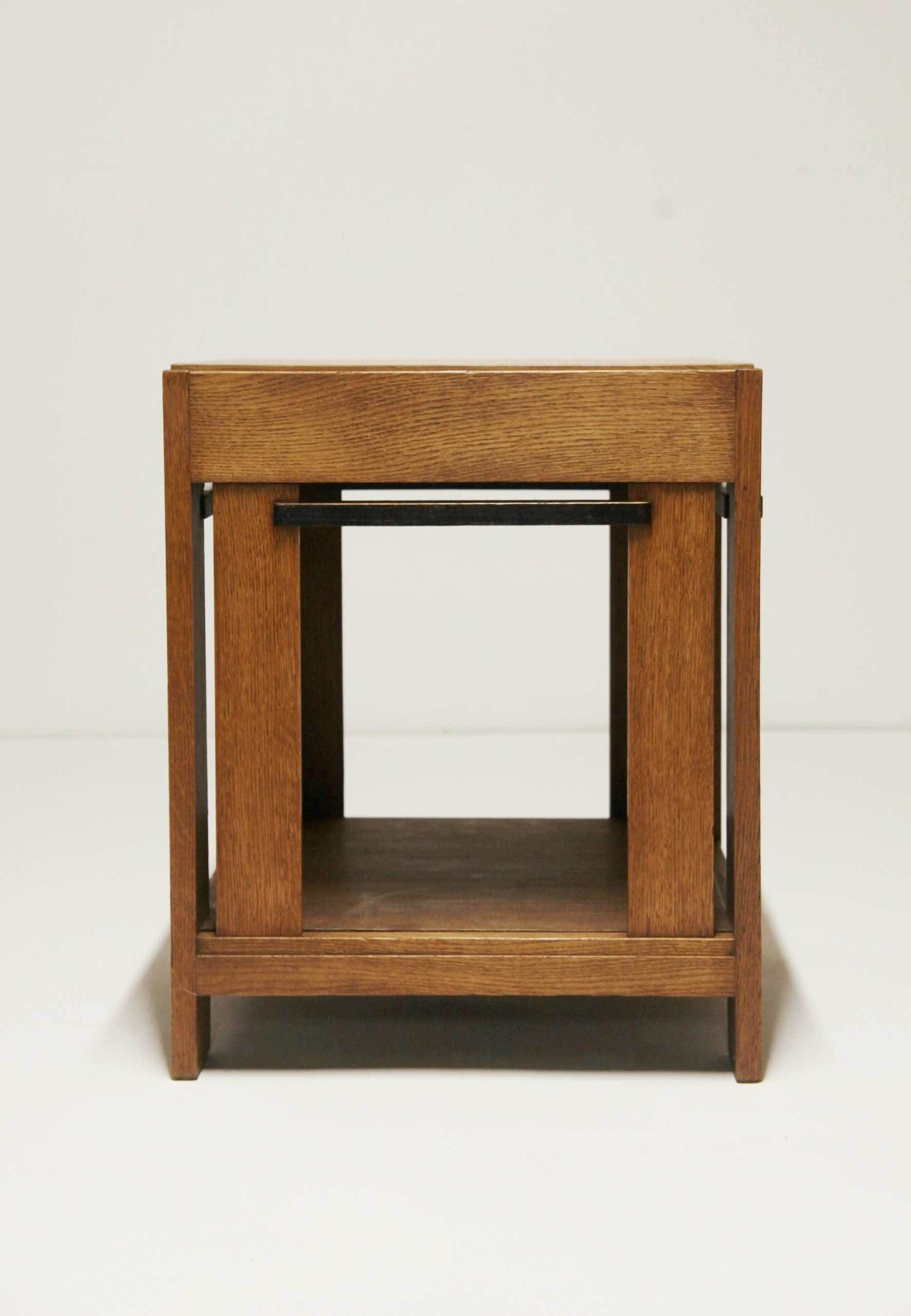
At the beginning of the 20th century, the Netherlands witnessed a clash between two approaches to architecture and design: while the Amsterdam School favored an organic and expressive design, in line with the English Arts & Crafts movement, the Hague School adopted a rational approach, centered on clarity, order, and geometry, inspired by Frank Lloyd Wright. This opposition, which was also a generational one, was not limited to style: it reflected a fundamental debate on the purpose of architecture and design, between artistic expressiveness and the pursuit of functionality. Through more than forty exceptional pieces—furniture, lighting, sculpture, and decorative arts—that juxtapose the two schools, Romain Morandi highlights the diversity of Dutch design from the 1910s to the 1930s and its decisive contribution to the modern movement.
During the 1910s in Amsterdam, architects, artists, and designers such as Piet Kramer, J.M. van der Mey, and Hildo Krop, gathered around Michel de Klerk, the true leader of the movement, explored a new conception of architecture based on the expressiveness of forms and materials. Buildings, interiors, and furniture were designed to generate a strong emotional and aesthetic impact. Every meticulously crafted detail aimed to enrich the sensory experience, considered an essential parameter for quality of life. The Amsterdam School thus promoted a sculptural and organic, almost narrative approach, where each element seemed animated by its own vitality. Furniture, objects, and lighting fixtures combined curved lines, deliberate asymmetries, and symbolic motifs inspired by nature or folklore in dynamic compositions. The enveloping forms, generous volumes, and undulating rhythms gave the spaces a warm and profoundly human dimension.
Around 1920, while the Expressionist movement was at its peak in the Dutch capital, young designers like Hendrik Wouda, Frits Spanjaard, and Cor Alons were developing a much more rational and economical vision of design and architecture in The Hague. Their approach emphasized clarity, proportion, and efficiency, both in architecture and in the design of objects and interiors. Volumes and lines were simplified, surfaces stripped back, and ornamentation was effaced in favor of function. Aesthetics here stemmed from the internal logic of forms and the rationality of their uses, rather than from decorative motifs or expressive material richness. Furniture and interior layouts were designed to be ergonomic and modular, facilitating circulation, clarity, and adaptability of spaces. The creations of The Hague School thus proceed from a “methodical sobriety”, where beauty results from structural coherence, harmony of volumes and balance of compositions.
The members of the Amsterdam School share a common ambition: to make each building—interior and exterior, in whole or in part—a “total work of art.” A building does not merely fulfill a residential function; it composes a “visual and sensory whole” where everything contributes to creating a coherent and refined atmosphere. This approach presupposes that design constitutes a comprehensive aesthetic response, capable of elevating everyday objects to the status of art. The plasticity of volumes and the use of ornamentation stem from a humanist and poetic vision, affirming the dignity of the dwelling, local cultural identity, and artisanal know-how. In this sense, the Amsterdam School follows in the footsteps of the English Arts & Crafts movement as theorized by John Ruskin and William Morris, while also incorporating the formal and decorative freedom of Art Nouveau, to propel architecture and design toward the idea of “aesthetic and social universality.” Envoyer des commentaires
Influenced by the proto-modernist ideas of architect Hendrik Petrus Berlage and the De Stijl movement, the designers of the Hague School pursued an ideal of “rationalization, standardization, and functionality.” They favored “pure” geometric forms arranged in “dynamic equilibrium,” straight lines, and Cubist volumes—pragmatically easier and less expensive to produce and better suited to the demands of the time. Supported by publishers such as L.O.V. and H. Pander & Zonen, they directed their production according to this same logic: ergonomics, adaptability, and legibility. Architecture and design were no longer conceived as total works of art, but as “standardized systems,” reproducible and adapted to modern life. The influence of Frank Lloyd Wright is also evident in the pursuit of harmonious integration with the environment according to a “horizontal plane” and a clean, self-contained visual language free from decorative excess.
The opposition between the Amsterdam School and the Hague School should not be understood as a hierarchical confrontation, but rather as a productive dialectic in which two complementary visions of design engage in dialogue. Their articulation highlights the fundamental principle of the “complementarity of opposing poles.” The aesthetic and poetic dimension enriches the sensory and social experience of spaces, while rationalization ensures their coherence and collective accessibility. Neither supplants the other; on the contrary, their confrontation fosters a balance between creative freedom and practical constraints, between singularity and reproducibility. The tension between these two poles allows us to conceive of design not as an isolated objective, but as a process in which expressive and functional requirements mutually inform each other. This dialectic also sheds light on the evolution of design in our contemporary societies. It reflects a consideration of how to reconcile collective needs and individual singularity, emotion and efficiency, sensory complexity and functional clarity. Design then appears as an art of mediation: each formal or spatial choice becomes both a means of expression and a response to social and technical constraints, defining a rich and nuanced vision of modernism.
https://www.germanopratines.fr/wp-content/uploads/2026/03/IMG_7121.jpg19551125Hélènehttps://www.germanopratines.fr/wp-content/uploads/2019/12/logo-germanopratines-3-1030x221.pngHélène2026-03-16 14:51:202026-03-18 19:21:35Amsterdam and The Hague Schools
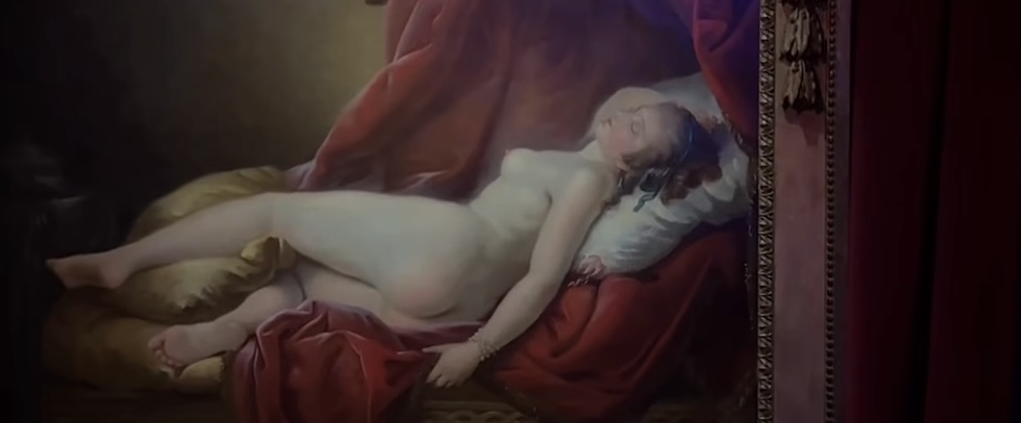
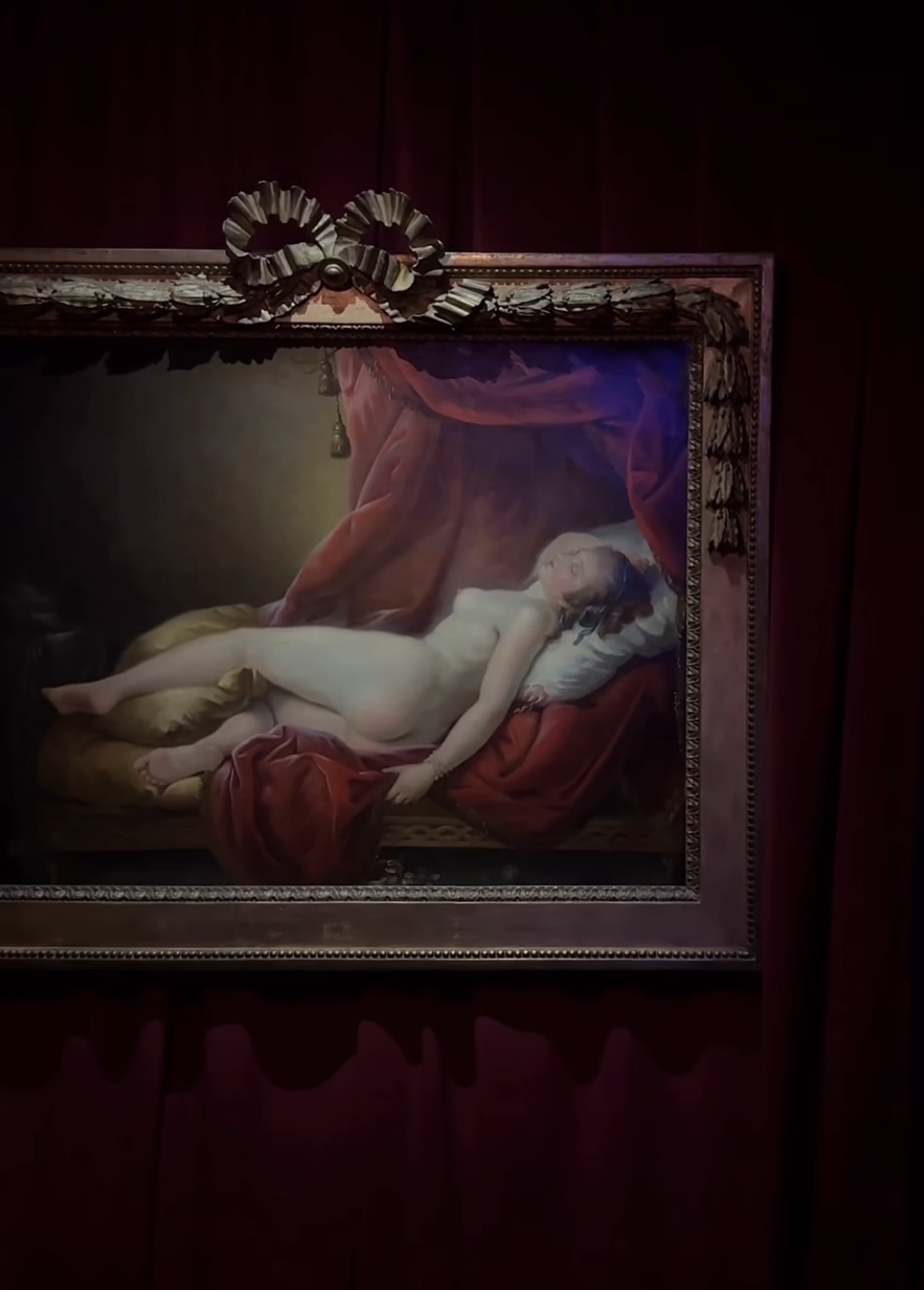
How did the French art of living manifest itself in its most accomplished form in the 18th century? Certainly, it was primarily the privilege of an elite, whether by birth, wealth, or talent, and could not reflect the living conditions of the entire population. Nevertheless, it perfectly expressed the fashions, tastes, values, and customs toward which all eyes were then turning in Europe, and beyond, from the young Americas. For Paris established itself in the 18th century as the capital of luxury, constantly seeking innovation, an environment conducive to the flourishing of the arts, in pursuit of pleasure and convenience—in other words, beauty in utility, which is the motto of the Musée des Arts Décoratifs.
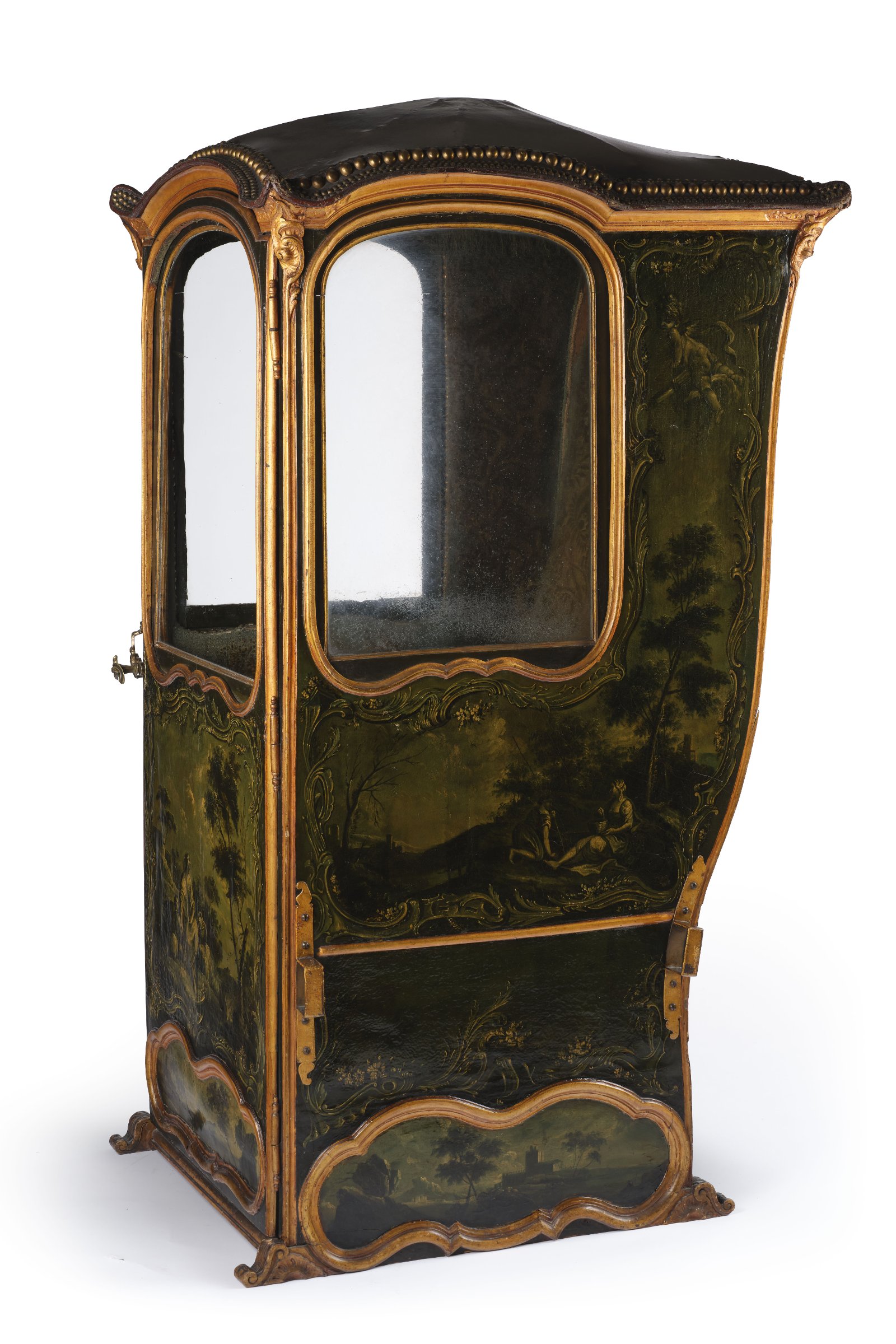
The tour begins with the architectural evolution of the private mansion in the 18th century. Both an architectural showcase and an embodiment of the art of living, the urban residence of an important figure and their home, heir to a long tradition yet subject to every passing fad, the private mansion presents multiple and contrasting faces, constantly oscillating between the norm and the exceptional. But before entering the mansion, one must first make one’s way to it through the Parisian street, the cobblestones crowded with vehicles, the walls plastered with posters, the air buzzing with the cries of street vendors. The visitor is then led beneath the majestic portico, which displays the owners’ power to passersby while simultaneously keeping the urban bustle at bay. After passing through the courtyard where a beautiful sedan chair and a removable carriage table await being set in motion, the visitor discovers the attractive beds of porcelain flowers, trellises and potted plants of the garden, in the middle of which stands the silhouette of a beautiful gardener, wearing a large straw hat.
From morning ablutions to evening games in elegant company, from the magnificence of a French dinner to the gentle melodies of a concert in the drawing room or the lively pleasures of conversation during a stroll in the garden, the exhibition scrutinizes, like an investigation, the daily activities of the inhabitants of a private mansion, from sunrise to sunset. Each room is reimagined and associated with a specific moment in their daily routine. Particular attention is paid to the improvements of the period: lighting, heating, access to running water indoors, but also their impact on décor, furnishings, service, and the rules of etiquette. Through an anthropological, cultural, and sensitive approach, the exhibition unveils the customs of the 18th century.
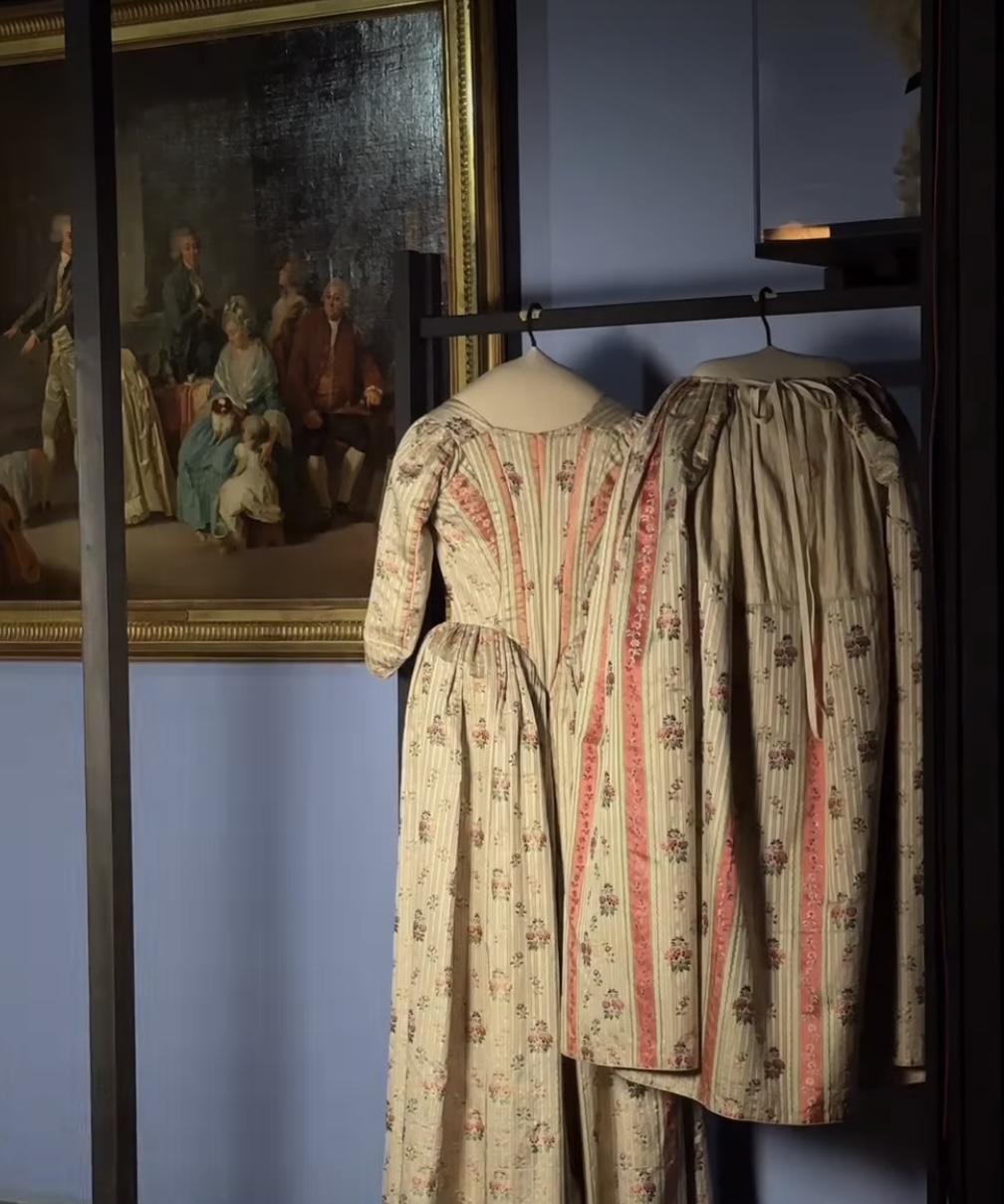
The exhibition then focuses on a typical day in the life of a French aristocratic family during the Age of Enlightenment: Boilly’s portrait of the Gohin family, who had made their fortune through long-distance trade, introduces us to the heart of the household. Visitors are invited to meet Monsieur and Madame, a court sword at his side and jewels at hers, as well as their children through their clothing, the care given to their education, and their daily games. The exhibition also presents their numerous and specialized servants, whom we see going about their tasks (scouring the silverware, preparing meals, drawing water from the copper fountain, washing and ironing clothes, etc.); finally, their beloved pets—dogs, cats, and birds—evidence of a newfound attachment.
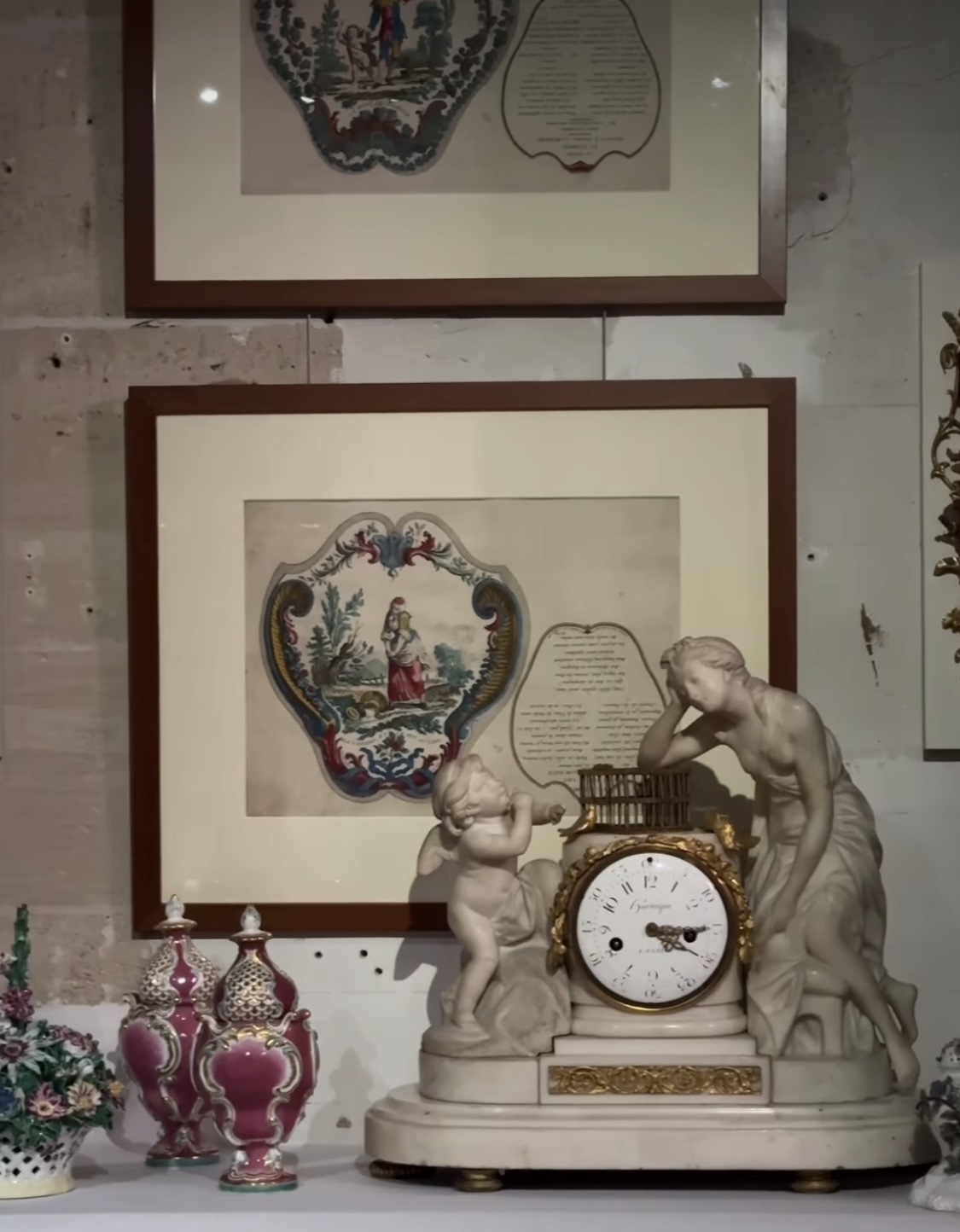
The exhibition immerses us in a day divided into three parts: morning, after dinner, and evening, each brought to life through a gradual treatment of light. Scientific and technological advances in timekeeping are illustrated by a significant selection of clocks, wall clocks, and watches, as well as weekly planners and pocket almanacs with luxurious bindings. A new relationship with time, perceived with increasing precision, is emerging. The trend is toward longer days and later bedtimes.
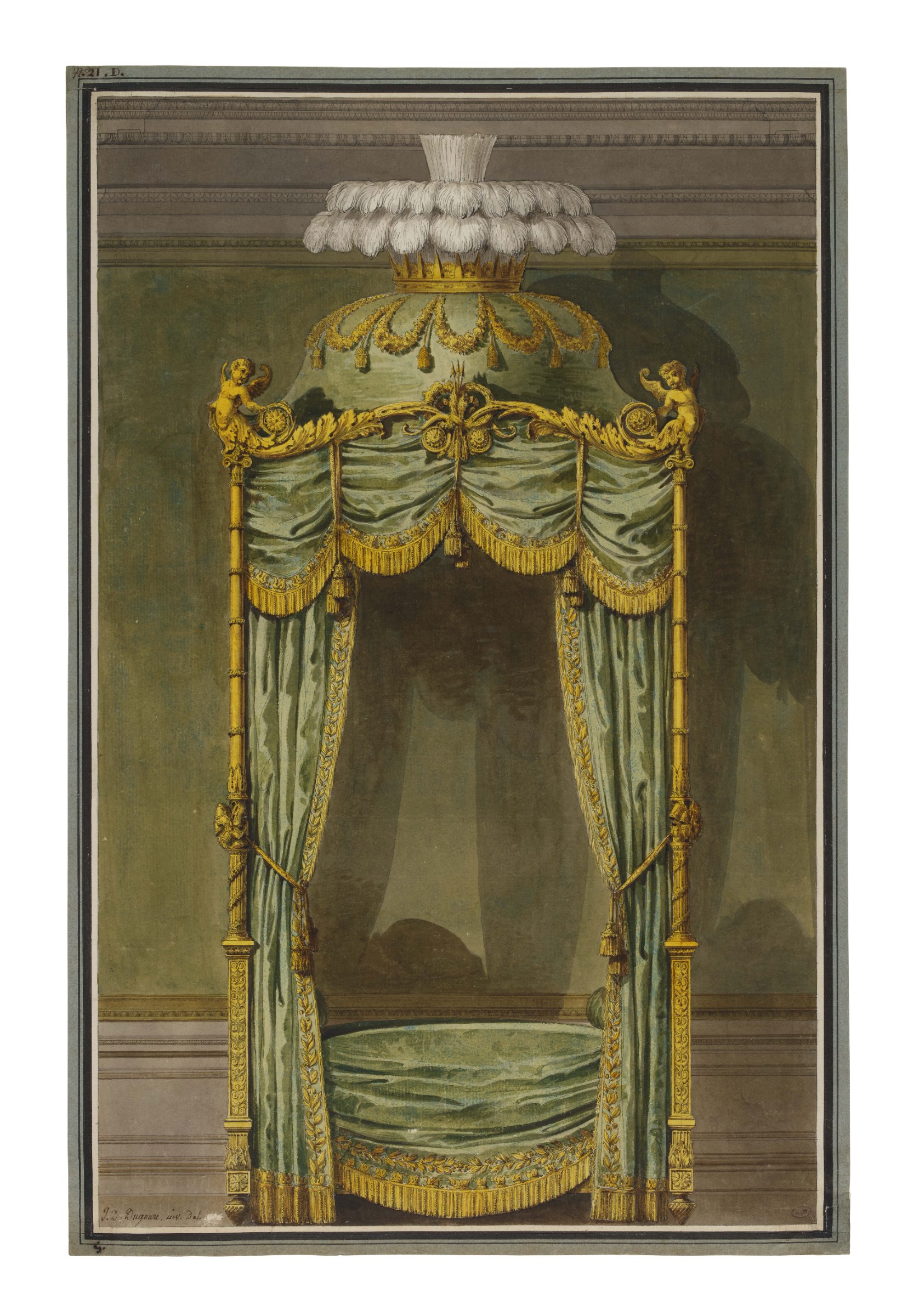
The day begins at sunrise in the bedroom, where a duchess-style bed stands perpendicular to the wall. Its canopy and fabric slats provide privacy and warmth for the sleeper. Around seven in the morning, the masters, each with their own apartments, are awakened by their servants, who have been busy since four. Before even eating breakfast, the first meal of the day, and dressing, they perform their prayers. Then they eat a meat and vegetable broth served in a porcelain bowl with handles, placed on a tray.
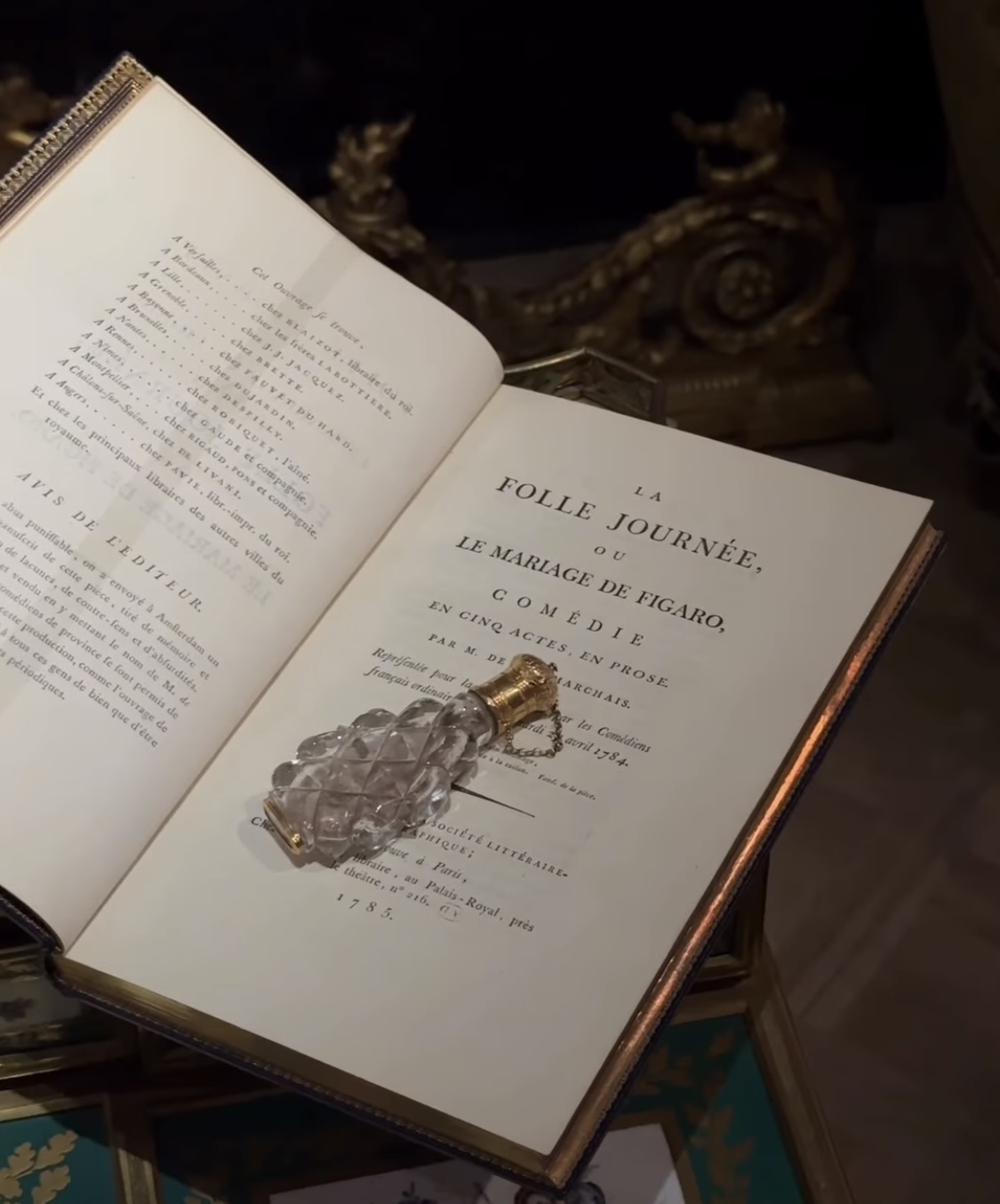
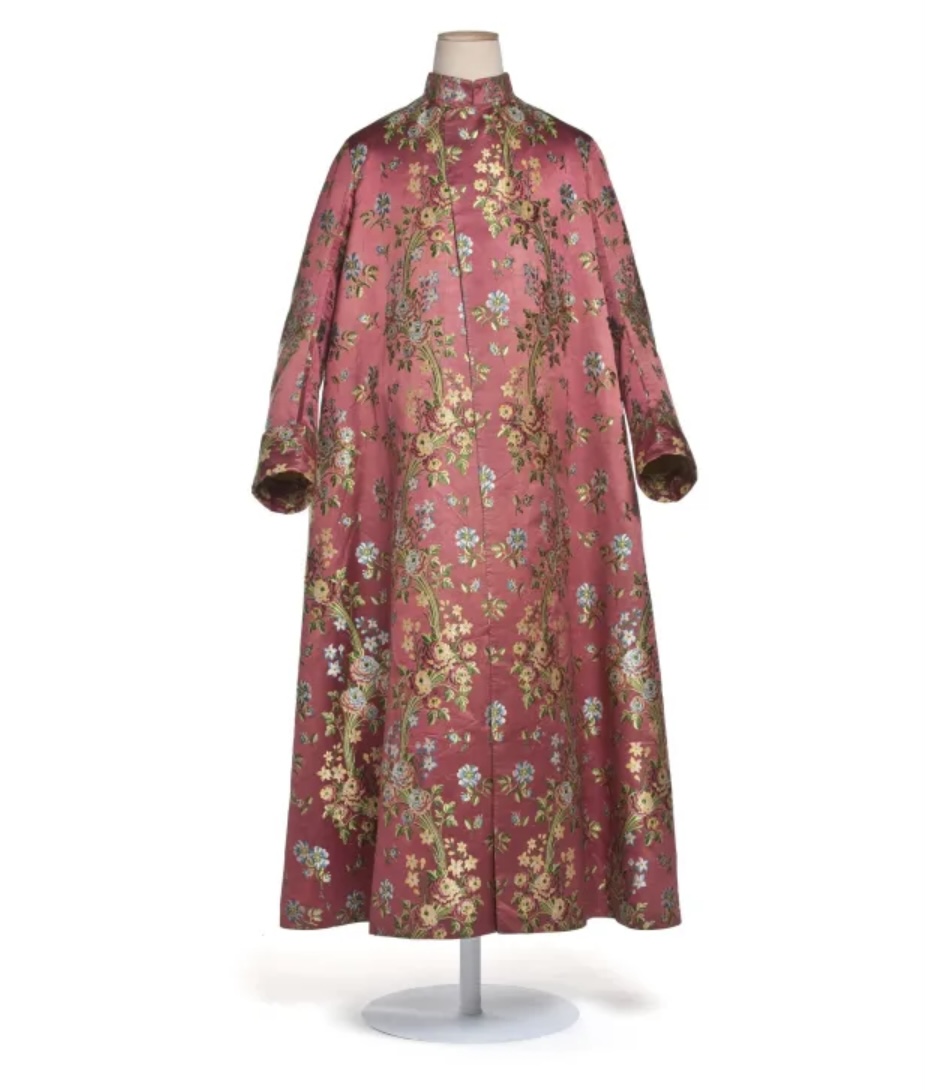
Before or after dinner, a visit to the library is a must. Gentlemen indulged their passion for science, philosophy, the arts, and their curiosity about distant lands, particularly China and Japan. This recreated space at the heart of the exhibition also served as a workspace, furnished with a desk or writing desk, allowing them to dedicate themselves to their duties or the management of their estates. Ordinarily reserved for men, the library offered a less formal setting than the rest of the townhouse, creating a space of intimacy. One could simply wear a dressing gown, a bonnet, and slippers, whose colorful silks and embroidery were exquisitely refined. The tour continues to the library’s counterpart: Madame’s boudoir. It is there that she can indulge in reading, seated in an ottoman, in writing while leaning on her desk known as a “bonheur-du-jour,” in drawing, but also in needlework. She thus makes small works in woven beads, the sablés, or plays at making knots and cords in silk thread, using luxurious shuttles like jewels.
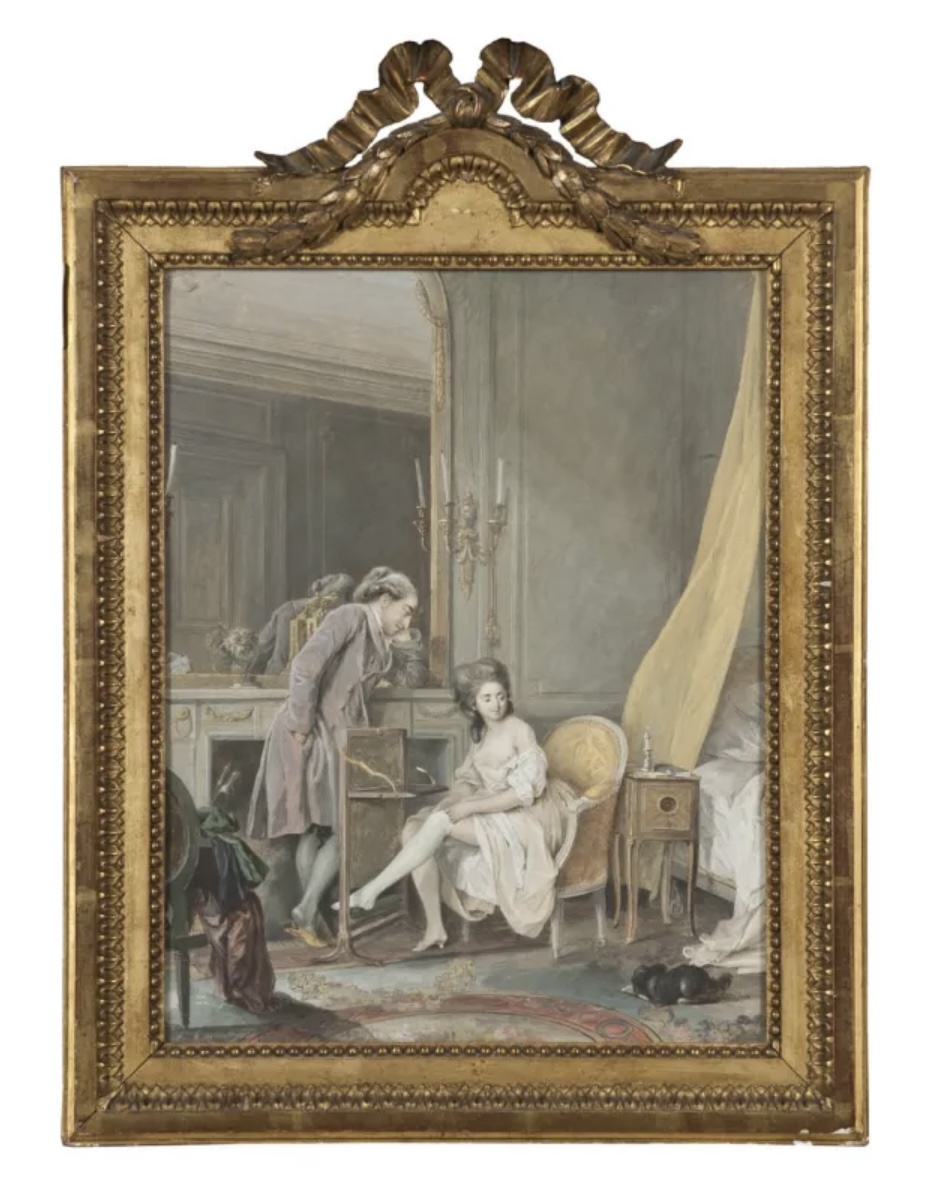
In the 18th century, the morning remained a convivial occasion, a time when one could receive friends, suppliers, secretaries, or spiritual advisors, if desired, to discuss personal, professional, or domestic matters. Dressing and hairstyling, often done in the presence of a small circle, provided an opportunity to display a wide selection of personal grooming items. The private bath was the preserve of the wealthiest, largely due to the need to prepare the bathtub using a copper water heater, as running water was unavailable. Ordinarily, washing remained a dry affair, limited to the use of a ewer and basin, soap and sponge boxes, a washcloth, and a bidet. A chamber pot, a chamber pot, and a commode completed these essential items of personal hygiene. Men, women, and children wore wigs made of powdered natural hair. Reflecting one’s social standing, adornment and clothing had to be carefully chosen to present a good image to the world, and the exhibition illustrates this requirement. Perfumes, cosmetics, and beauty patches, all kept in richly decorated bottles and boxes, played a fundamental role in this preparation.
The exhibition’s narrative continues with the time of dinner (meals taken between 2 and 4 p.m.). The dining room, as a specialized room, appeared in aristocratic homes. Visitors can discover permanent furnishings such as a wall fountain for washing hands, chairs often with caned seats, side tables, coolers where glasses and bottles, never placed on the table, were kept chilled, and a large table—simple trestles until the end of the century when the fixed table made a tentative appearance—set around a sumptuous spun-glass centerpiece, intended to amuse guests and stimulate conversation. While plates, cutlery, and dishes await the guests, glasses are brought upon request. The service known as “French-style,” practiced throughout the century, consists of placing all the garnished dishes on the table.
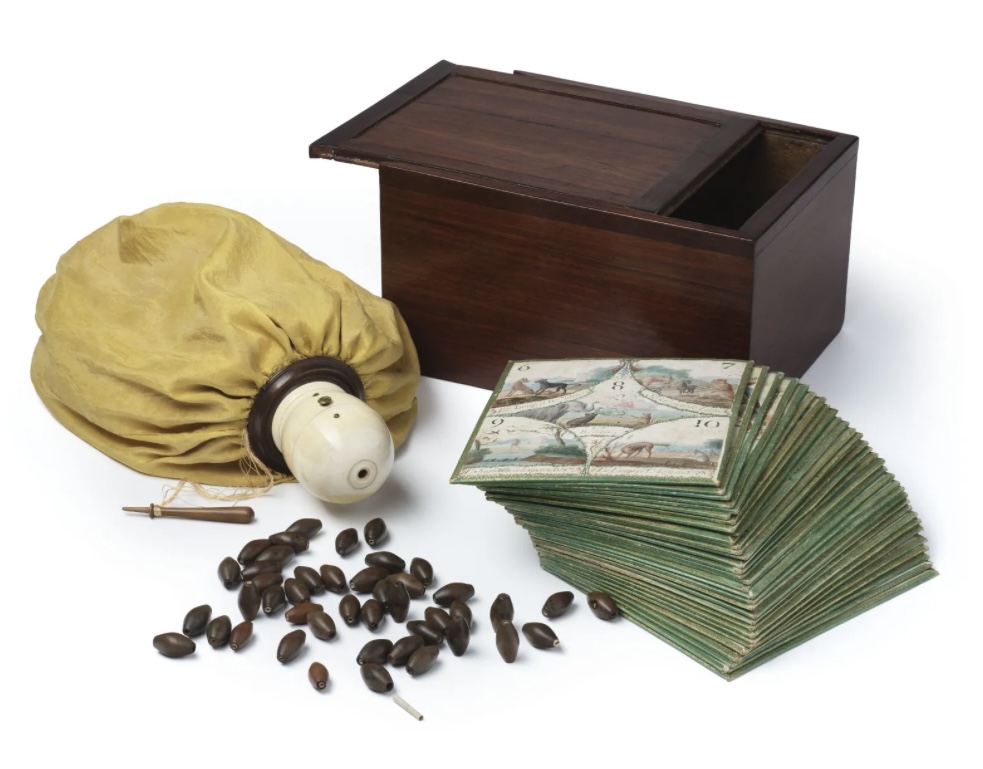
After dinner, the practice of a light snack, taken indifferently in the bedroom, boudoir, a small study, or the drawing room with friends, became very important. Chocolate, tea, or coffee, luxury goods imported from distant lands and reserved for the elite, were now consumed and served in pieces of silverware and porcelain specially designed for this purpose. Sugar, intended to soften the bitterness of these fashionable drinks, consumed for their invigorating, even aphrodisiac, properties, was also considered a luxury item. To avoid burning oneself, once served, the beverage was poured from the cup into the saucer, which was then raised to the lips. Throughout the 18th century, supper was eaten later and later, between 8:30 and 11:00 p.m. It is a meal that generally takes place in private, with a small group of guests, a limited number of servants whose role is simply to serve the food, without remaining permanently in the dining room. This new practice leads to the creation of a new kind of furniture: lightweight, mobile, and easily moved. One simply has to reach out to serve oneself. To keep up with the game, chair makers invent the “voyeuses” and “ponneuses,” on which one sits kneeling or astride, elbows resting on the high back. Music and dance can also enliven the evening, particularly with the emergence of chamber music (a new genre), which aims for greater simplicity of execution and performance. This is the era of smaller musical genres such as the French cantata, the sonata, suites, and arrangements of popular operatic arias for two or three instrumentalists. Harp, harpsichord, guitar, flute and violin are particularly popular with individuals who play as amateurs in front of a small circle of captivated friends.The exhibition concludes with the final moment of the day: bedtime. Men and women put on a white nightgown after washing their faces. The gentleman covers his head with a nightcap, while the lady protects her hair, which she has had thoroughly brushed, with a bonnet known as a “sleeping cap.” A snack may be left on the bedroom table in case of a late-night craving. A nightlight casts its pale glow… After an evening of socializing and entertainment, sometimes ending with a midnight snack, it is time to surrender to Morpheus: by then, it is well past midnight. One of the leisure activities also highlighted in the exhibition is the consumption of tobacco, with all the social customs this practice encompasses. Taking snuff was indeed very fashionable in the 18th century, and offering it to others was a sign of honor and distinction. Tobacco was kept in snuffboxes made from rare and precious materials, which became essential accessories that could be matched to one’s attire, depending on the season and time of day. Many of the pieces on display also illustrate the practice of gambling among the aristocracy, which most often took place in the evening. Here again, a whole range of specific furniture was gradually designed, such as tables for backgammon, ombre, quadrille, brelan, and bouillotte, respectively rectangular, square, triangular, and circular.
https://www.germanopratines.fr/wp-content/uploads/2026/03/MAD-PARIS-6.jpg14251021Hélènehttps://www.germanopratines.fr/wp-content/uploads/2019/12/logo-germanopratines-3-1030x221.pngHélène2026-03-09 16:47:132026-03-09 16:57:24A day in the 18th century
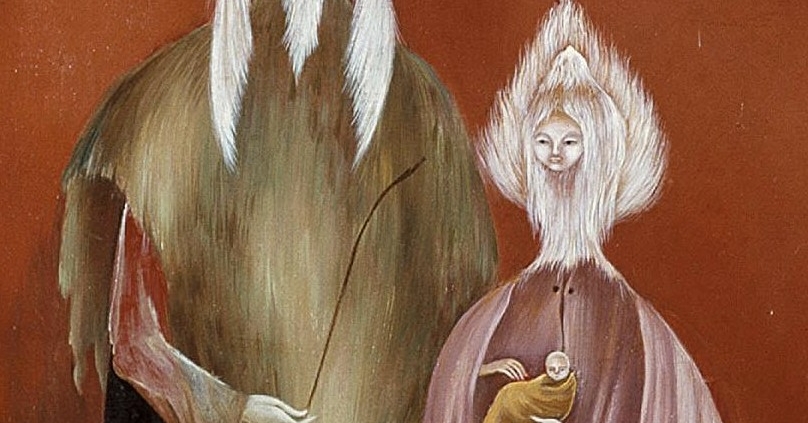
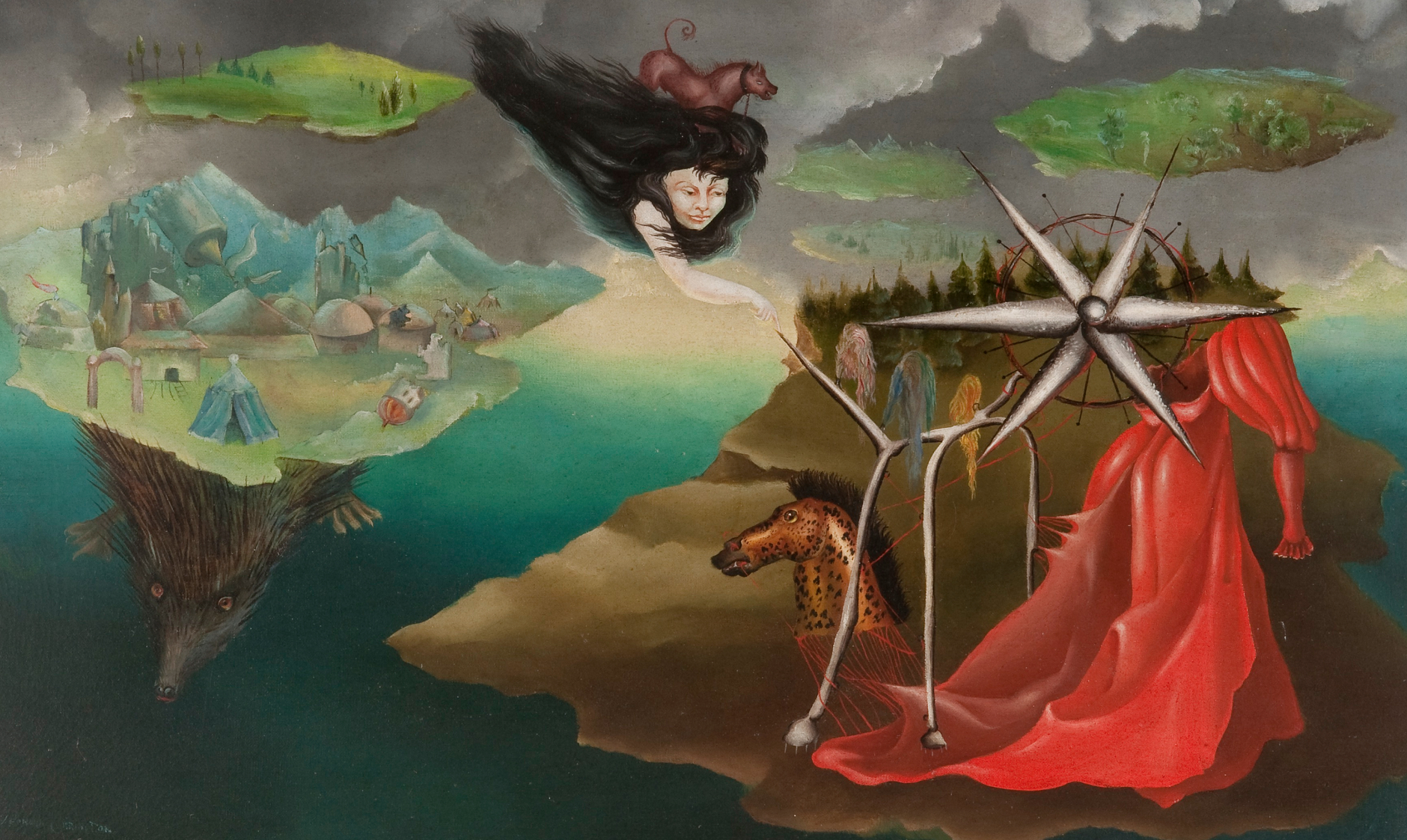
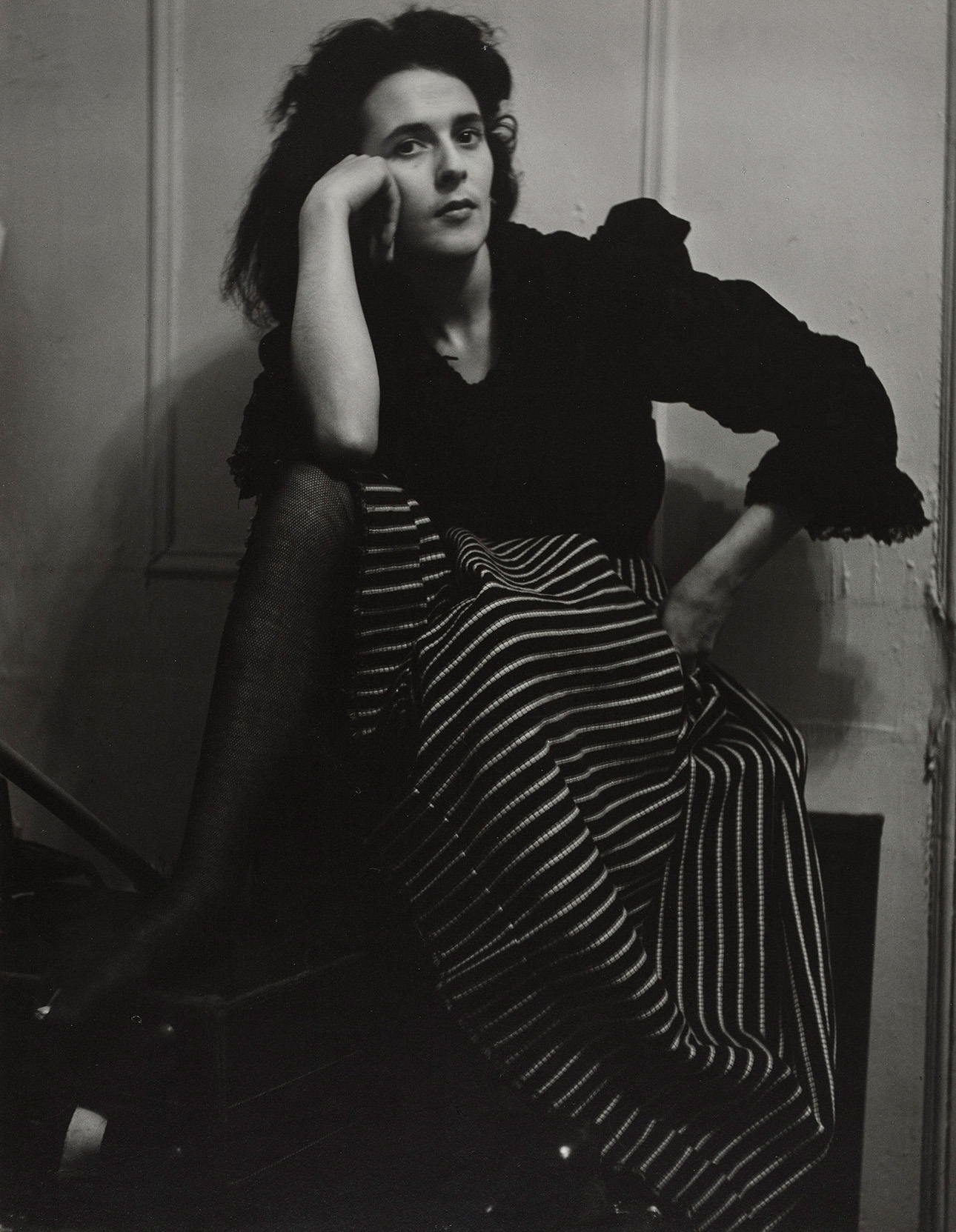
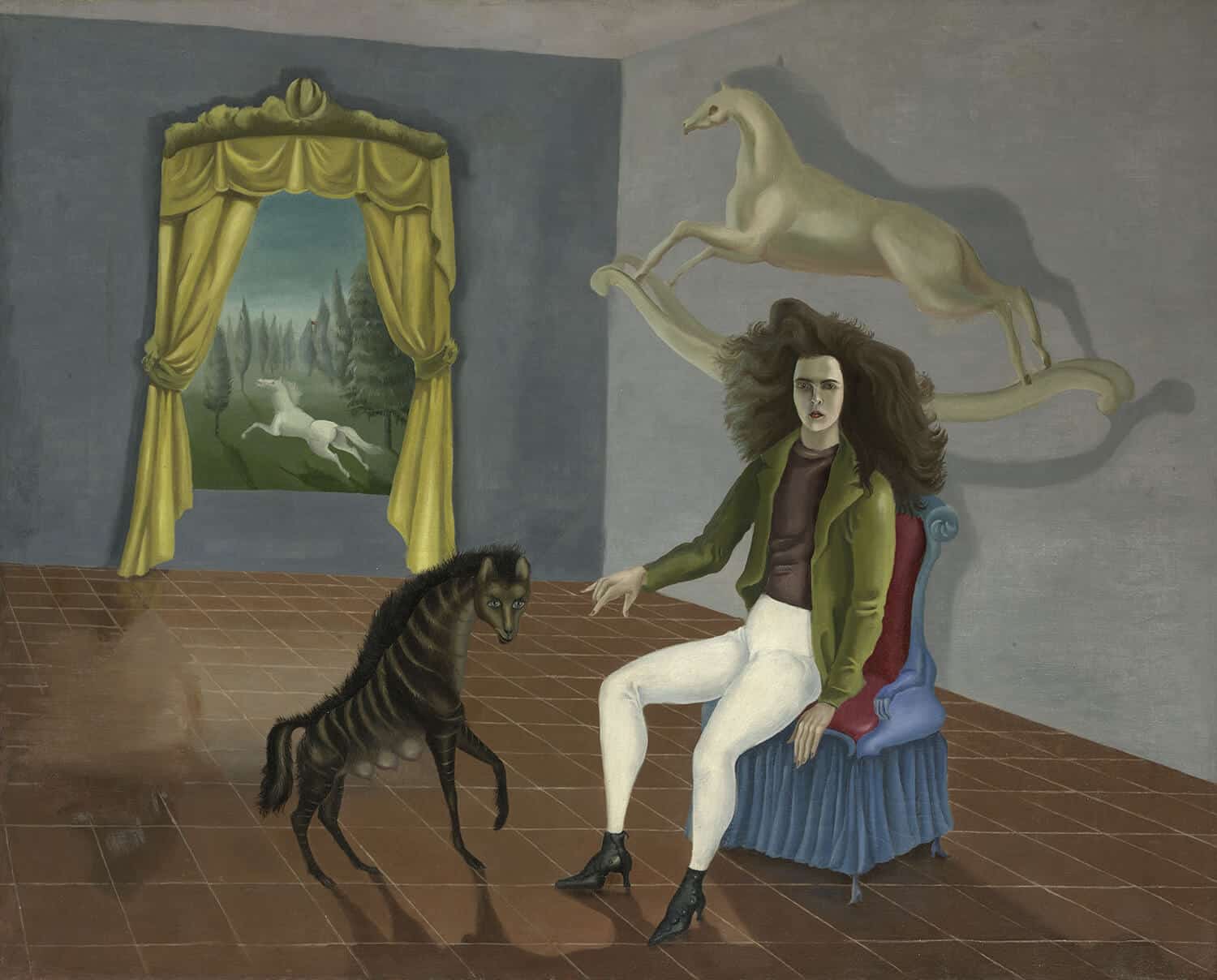
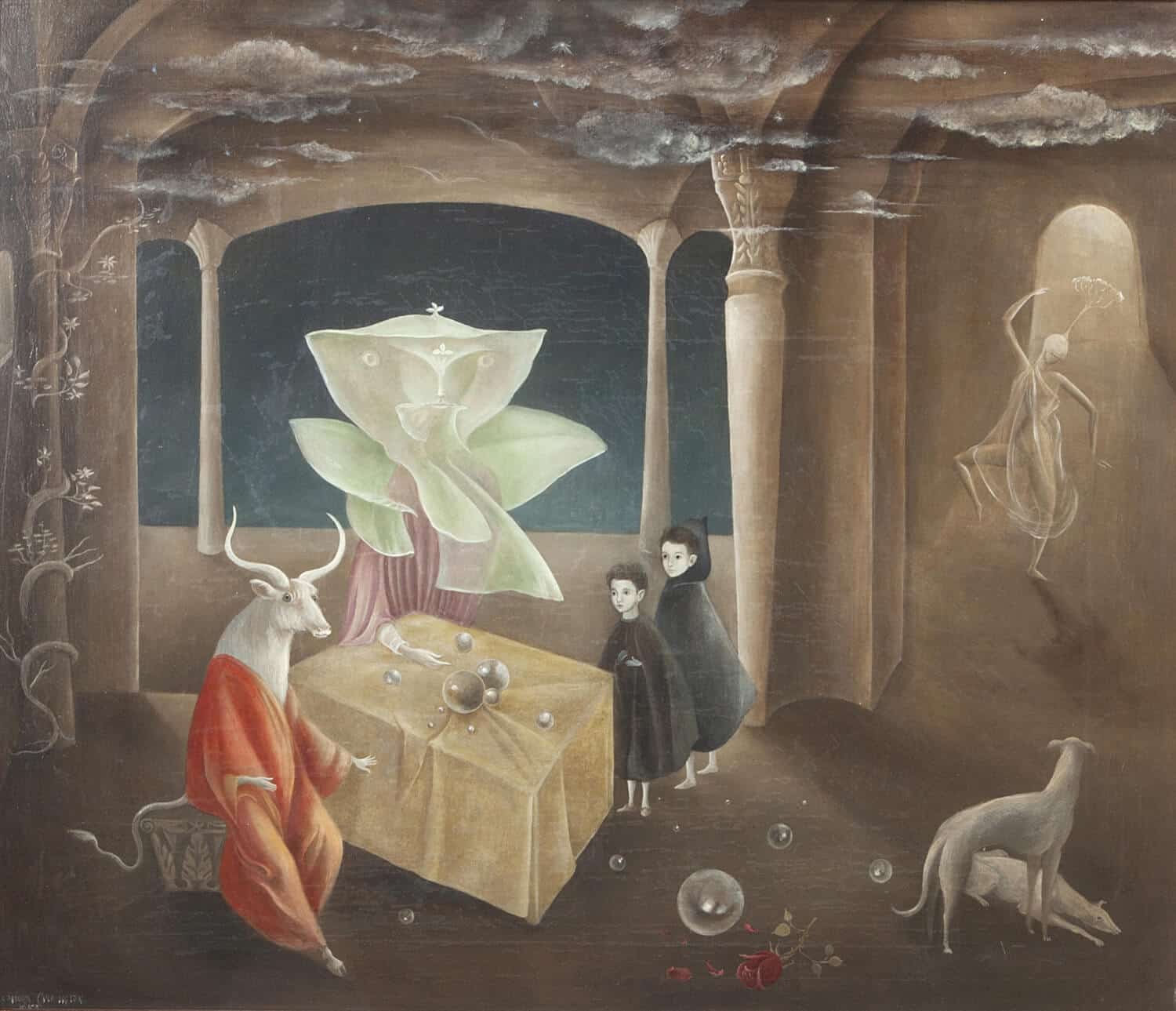
An artist, avant-garde feminist and environmentalist, woman, mother, migrant, survivor of mental illness, and constantly evolving spiritual seeker, Leonora Carrington left behind an extraordinary and radical legacy. Born in 1917 in Lancashire, England, Leonora Carrington forged her identity through travel, both internal and external. From Florence to Paris, from the South of France to Spain, and finally to Mexico where she became a cult figure, her exceptional journey fueled a body of work at the crossroads of surrealism, mythology, and esotericism.
This exhibition, bringing together 126 works, is the first major one in France devoted solely to Carrington’s work. It presents Carrington as a “Vitruvian Woman”: a complete artist, representing a model of harmony and innovation. Her creations fuse human and animal, masculine and feminine, giving form to a world where metamorphoses and symbols resonate with one another.
Through a chronological and thematic approach, as well as a unique presentation of her diverse visionary creations, the exhibition explores the artist’s main themes and areas of interest: her discovery of classical Italian art in Florence during her adolescence, her fascination with the Renaissance, her Celtic and post-Victorian origins, and her involvement with Surrealism during her time in France. The exhibition thus highlights the exceptional legacy of this perpetual traveler, always in search of self-knowledge.