The arts in France under Charles VII

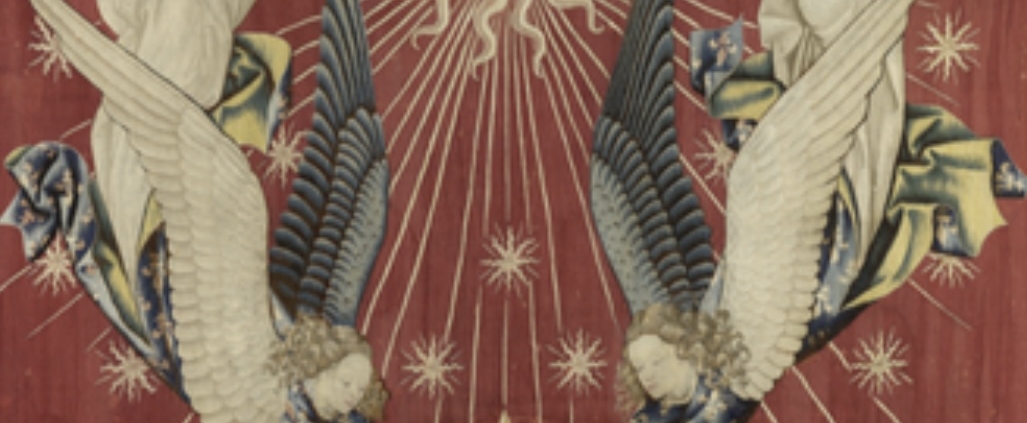
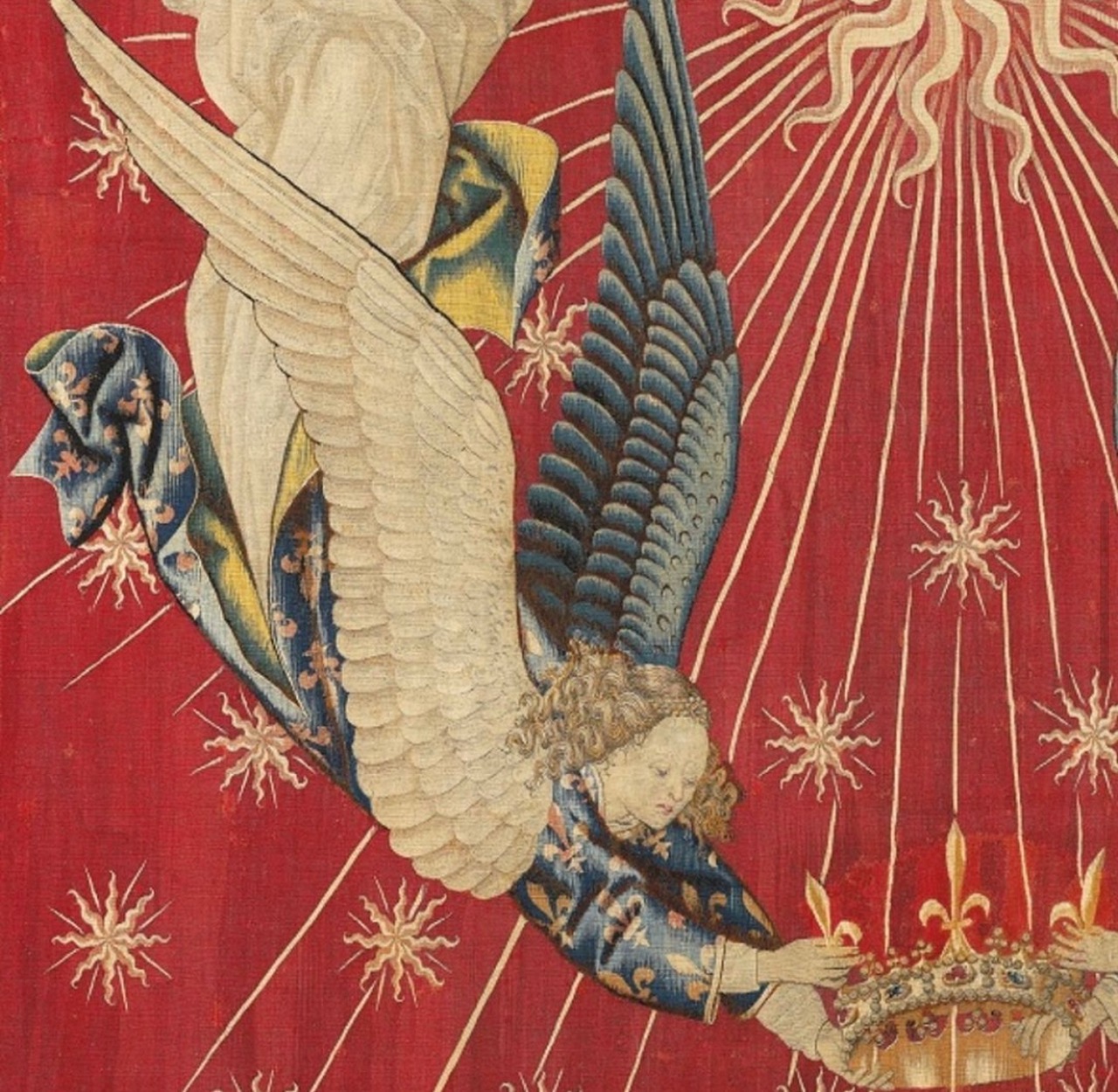
The Cluny museum highlights a pivotal moment in history and art history, that of the reign of Charles VII (1422-1461). Driven out of Paris, taking refuge in Bourges, the dauphin Charles succeeded in reconquering his throne, then his kingdom occupied by the English.
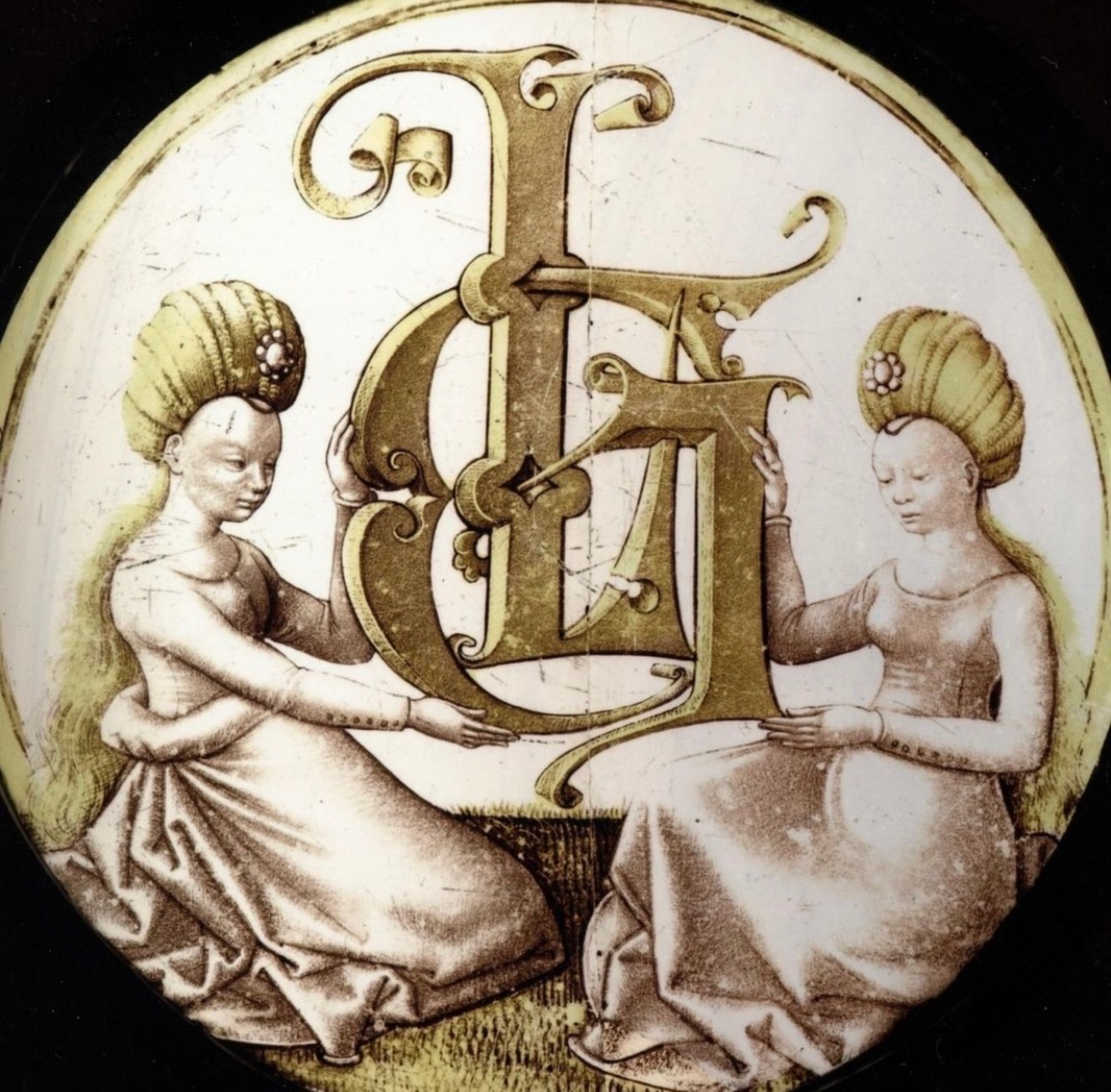
From the 1420s, during the Hundred Years’ War, the Kingdom of France experienced profound political and artistic changes. In the north of the kingdom, occupied by the English and the Burgundians, multiple artistic centers emerged. When the dauphin Charles manages to reconquer his throne, thanks in particular to Joan of Arc, and then his kingdom, the conditions for a renewal are met. Major sponsors, like Jacques Cœur, are calling on a new generation of artists. The latter converted to Flemish realism, described as ars nova, in full swing notably with Jan van Eyck, while through Italian influence, they imbued themselves with the ancient heritage developed by artists like Filippo Brunelleschi,
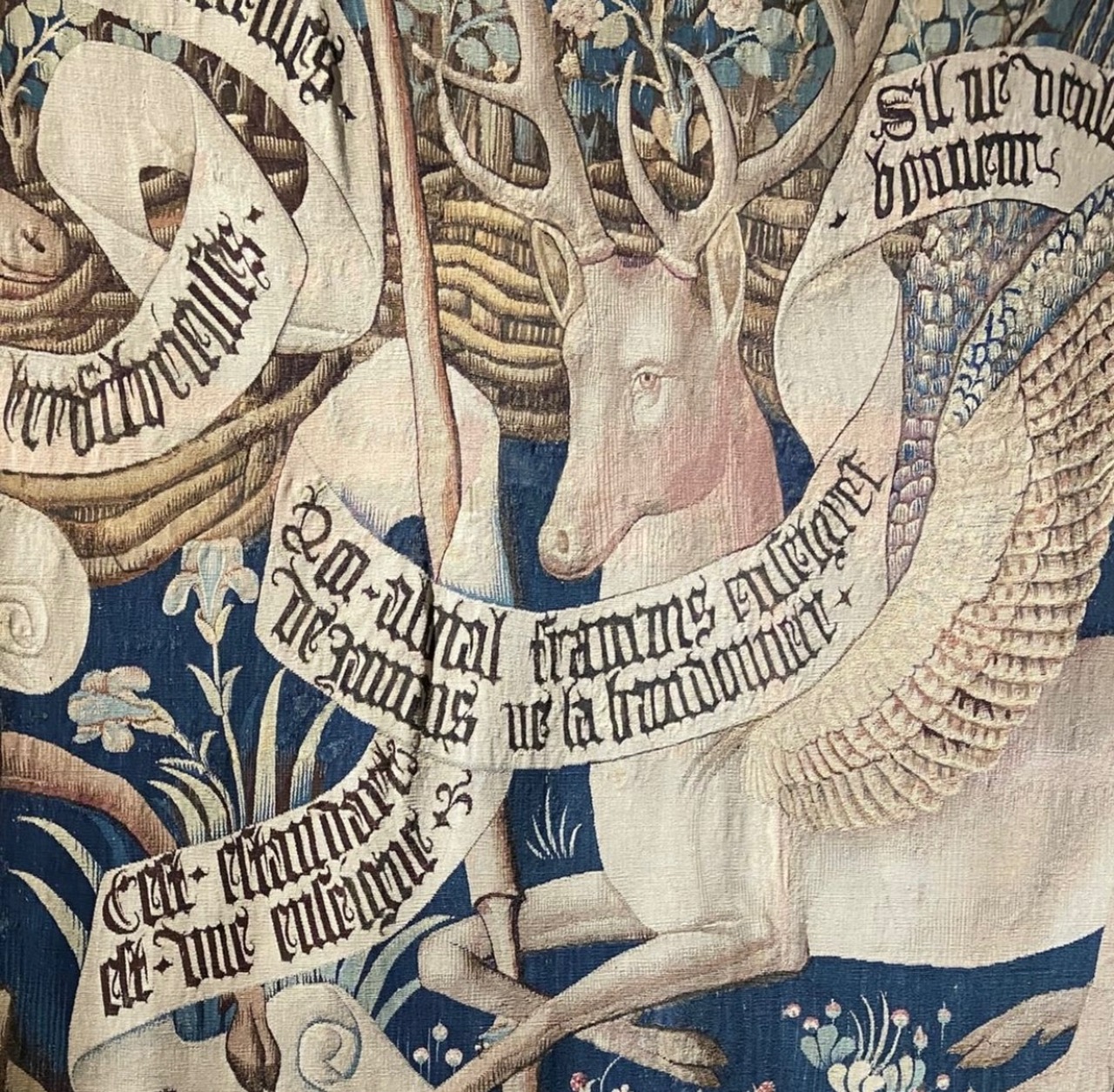
Donatello or Giovanni Bellini. Artistic creation gradually broke with international Gothic and turned towards a new vision of reality, the beginnings of the Renaissance. After a first part of historical contextualization, the exhibition shows the diversity of the arts in the main geographical centers, often associated with great figures of
sponsors. In a third and final section, the route allows an analysis of the specificities of this art in France, between Burgundian and Flemish ars nova, and Italian innovations. An essential chapter is devoted to Provence and the role of René d’Anjou, sponsor and introducer of northern art, evoking, among others, the figure of the artist Barthélemy d’Eyck.

Throughout the visit, the exhibition demonstrates the diversity of artistic production during the reign of Charles VII. It brings together prestigious illuminated manuscripts, paintings, sculptures, pieces of goldwork, stained glass and tapestries. Exceptional works appear there, such as the canopy of Charles VII (Louvre Museum), the manuscript of the Grandes Heures de Rohan (Bibliothèque nationale de France) or the painting of the Annunciation of Aix (Aix-en-Provence) by Barthélémy d’Eyck, painter
of Duke René of Anjou who illuminates his Book of Tournaments (National Library of France). For the first time, the Parisian triptych of the Passion and Resurrection of Christ by André d’Ypres is reconstructed in its entirety (Louvre Museum, Getty Museum, Fabre Museum). Finally, an entire section is devoted to Jean Fouquet, one of the greatest French painters of the 15th century. A brilliant illuminator, he is the author of the famous portrait painted on wood of Charles VII (Musée du
Louvre), presented prominently in the exhibition.
March 12 – June 16, 2024

MUSEE CLUNY

28 rue du Sommerard 75005 Paris

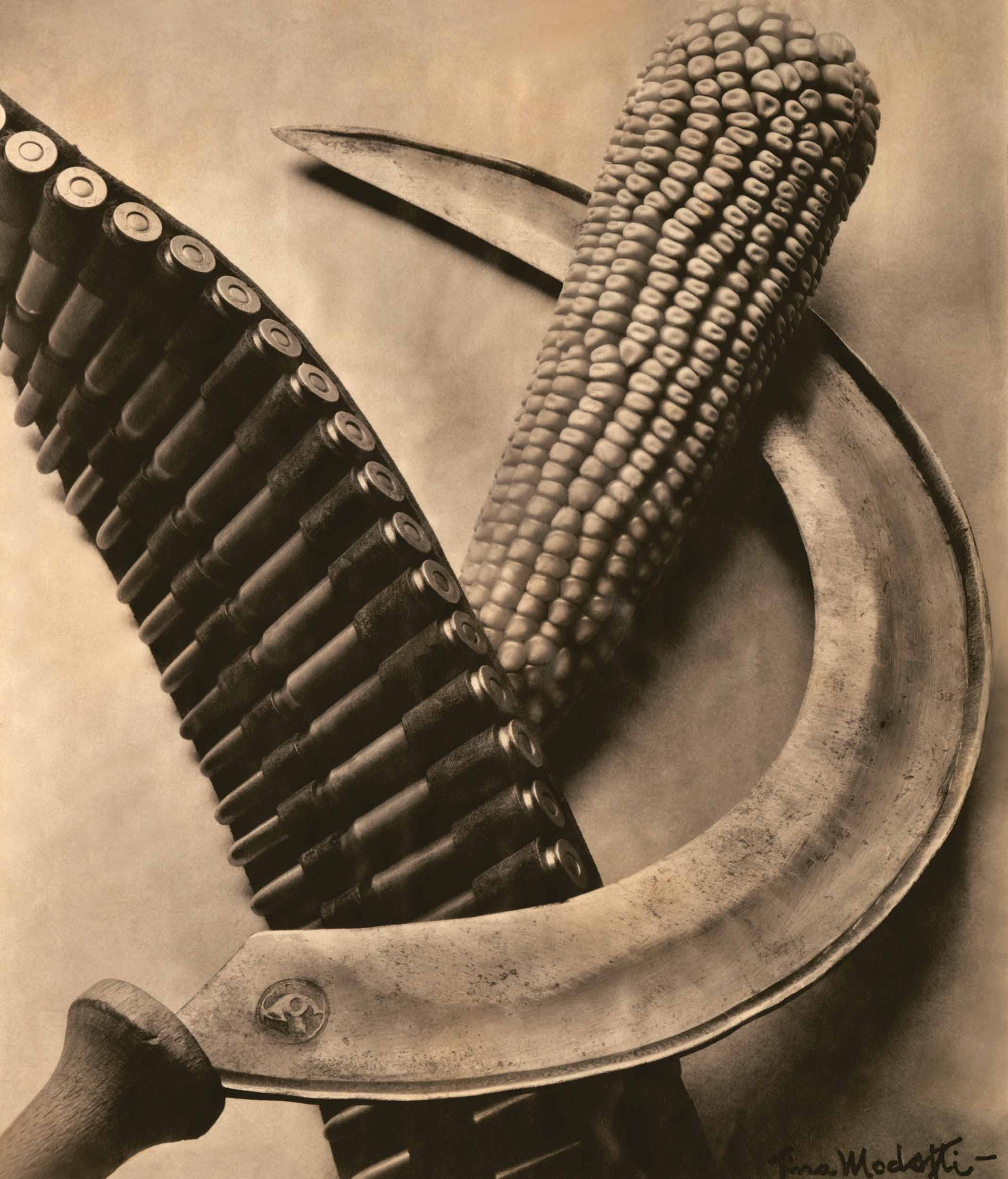
Tina Modotti

The eye of the revolution

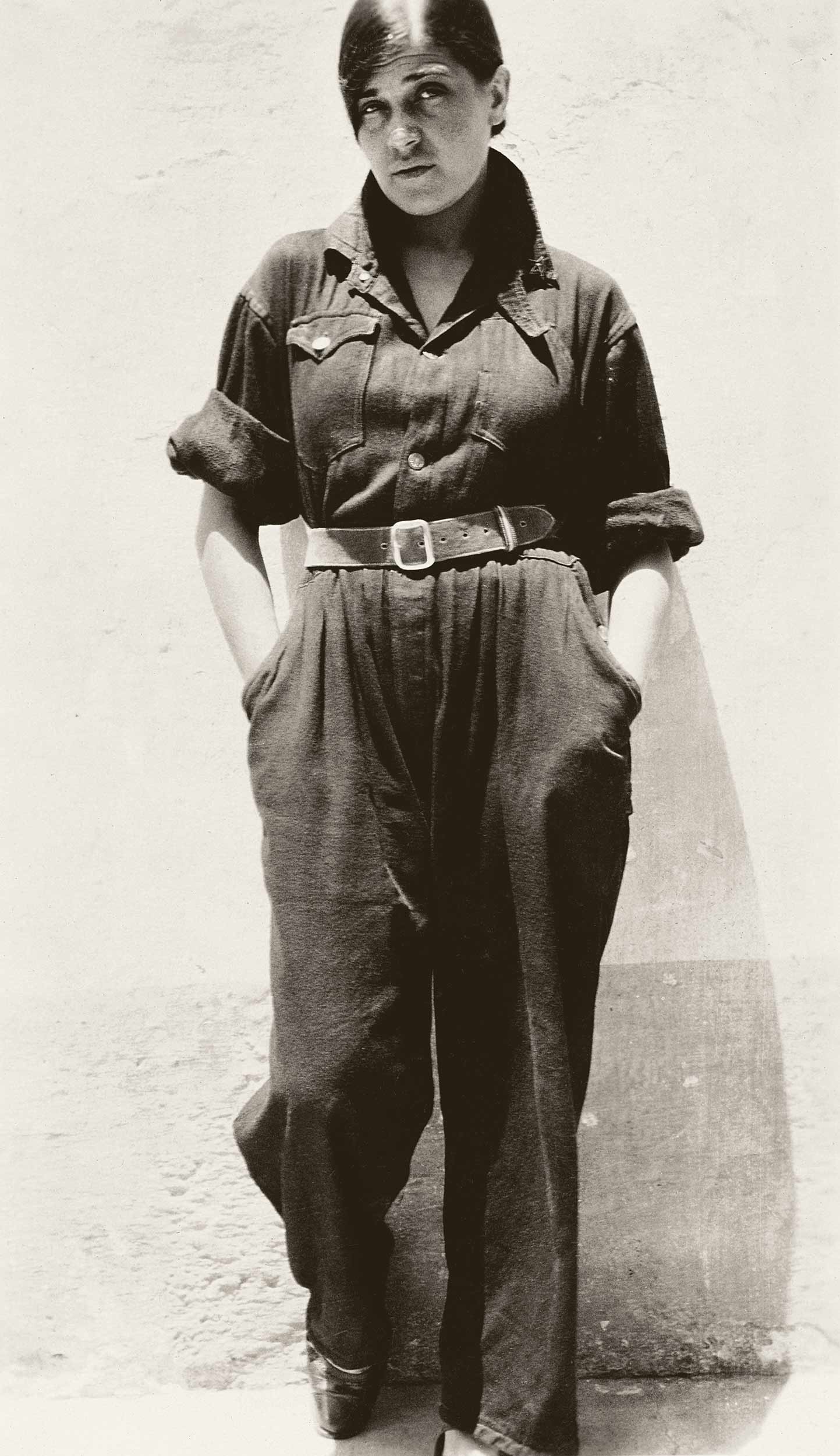
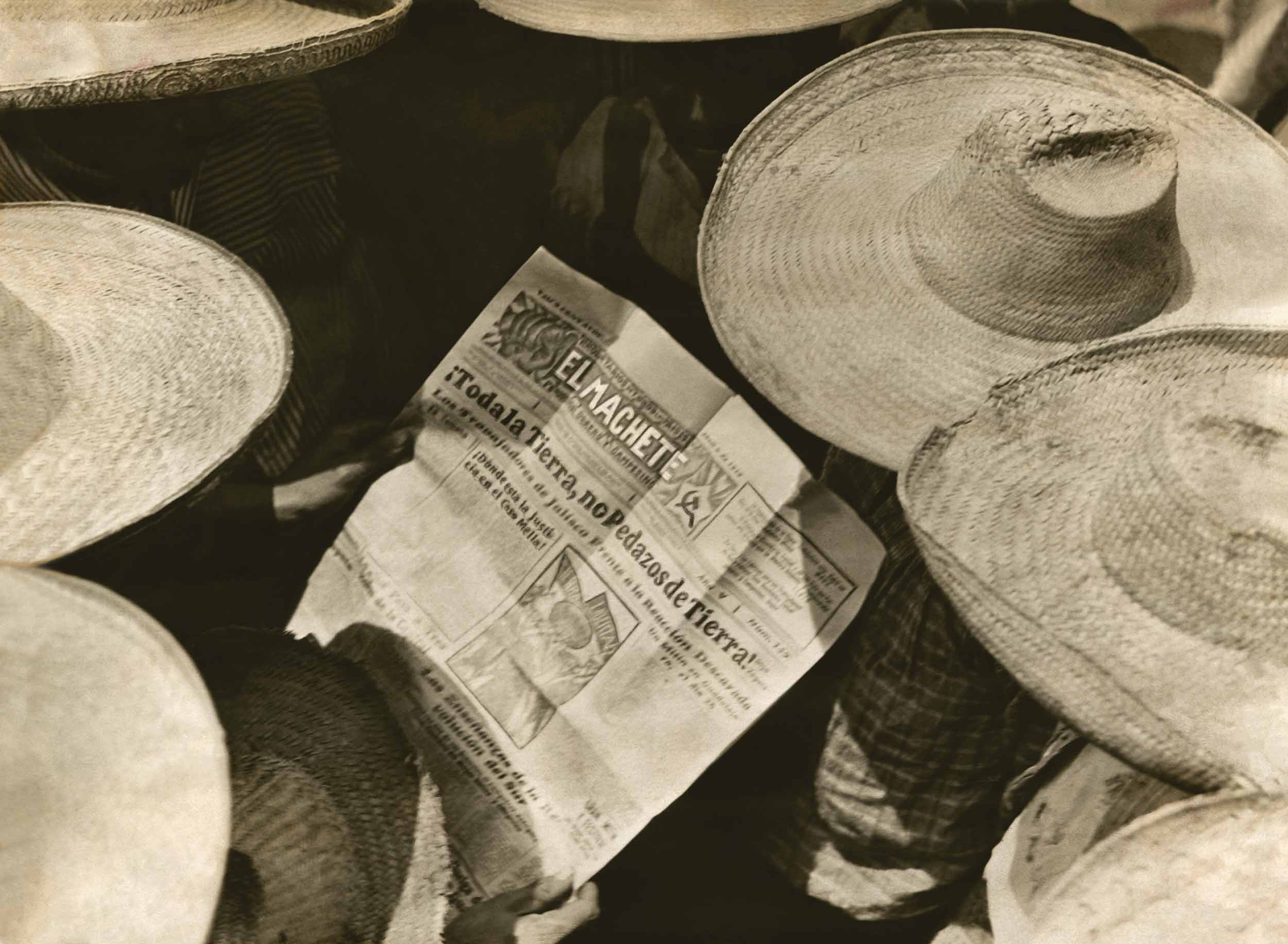
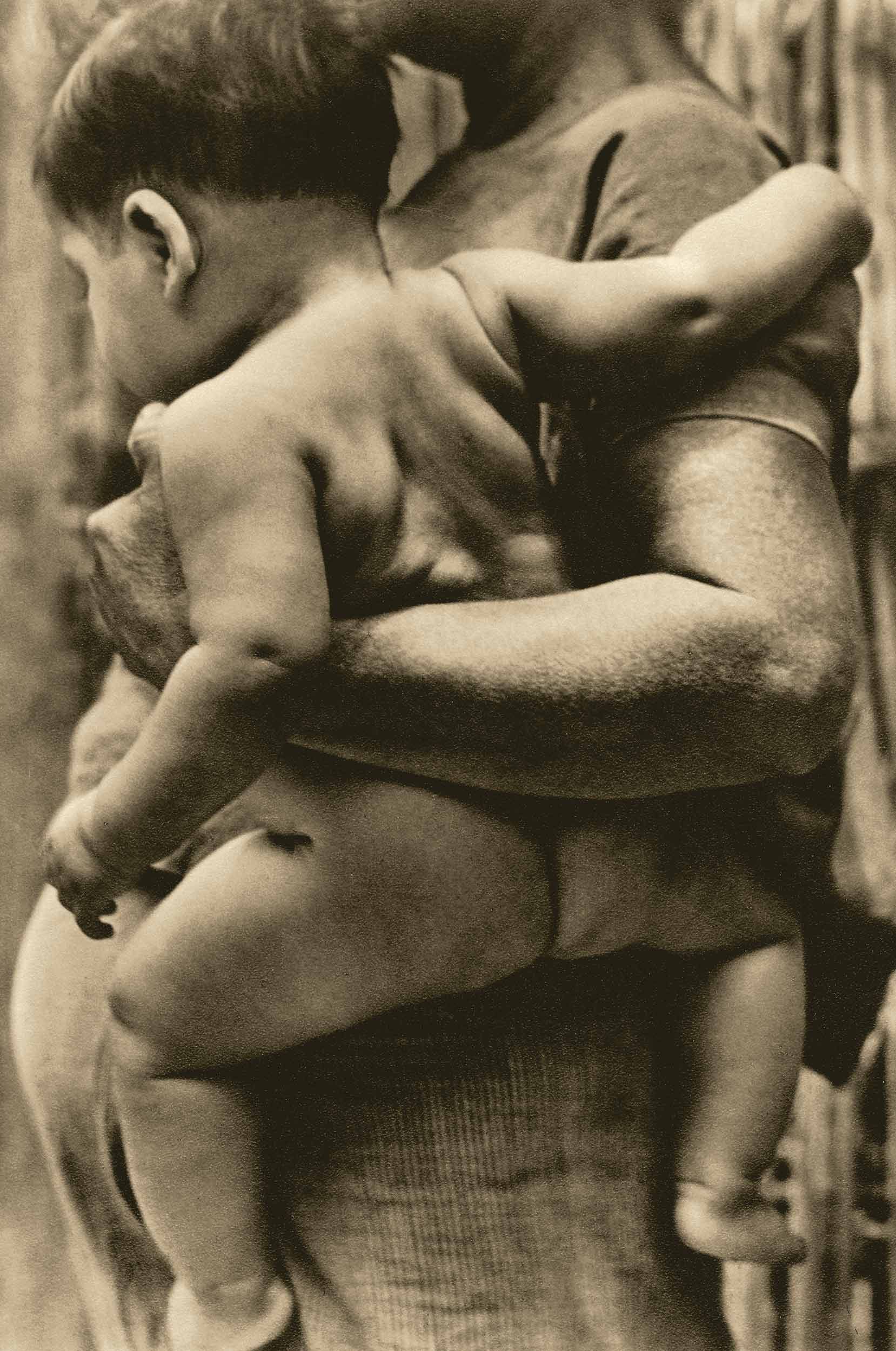
The life of Tina Modotti (Udine, Italy, 1896 – Mexico, 1942) was marked by some of the most important historical events of the first half of the 20th century: the economic emigration of Europeans to America, the birth silent cinema on the west coast of the United States, the post-revolutionary agrarian movements in Mexico, the rise of political muralism, the claim of indigenous Mexican culture, the emancipation of women in the public sphere, the opposition between Stalinists and Trotskyists after the Russian Revolution of 1917 and the Spanish Civil War.

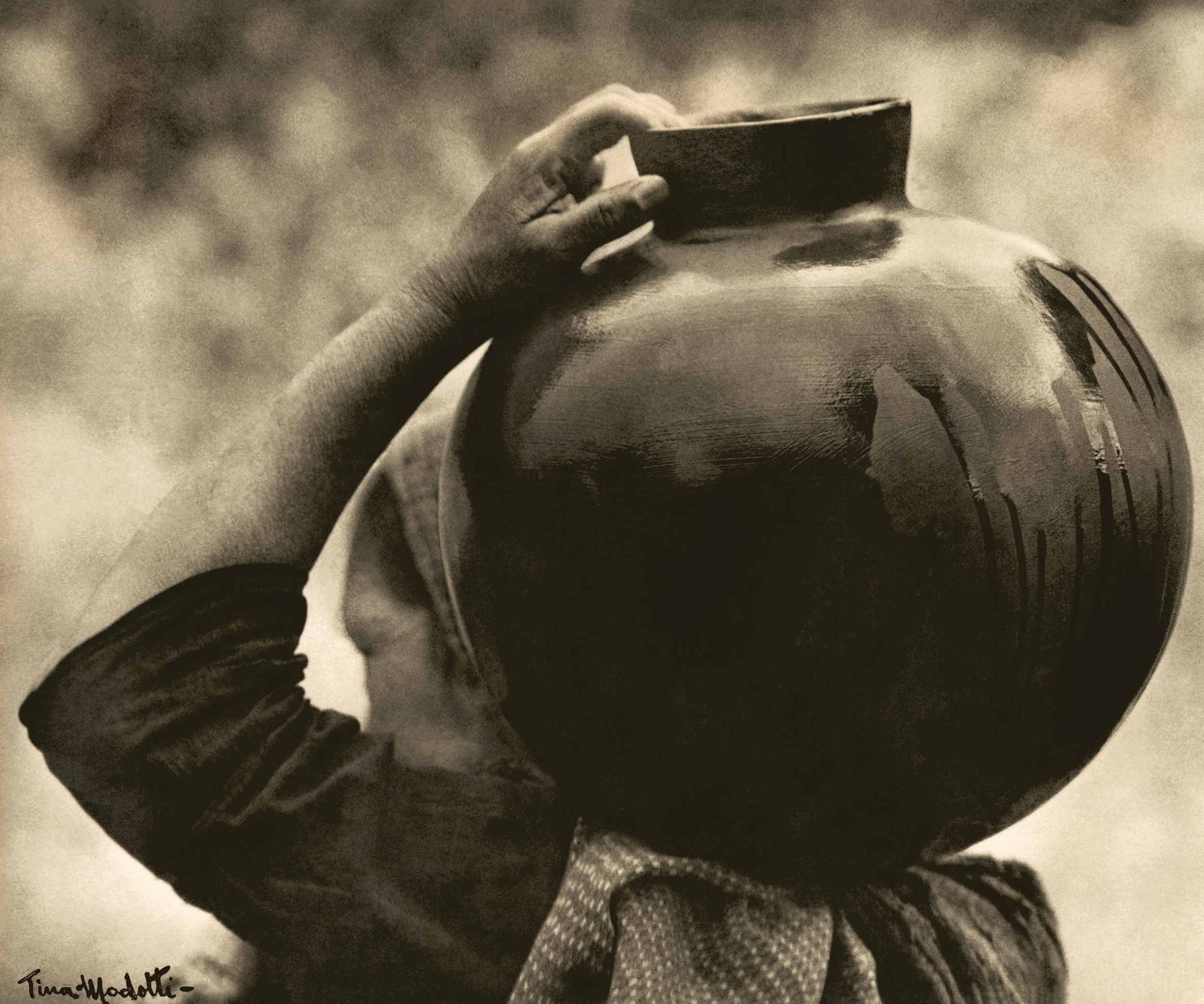
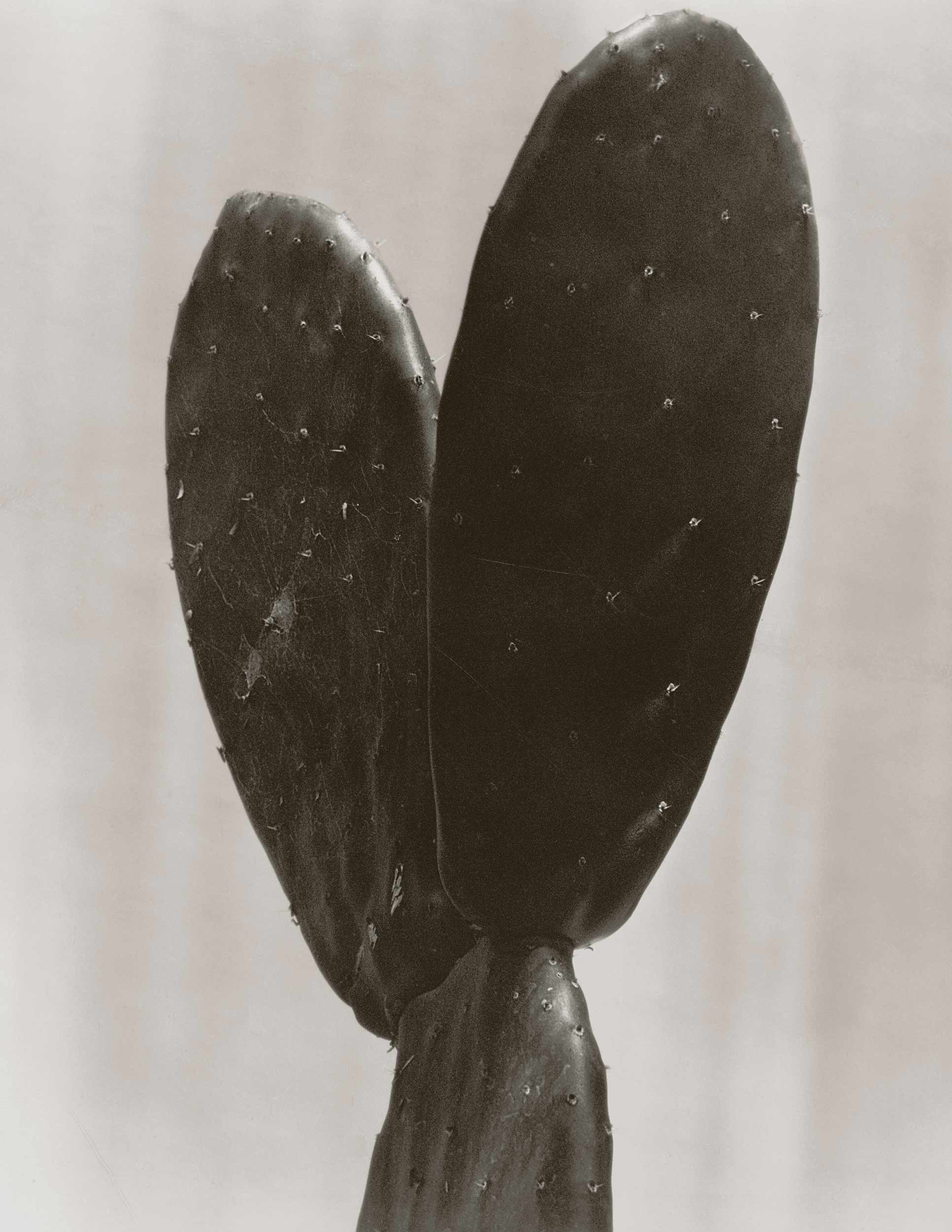
She is part of a generation of women who made a major contribution to photography in the 1920s and had a great influence on later Mexican photography, from Manuel Álvarez Bravo to Graciela Iturbide. Modotti was introduced to the practice of photography thanks to Edward Weston; However, his work, which develops a very personal vision, goes beyond the formalist teaching of the latter.

After her economic emigration from the Italian city of Udine to San Francisco and Los Angeles, Modotti left for Mexico, where she participated in the “Mexican renaissance” and the post-revolutionary cultural effervescence. Integrated into the circle of artists and muralists established there, she quickly combined “embodied photography” with Weston’s formalism. An activist in the Mexican Communist Party (PCM) since 1927, she denounced the condition of the poor with her camera, insisting in particular on the construction of a new imagination around Mexican women.

In 1930, Modotti was expelled from Mexico because of her communist commitment. She then lived for several years in the Soviet Union, where her photographic activism transformed into activism. In the mid-1930s, the Soviet Communist Party sent him to Spain. During the civil war, she organized the evacuation of “children of war”, coordinated the management of military hospitals and carried out missions relating to propaganda. Following the defeat of the Republicans in 1939, she crossed the Pyrenees alongside thousands of exiles. Exhausted and disillusioned by the outcome of the Spanish Civil War, she had to leave Europe again. She died in 1942 in Mexico City.

February 13 – May 12, 2024

JEU DE PAUME

Jardin des Tuileries

1 place de la Concorde 75001 Paris

Robert Courtright

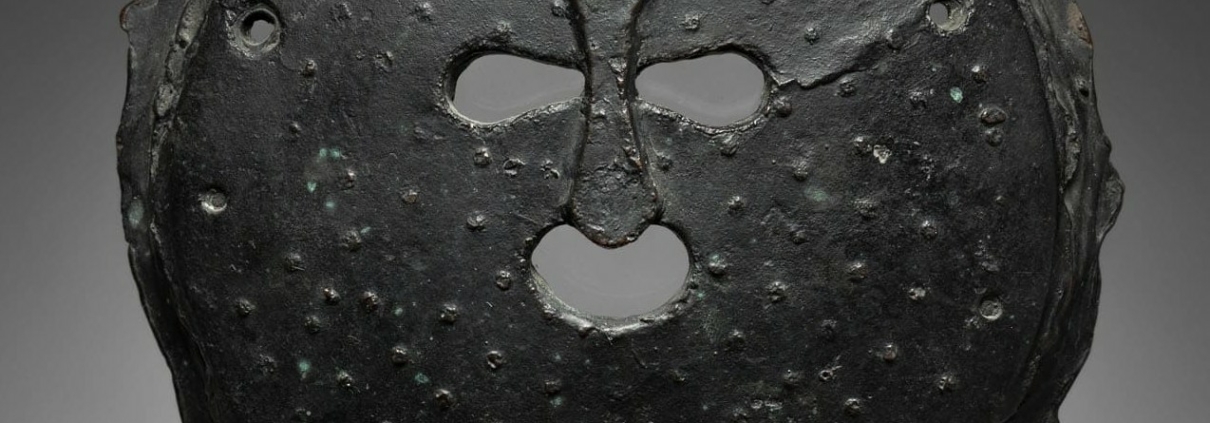
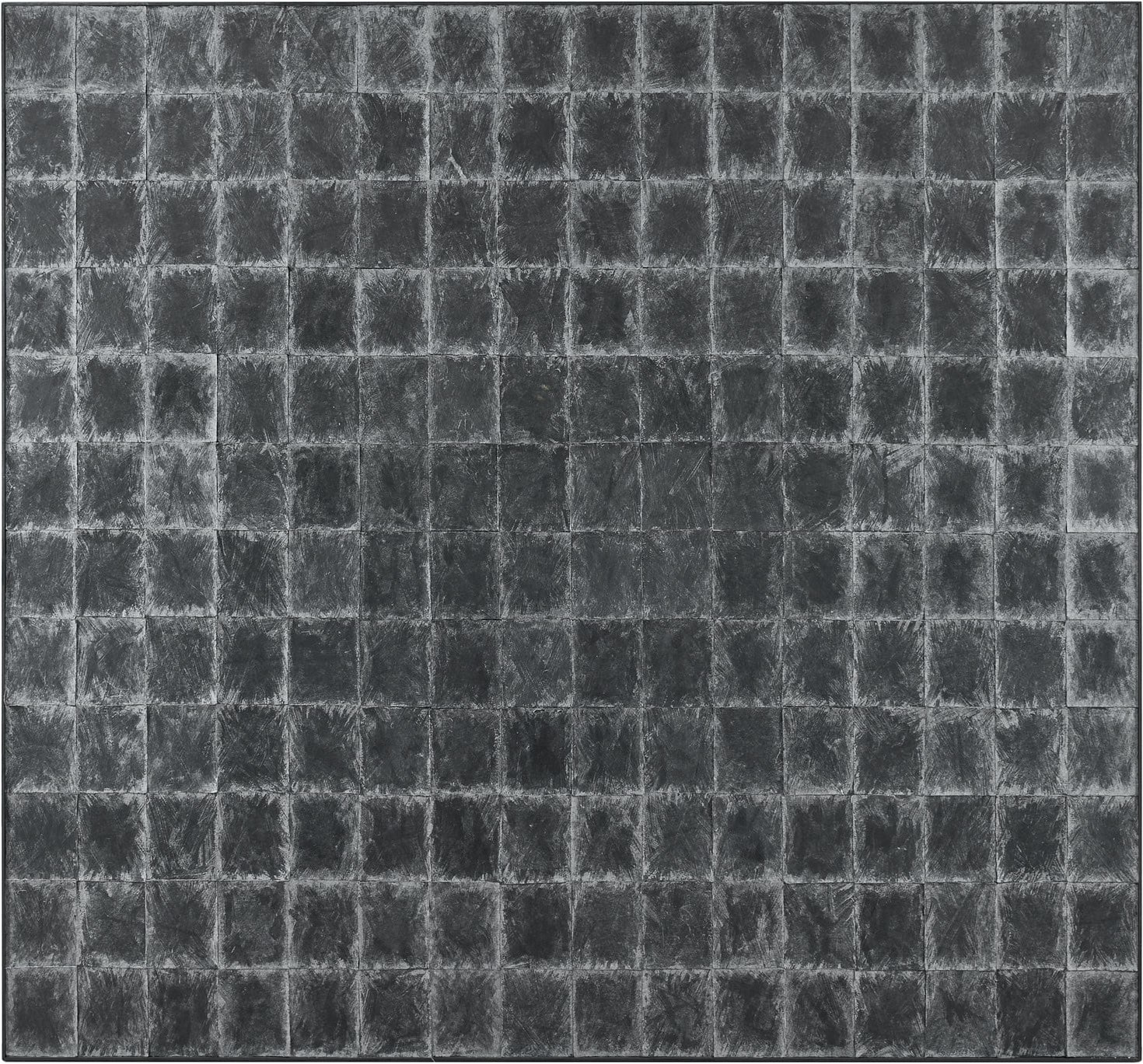
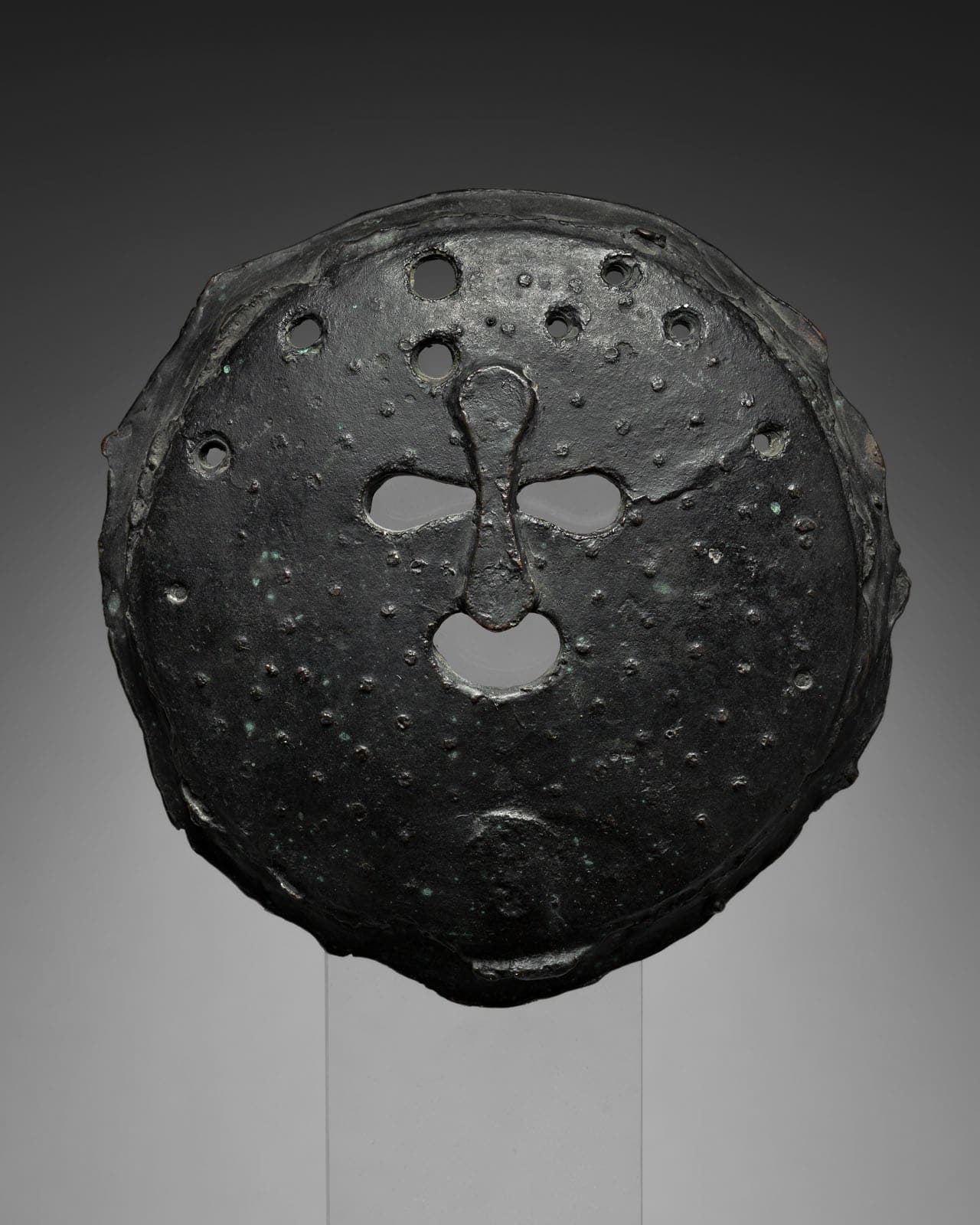
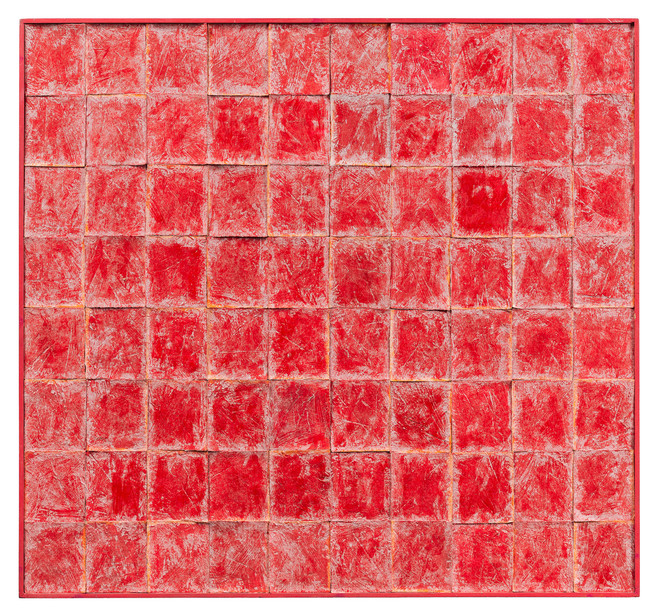
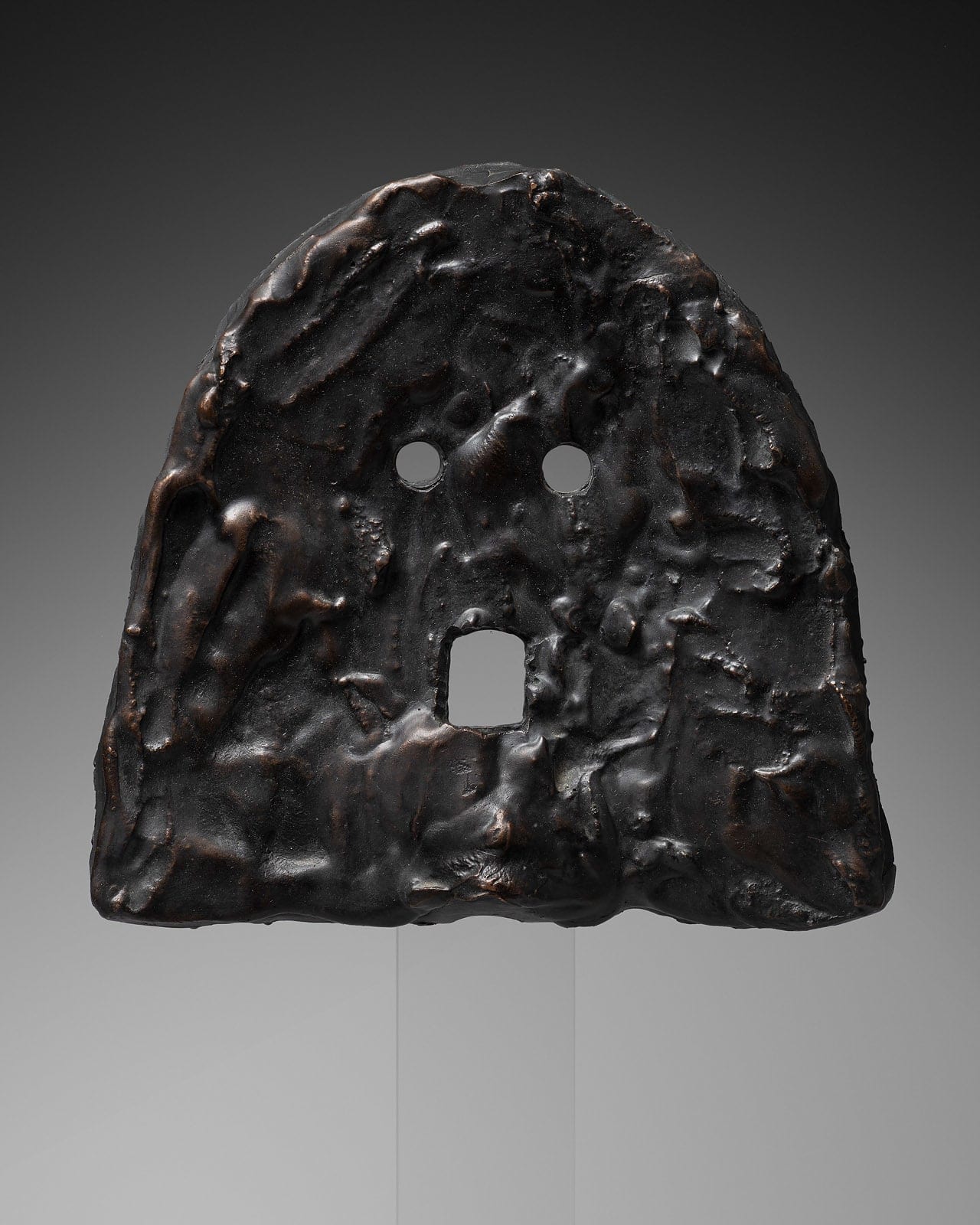
First retrospective exhibition of the American artist Robert Courtright (1926-2012) in Paris. After showing his works on numerous occasions during group shows and trade fairs for more than thirty years, KREO unveils a set of previously unpublished works bringing together collages and masks, dating from the 1960s until his death in 2012.

Born in 1926 in South Carolina, Robert Courtright is an autodidact. Close to the artistic approaches of Arte Povera, for more than five decades he developed a singular body of work, today appearing to have great aesthetic contemporaneity. His work spans more than five decades, between his workshops in New York and Opio.

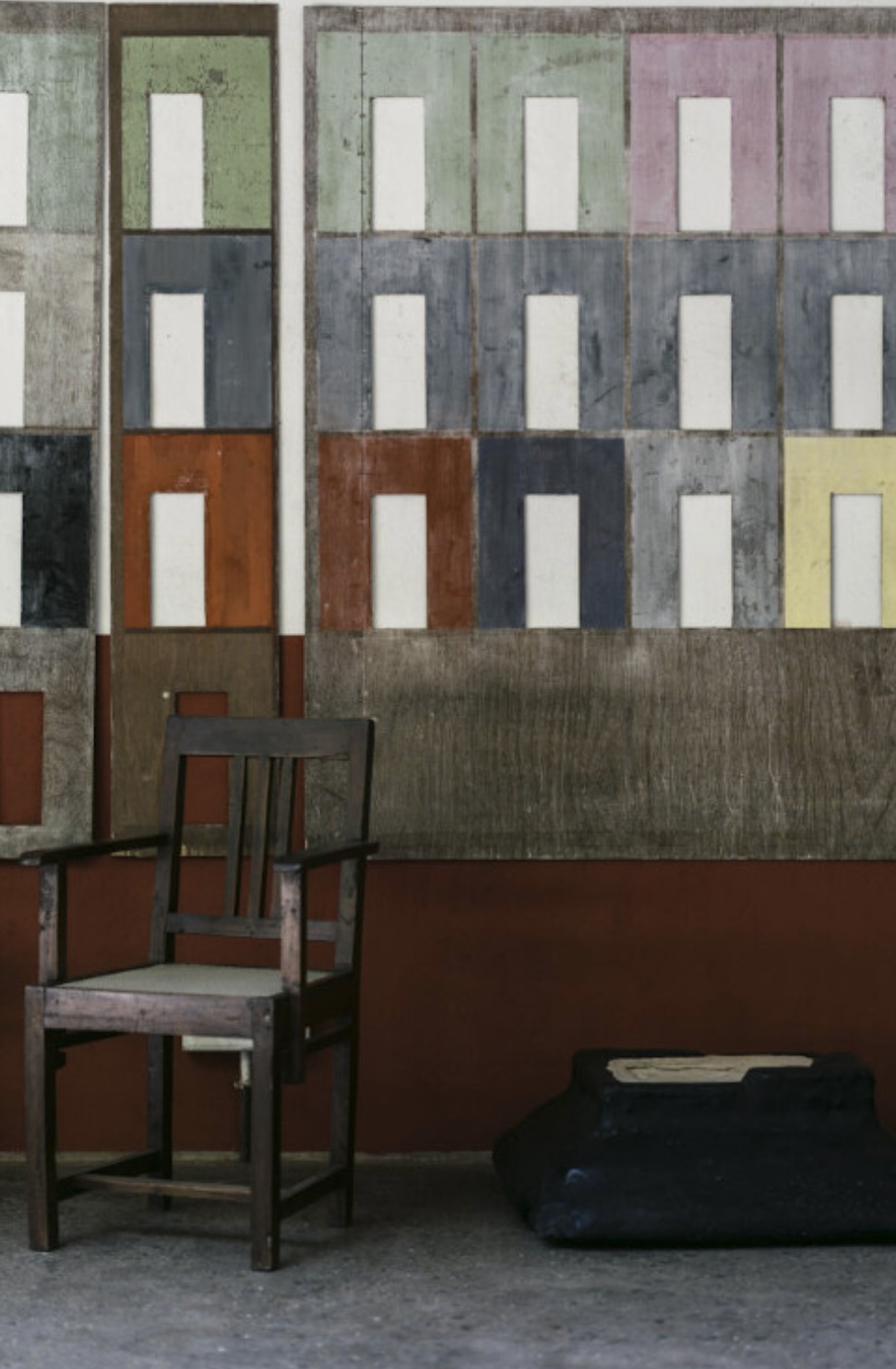
The apparent simplicity of his works actually reveals an incomparable world, at once sophisticated, clever, reduced to the essential: grids made up of well-ordered rectangles of glued paper. These frames, these constructions, are the framework for expressing a color palette ranging from blood red to sunny yellow. Vibrant, saturated or pale, the colors play on the irregular surfaces of the glued papers, meticulously cut and rearranged.

Courtright’s attachment to geometry is nourished by a particular attention paid to architecture. Since a founding trip to Rome in 1952, the surfaces, the facades, flat but with infinite variations and roughness gleaned from Italian buildings and the south of France, have occupied his mind. The first collages, depicting architectural structures, bear witness to this fundamental attraction.
Very quickly, the figurative motifs fade and then disappear, giving way to simple orthogonal cutouts. New materials are used in its constructions with the introduction of corrugated cardboard, gauze strips or plaster. His decisive meeting with the Italian sculptor Bruno Romeda will give rise to an intense artistic bond. It was through his contact that he learned about metalwork.

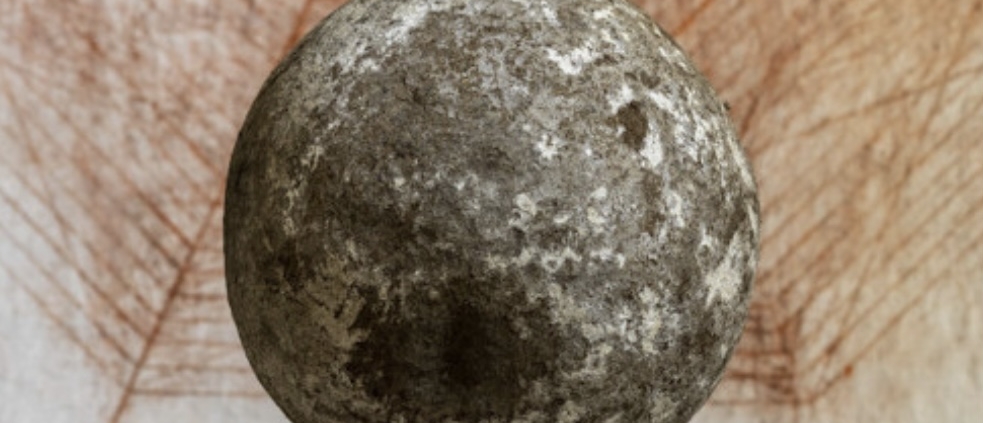
A whole system of masks then developed. Essentially made of bronze and papier maché, these are directly inspired by the Bocca de la Verità (17th century) by Lucas van Leyden in Rome. Mostly circular in shape, Courtright plays around the same theme, like his collage work, multiplying variations of textures and colors.

With the language of the purest abstraction, exceptional in its rigor and its attachment to a clearly defined project, each work of Robert Courtright opens – in the words of Philip Jodidio – “a mental landscape formed by the centuries and today hui can be found”.

February 1st – March 9, 2024

GALERIE DUTKO

17 quai Voltaire 75007 Paris

In the Seine

Objects found from prehistory to the present day

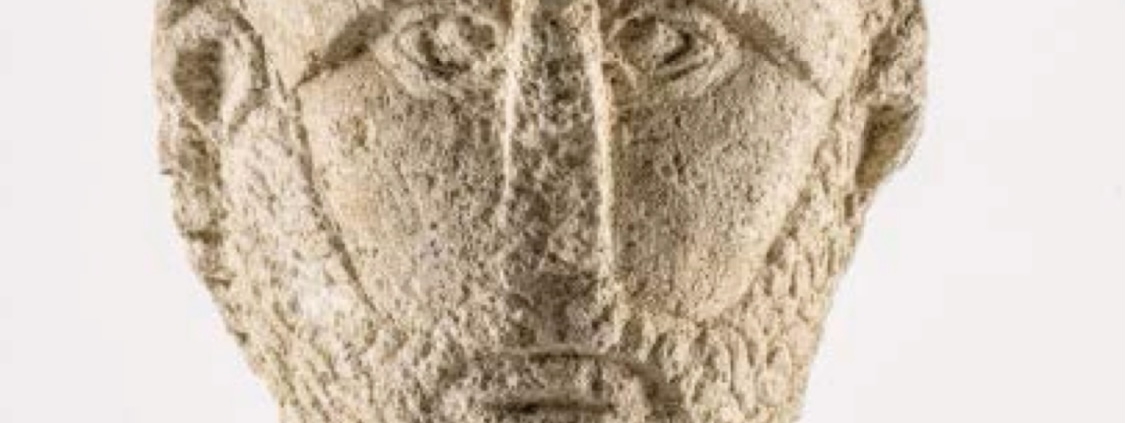
In 2020, in Clichy-la-Garenne (Paris suburbs), a team of prehistorians from Inrap (National Institute for Preventive Archaeological Research) is carrying out a preventive excavation on a plot close to the banks, affected by a real estate program. Under four meters of modern embankments, they discover the history of the ancient bed of the Seine, dated between −85,000 and −25,000 years before our era (Paleolithic). During this period, the river bed is very wide and dotted with sandy banks. The banks are gently sloping and the sand islands allow animals and human groups to cross it in places. The climate is cold and windy, and the landscape, dominated by a steppe of tall grasses, grasses and a few rare shrubs, is roamed by large mammals: reindeer, horses, bison and woolly rhinoceroses.

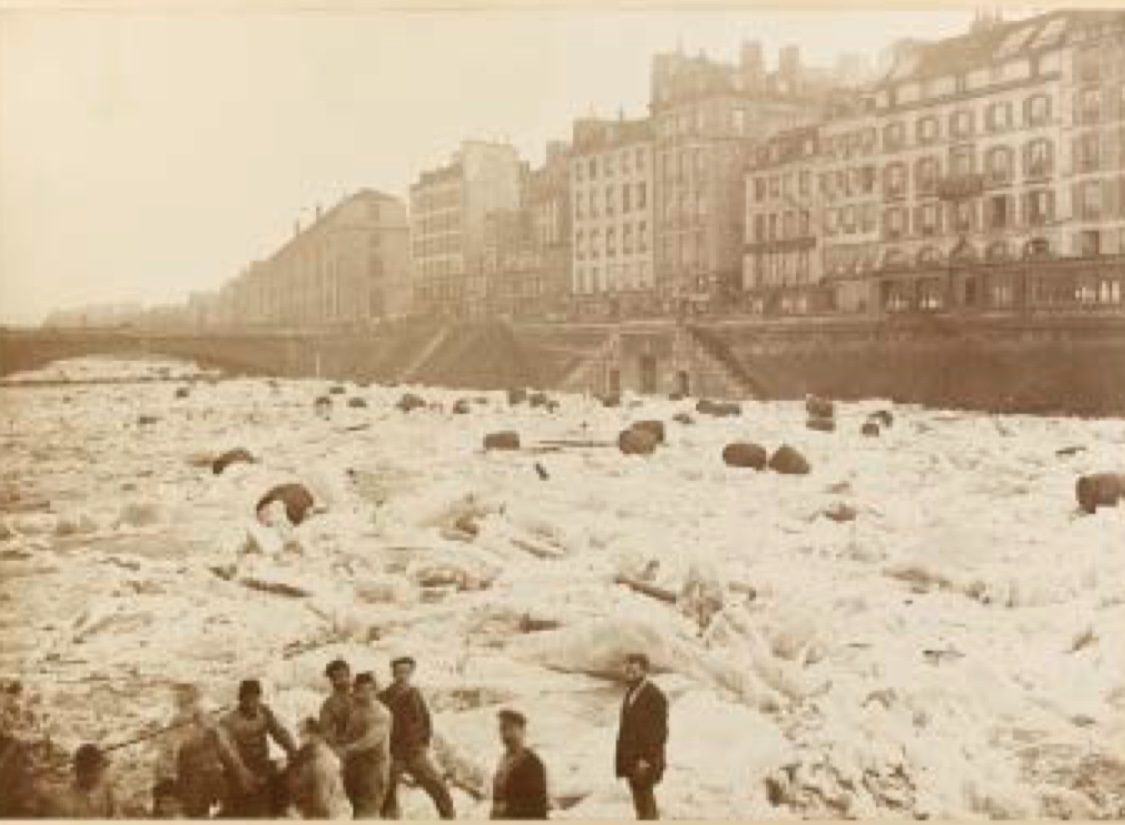
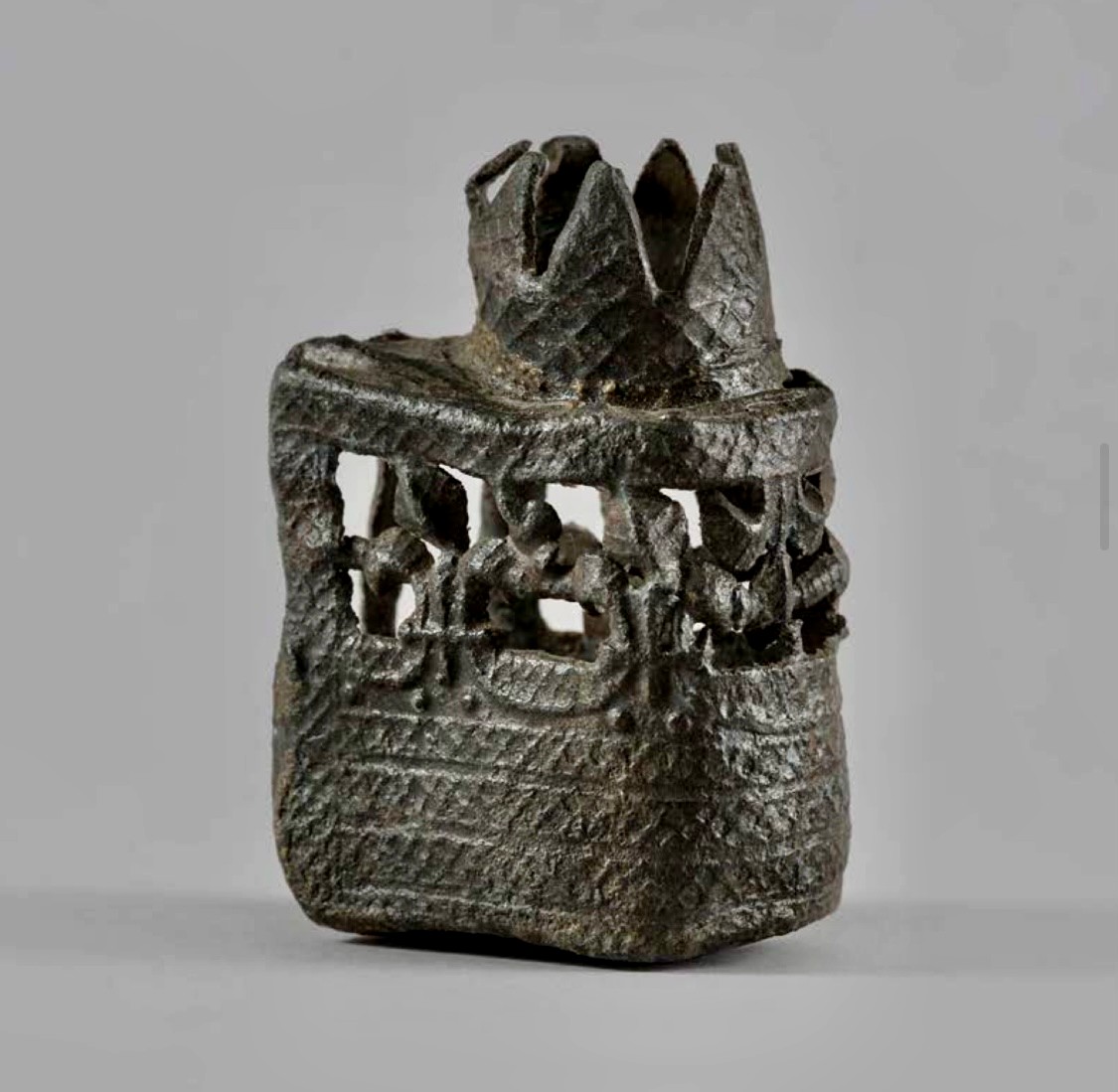
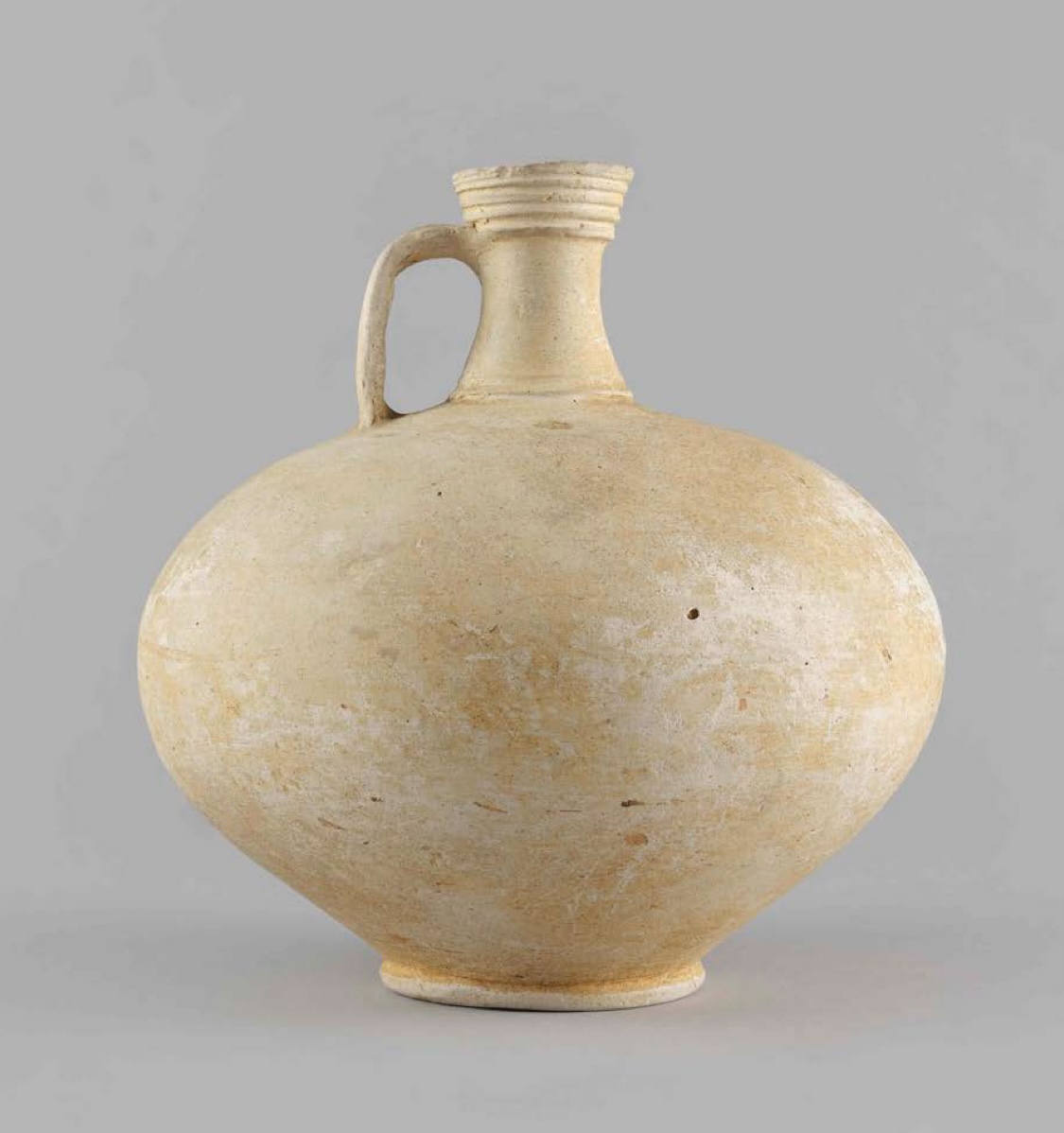
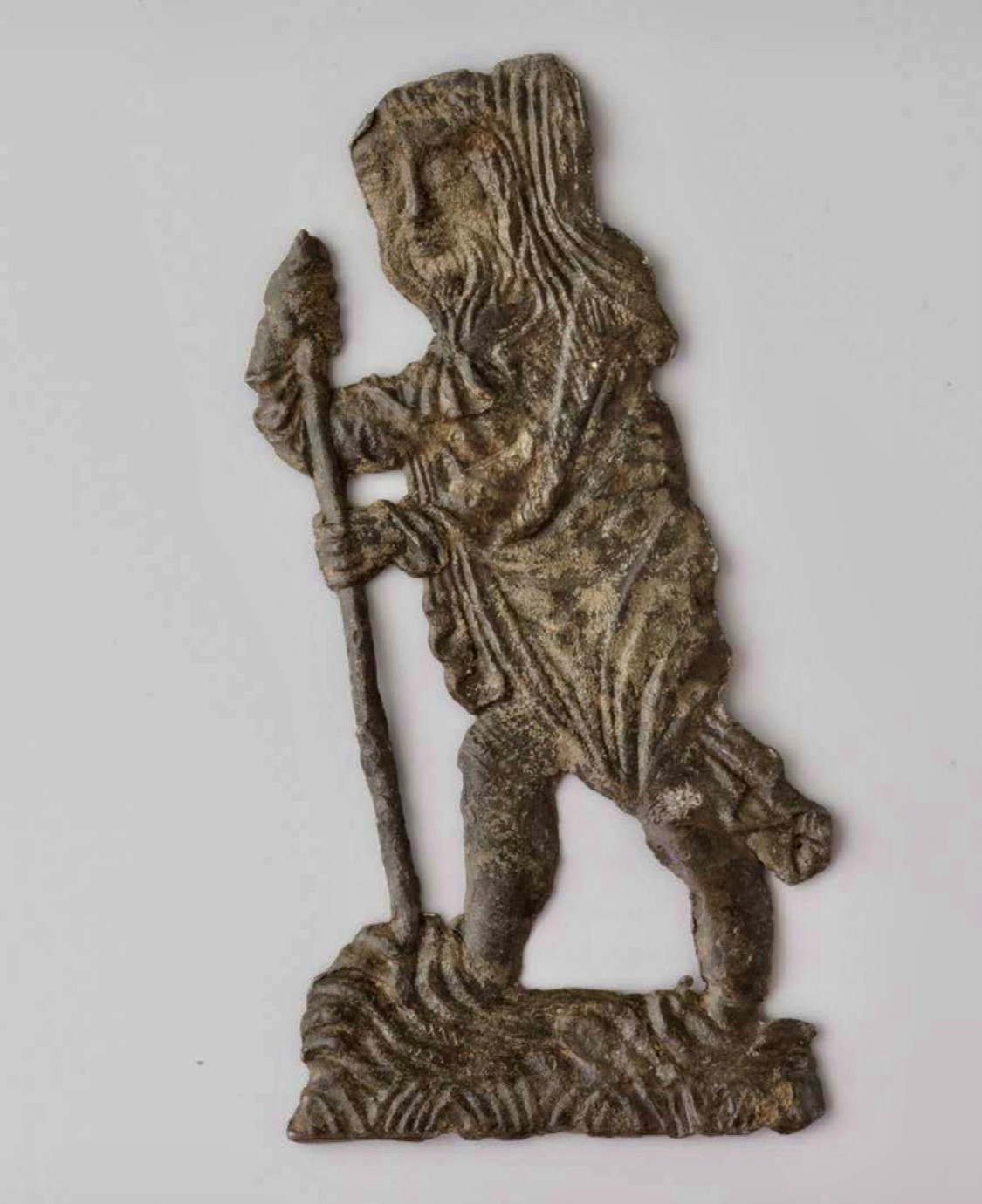
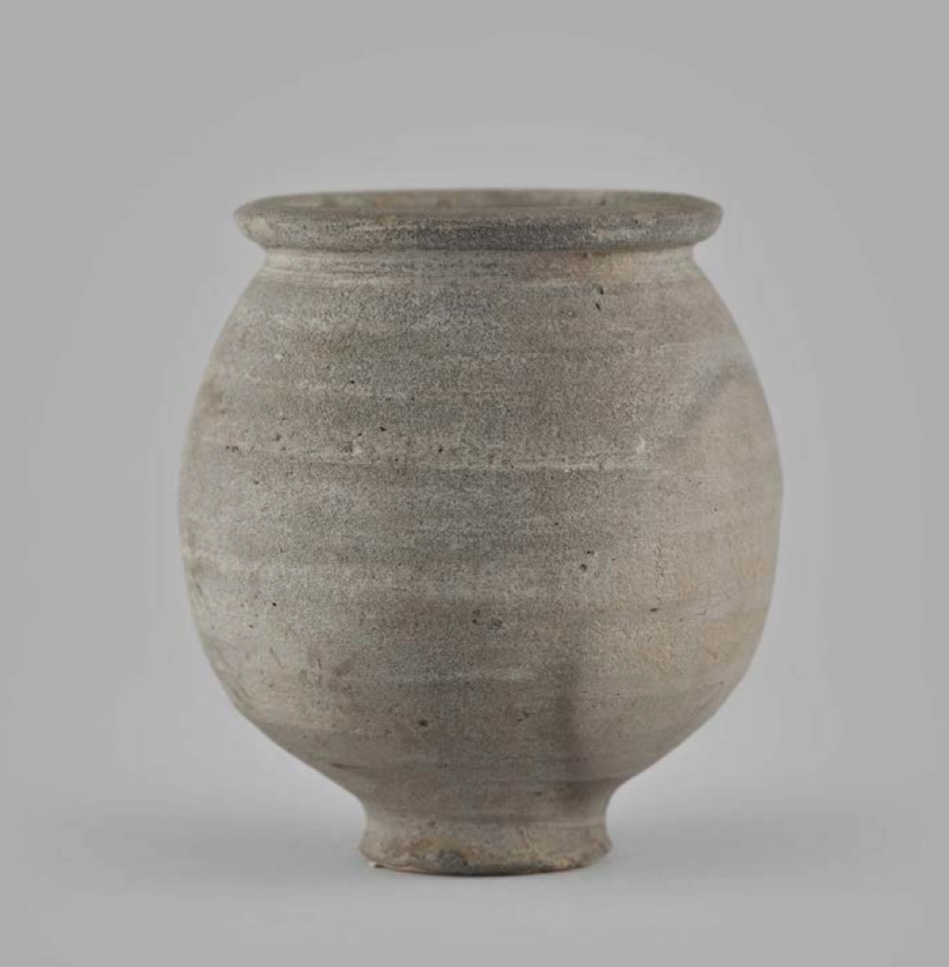
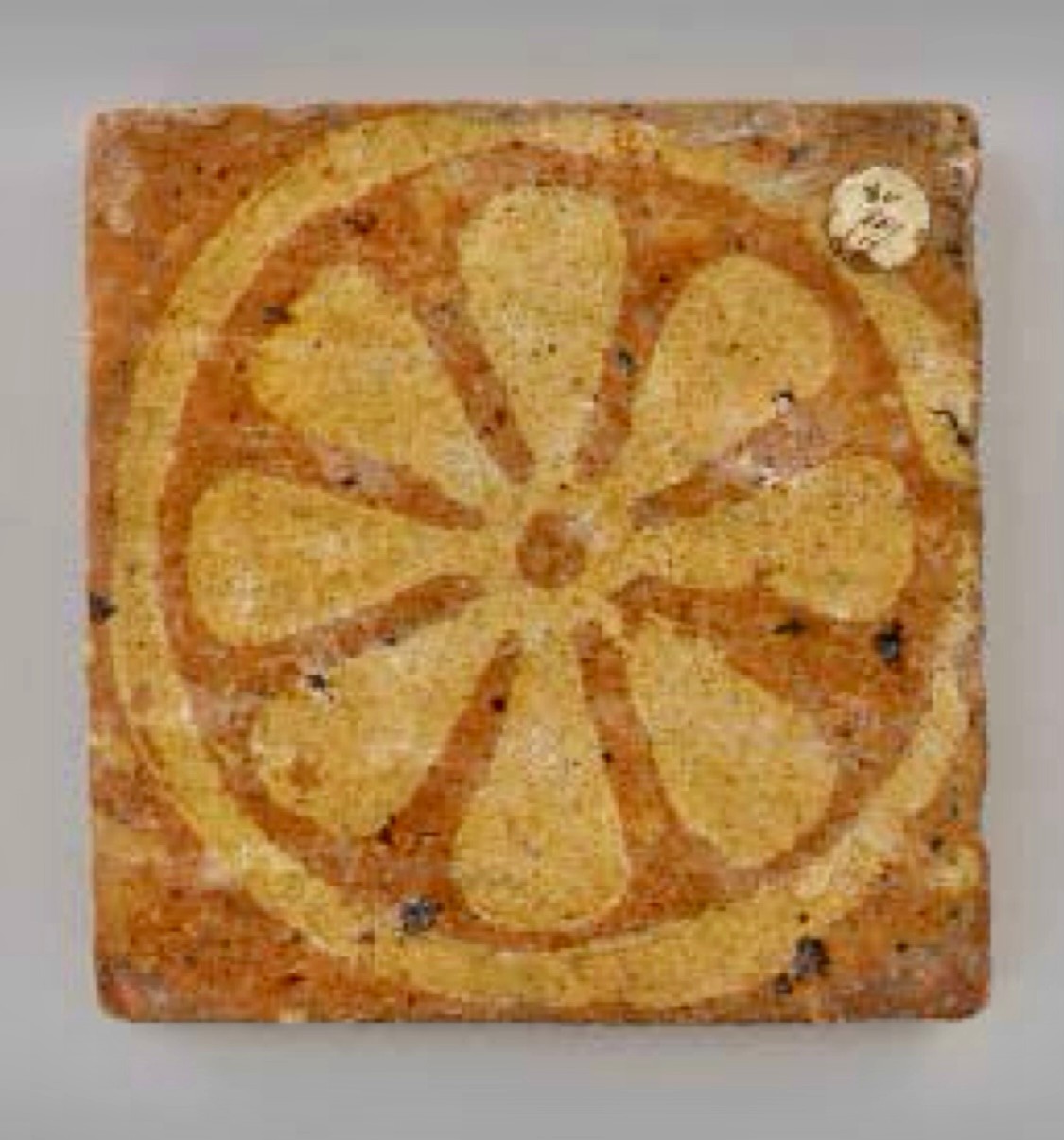
The river which has shaped Paris from the first human settlements to the present day has received numerous objects that have fallen, thrown away, lost, or moved by the currents. They all bear witness to the history of the Seine, its evolution, its developments and its landscapes, but also its successive populations, their lifestyles, their beliefs or their struggles. Presented chronologically, these discoveries are also an opportunity to explain the scientific methods used in the interpretation and dating of archaeological remains and objects.

The exhibition is structured around four chronological periods and several themes chosen from archaeological discoveries linked to the Seine. Firstly, there are human settlements from prehistoric times, on the banks of the river, then in Antiquity, the time of its first developments. The medieval and modern periods reveal weapons, ex-votos and waste, while the Seine today still provides us with chance finds, such as pieces of bridges. These objects bear witness to the stories of men and women who built their daily lives with the Seine, whether Neanderthal hunters or the pious and superstitious Parisian people.

January 31, 2024 – February 1st, 2025

CRYPTE ARCHEOLOGIQUE DE L’ILE DE LA CITE

7 place Jean Paul II 75004 Paris

01 55 42 50 10

Tuesday to Sunday from 10 a.m. to 6 p.m.

Iris Van Herpen

Sculpting the Senses

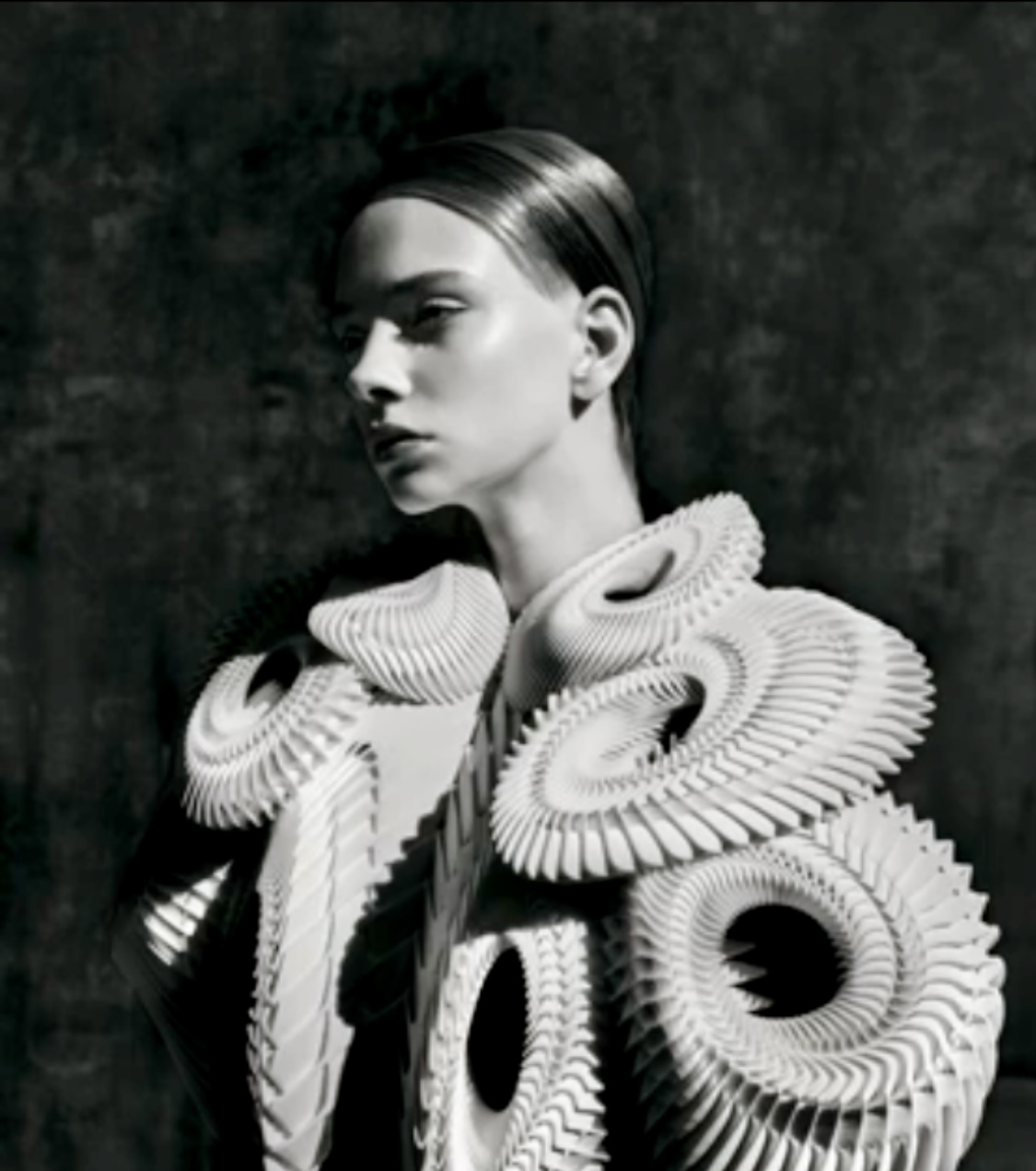
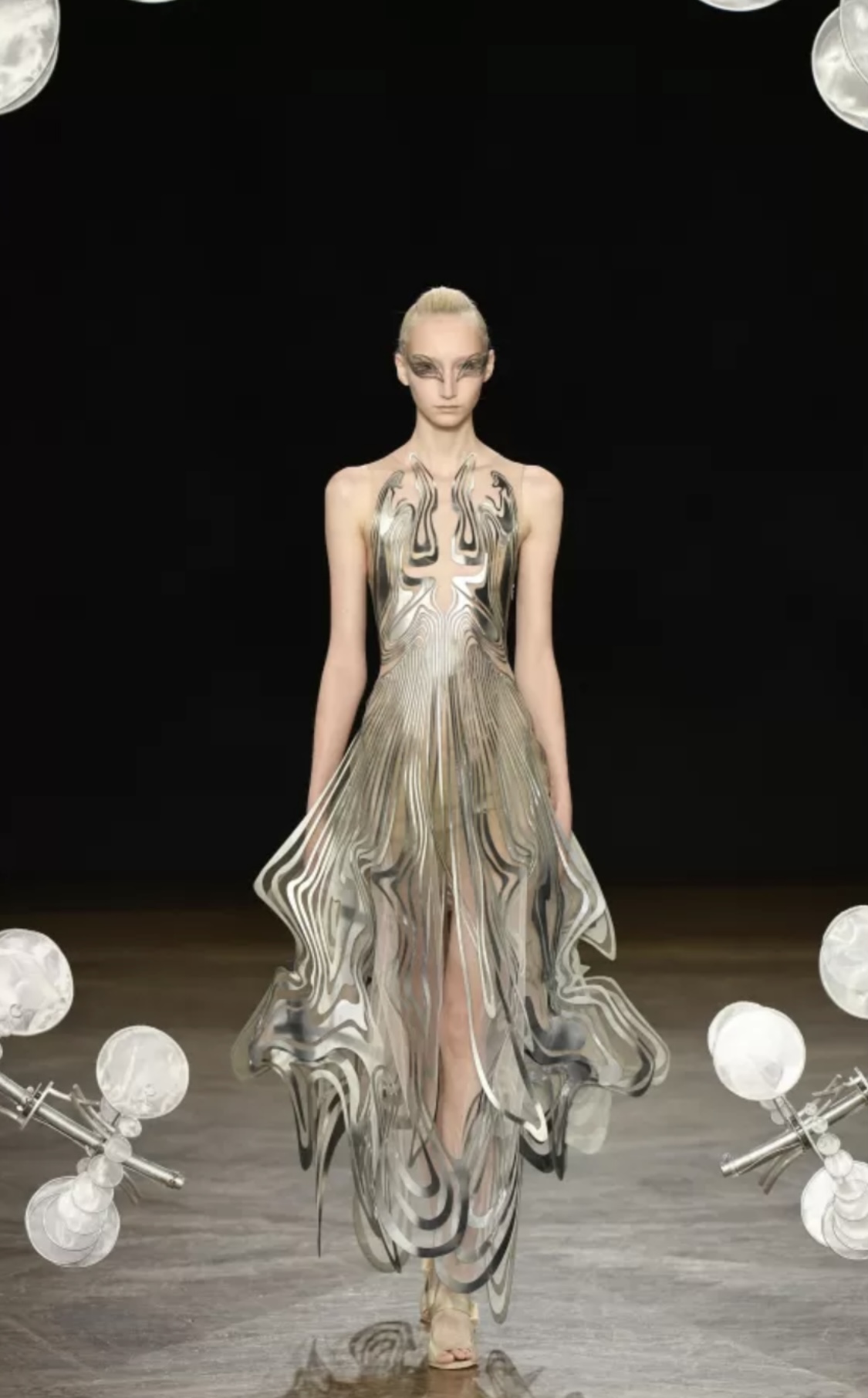
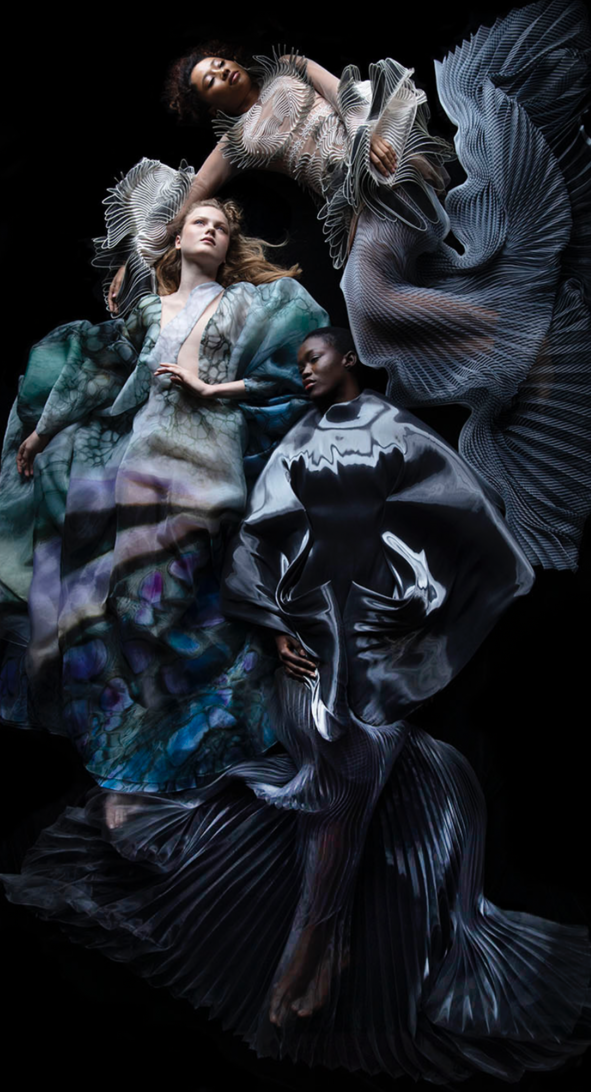
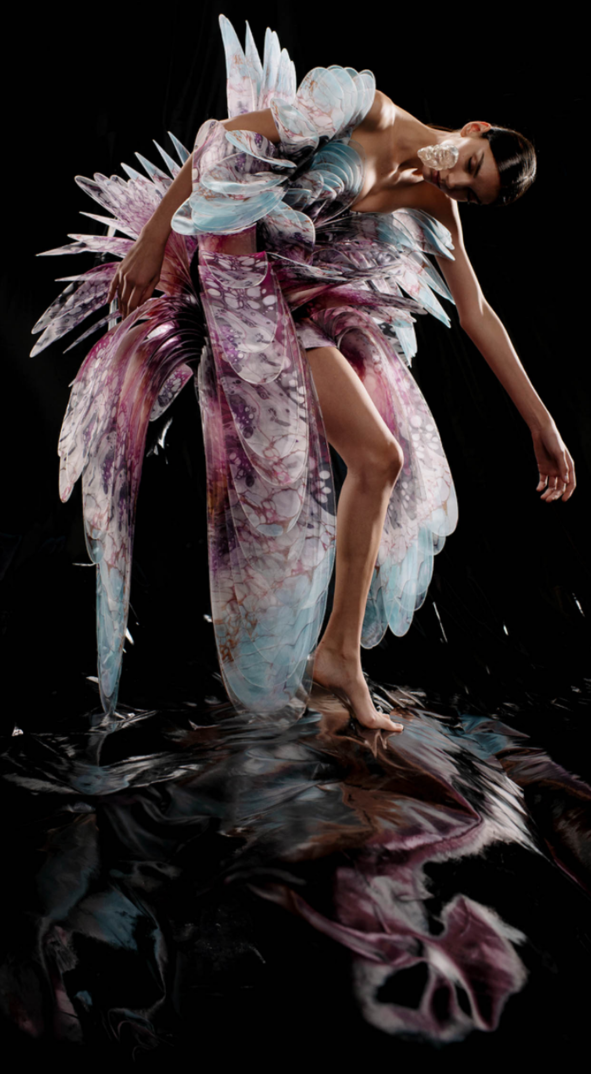
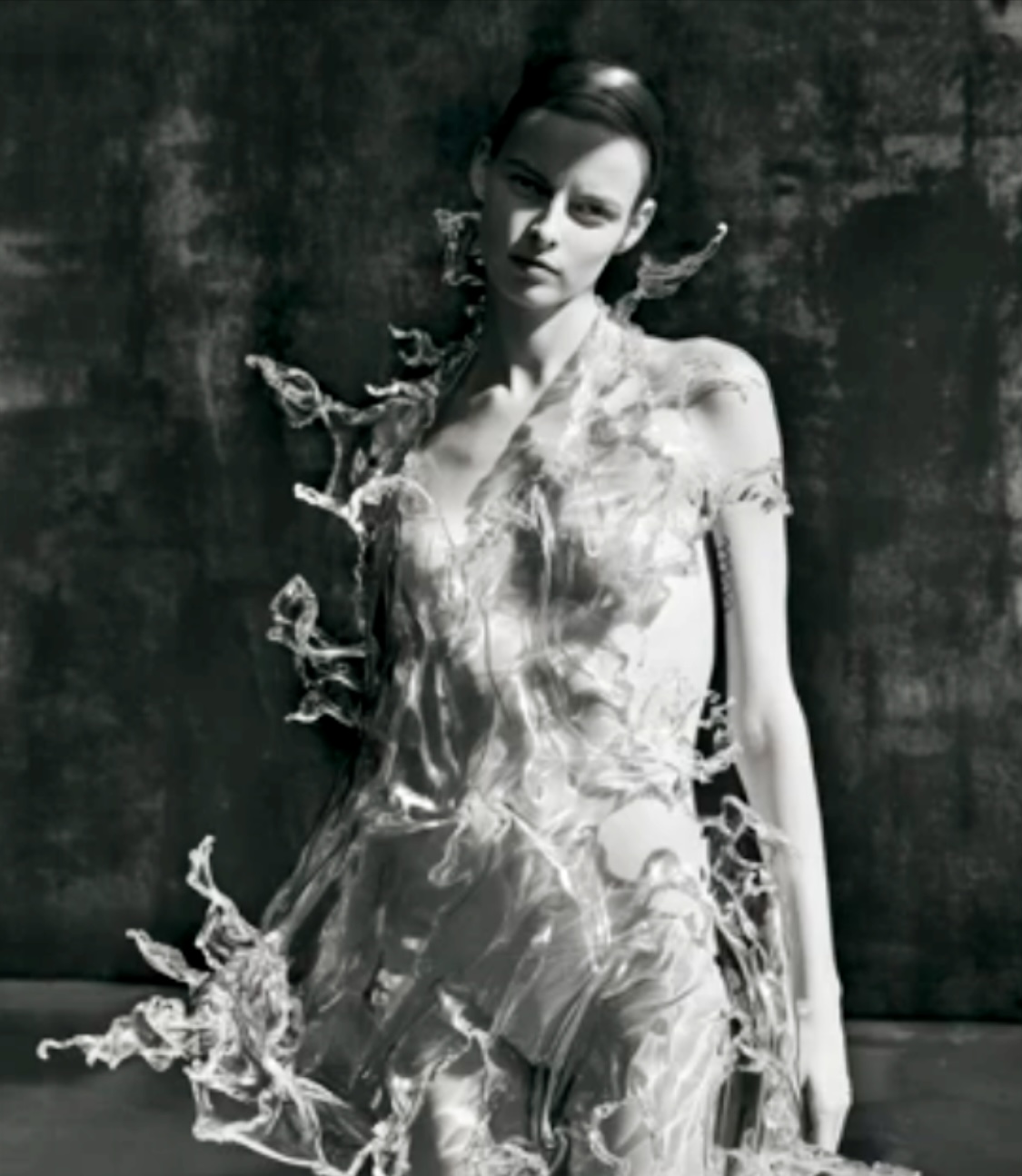
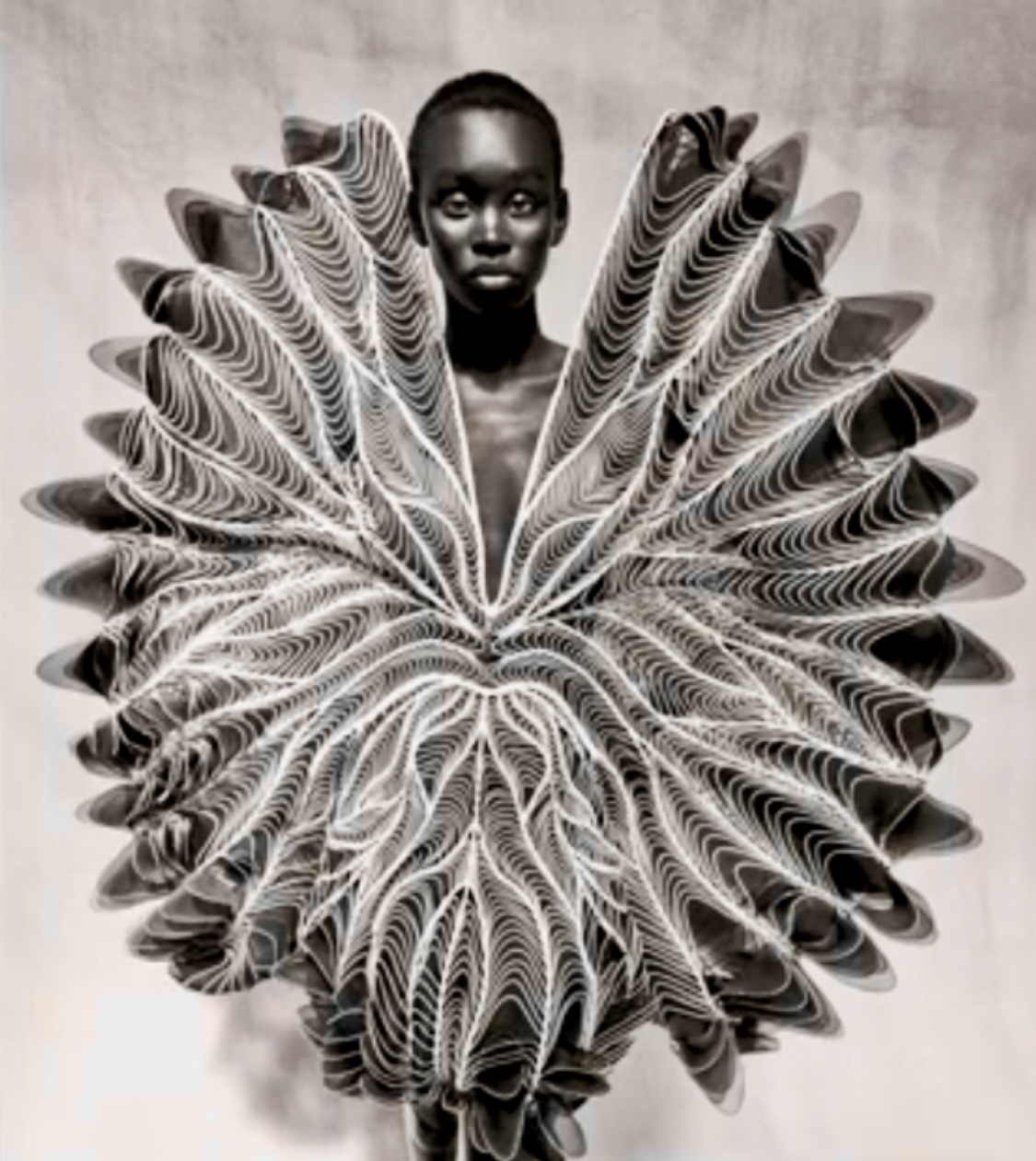
Iris van Herpen holds a resolutely special place in the history of fashion. The field of his research and experiments aims to unravel the mysteries of the human body. Dynamic tension, fluidity, finesse and complexity, but also poetry and philosophy, the main conversations she establishes between body and clothing allow her to transmit a new, rich and enthusiastic look at our world in the making. A world where body, mind and soul interact in an invisible way, more and more intensely.
His creations shake up the codes of clothing and are so many openings towards worlds a priori disconnected from his discipline. His insatiable curiosity leads him to explore distant areas. It draws as much from contemporary art as from architecture, from the life sciences as from the history of the arts, from alchemy as from mysticism. She handles artisanal techniques as well as cutting-edge technologies with precision and expertise. His meetings and collaborations with creators from the past as well as the present are as many forays into unknown territories, permanent questions, incomparable heights to shake up the order of things and the foundations of fashion. The living world, but also classical and contemporary dance, which she practices from a very young age, are the founding elements of her relationship with the body and clothing.
Fascinée par l’eau, […] elle y puise un univers infini d’intuitions. Et, comme l’écrit Gaston Bachelard, « l’eau est aussi un type de destin, non plus seulement le vain destin des images fuyantes, le vain destin d’un rêve qui ne s’achève pas, mais un destin essentiel qui métamorphose sans cesse la substance de l’être. ». Et c’est ce rapport étroit à l’eau, ses multiples états, ses facultés à se métamorphoser qui permet à Iris van Herpen de transposer la philosophie de cet élément à celle de ses créations. De la minuscule goutte de pluie tombée de la troposphère à l’immensité de l’océan, elle approfondit les jeux d’échelle et pratique des grands écarts permanents entre l’infiniment petit et l’infiniment grand, entre le passé et le présent, entre aujourd’hui et demain, entre un monde en souffrance et un autre en devenir. Elle compose autour des corps physique, mental, émotionnel et éthérique, cherchant à déclencher, par le vêtement, un dialogue entre le corps et les sens. Ses robes sont une invitation à pénétrer dans une société en pleine métamorphose, à vivre des expériences sensorielles et extrasensorielles.

A multi-talented designer, she creates much more than just dresses with her hands and machines. She questions with philosophy, poetry but also commitment, a modern sphere caught up in its paradoxes, stifled by climatic and societal crises. Its collections, each season, through sensitive and enlightened collaborations, with architects, contemporary artists, designers question singular themes: water, air, weightlessness, the skeleton, crystallization, metamorphosis , hybridization, hypnosis, the soul, synesthesia, lucid dreaming, rebirth… By pushing back with energy and determination the limits of classical and traditional ways of thinking and seeing, she examines the potential of the imagination to transform the perception of the world, a world that she wishes to re-enchant.

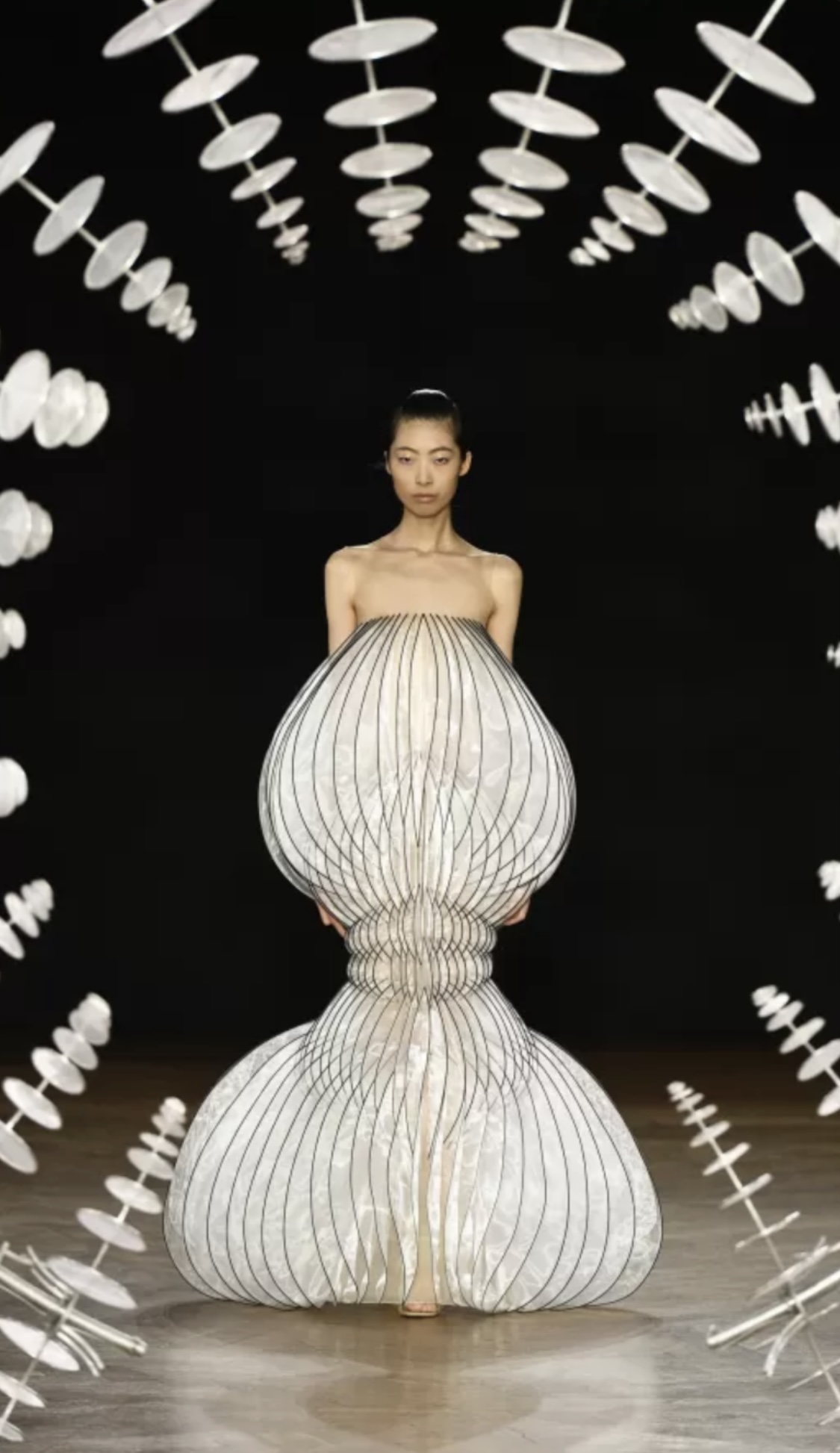
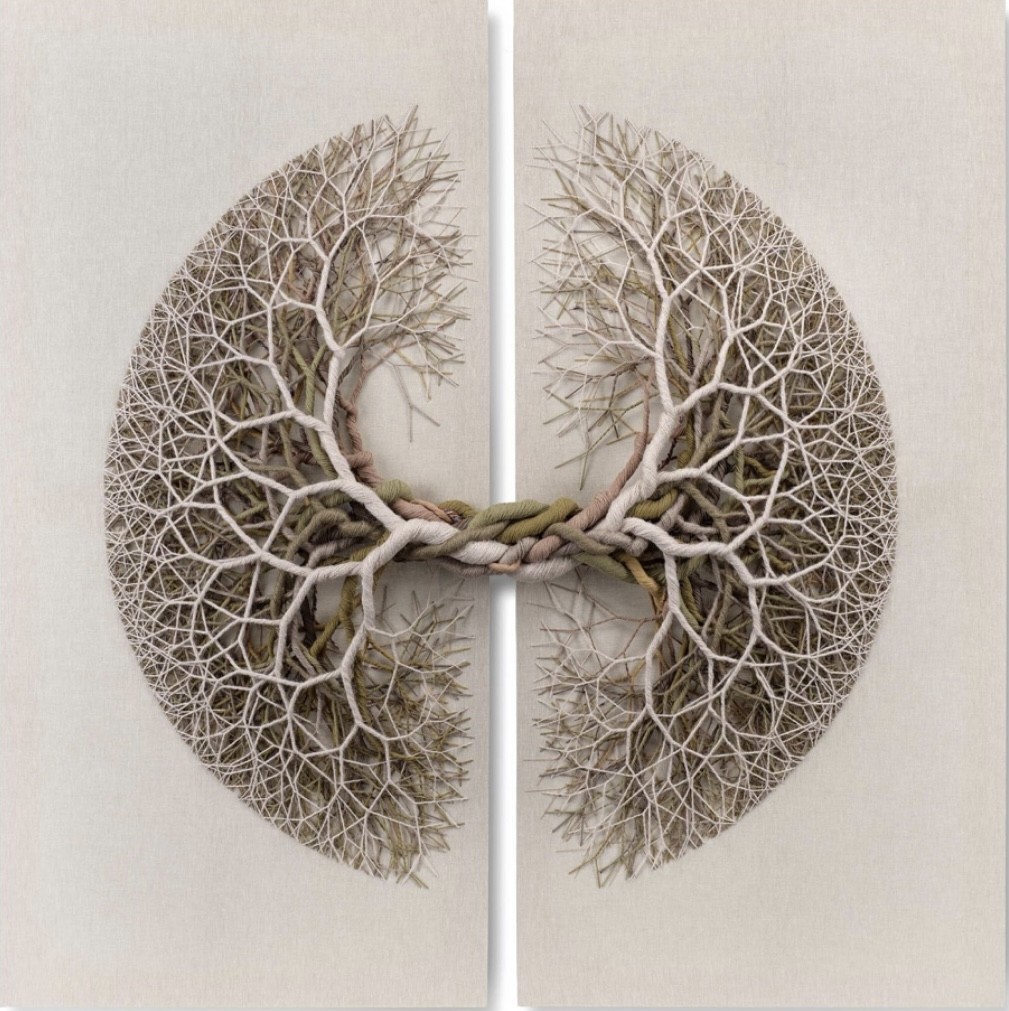
the exhibition questions the place of the body in space, its relationship to clothing and its environment, its future in a rapidly changing world. A selection of more than 100 haute couture pieces created by Iris van Herpen interact with works of contemporary art and pieces from natural sciences such as corals or fossils creating a unique resonance with historical pieces.

The skeleton theme is inaugurated by the Skeleton dress, echoing the hybrid skeleton of a work by Japanese artist Heishiro Ishino. The place of the body is also evoked at the heart of organic and architectural networks represented by a dress, a metaphor for a Gothic cathedral, but also by Ferruccio Laviani’s Gothic cabinet or by a documentary by Yann Arthus-Bertrand and Michael Pitiot Terra, committed to the defense of life and the interconnections of its ecosystems. Then, the visitor is invited to leave the physical dimension of the body to explore the sensory world, including photographs by Tim Walker, a work by Matthew Harrison or a spectacular projection of Renaissance Dreams by the artist Refik Anadol. Finally, the darkness of mythology around the theme of the jellyfish dialogues with works by Kate McGwire, EcoLogicStudio, Damien Hirst and even Samurai armor. An installation by Casey Curran offers a reflection on the place and physical and spiritual future of human beings.

Celebrating his unique approach, this retrospective, which is structured around nine themes, identifies the very essence of his work fusing fashion, contemporary art, design and science. The theme of water and the origins of life, omnipresent in the designer’s work, inaugurates the journey. Her latest collection Carte Blanche, highlighted in this space in dialogue with the work Origins by David Spriggs, literally invites the visitor to immerse themselves in the designer’s aquatic world.

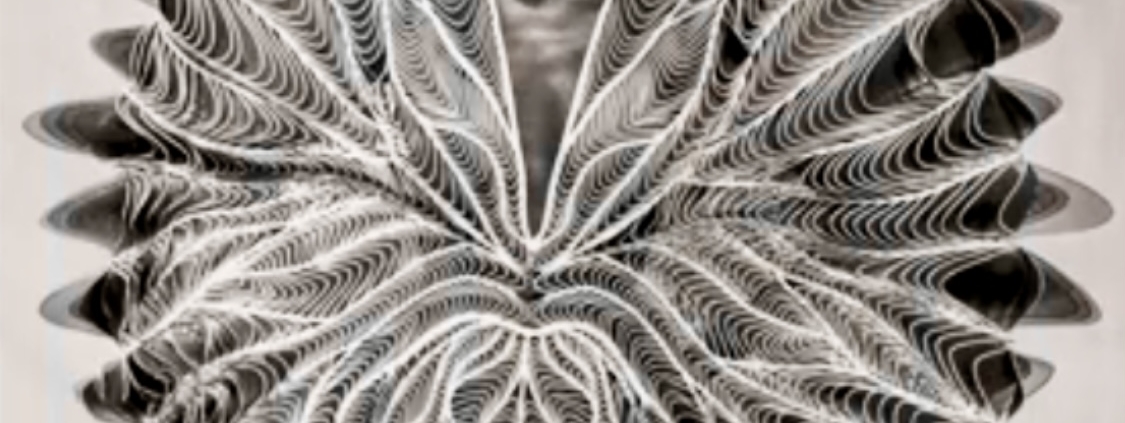
Water is also addressed on the scale of the immensity of the ocean with the wave of the Collectif Mé. A space reveals natural environments invisible to the naked eye already revealed in the 19th century by the boards of Ernst Haeckel or by the exceptional glass models of Léopold and Rudolf Blaschka. Works by Ren Ri and Tomáš Libertíny, composed by bees, contrast with the fragility of those made of paper by Rogan Brown.
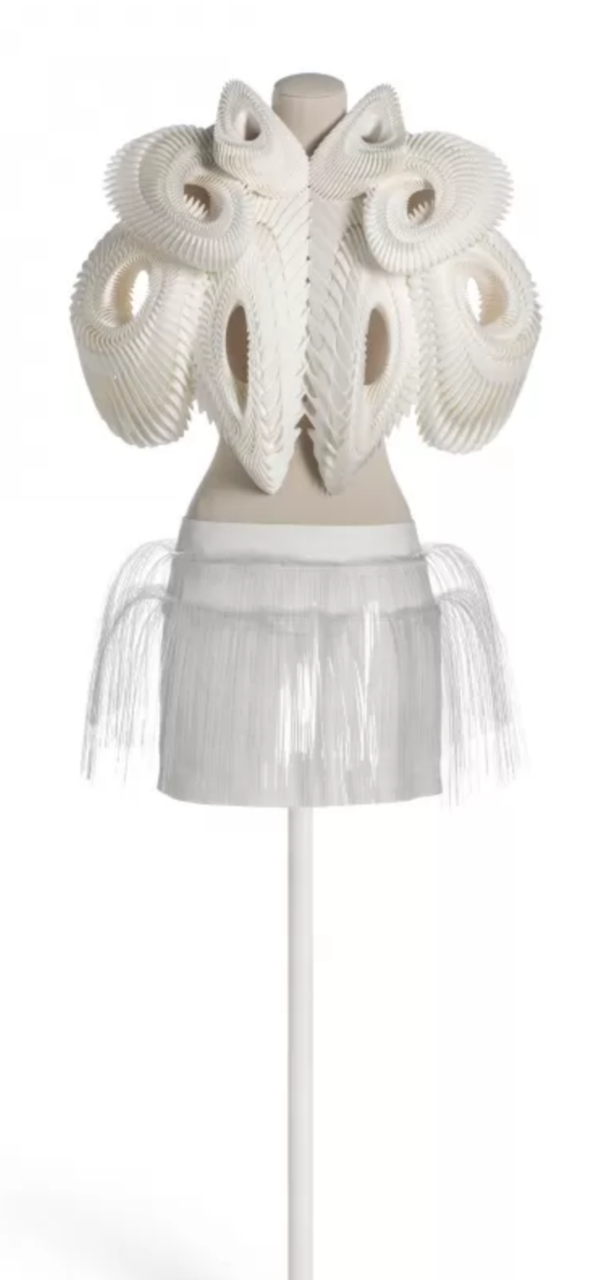
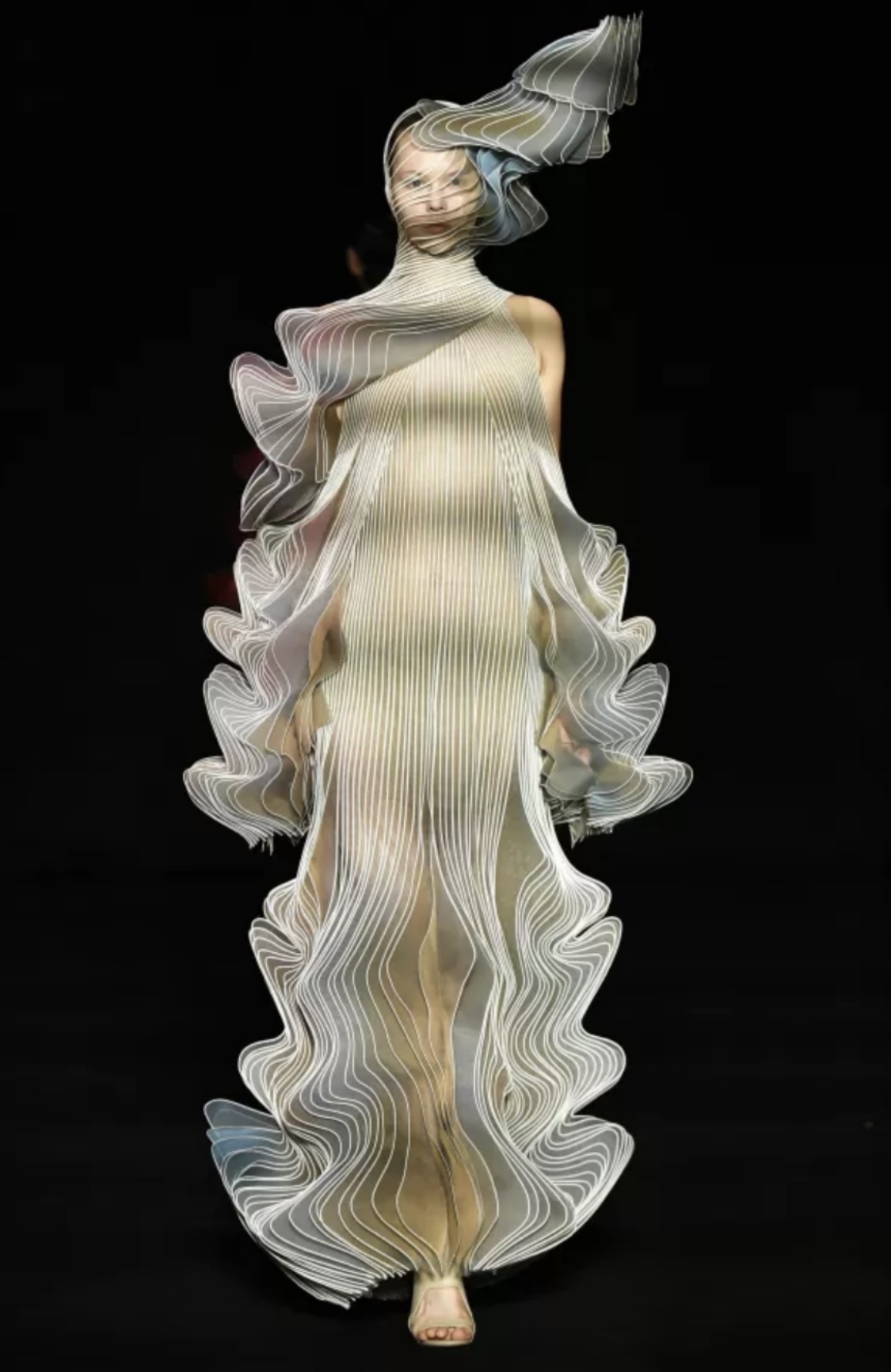
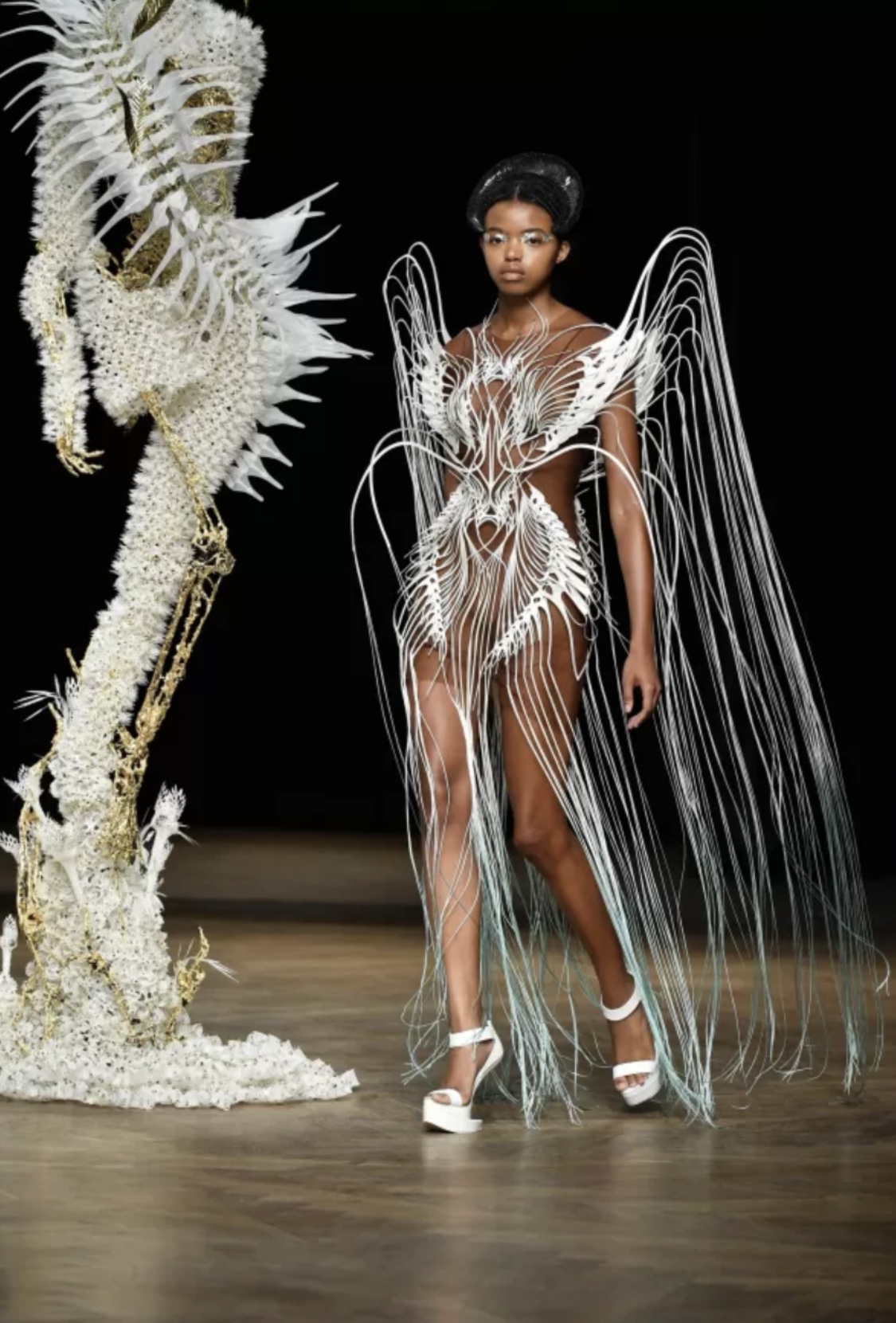
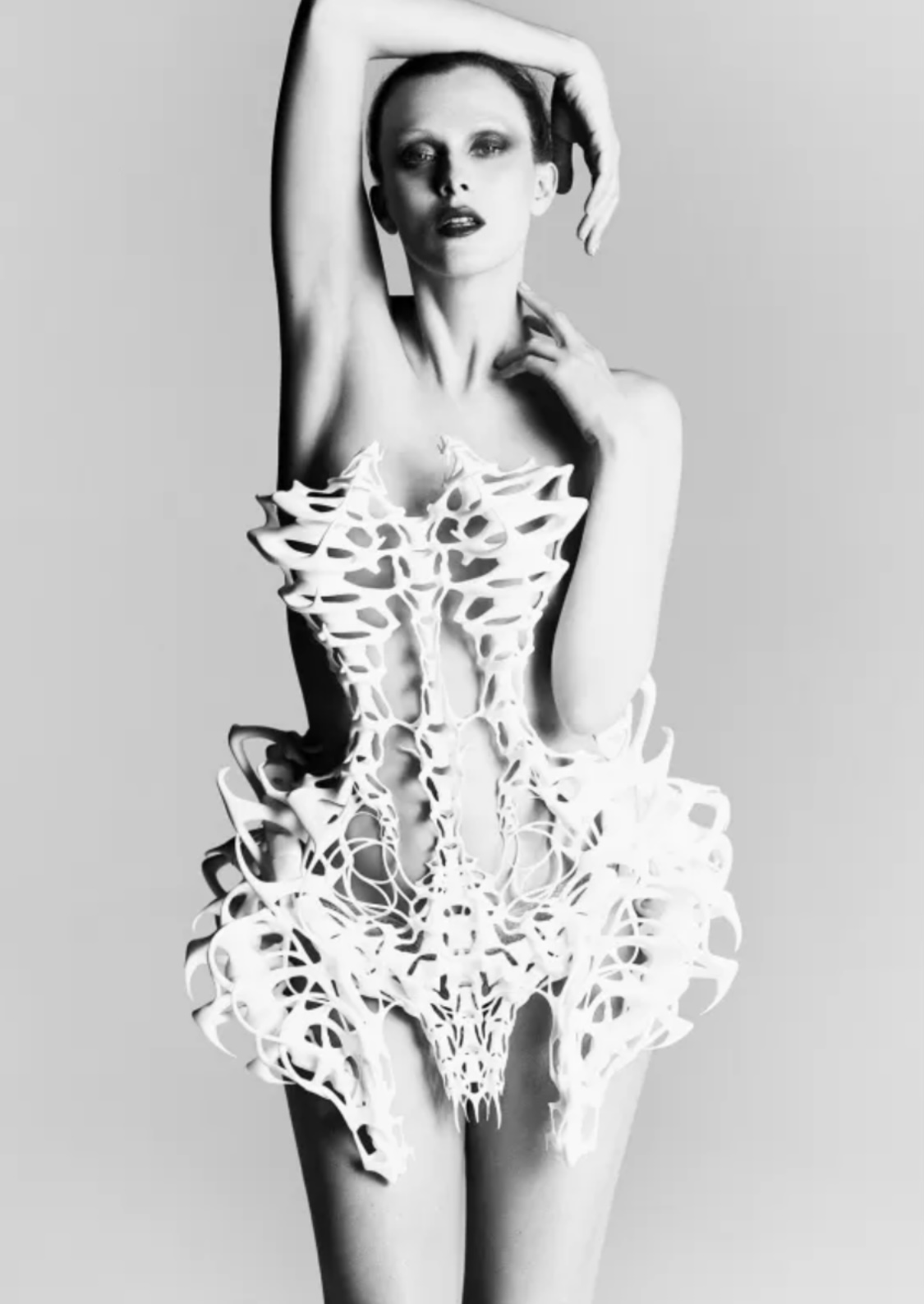
Iris van Herpen’s dresses today reinvent the “way of inhabiting” a piece of clothing. Its textiles become innovative, hybrid, results of 3D printing and laser cutting or even connected textiles. By generating these new materials and using these revolutionary textures, Iris van Herpen defines, in the manner of builders, microarchitectures, but, unlike them, microarchitectures in movement. Her dresses come to life from the first action of the body in space, in a ballet of textures and materials, frictions and sliding, colors and transparencies. Movement against movement, the second skin that she places on the surface engages microdances that trigger spaces for breathing, spaces for meditation, and reflection. Intimate dialogues between the private body and the public body, the works of Iris van Herpen question this infinite and yet infra-thin space between the body and clothing, this invisible border, which plays on the surface of the epidermis and which allows development The senses.
These fertile discussions around architecture are so many pollinations that make the designer the first to show, in 2010, a 3D printed look. His exchanges with artists like David Altmejd also lead him to think about the body as fiction. Dressed in a concept as much as in clothing, the bodies dressed in the works of Iris van Herpen weave close links with the past to bring out mythological reminiscences or even fantastical stories. By collaborating with Anthony Howe, she propels the being into an imaginary future where the clothing itself would be in movement, a kinetic clothing dialoguing with the complexity of human anatomy, the beauty and diversity of its environment.

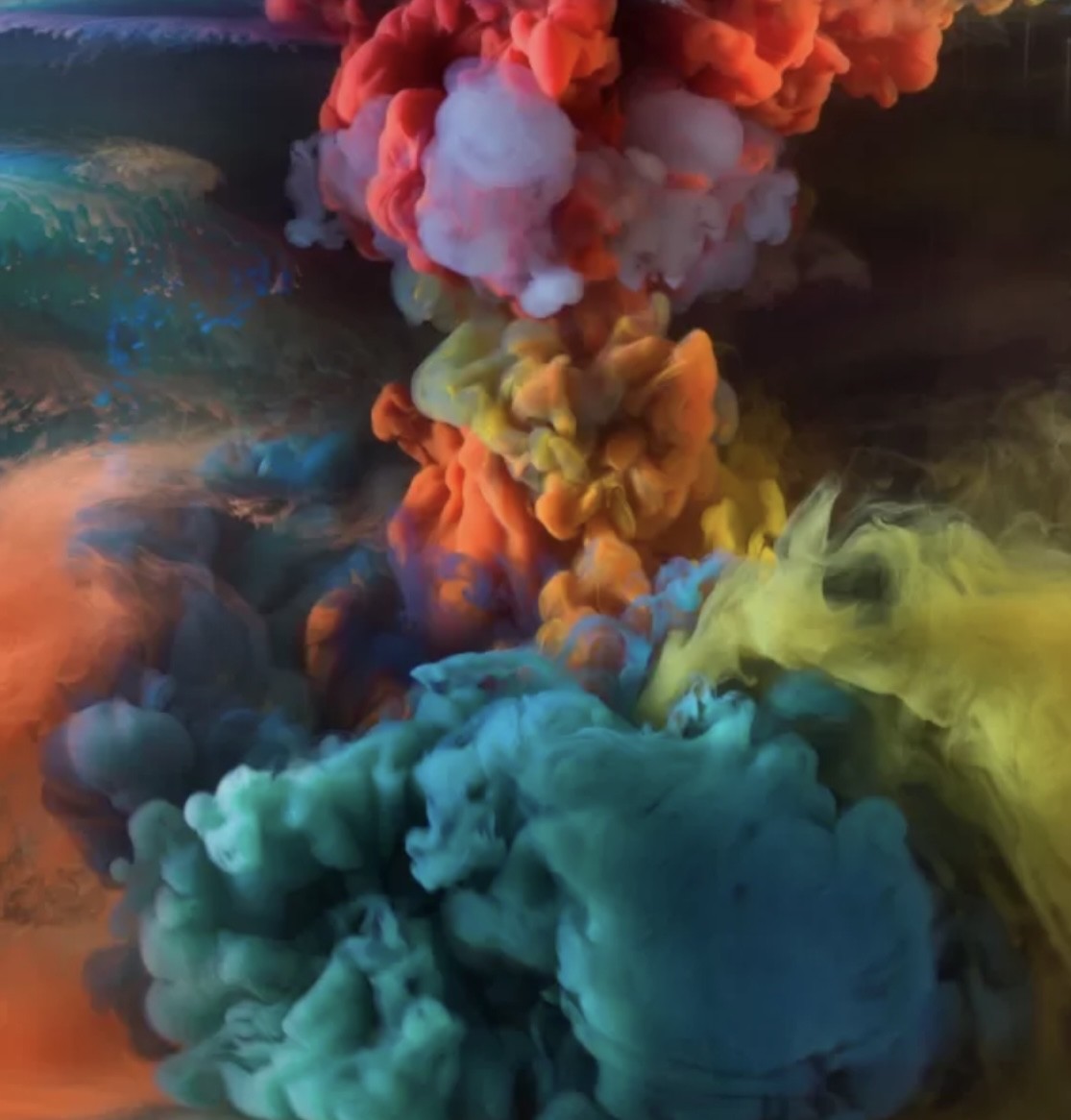
The exhibition ends with a presentation of the works of Iris van Herpen as if projected into the immensity of the cosmos. Her dresses are presented in a dance of the sky, bodies floating in space and time. The photographic works of artist Kim Keever, as well as shots of nebulae, call us to elevate ourselves to feel the world in a more holistic way. Three spaces complete the tour: an evocation of Iris van Herpen’s workshop, a cabinet of curiosities presenting her accessories (shoes, masks and elements of hairstyles) alongside elements of natural sciences and videos and a room allowing to give space to the living and moving body through videos of the designer’s fashion shows. The exhibition is accompanied by a sound composition created by Salvador Breed. It challenges the senses and further immerses the visitor in this journey around the body and themes dear to the designer.

November 29, 2023 – April 28, 2024

MAD

107 rue de Rivoli 75001 Paris

Booking

Bijoy Jain / Studio Mumbai

The breath of the architect

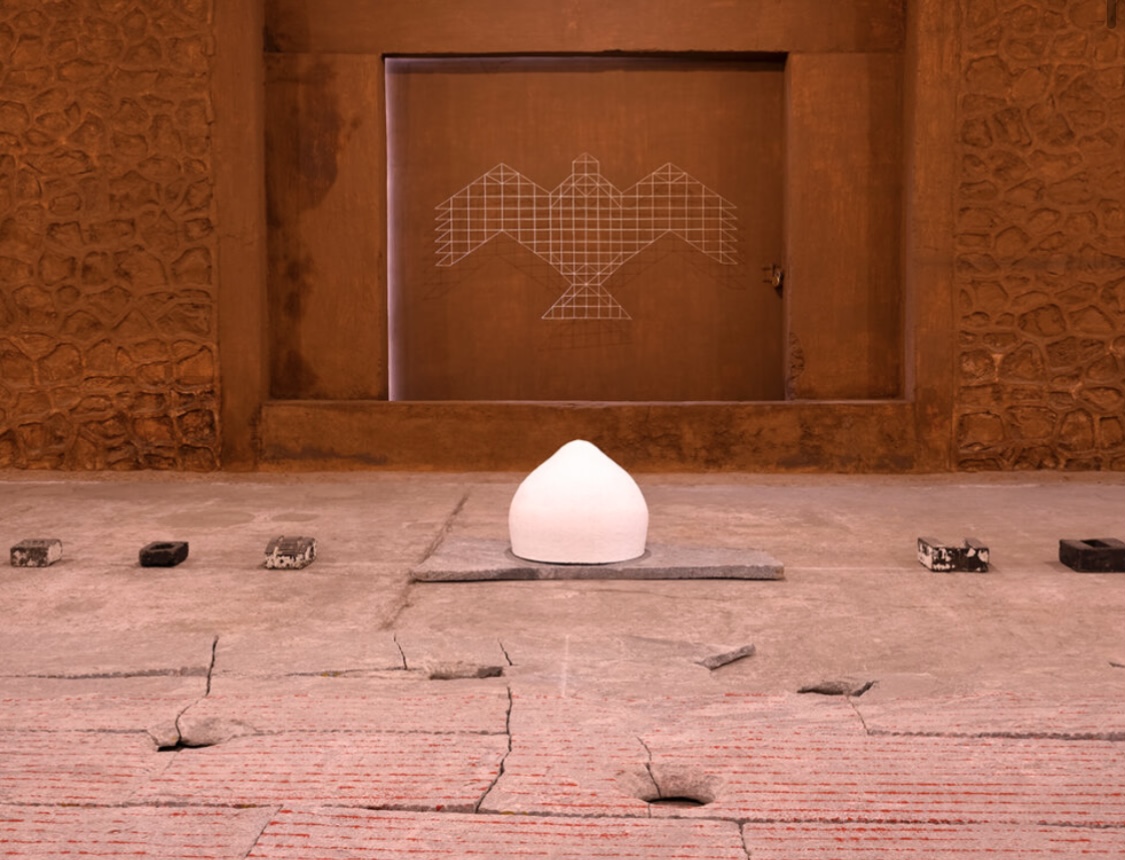
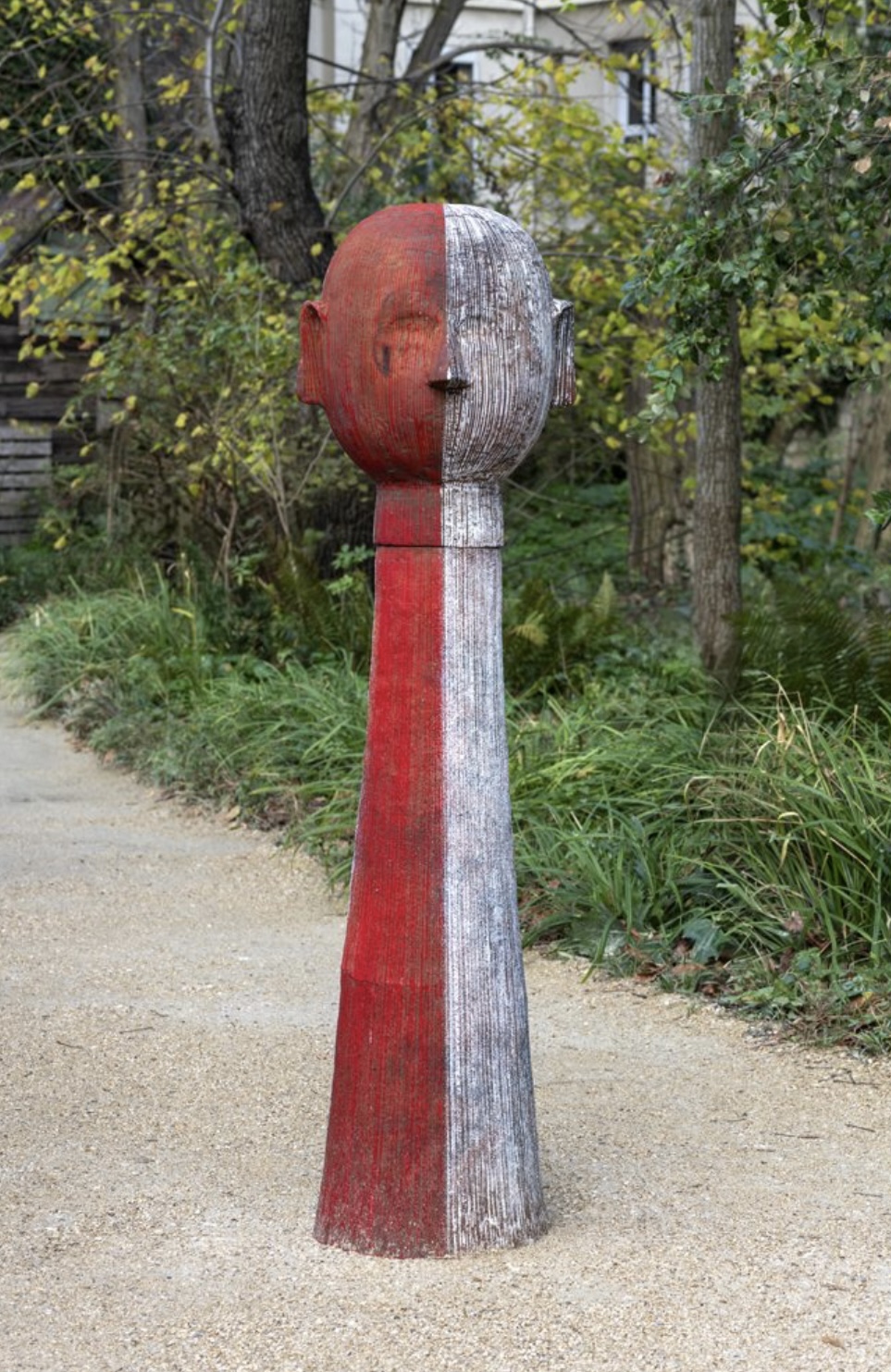
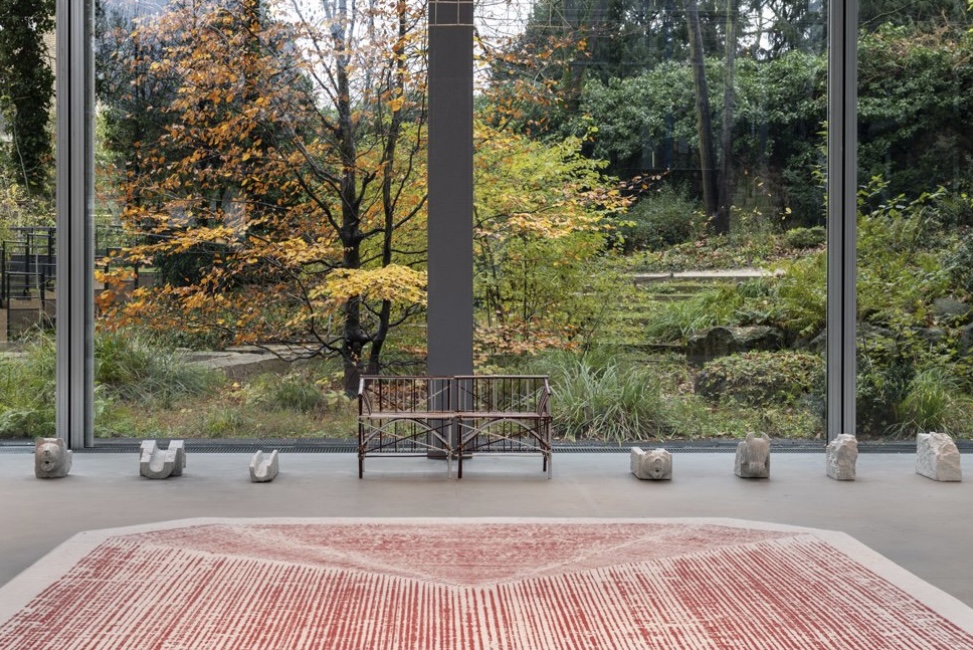
The Cartier Foundation presents an exhibition specially created for the institution by architect Bijoy Jain, founder of Studio Mumbai in India. He is the author of a work testifying to a deep concern for the relationship between man and nature, and of which time and gesture are essential factors. Exploring the links between art, architecture and materials, Bijoy Jain offers the Cartier Foundation a total creation: a space of reverie and contemplation in dialogue with Jean Nouvel’s iconic building.

Bijoy Jain imagines an exhibition that is experienced as a physical and emotional experience. The architect’s breath offers visitors a true invitation to breathe, to wander in complete peace, to rediscover silence: “Silence has a sound, we hear it resonate within us. This sound connects all living beings. C is the breath of life. It is synchronous in each of us. Silence, time and space are eternal, just like water, air and light, which are our elemental construction. This abundance of sensory phenomena, dreams, memory, imagination, emotions and intuition come from this reservoir of experiences, anchored in the corners of our eyes, in the soles of our feet, in the lobes of our ears, in the timbre of our voice, in the murmur of our breath and in the palms of our hands.”

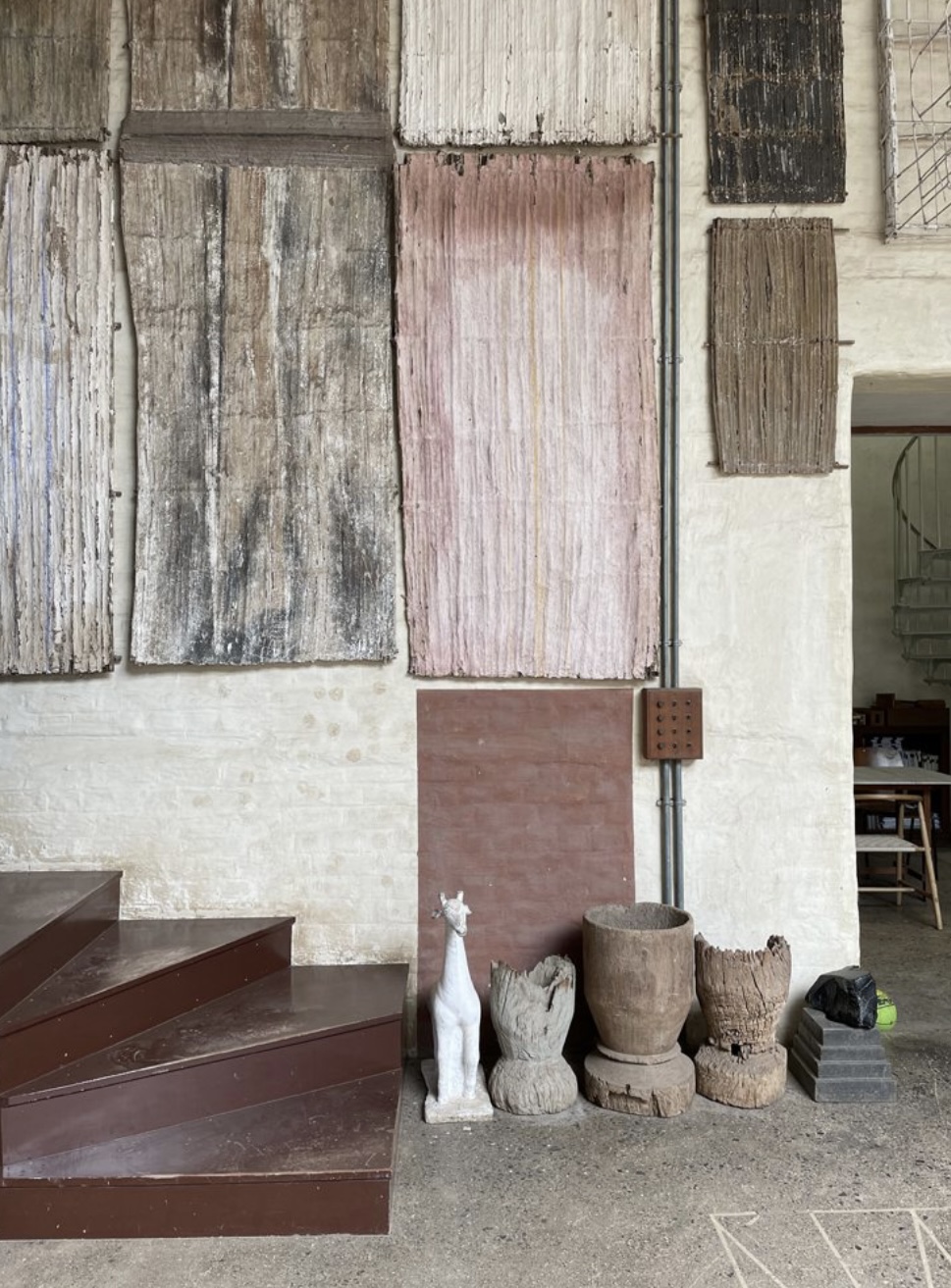
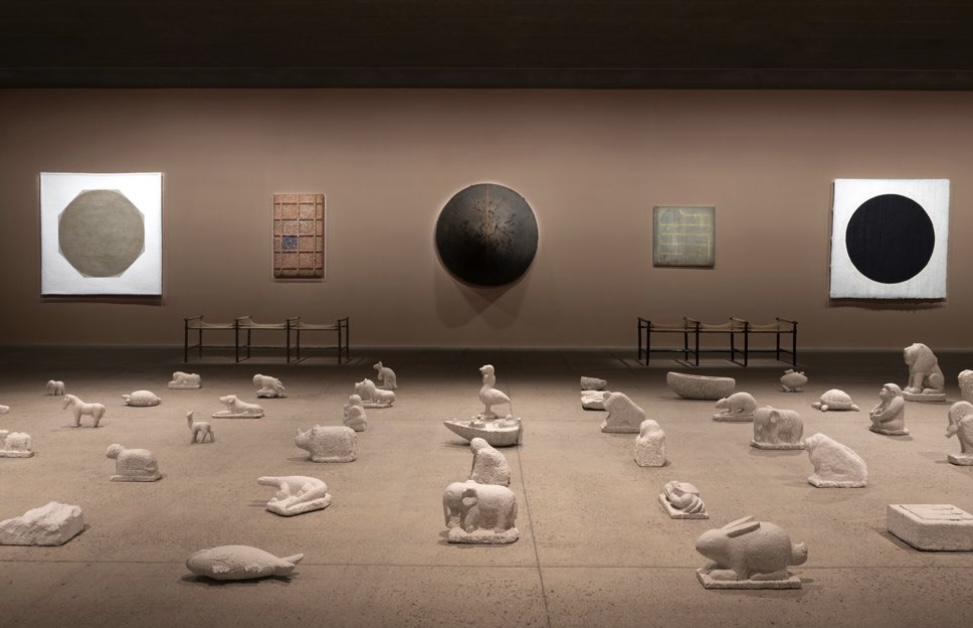
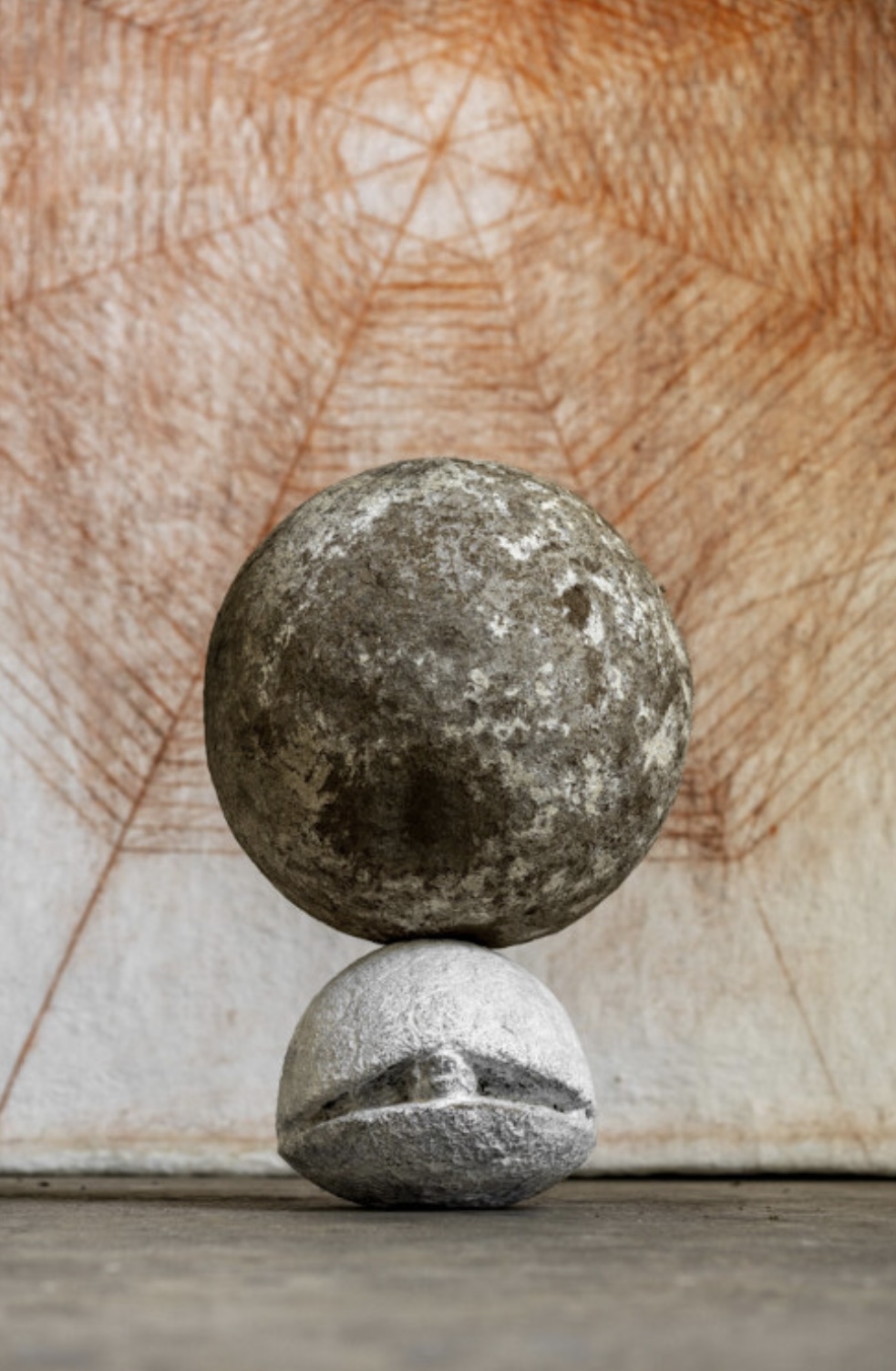
Summoning shadow and light, lightness and gravity, wood, brick, earth, stone and even water, the architect designs a sensory journey, in resonance with the material. Developed to the rhythm of the breath and shaped by hand, the exhibition displays an installation composed of fragments of architecture.

Sculptures in stone or terracotta, facades of vernacular Indian habitats, coated panels, lines of pigments traced with wire, bamboo structures inspired by tazias – funerary monuments carried on the shoulders in memory of a saint during Shiite Muslim processions – these transitory and ephemeral constructions present a world that is both infinite and intimate and transport us to places as close as they are distant.

At the suggestion of Hervé Chandès, curator of the exhibition and artistic general director of the Cartier Foundation, Bijoy Jain also invites the Chinese artist living in Beijing HU Liu and the Danish ceramist of Turkish origin living in Paris Alev Ebüzziya Siesbye. Granting the same importance to the ritual mastery of the gesture, to the resonance and dialogue with the material, all three share the same ethos and the same sensitivity. HU Liu’s black monochrome drawings are entirely made in graphite, through the iteration of the same movement, in order to reveal the essence of natural elements: the grass caressed by the wind, the surf of the waves or the silhouette of the branches of a tree. Alev Ebüzziya Siesbye’s ceramics, as if weightless, are also the result of great dexterity and an intense dialogue with the earth.

For Bijoy Jain, the physical world we inhabit is a palimpsest of our cultural evolution. Humanity crosses a constantly evolving landscape, whose successive writings intertwine.

The architect’s breath attempts to give a glimpse, however fleeting, of the sensoriality that emanates from architecture, of the intuitive force that binds us to the elements and of our emotional relationship to space.

December 9, 2023 – April 21, 2024

FONDATION CARTIER

261 boulevard Raspail 75014 Paris

01 42 18 56 50

Yves Saint-Laurent to Museums

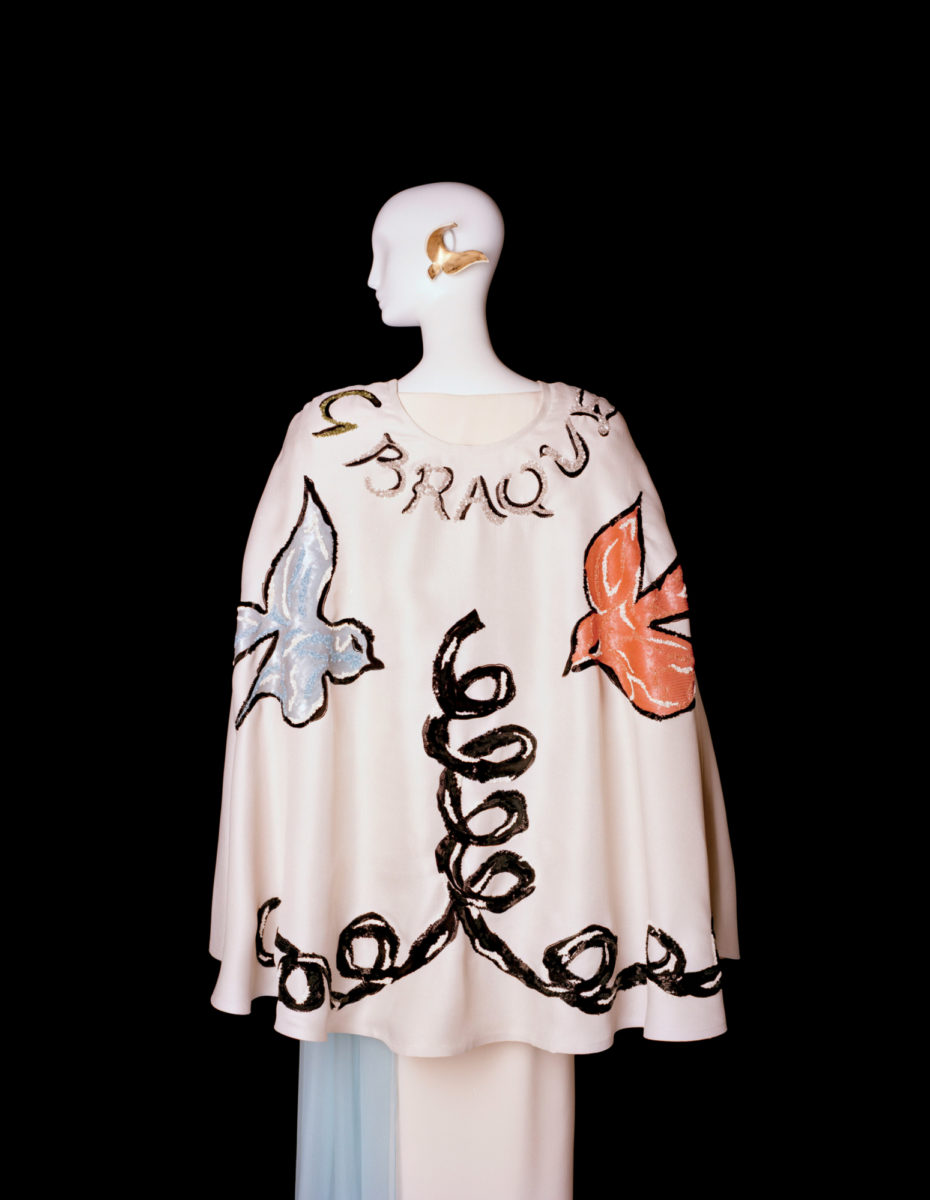
Twenty years ago, Yves Saint-Laurent, the most artistic of French couturiers, presented his last show in Beaubourg. In his fashion house created in 1962, he has never ceased, throughout his collections, to maintain a dialogue with art: painting, sculpture, literature, theater or cinema have nourished his imagination and his creations. It now enters the museum, further recognition of its creation as a national heritage. In a new format, YVES SAINT LAURENT AUX MUSÉES is an anniversary exhibition that is taking place in six Parisian museums: the Centre Pompidou, the Musée d’Art Moderne de Paris, the Louvre Museum, the Musée d’Orsay, the Musée National Picasso-Paris and the Musée Yves Saint Laurent Paris. It illustrates the continuity and deep unity of the links that the couturier weaves with art but also with French public collections. Supported by the Pierre Bergé – Yves Saint Laurent Foundation, the exhibition YVES SAINT LAURENT AUX MUSÉES, created by games of rapprochement and references, a dialogue between certain models, among the most iconic of the couturier, but also beautiful discoveries less known to the public, and the permanent collections of various Parisian museums.

At the Centre Pompidou, at the heart of the Musée national d’art moderne, the tour approaches the work of Yves Saint Laurent as that of an artist deeply rooted in his time and as a witness to the evolution of artistic creation in the twentieth century. Absolute master of this period, Picasso holds a special place in the work of the couturier as evidenced by the games of quotations proposed at the Musée National Picasso-Paris. Sensitive to the correspondences between the arts, Yves Saint Laurent never ceases to juggle between rhythms and colors, lights and materials, like the dialogues set out at the Musée d’Art Moderne in Paris, which alternate monumental rooms and more intimate sequences. At the Louvre Museum, it is the couturier’s fascination for light, for gold – the color of the sun – for the decorative arts but also and especially for the great pageantry that is honored in the gallery of Apollo. However, all these trajectories that respond to each other cannot be apprehended without questioning the role and place that Marcel Proust occupies in the imagination of the couturier. This Proustian passion, as well as the question of gender through male-female dress codes, are explored at the Musée d’Orsay.

At the Centre Pompidou, Mouna Mekouar, curator of these six exhibitions, and curators Christian Briend and Marie Sarrey, revealed Saint-Laurent’s interest in Africa. The coat in red raffia and wooden beads, reminiscent of Dogon ritual clothes, dialogue with André Breton’s cabinet of curiosities, the black dress with conical chest in organza embroidered with plastic beads coexists with the Unpleasant Object of the sculptor Alberto Giacometti. At the Picasso Museum, the couturier borrows from the cubist aesthetic of the great master, eternal games of construction and deconstruction. In 1979, Saint-Laurent dedicated a complete autumn-winter collection to the Spanish painter, like this dress that takes up the asymmetrical faces in the painter’s eye.

At the Louvre, in the Apollo Gallery, the art department of the world’s largest museum houses crown diamonds. Four embroidered jackets compete with the goldsmith’s shop, including the famous Rhinestone Heart, a brooch worn by one of his models during each show.

Marcel Proust’s work was very dear to Yves Saint-Laurent. The Musée d’Orsay has chosen the Salon de l’Horloge to exhibit the dresses worn in 1971 by Jane Birkin and Marie-Hélène de Rothschild for the ball organized by the latter in her castle of Ferrières to celebrate the hundredth anniversary of the birth of Marcel Proust. Yves Saint Laurent created Belle Époque-inspired dresses for Nan Kempner, Hélène Rochas, Jane Birkin and the mistress of the place. They coexist here with different tuxedos, iconic pieces of the couturier, reinvented year after year, a garment that transferred the codes of male power to women.

“I am a failed artist,” yves Saint-Laurent said in a press interview in 2000, admitting to having drawn from the greatest artists of his time. Through his models, it is indeed a whole culture, a whole artistic universe that is expressed. Because in his creative power, Yves Saint Laurent reinvents, with rigor and fantasy, all the plastic heritage of the world. In this perspective, this vast project of exhibitions envisages the creation of Yves Saint Laurent, as crossed by different cultures and temporalities.

Echoing the masterpieces presented in the permanent collections of the partner museums, part of the archives of the fashion house – preciously gathered by Pierre Bergé and Yves Saint Laurent – are presented at the Yves Saint Laurent Museum Paris.

January 29 – May 15, 2022

MUSEE D’ORSAY

MUSEE du LOUVRE

MUSEE PICASSO

CENTRE GEORGES POMPIDOU

MUSEE d’ART MODERNE de la VILLE de PARIS

MUSEE YVES SAINT-LAURENT Paris

FRANZ MARC / AUGUST MACKE

The adventure of the Blue Rider

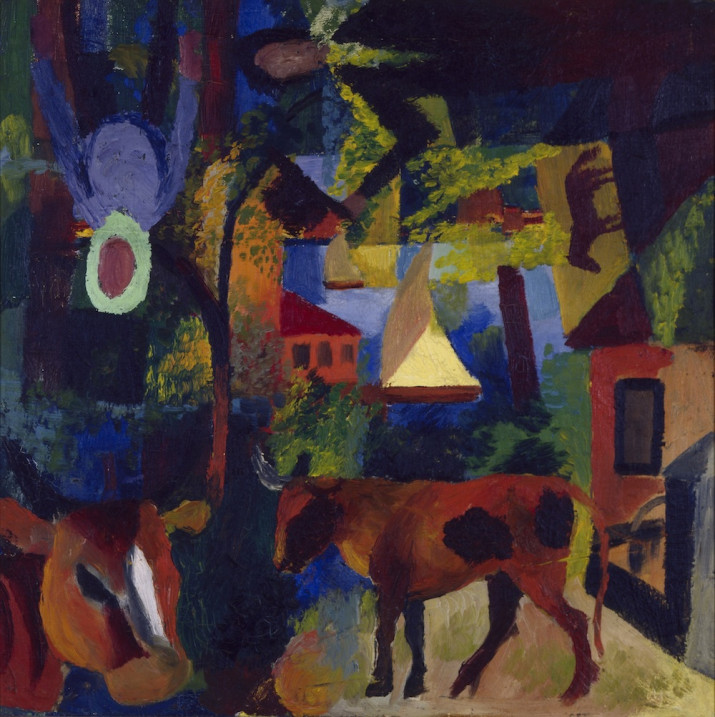
August Macke, “Paysage avec vaches, voilier, et figures”, 1914
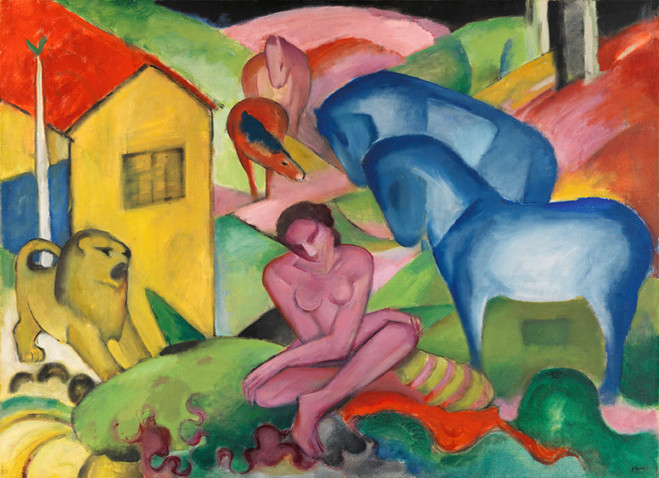
This exhibition presents two major figures of German Expressionism and the Der Blaue Reiter [The Blue Rider] movement, Franz Marc (1880-1916) and August Macke (1887-1914). These artists forged a friendship in 1910 based on their shared interest in French art and more specifically in Cézanne, Van Gogh, Gauguin and Fauvism, who they discovered during their time in Paris. Both expressed the same spiritual fascination for landscapes and nature in their initial paintings, often painted “en plein air”.

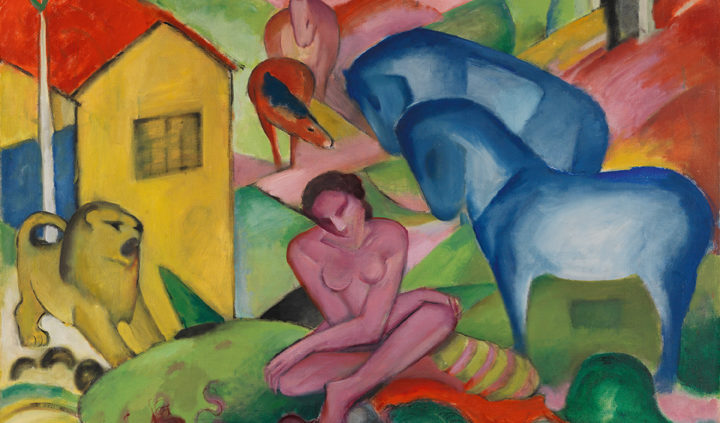
Franz Marc, Le Rêve (Der Traum), 1912

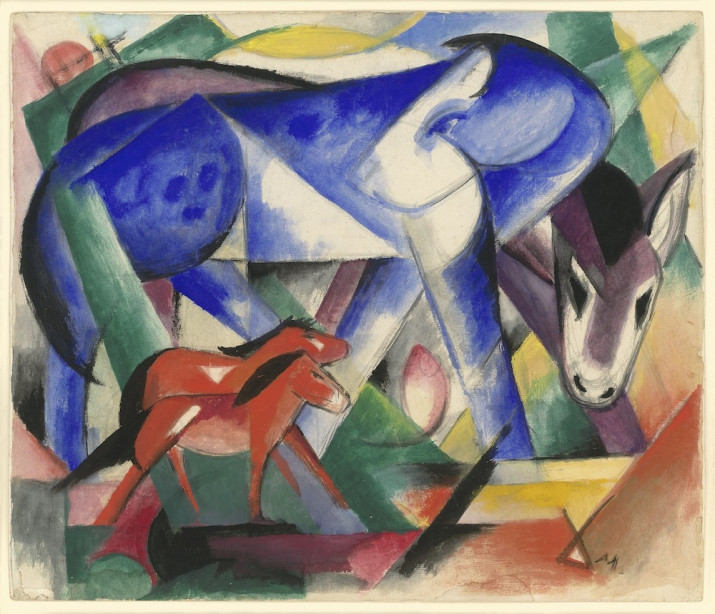
Their paintings took a more radical, stylised turn when they met Vassily Kandinsky in 1911 and founded the Der Blaue Reiter Almanach [The Blue Rider Almanac]. Franz Marc abandoned plein air painting in favour of his famous blue horses which inspired the title of the almanac. While Marc co-edited the Almanach with Kandinsky, August Macke compiled the ethnographic visuals and wrote a study on African masks. Highly active in their field, they also helped organise international avant-garde exhibitions like the ones held in Cologne in 1912, and in Berlin in 1913, while continuing to develop their art. As part of this evolution, Franz Marc turned to Abstract art in 1913 under the influence of the Italian Futurists exhibition and Robert Delaunay’s paintings. Macke, for his part, moved away from Kandinsky’s intellectual spirituality and towards a clearer relationship between humans and nature, particularly during his travels to Tunisia with Paul Klee.

Franz Marc, The First Animals 1913

Drafted in 1914, both artists were killed in combat leaving unfinished yet emblematic works that represent the hedonist, colourful and seductive side of German Expressionism.

March, 6 – June 17, 2019

MUSEE de L’ORANGERIE

Place de la Concorde, Jardin des Tuileries 75001 Paris