
Rodin / Bourdelle

Body to Body

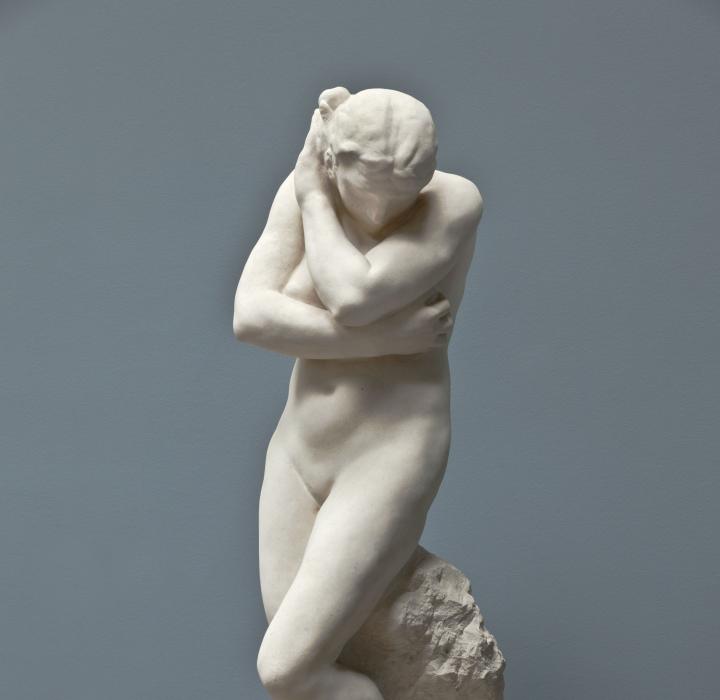
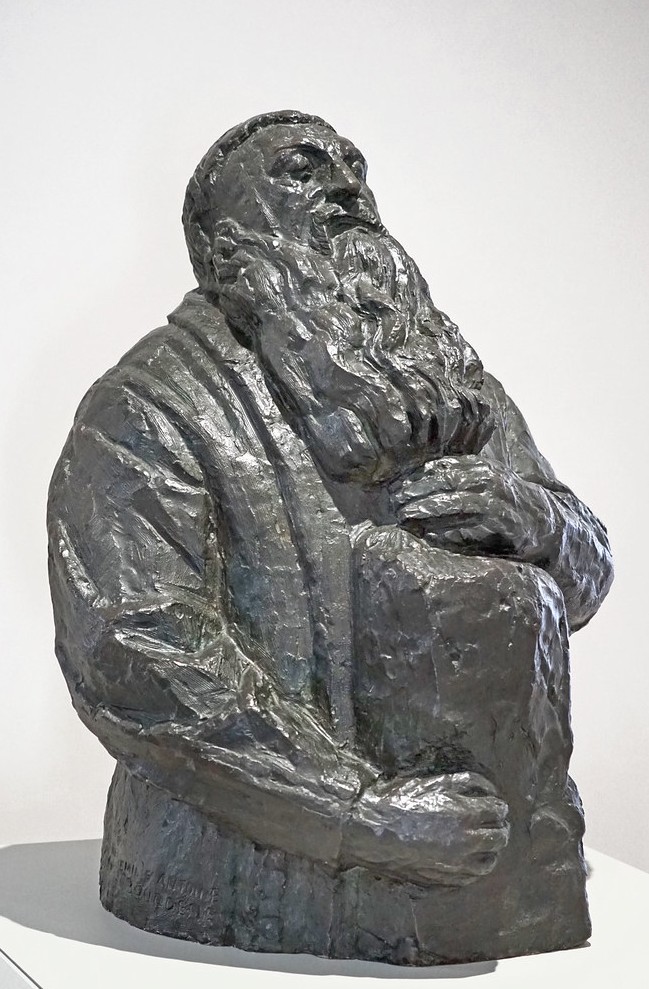
Antoine Bourdelle (1861-1929) admired Auguste Rodin (1840-1917), twenty years his senior. He worked for fifteen years as a practitioner, responsible for carving marbles for Rodin. The master saw in this heir, willingly unruly, a “scout of the future”. Through more than 160 works, including 96 sculptures, 38 drawings, 3 paintings and 26 photographs, the confrontation reveals, with an unprecedented ambition and scope, the fraternities and reciprocities as well as the divergences and antagonisms of two creators, of two plastic universes, bearers of the major challenges of modernity.
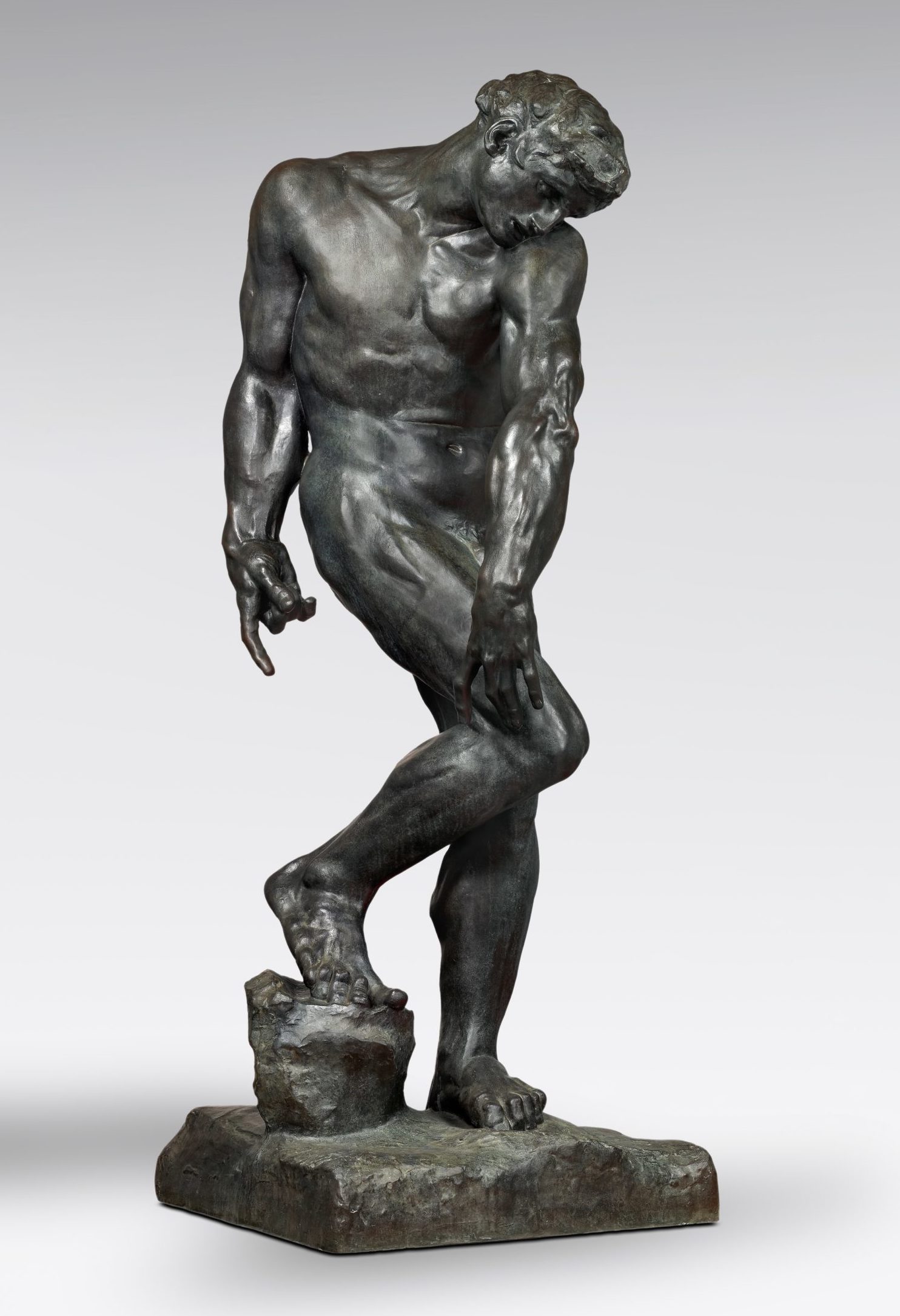
Nephew of a stonemason and son of a cabinetmaker, Antoine Bourdelle learned how to work with the material at a very early age. Auguste Rodin became acquainted with his younger brother’s work at the Salon of the National Society of Fine Arts in 1892. Besieged with orders, Rodin then employed around ten practitioners, and solicited Bourdelle.
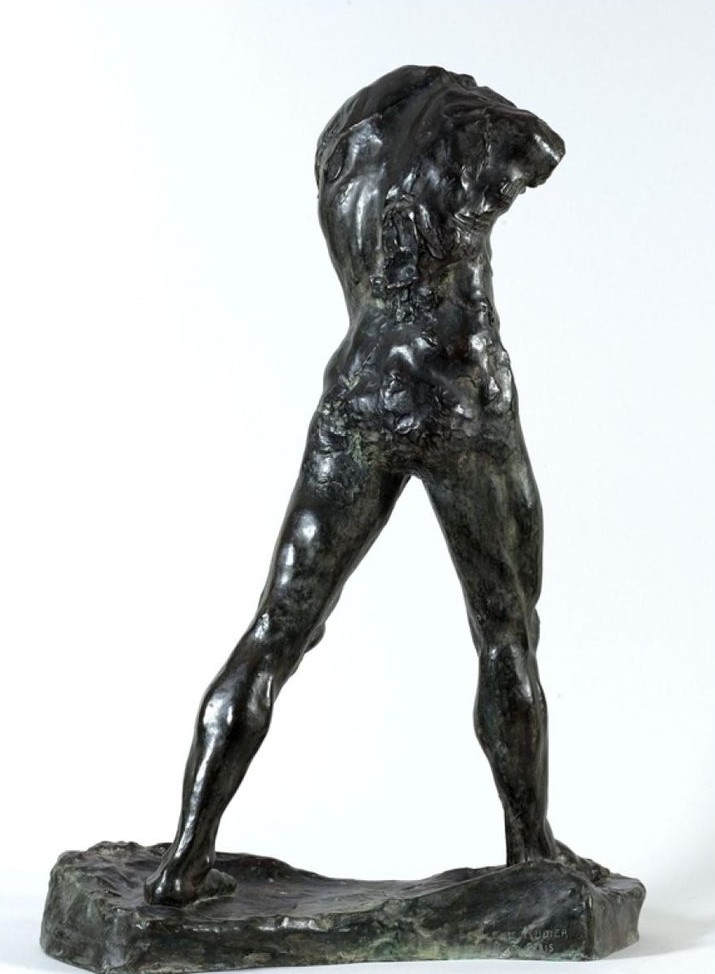
Between 1893 and 1907, Bourdelle carved around ten marbles for Rodin in his studios (now the Bourdelle Museum), assisted by his own practitioners and students. Eager to be more than just an executor, he offered to assist him with the founders. For his part, Rodin supported the young sculptor, particularly for the Monument aux combattant de Montauban, marked by Rodinian expressiveness. In 1902, the first tensions appeared: Bourdelle took too long to carve Eve and proposed a composition for the bust of Rose Beuret that Rodin rejected. However, their collaboration lasted a few more years. In March 1908, Bourdelle was finally able to write: “I have a lot of work at the moment. I no longer need to work for Rodin. I sell a lot.”
October 2, 2024 – February 2, 2025

MUSEE BOURDELLE


18 rue Antoine-Bourdelle 75015 Paris

,

Rodin / Bourdelle

Corps à Corps

Antoine Bourdelle (1861-1929) admira Auguste Rodin (1840-1917), de vingt ans son aîné. Il travailla pendant quinze années comme praticien, chargé de tailler des marbres pour Rodin. Le maître perçut en cet héritier, volontiers indocile, un “éclaireur de l’avenir”. À travers plus de 160 œuvres, dont 96 sculptures, 38 dessins, 3 peintures et 26 photographies, la confrontation donne à voir, avec une ambition et une ampleur inédites, les fraternités et réciprocités comme les divergences et antagonismes de deux créateurs, de deux univers plastiques, porteurs des enjeux majeurs de la modernité.

Neveu d’un tailleur de pierre et fils d’un ébéniste, Antoine Bourdelle apprend très tôt le travail de la matière. Auguste Rodin fait connaissance avec l’oeuvre de son cadet au Salon de la Société nationale des Beaux-Arts de 1892. Assailli de commandes, Rodin fait alors travailler une dizaine de praticiens, et sollicite Bourdelle.

Entre 1893 et 1907, Bourdelle taille une dizaine de marbres pour Rodin dans ses ateliers (actuel musée Bourdelle), aidé de ses propres praticiens et élèves. Désireux d’être davantage qu’un simple exécutant, il propose notamment de le seconder auprès des fondeurs. De son côté, Rodin soutient le jeune sculpteur, notamment pour le Monument aux combattants de Montauban, marqué par l’expressivité rodinienne. En 1902 apparaissent les premières tensions : Bourdelle tarde trop à tailler Ève et propose pour le buste de Rose Beuret une composition rejetée par Rodin. Pourtant leur collaboration dure encore quelques années. En mars 1908, Bourdelle peut enfin écrire : « J’ai en ce moment beaucoup de travaux. Je n’ai plus besoin de travailler pour Rodin. Je vends beaucoup. »

Du 2 octobre 2024 au 2 février 2025

MUSEE BOURDELLE


18 rue Antoine-Bourdelle 75015 Paris