
,

L’Intimité

De la Chambre aux réseaux sociaux

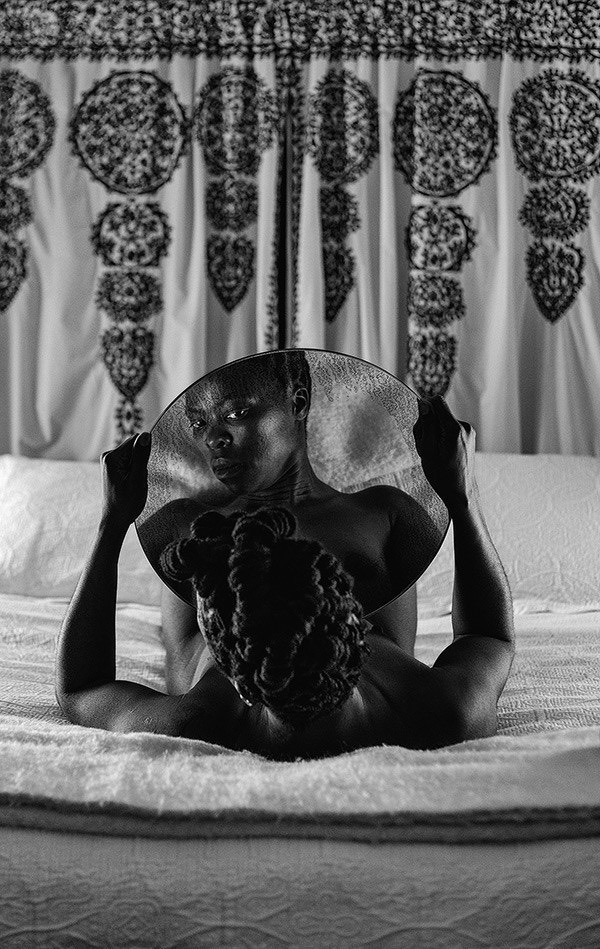
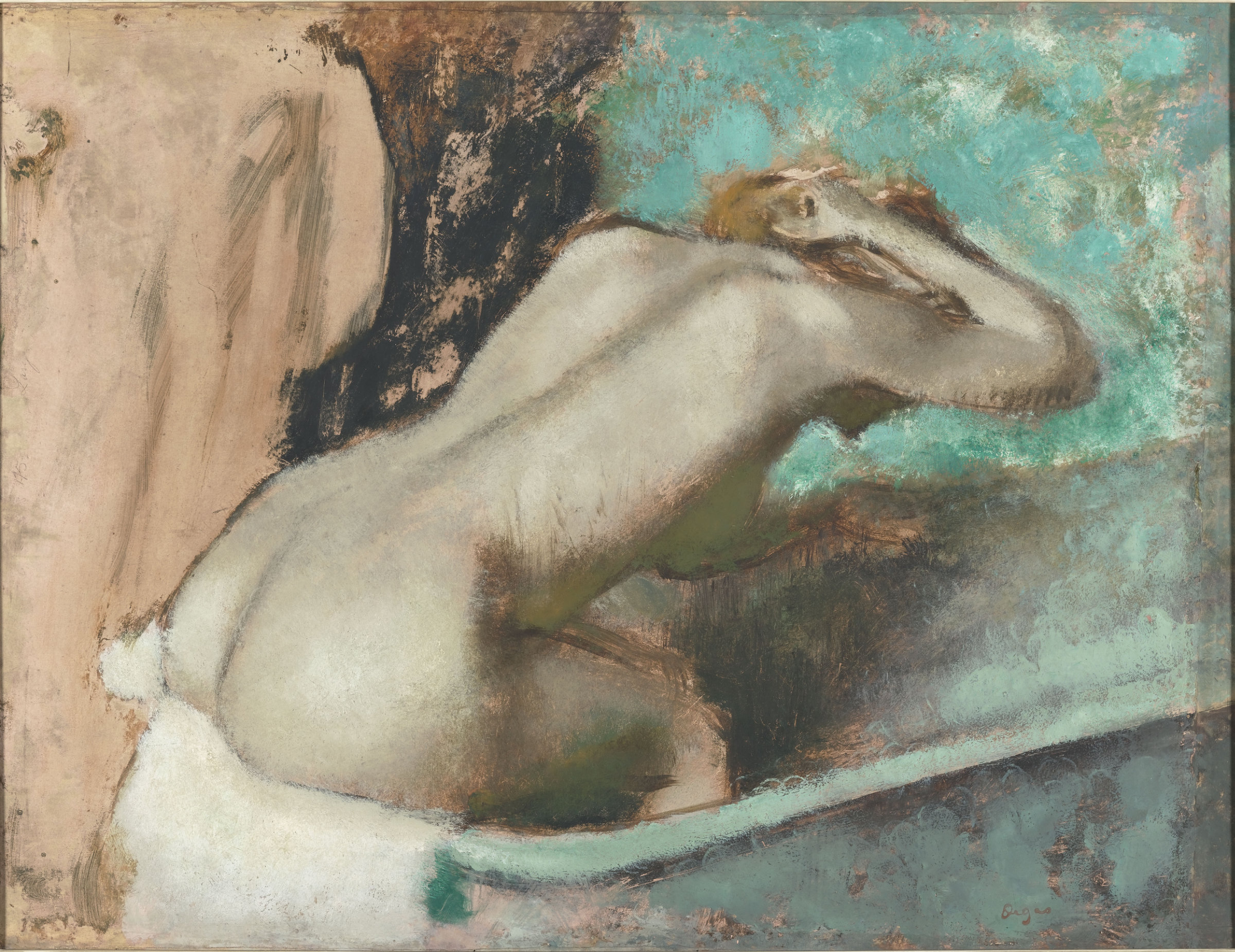
Un voyage fascinant au cœur de nos jardins secrets à travers une histoire de l’intime du XVIIIe siècle à nos jours ! 470 œuvres, peintures et photographies, mais aussi objets d’art décoratifs, du quotidien et de design, révèlent comment l’intime a évolué. De la chambre vue par Henri Cartier‑Bresson ou Nan Goldin, des lits en fer forgé du xixe siècle au lit-clos des Frères Bouroullec, de la chaise percée à l’urinoir pour femmes, des objets de la toilette sèche à la salle de bain, de la beauté aristocratique à la consommation de masse, des livres licencieux aux sex-toys, du walkman aux réseaux sociaux et à l’influence, en passant par les outils de surveillance et de protection, l’exposition montre comment l’intime s’est imposé puis s’est profondément modifié. Les frontières entre privé et public devenues plus floues et poreuses engendrent de nombreux débats.

Au XIXe siècle avec l’émergence d’une classe bourgeoise, la vie professionnelle et familiale se séparent : la femme est alors maîtresse du domestique et de l’intime. Les peintres, essentiellement masculins, tel Edouard Vuillard, ouvrant le parcours, les représentent souvent dans leur intérieur. Ce n’est que progressivement, grâce aux révolutions féministes, que la « femme mystifiée » dont témoigne le livre de Betty Friedan, se dissocie de l’espace clos.
L’exposition se poursuit dans la nef avec une scénographie spectaculaire centrée sur vingt-cinq chefs-d’œuvre du design du xxe siècle autour du thème du nid et de l’intimité partagée. Le design des années 1950 à aujourd’hui, à travers des sièges, canapés ou lits, illustre une dialectique constante entre un désir d’isolement et une promiscuité choisie. Des pièces comme la Womb Chair d’Eero Saarinen témoignent du repli protecteur des années 1950-1960, tandis que des créations de Superstudio, Archizoom ou Memphis reflètent le désir de rassemblement typique des années 1960 et 1970.

Le parcours continue au fond de la nef et dans les galeries de la rue de Rivoli, abordant six thématiques qui explorent les changements les plus contemporains, de la sexualité aux réseaux sociaux, en passant par la création de contenus et les techniques de surveillance. Il interroge également la question de l’intimité en temps de précarité et s’achève sur une salle consacrée au plus précieux de l’intime, cette conversation avec soi qu’offre le journal intime. Enfin, une œuvre de Thomas Hirschhorn, citant la philosophe Simone Weil, invite à réfléchir sur les possibilités des réseaux sociaux et à envisager un nouvel humanisme.

du 15 octobre 2024 au 30 mars 2025

MAD

107 rue de Rivoli 75001 Paris

Intimacy

From the Chamber to social networks

A fascinating journey into the heart of our secret gardens through a history of intimacy from the 18th century to the present day! 470 works, paintings and photographs, as well as decorative, everyday and design art objects, reveal how intimacy has evolved. From the bedroom seen by Henri Cartier-Bresson or Nan Goldin, from wrought iron beds of the 19th century to the Bouroullec Brothers’ box bed, from the commode to the women’s urinal, from objects from the dry toilet to the bathroom, from aristocratic beauty to mass consumption, from licentious books to sex toys, from the Walkman to social networks and influence, including surveillance and protection tools, the exhibition shows how intimacy has become established and then profoundly changed. The boundaries between private and public have become more blurred and porous, giving rise to many debates.

In the 19th century, with the emergence of a bourgeois class, professional and family life separated: women were then mistresses of the domestic and the intimate. Painters, mainly male, such as Edouard Vuillard, who opened the path, often represented them in their interiors. It was only gradually, thanks to feminist revolutions, that the “mystified woman” shown in Betty Friedan’s book dissociated herself from the enclosed space.

The exhibition continues in the nave with a spectacular scenography centered on twenty-five masterpieces of 20th-century design around the theme of the nest and shared intimacy. Design from the 1950s to today, through seats, sofas and beds, illustrates a constant dialectic between a desire for isolation and a chosen promiscuity. Pieces such as Eero Saarinen’s Womb Chair bear witness to the protective withdrawal of the 1950s and 1960s, while creations by Superstudio, Archizoom and Memphis reflect the desire for gathering typical of the 1960s and 1970s.

.

The tour continues at the back of the nave and in the galleries of the rue de Rivoli, addressing six themes that explore the most contemporary changes, from sexuality to social networks, including content creation and surveillance techniques. It also questions the issue of intimacy in times of precariousness and ends in a room dedicated to the most precious of intimacy, this conversation with oneself that the personal diary offers. Finally, a work by Thomas Hirschhorn, quoting the philosopher Simone Weil, invites us to reflect on the possibilities of social networks and to consider a new humanism.

October 15, 2024 – March 30, 2025

MAD

107 rue de Rivoli 75001 Paris