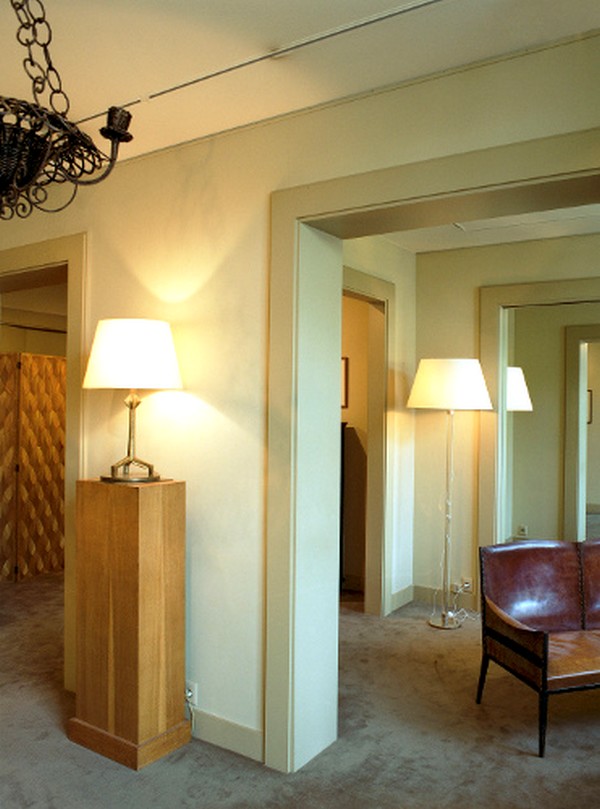
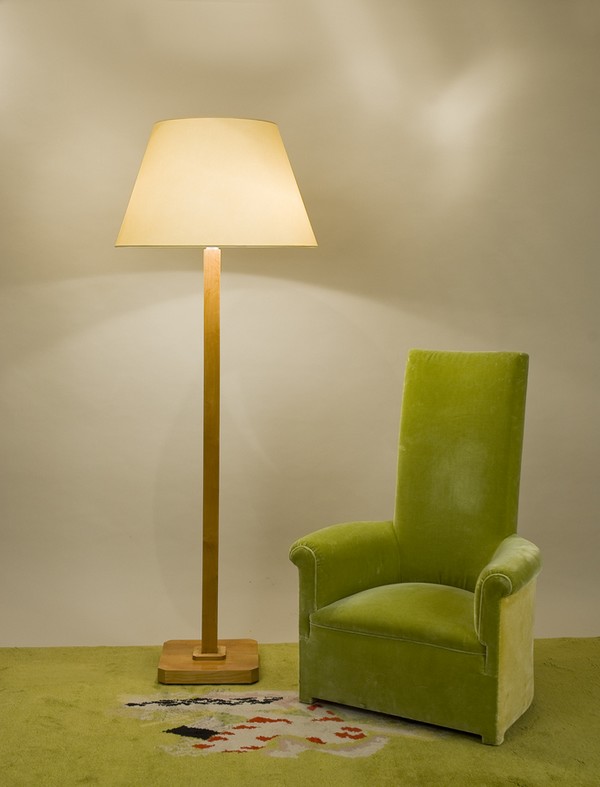
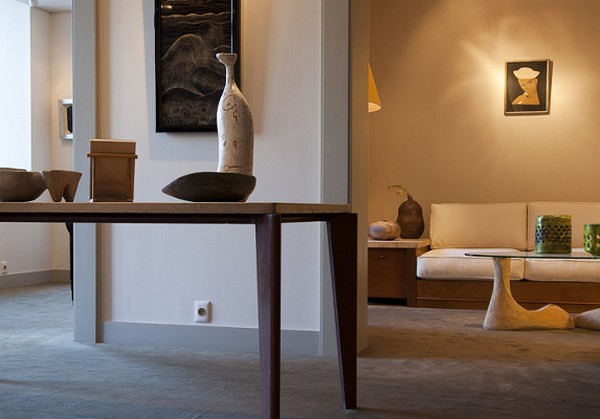
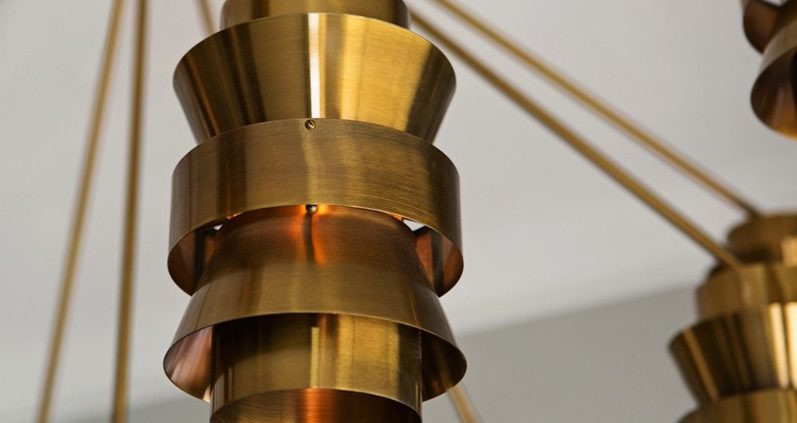
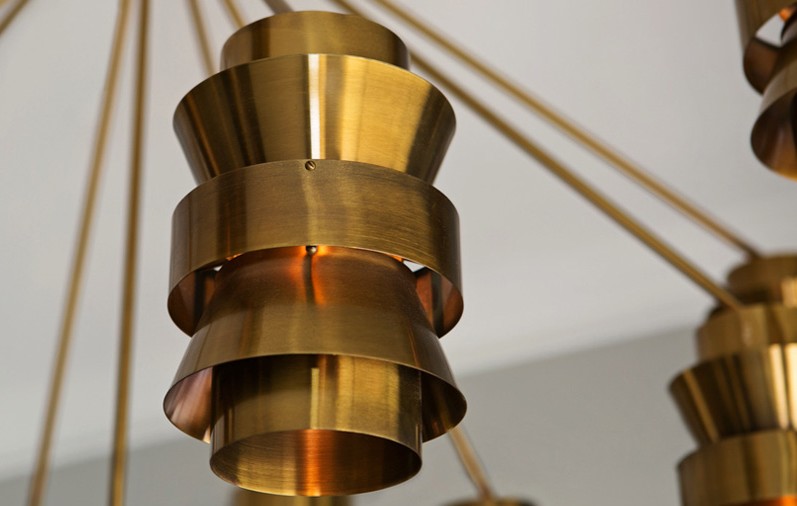
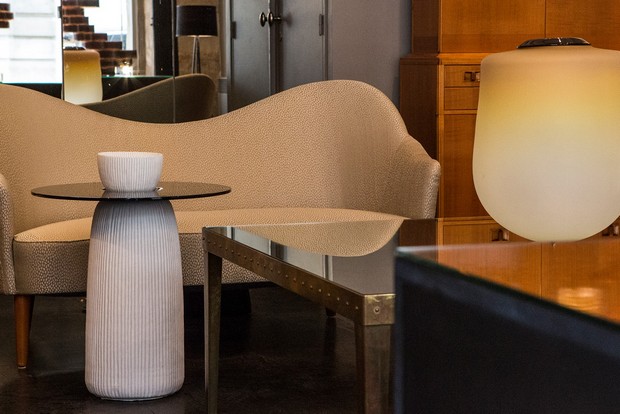
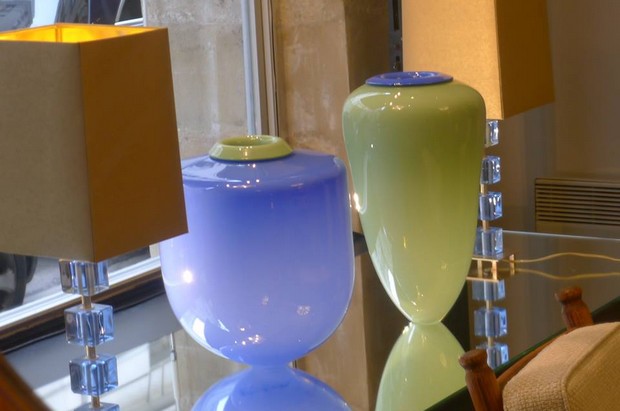
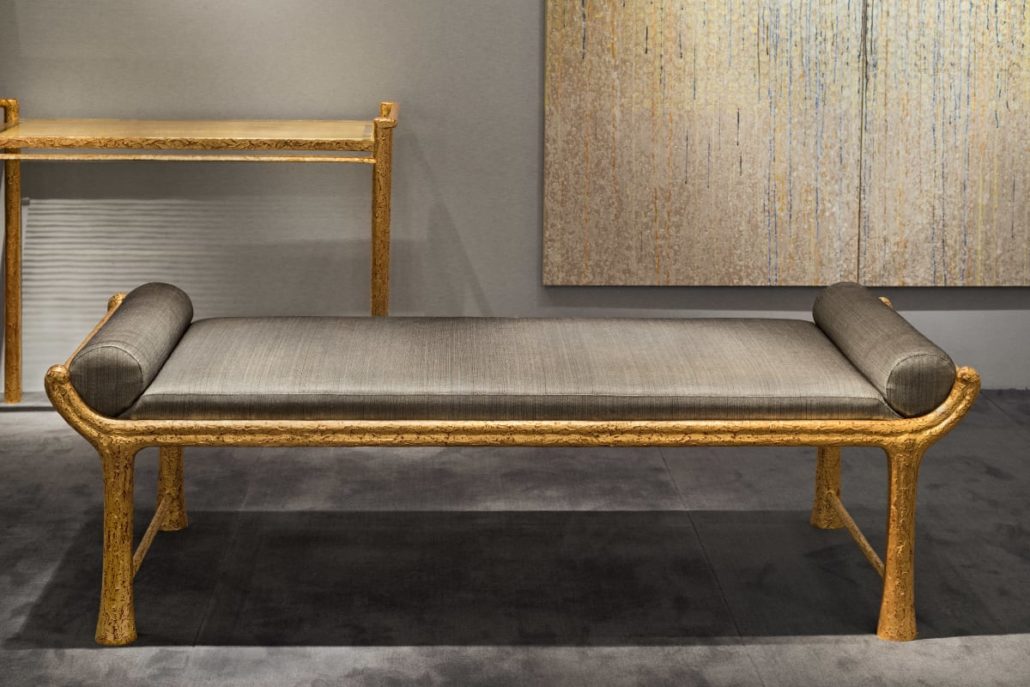
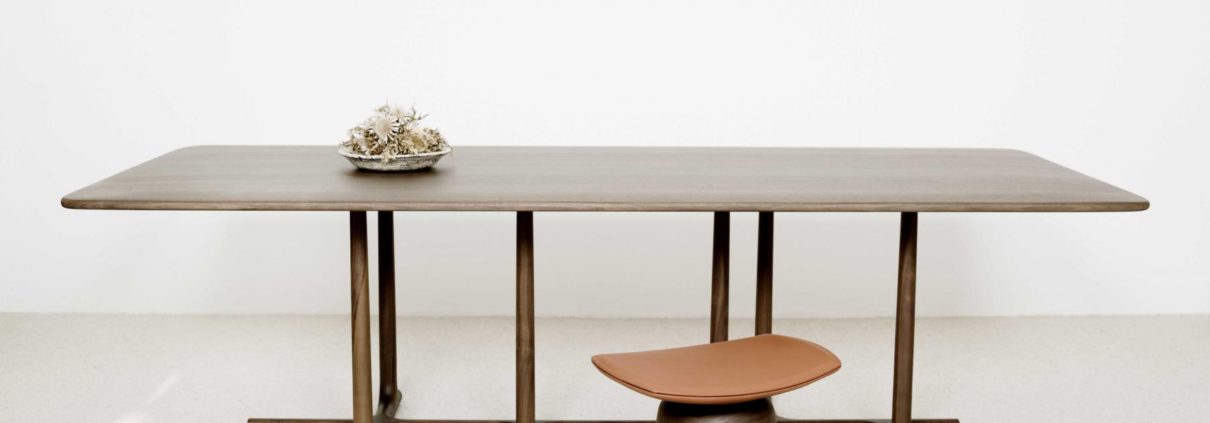
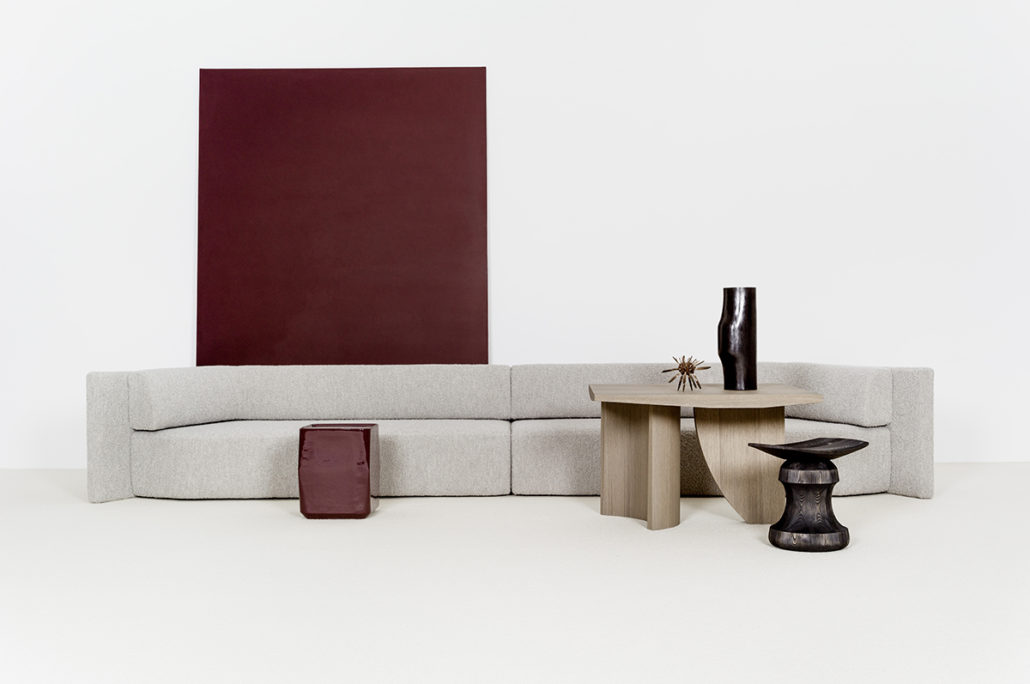
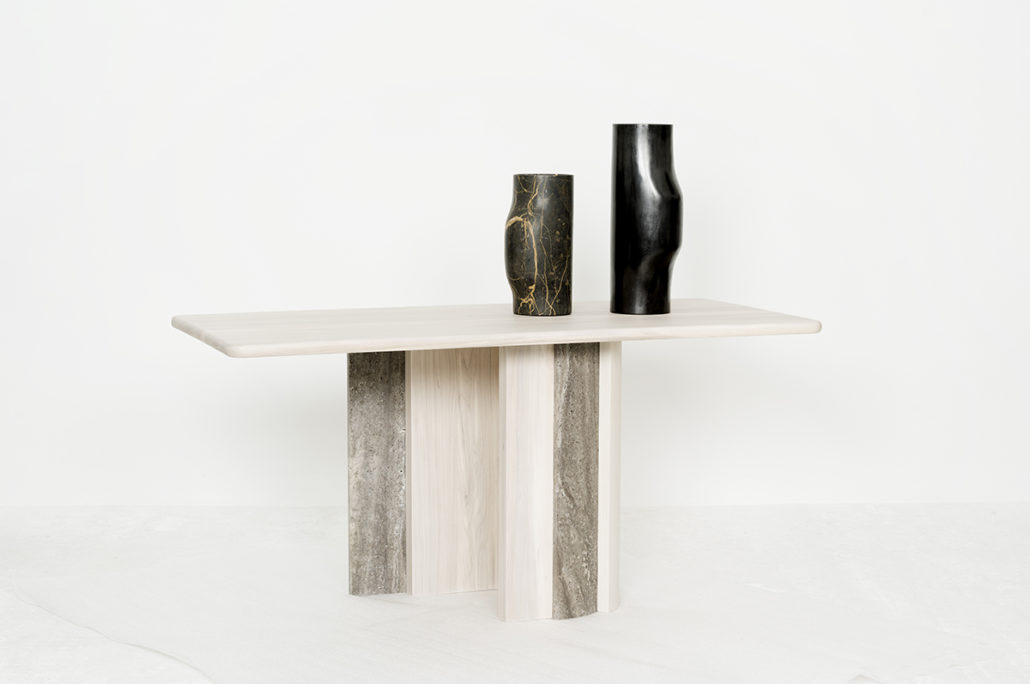
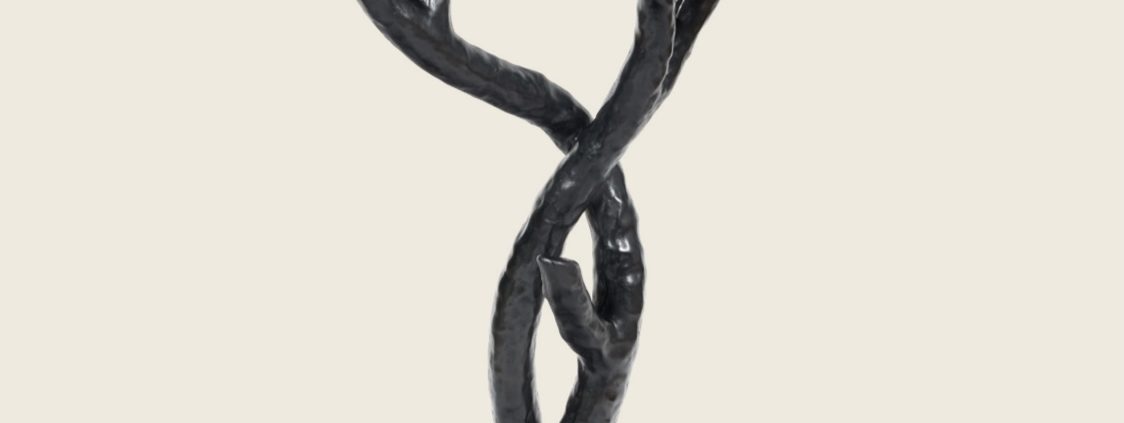
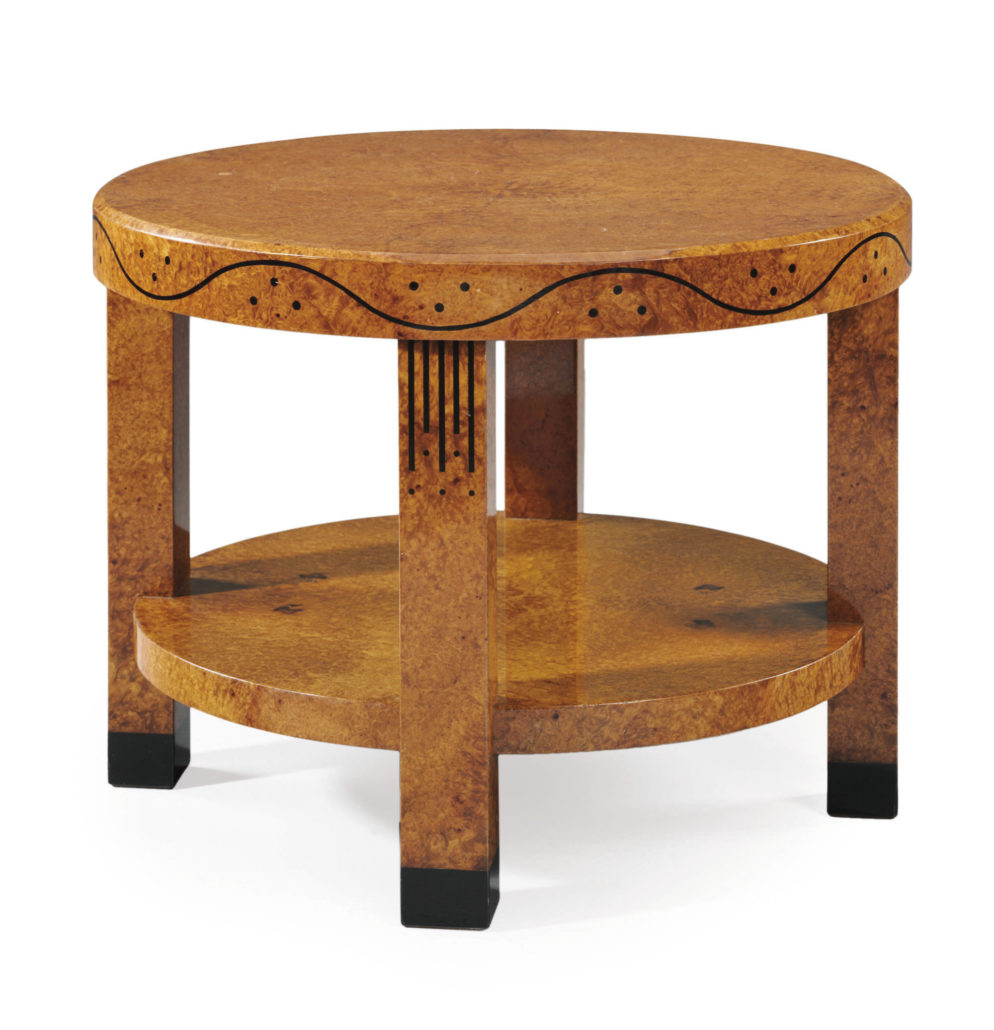
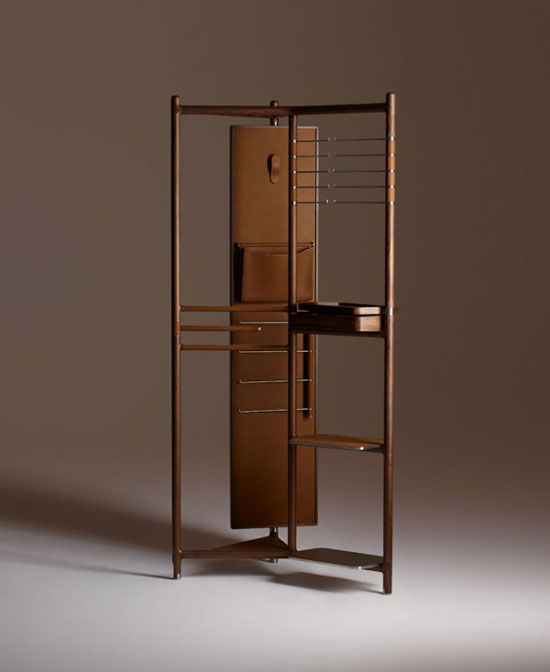
A pioneer in the rediscovery of Art Deco, the Anne-Sophie Duval gallery is one of the must-see places for collectors of furniture and applied arts. The gallery has represented for forty years the work of the most remarkable creators of the early 20th century: Jean Dunand, Pierre Chareau, Jean-Michel Frank, Armand-Albert Rateau, André Groult or Eileen Gray, but also the creators of the Bauhaus, or the female ceramists of the 1950s.
A researcher of emblematic pieces but also a scout of young talents, Carole Decombe presents both Scandinavian design from the 40s to the 70s, Hans-Agne Jakobsson, Kerstin Hörlin Holmquist or Grete Jalk, as well as contemporary designers such as Jeremy Maxwell Wintrebert, Isabelle Sicart, Mydriaz, Mauro Mauri or Nicolas and Sébastien Reese.
Ceramics, lighting, furniture, each exhibition is a surprise since it passes from one era to another, exercising our eye on the history of design as well as contemporary creation.
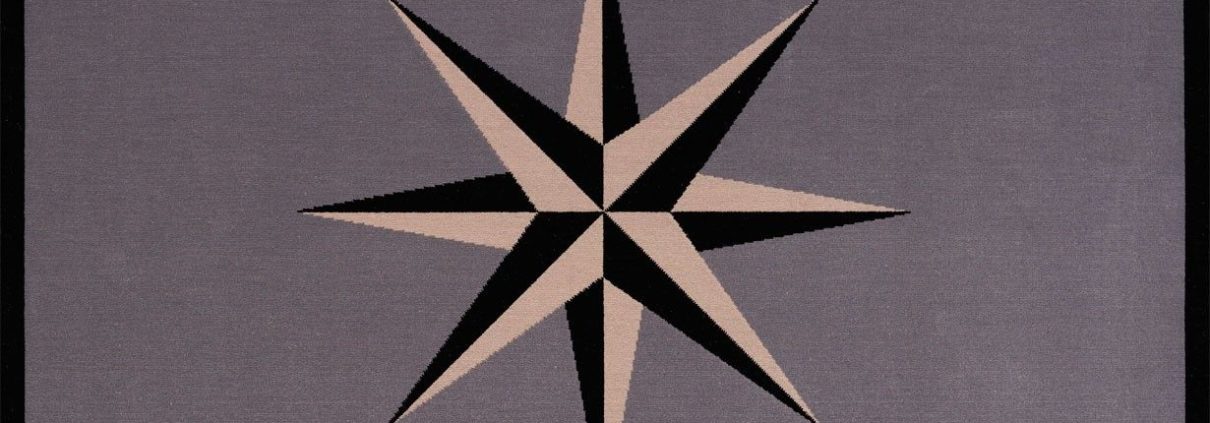
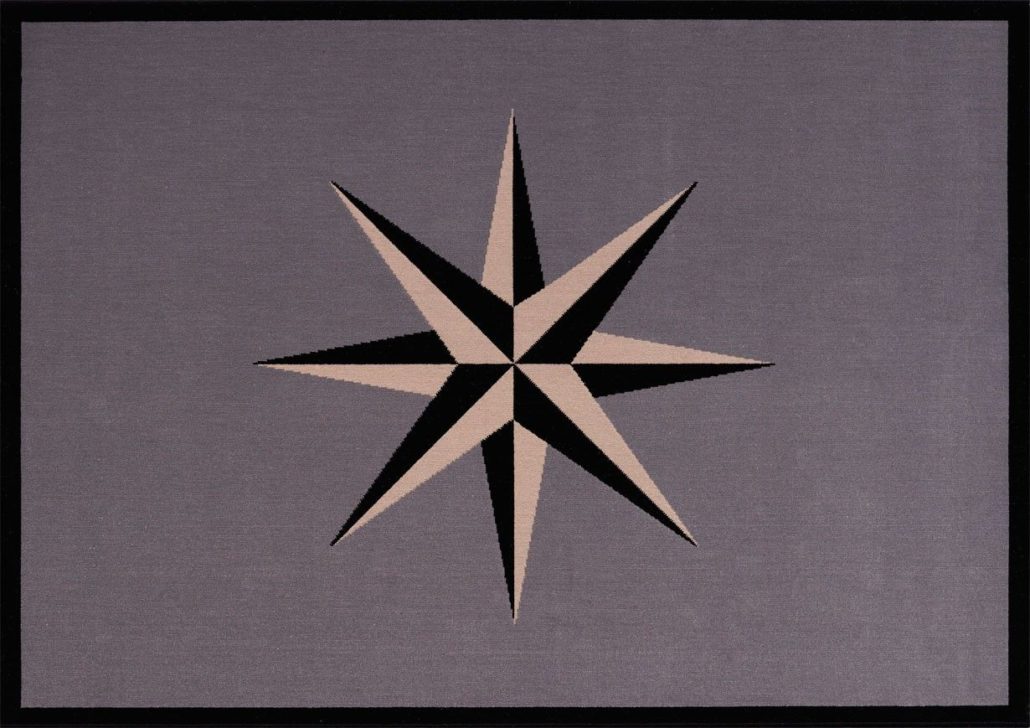
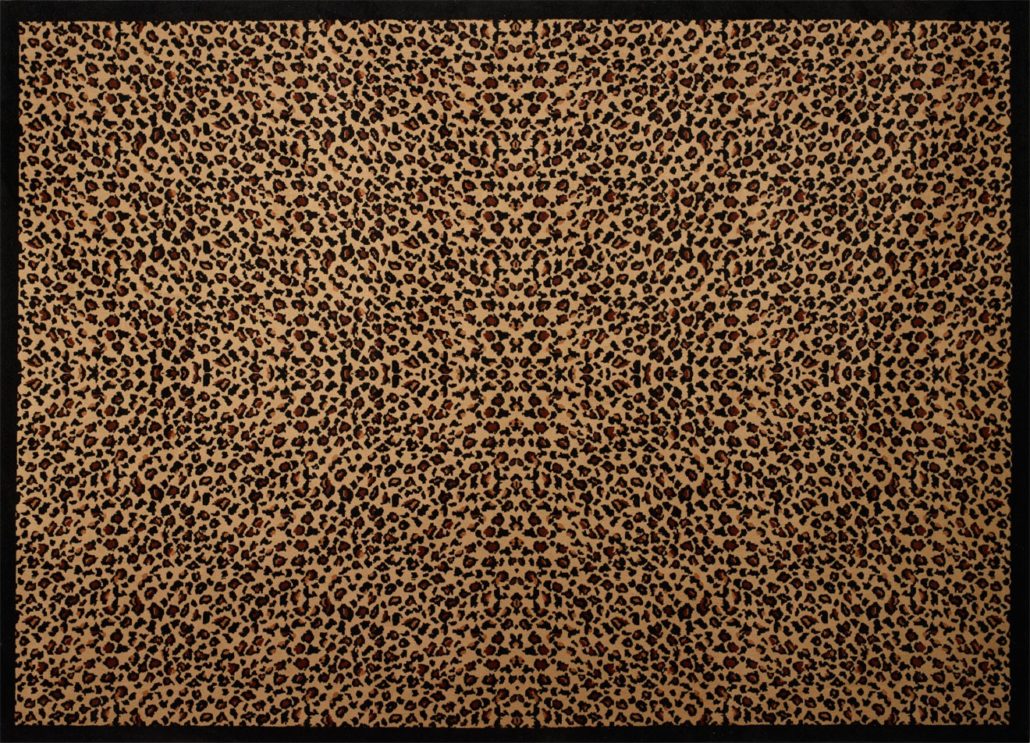
Carpets in limited or continuous editions with patterns that draw their inspiration from the decorative tradition of wallpaper, fabric, embroidery, architecture and French gardens : it is pretty original ! But what makes all the difference at Casa Lopez is the style department which, from archives or a wish, offers to create a drawing which corresponds to our desires, then to chose with us the material or materials of our carpet : wool, cotton, silk, hessian, string or sisal, that we will even be able to mix to create some effects. Victoria Magniant, the young artistic director, will be there to accompany you along this fascinating adventure.
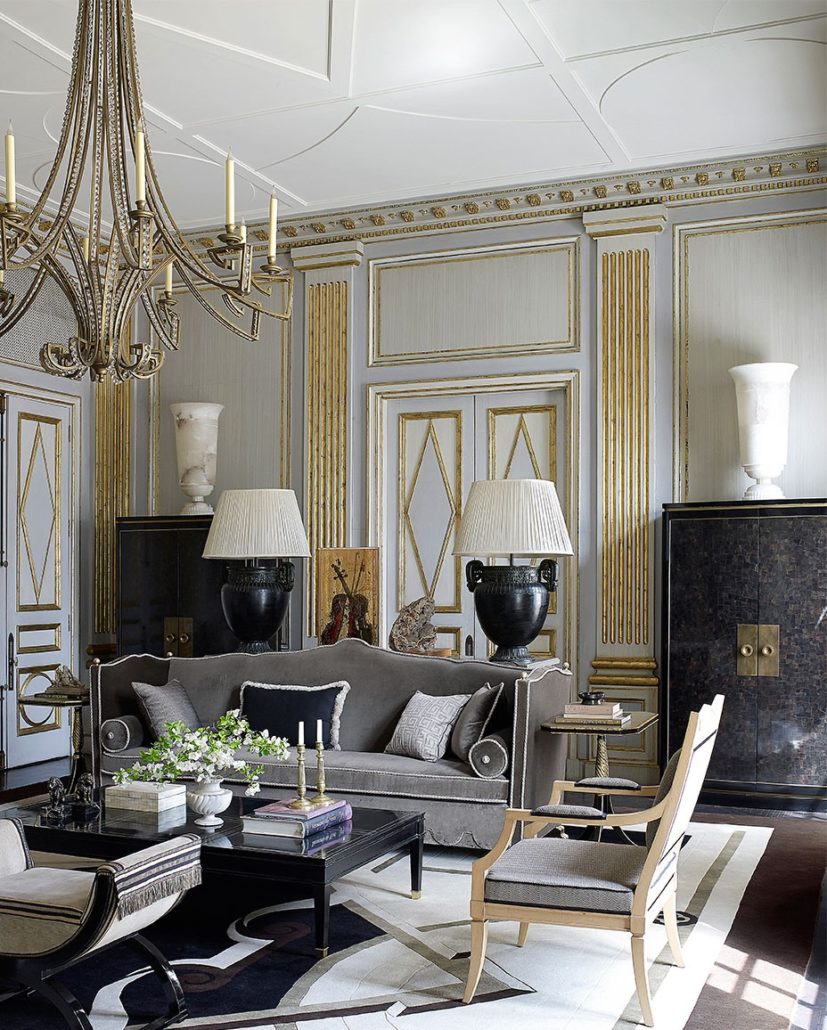
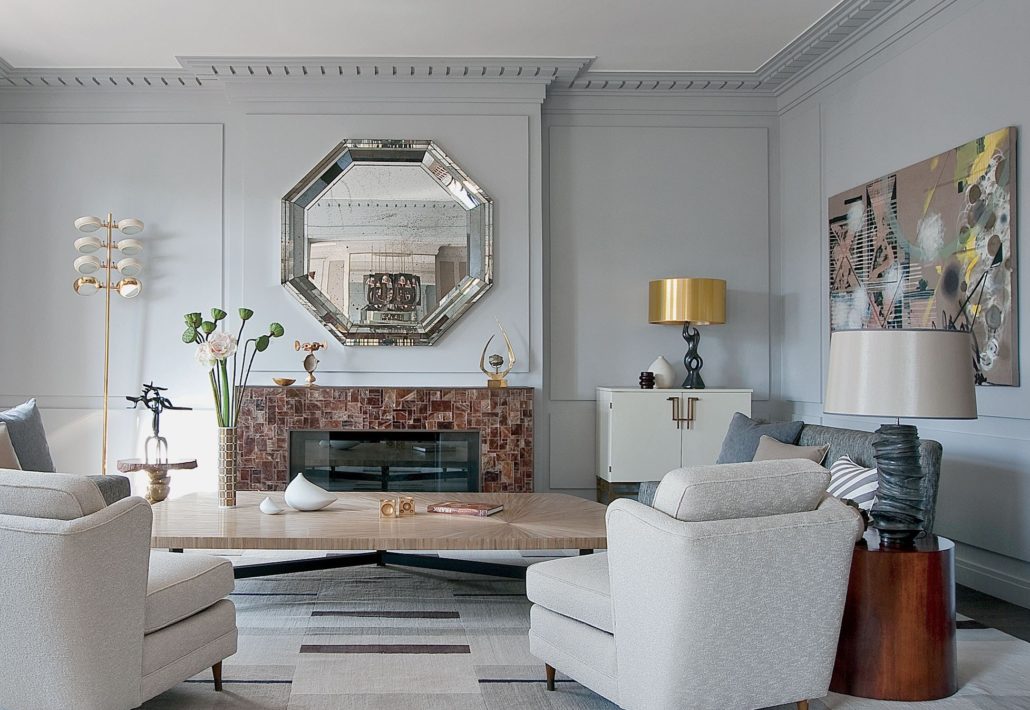
In the small world of renowned contemporary decorators, Jean-Louis Deniot is undoubtedly the one who most appreciates the classicism of a certain French taste: symmetry and balance often form the basis of his sets. In the same way for fabrics and colors, whether the tones are dull or frank, he likes to work with shades by declining them on all the elements of the decor, walls, carpets or curtains.
Jean-Jacques Dutko is a multi-faceted antique dealer-gallerist, passionate about many universes. Around the furniture of Jacques-Emile Ruhlman or Eugène Printz, he stages contemporary designers but also primitive art, painting and sculpture, universes that intersect in complete harmony.
Settled in an industrial building of the Rue de Babylone, this fervent enthusiast of eco-design, who is both designer and interior architect, creates a line of furniture and lamps pretty typical, recognizable at first glance and that always denotes his taste for wood and natural materials.
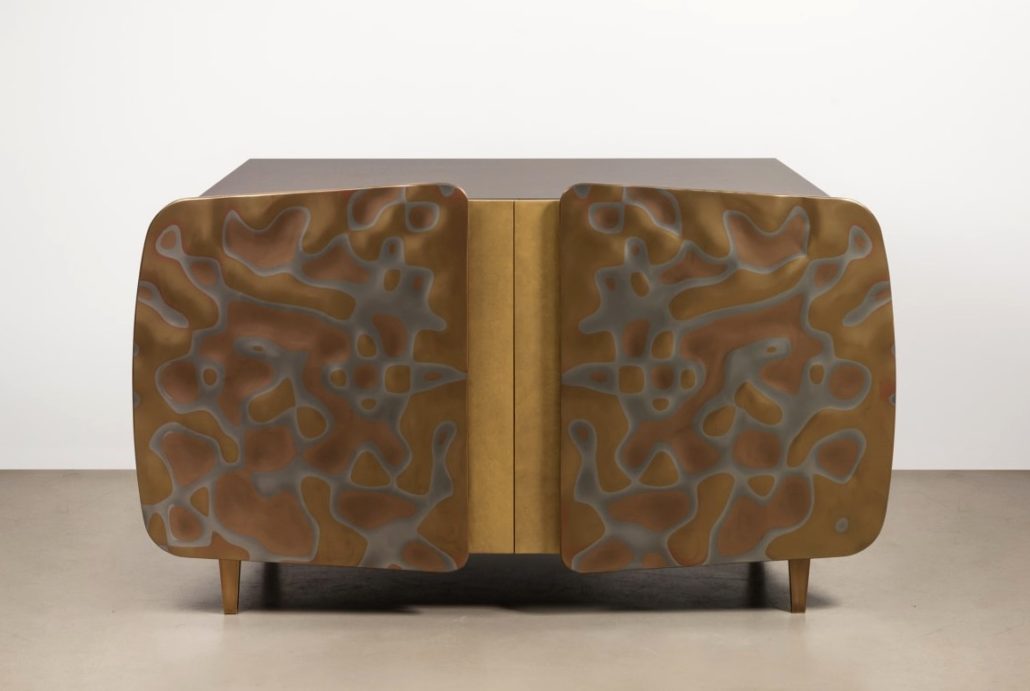
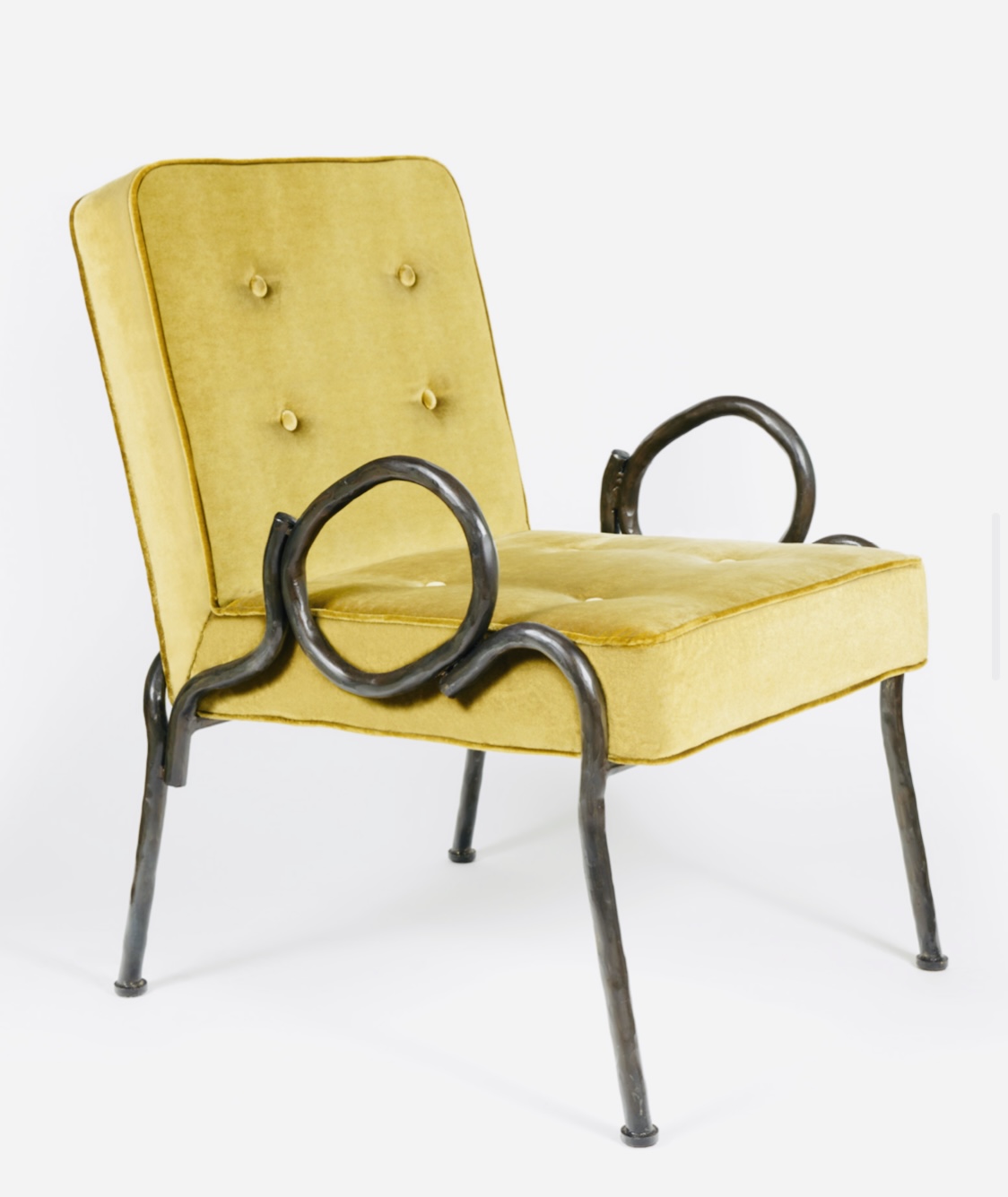
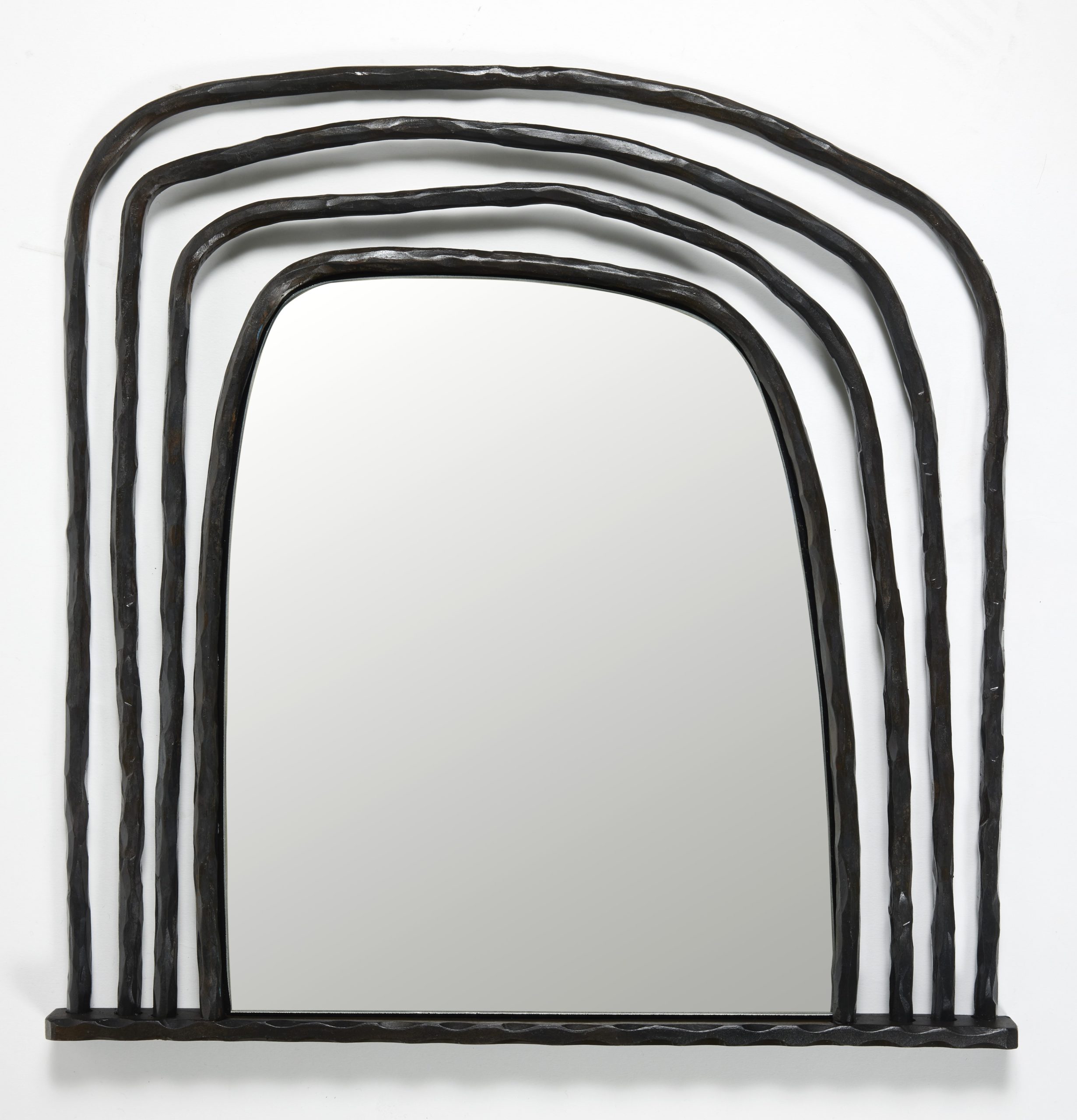
Born in the late 80s, En Attendant les Barbares is known for being the publisher of the first creations of Elisabeth Garouste and Mattia Bonetti. His approach has always been to try to break down the boundaries between design and decorative art, for example by emphasizing the work of craftsmen. Over time, many designers from different generations and backgrounds have joined the gallery, bringing their touch to the eclecticism that makes its identity, among them Christian Ghion, Arik Lévy, Mark Brazier-Jones, André Dubreuil or Matt Sindall.
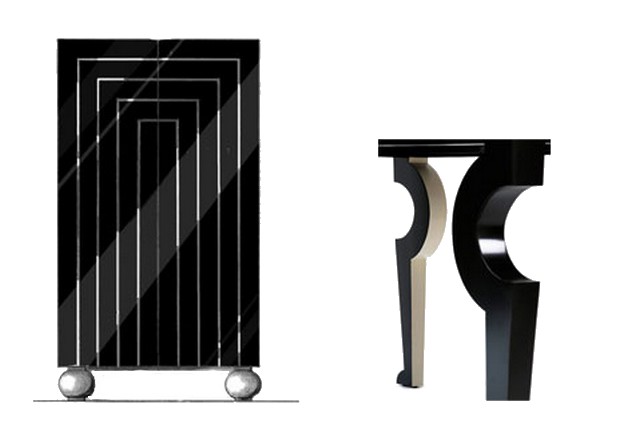
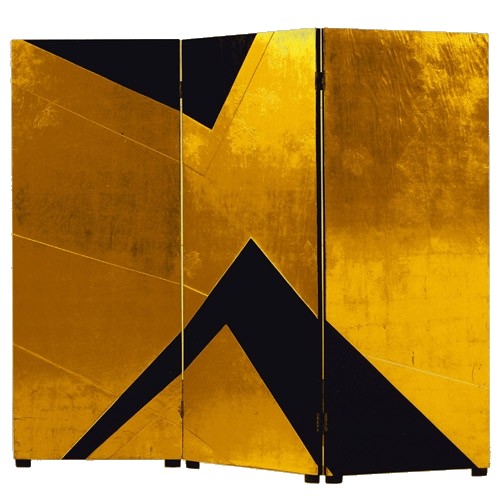
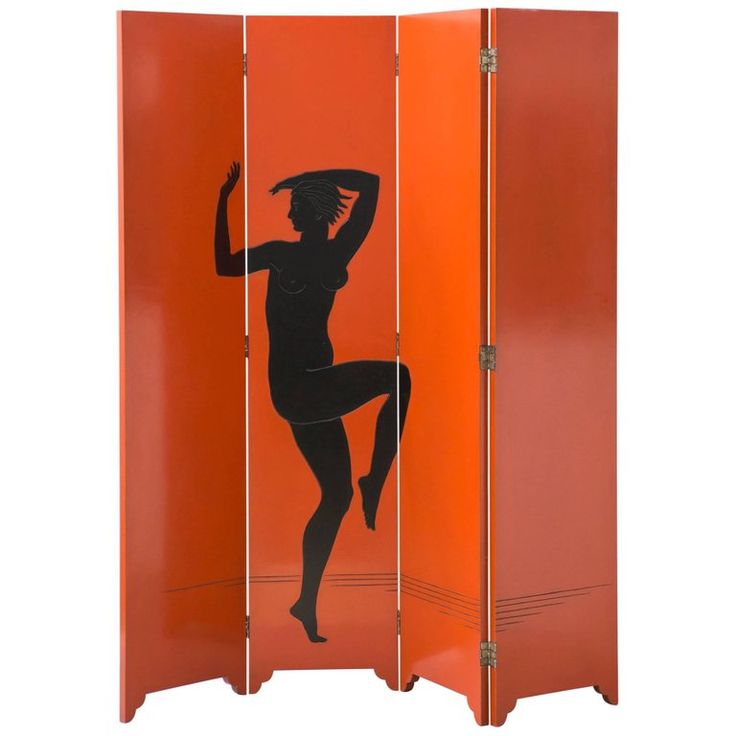
Robert and Cheska Vallois have been dedicating their gallery to Art Deco since 1971. For furniture and art objects, the Art Deco years (1918-1940) were a period of luxuriance and sophistication for the materials used (shagreen, ivory, parchment, lacquer, mother-of-pearl, rare and precious wood …) which were sublimated by a great creativity in shapes. The Art Deco years had a major influence on contemporary design and marked the peak of interior designers and French craftsmen. The Vallois present the most talented creators of those years : Pierre Chareau, Marcel Coard, Jean Dunand, Jean-Michel Frank, Alberto et Diego Giacometti, Eileen Gray, André Groult, Paul Iribe, Pierre Legrain, Eugène Printz, Armand-Albert Rateau, or Jacques-Emile Ruhlman.
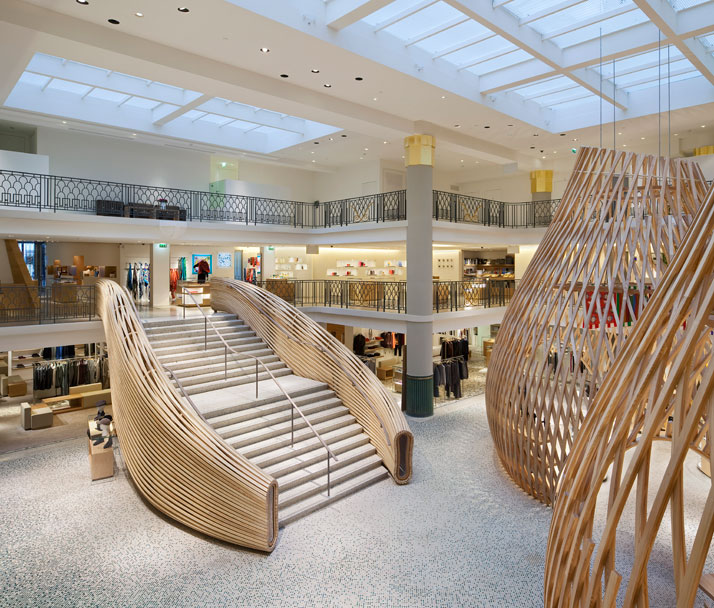
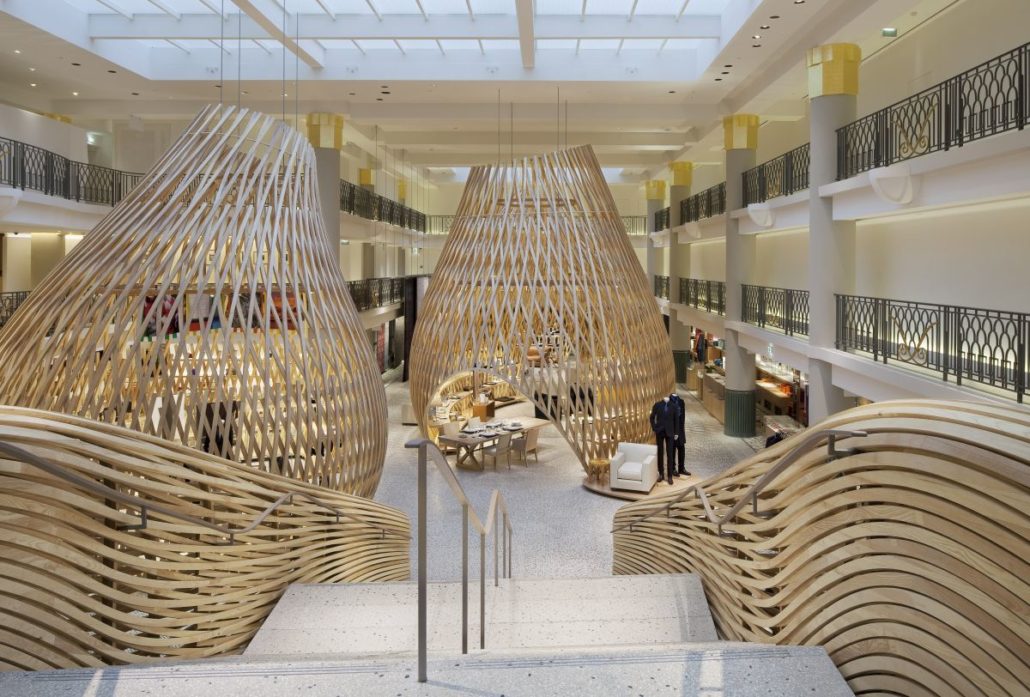
In the grandiose setting of the former swimming-pool of the Lutetia Hotel, three structures made of wood have been put up. A sort of futurist and mobile cabins now come to modify the rigor of the space by conveying a convivial touch.
Those structures house thematic and temporary spaces in which the “House Art” takes up a lot of room, particularly with the new editions of Jean-Michel Franck’s furniture.
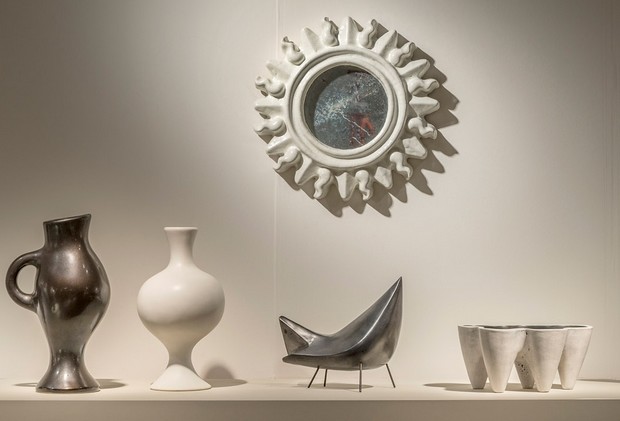
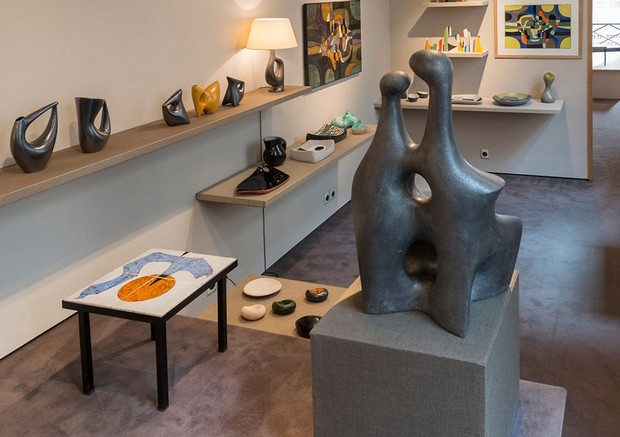
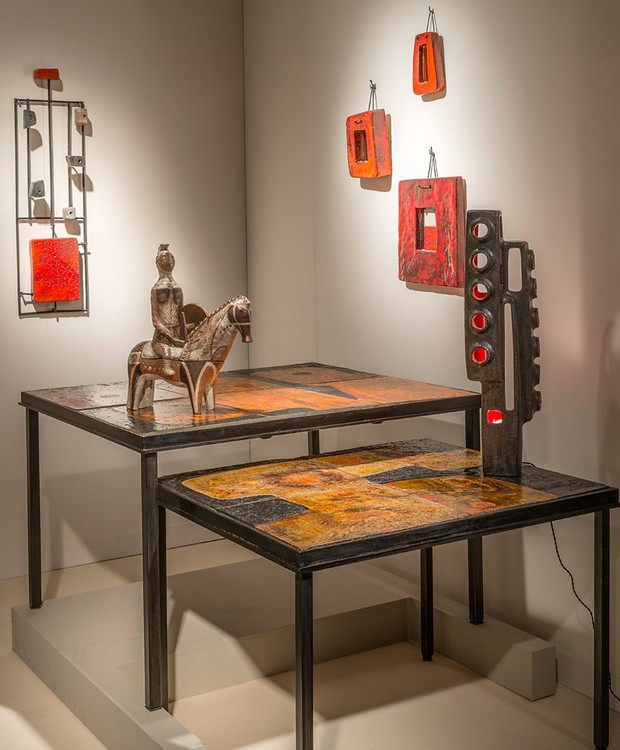
After the Puces, Thomas Fritsch took, like many talented merchants, the path to Saint-Germain des Prés. His style ? The 1950s and 1960s, culminating in ceramics and unique pieces by Pol Chambost, Georges Jouve, Roger Capron, André Aleth Masson, Jacques and Dani Ruelland, and Denise Gatard.
https://www.germanopratines.fr/wp-content/uploads/2015/02/FRITSCH-2.jpg421620Hélènehttps://www.germanopratines.fr/wp-content/uploads/2019/12/logo-germanopratines-3-1030x221.pngHélène2013-05-18 15:30:532026-02-11 22:20:08Galerie THOMAS FRITSCH
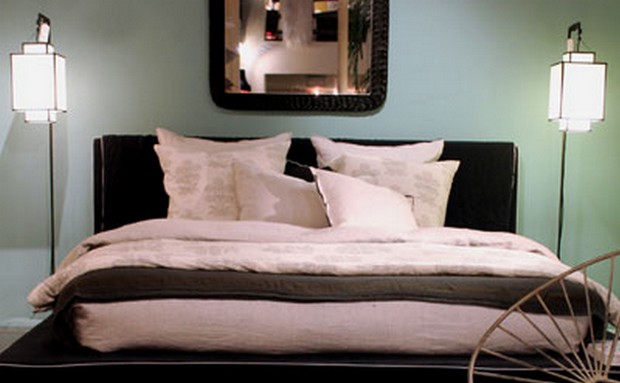
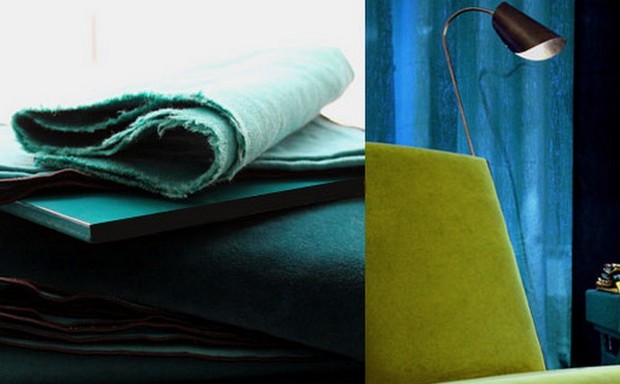
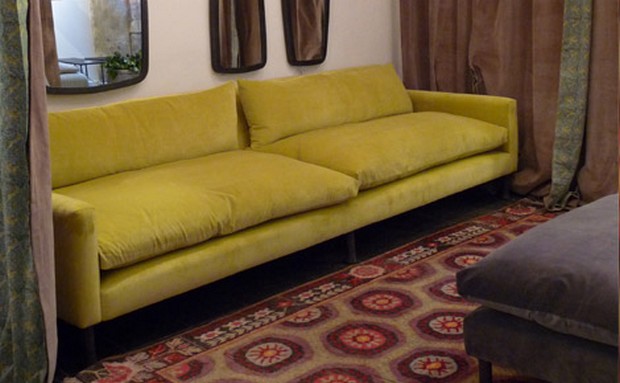
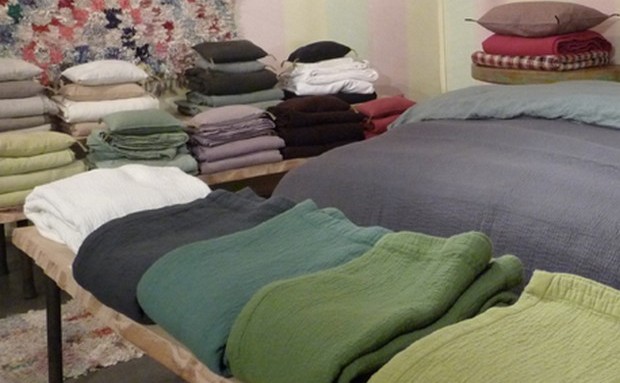
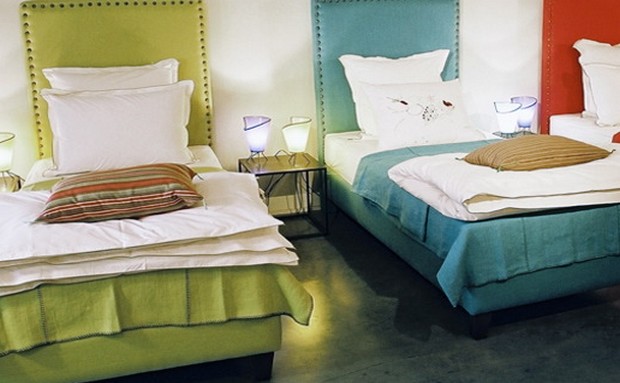
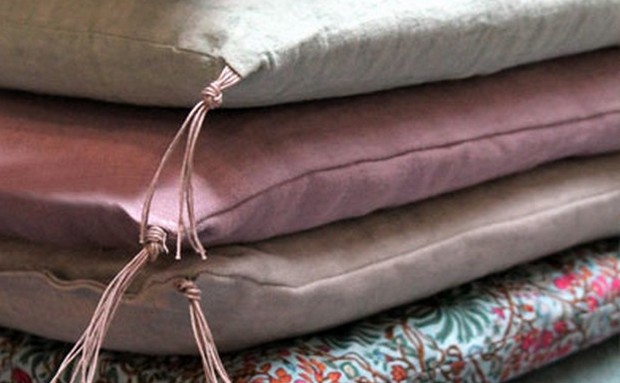
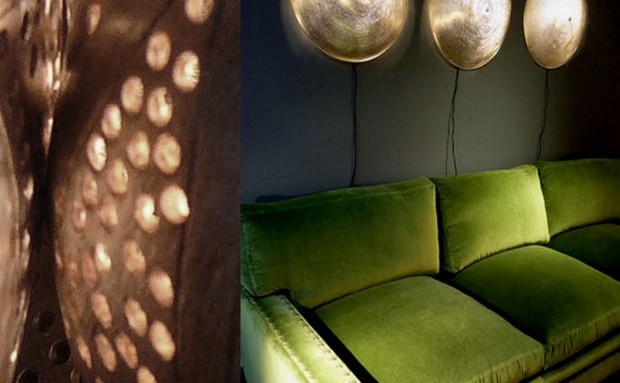
Dans sa boutique rive gauche, on retrouve les ambiances qui font le succès de Caravane, de la salle à manger au salon, en passant par la chambre : les draps de lin teint, les courtepointes, les coussins de coton egyptien et de velours, les luminaires, les canapés originaux et tous les objets des quatre coins du monde que seule Caravane sait dénicher pour nous.
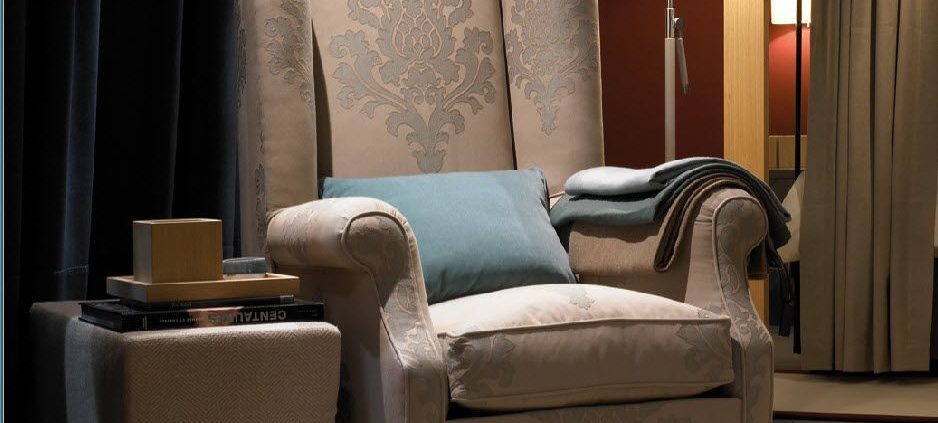
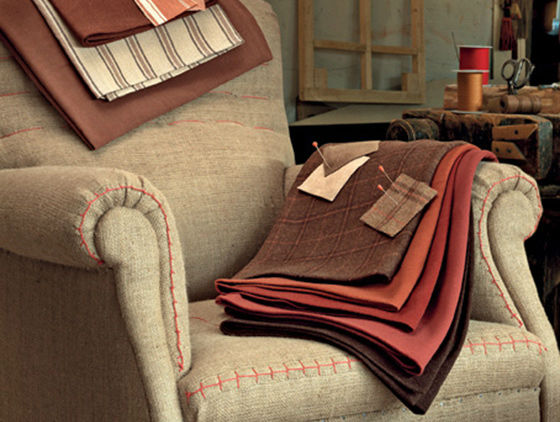
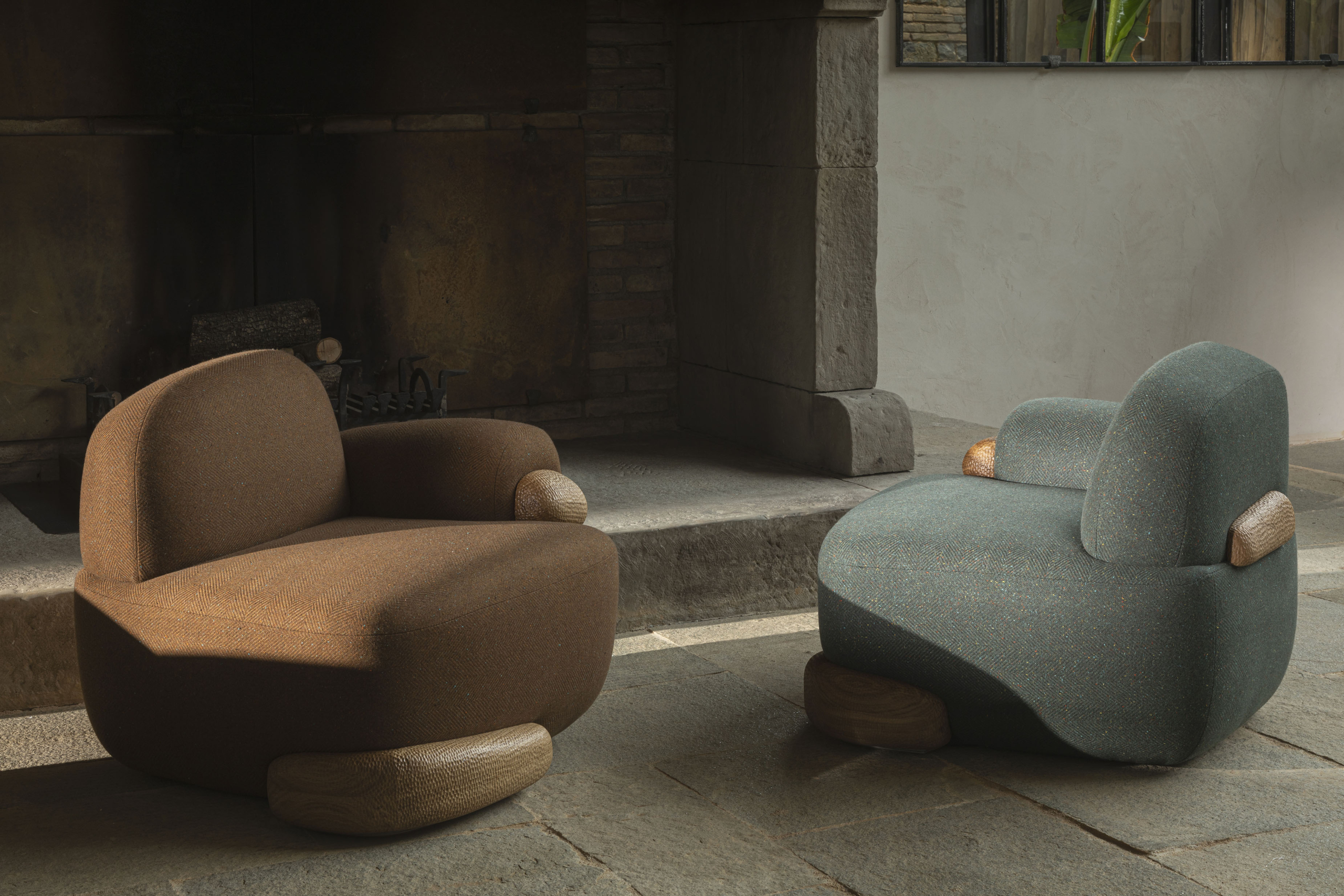
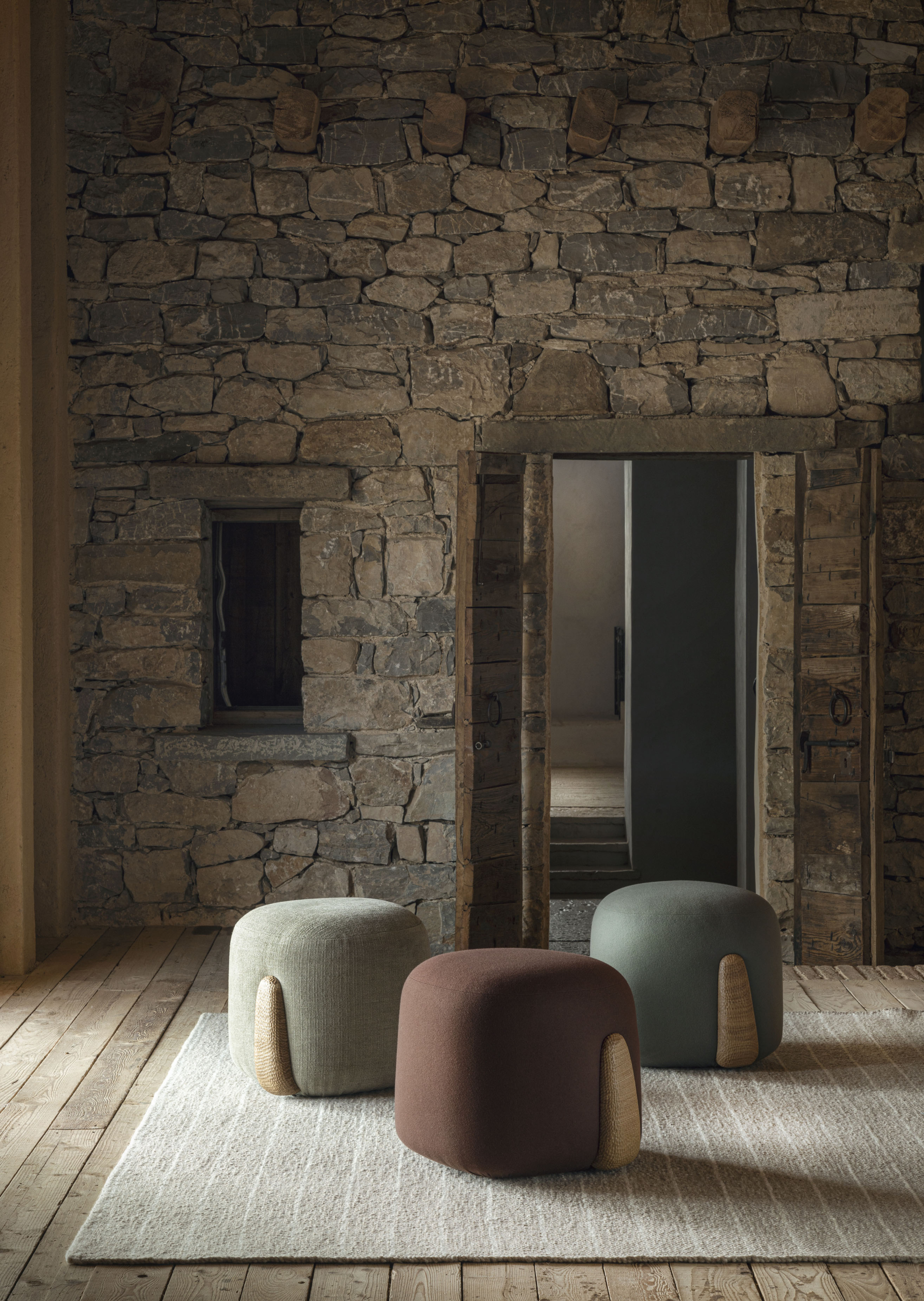
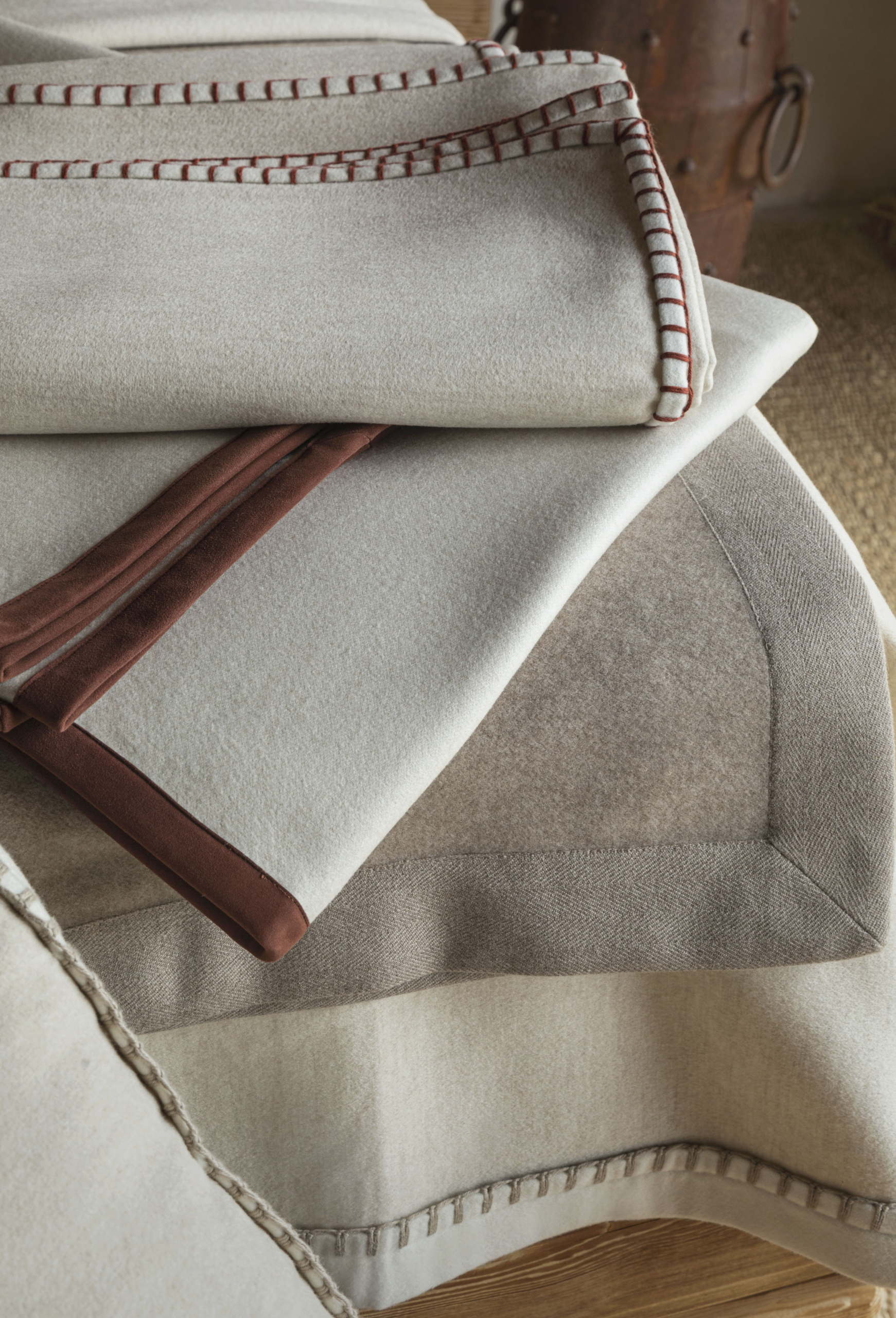
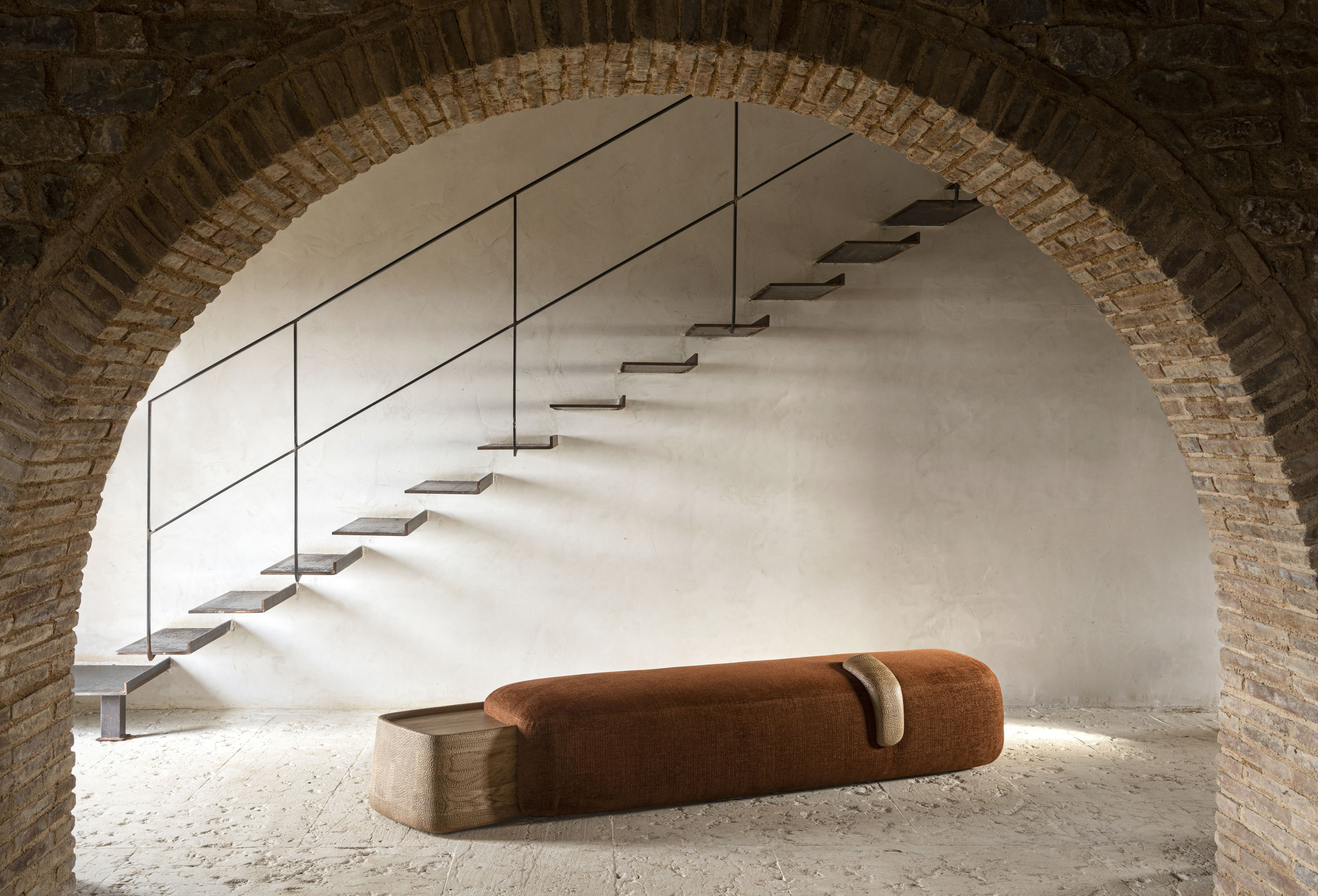
Loro Piana Interiors transforms the sublime raw materials of Loro Piana’s garments into upholstery fabrics. A real world tour of natural and noble fibers: Vicuña from Peru, cashmere from China and Mongolia, merino from Australia and New Zealand, lotus flower from Myanmar. Fabrics, carpets, tings, but also pretty accessories, plaids or cushions, for a chic and refined house.