
Corps in-visibles

An investigation into Balzac’s dressing gown

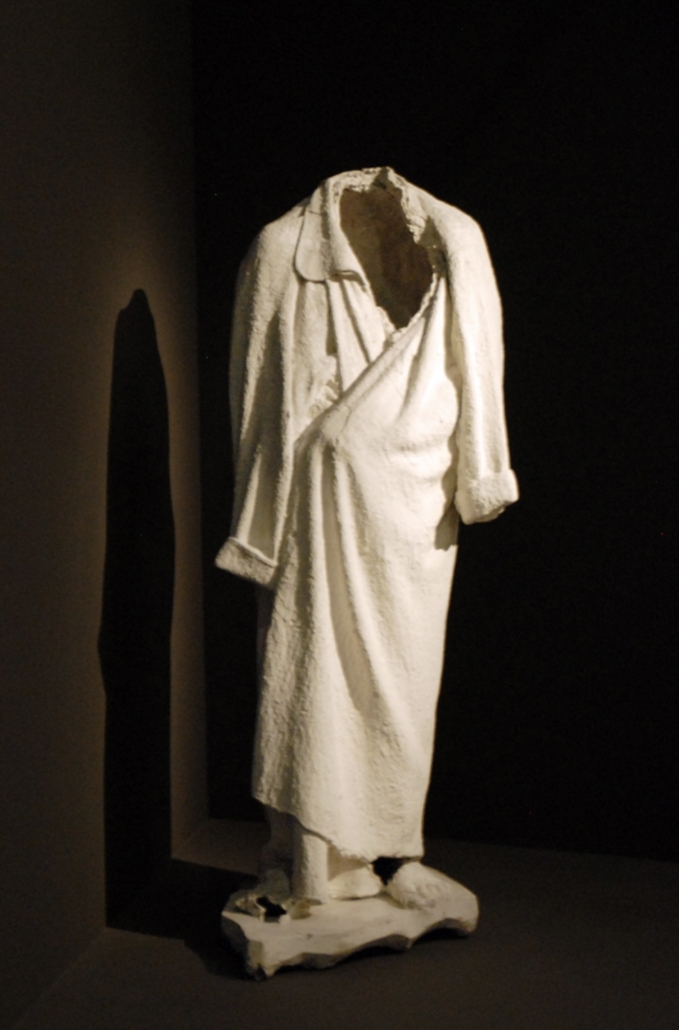
The Musée Rodin is showcasing a little-known piece from its collections, Auguste Rodin’s Study for a Dressing Gown for Balzac. Designed from a selection of sculptures from the museum’s collections, 19th-century fashion pieces from the Palais Galliera, and previously unpublished archives from the library of the Institut de France, the exhibition unfolds, starting with the singular Dressing Gown, an investigation into Rodin’s search for Balzac’s body. This investigation is a veritable prelude to a reflection on the bodies—real, idealized, statued, and hidden—in the monumental statuary of the 19th century that still populate our contemporary world.

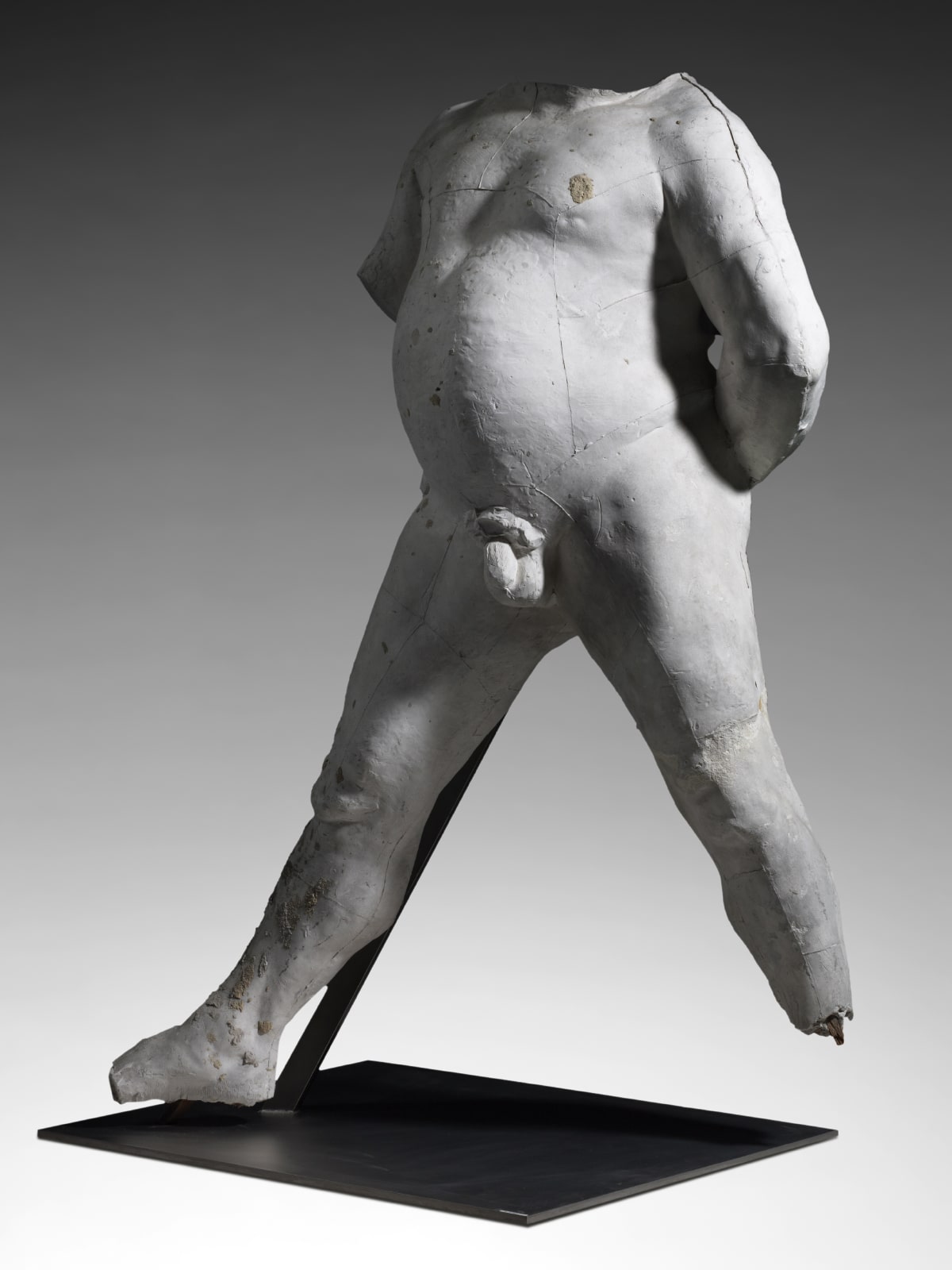
Balzac’s body, as Rodin apprehends it through clothing, when he has a costume of the deceased novelist remade by Balzac’s tailor, reveals the man’s physique, considered unflattering by the monument’s patrons: Balzac, in a word, was fat. By bringing together couture and sculpture, and comparing the practice of tailors to that of statuary, the exhibition observes how the perception of bodies influences the creation of their highly idealized bronze image. It reveals how the myth of Balzac writing in a dressing gown ultimately allows Rodin to hide under ample folds a body rejected because of its corpulence. The exhibition invites us to reflect on the representation of bodies in public space, and on the necessary contemporary broadening of these representations.
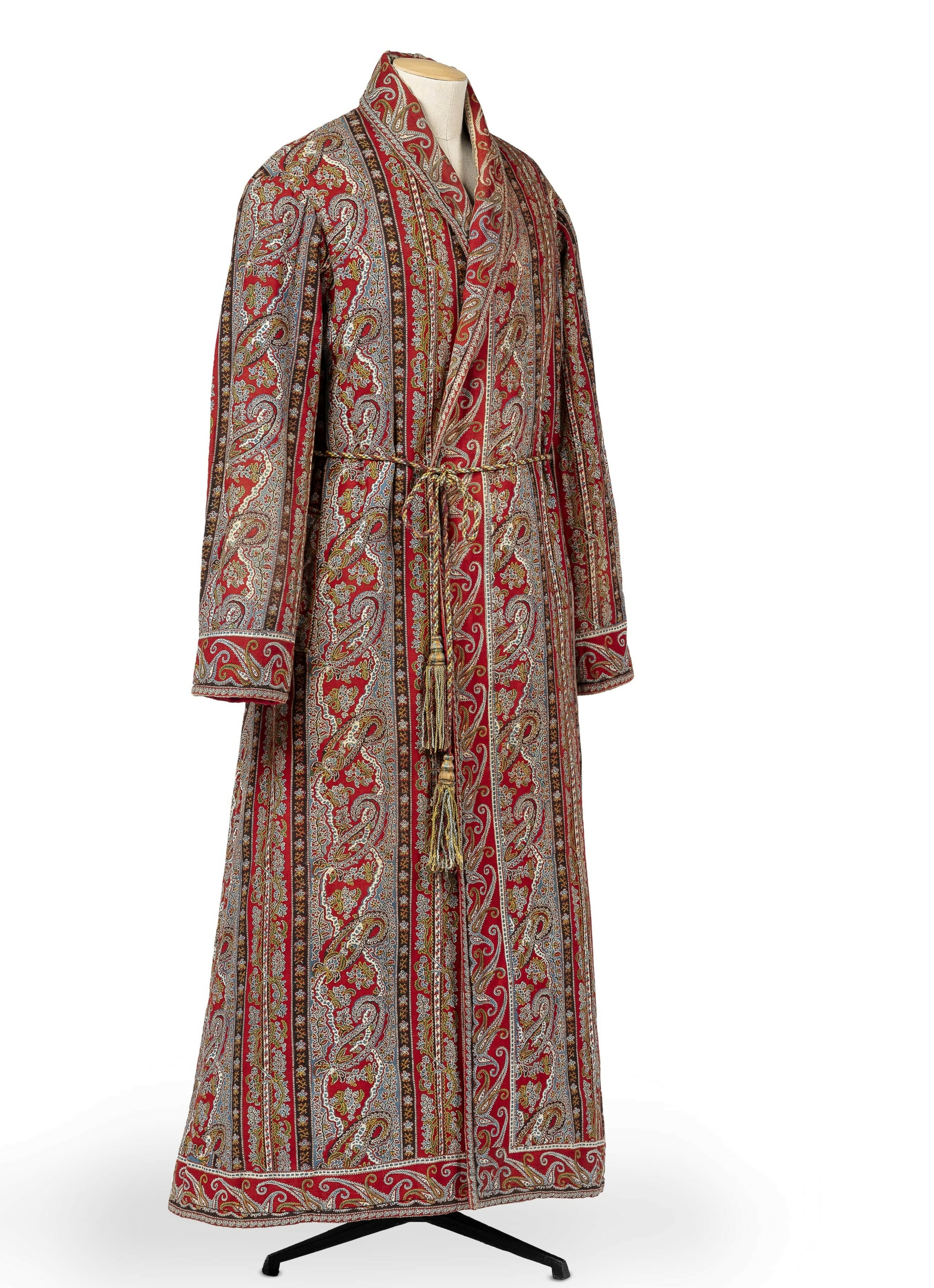
Chosen by the Société des Gens de Lettres in 1891 to sculpt a monument to Balzac, Auguste Rodin embarked on a quest for the novelist who had been missing for nearly half a century: from studying Balzac’s image in Brussels at the home of a collector of Balzacian relics, to searching for his body in the writer’s native Touraine, where Rodin found a corpulent carter as a model, the stages of this investigation are recreated throughout the exhibition. A largely unknown fact, Rodin even found Balzac’s tailor and had him remake a costume of the writer to better understand his physiognomy. Visitors will be able to discover Balzac’s frock coat, recut for the occasion based on real and unpublished measurements of his body. Rodin then took on the challenge of embodying Balzac in clay and plaster for four years. The reaction of his contemporaries, for whom a large bronze man could not be represented as small and pot-bellied, led him to turn to the myth of a Balzac writing in a dressing gown to hide this body under the folds of a large drape. The casting of a real dressing gown in plaster, around 1896-1897, then appeared as the solution to the quest for a plastic formula restoring Balzac’s idea, in the absence of representing his exact body. The extraordinary Study of a dressing gown for Balzac, to which the second part of the exhibition is devoted, reflects the sculptor’s journey towards an idealization of the body, and invites us to question the current issues related to fatphobia and the exclusion of many bodies diverging from the “norm”.
The exhibition ends with the confrontation of the statue of Balzac, completed in 1898 and immediately rejected by the Société des Gens de Lettres, with a work by the contemporary sculptor Thomas J. Price representing an anonymous black woman, in jogging pants. On one side, an idealized Balzac but difficult to understand for his patrons, late 19th century, and on the other the monumental celebration of an anonymous woman, symbol of a new diversity in public statuary of the 21st century. By taking as a starting point the process of creating the Monument to Balzac, the exhibition “Invisible Bodies” will invite a broader reflection on the evolution of representations of the body in public space.

October 15, 2024 – March 2, 2025

MUSEE RODIN

77 rue de Varenne 75007 Paris

,

Corps in-visibles

Une enquête autour de la Robe de chambre du Balzac

Le musée Rodin met à l’honneur une pièce méconnue de ses collections, l’Étude de robe de chambre pour Balzac d’Auguste Rodin. Conçue à partir d’une sélection de sculptures issues des collections du musée, de pièces de mode du 19e siècle du Palais Galliera et d’archives inédites de la bibliothèque de l’Institut de France, l’exposition déplie, à partir de la singulière Robe de chambre, une enquête sur la recherche d’un corps de Balzac par Rodin. Cette investigation est un véritable prélude à une réflexion sur les corps – réels, idéalisés, statufiés et occultés – dans la statuaire monumentale du 19e siècle qui peuplent toujours notre monde contemporain.

Le corps de Balzac, tel que Rodin l’appréhende par le vêtement, lorsqu’il fait refaire un costume du romancier disparu par le tailleur de Balzac, révèle de l’homme son physique considéré comme peu avantageux par les commanditaires du monument : Balzac, en un mot, était gros. Faisant dialoguer couture et sculpture, et rapprochant la pratique des tailleurs de celle des statuaires, l’exposition observe comment la perception des corps influence la fabrique de leur image de bronze, fortement idéalisée. Elle révèle combien le mythe de Balzac écrivant en robe de chambre permet finalement à Rodin de cacher sous d’amples plis un corps refusé en raison de sa corpulence. L’exposition invite à réfléchir à la représentation des corps dans l’espace public, et au nécessaire élargissement contemporain de ces représentations.

Choisi par la Société des Gens de Lettres en 1891 pour sculpter un monument à Balzac, Auguste Rodin se lance dans la quête du romancier disparu depuis près d’un demi-siècle : de l’étude de l’image de Balzac à Bruxelles chez un collectionneur de reliques balzaciennes, à la recherche de son corps dans la Touraine natale de l’écrivain où Rodin trouve pour modèle un charretier corpulent, les étapes de cette enquête sont restituées au fil de l’exposition. Fait largement inconnu, Rodin retrouve même le tailleur de Balzac et lui fait refaire un costume de l’écrivain pour mieux en comprendre la physionomie. Les visiteurs pourront ainsi découvrir la redingote de Balzac, retaillée pour l’occasion à partir des mesures réelles et inédites de son corps.

Rodin s’attèle ensuite au défi d’incarner Balzac dans la terre et le plâtre quatre années durant. La réaction de ses contemporains, pour lesquels un grand homme de bronze ne saurait être représenté petit et ventru, l’engage à se tourner vers le mythe d’un Balzac écrivant en robe de chambre pour cacher ce corps sous les plis d’un grand drapé. Le moulage d’une véritable robe de chambre dans le plâtre, vers 1896-1897, apparaît dès lors comme la solution à la quête d’une formule plastique restituant l’idée de Balzac, à défaut d’en représenter le corps exact. L’extraordinaire Étude de robe de chambre pour Balzac, à laquelle se consacre la seconde partie de l’exposition, rend compte du cheminement du sculpteur vers une idéalisation du corps, et invite à s’interroger sur les enjeux actuels liés à la grossophobie et la mise à l’écart de nombreux corps divergeant de la « norme ».

L’exposition se finit sur la confrontation de la statue de Balzac, achevée en 1898 et aussitôt refusée par la Société des Gens de Lettres, à une œuvre du sculpteur contemporain Thomas J. Price représentant une femme noire anonyme, en jogging. D’un côté, un Balzac idéalisé mais difficilement compréhensible pour ses commanditaires, fin 19e siècle, et de l’autre la célébration monumentale d’une anonyme, symbole d’une nouvelle diversité dans la statuaire publique du 21e siècle. En prenant comme point de départ le processus de création du Monument à Balzac, l’exposition « Corps In.visibles » invitera plus largement à une réflexion sur l’évolution des représentations du corps dans l’espace public.

du 15 octobre 2024 au 2 mars 2025

MUSEE RODIN

77 rue de Varenne 75007 Paris