A day in the 18th century
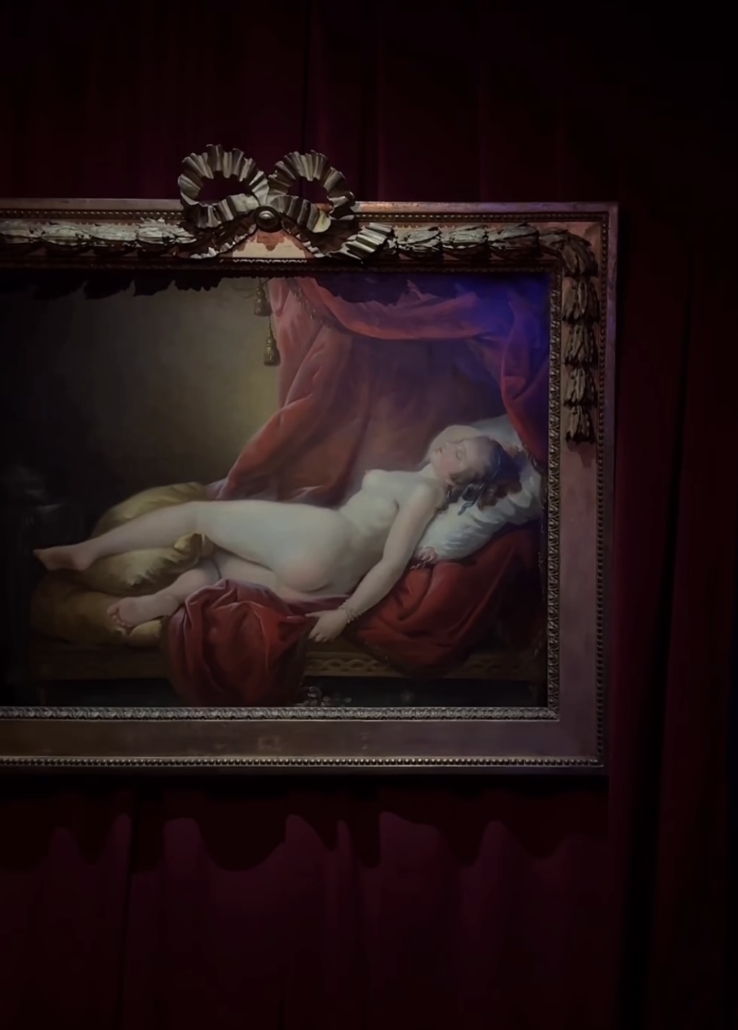
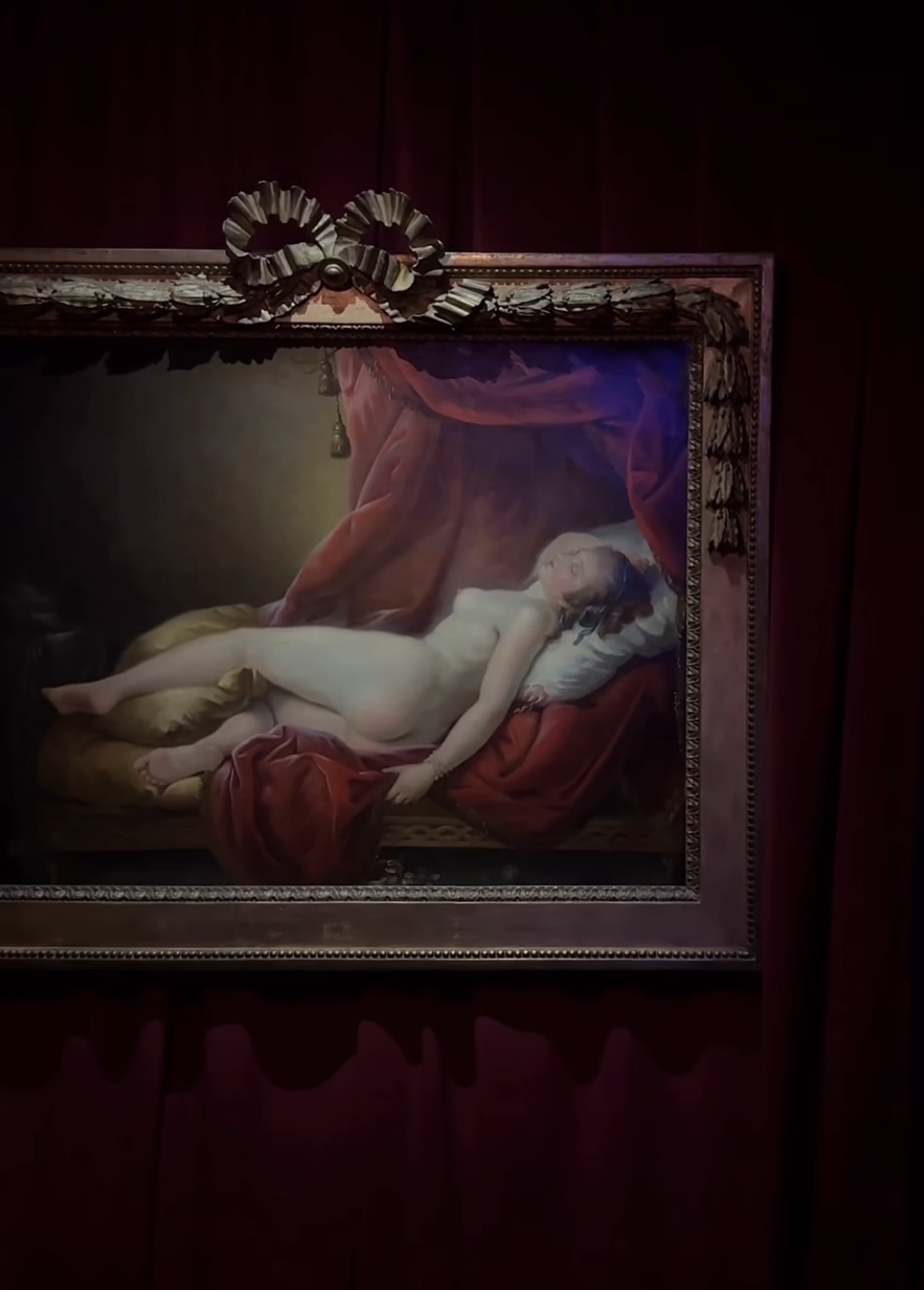
How did the French art of living manifest itself in its most accomplished form in the 18th century? Certainly, it was primarily the privilege of an elite, whether by birth, wealth, or talent, and could not reflect the living conditions of the entire population. Nevertheless, it perfectly expressed the fashions, tastes, values, and customs toward which all eyes were then turning in Europe, and beyond, from the young Americas. For Paris established itself in the 18th century as the capital of luxury, constantly seeking innovation, an environment conducive to the flourishing of the arts, in pursuit of pleasure and convenience—in other words, beauty in utility, which is the motto of the Musée des Arts Décoratifs.
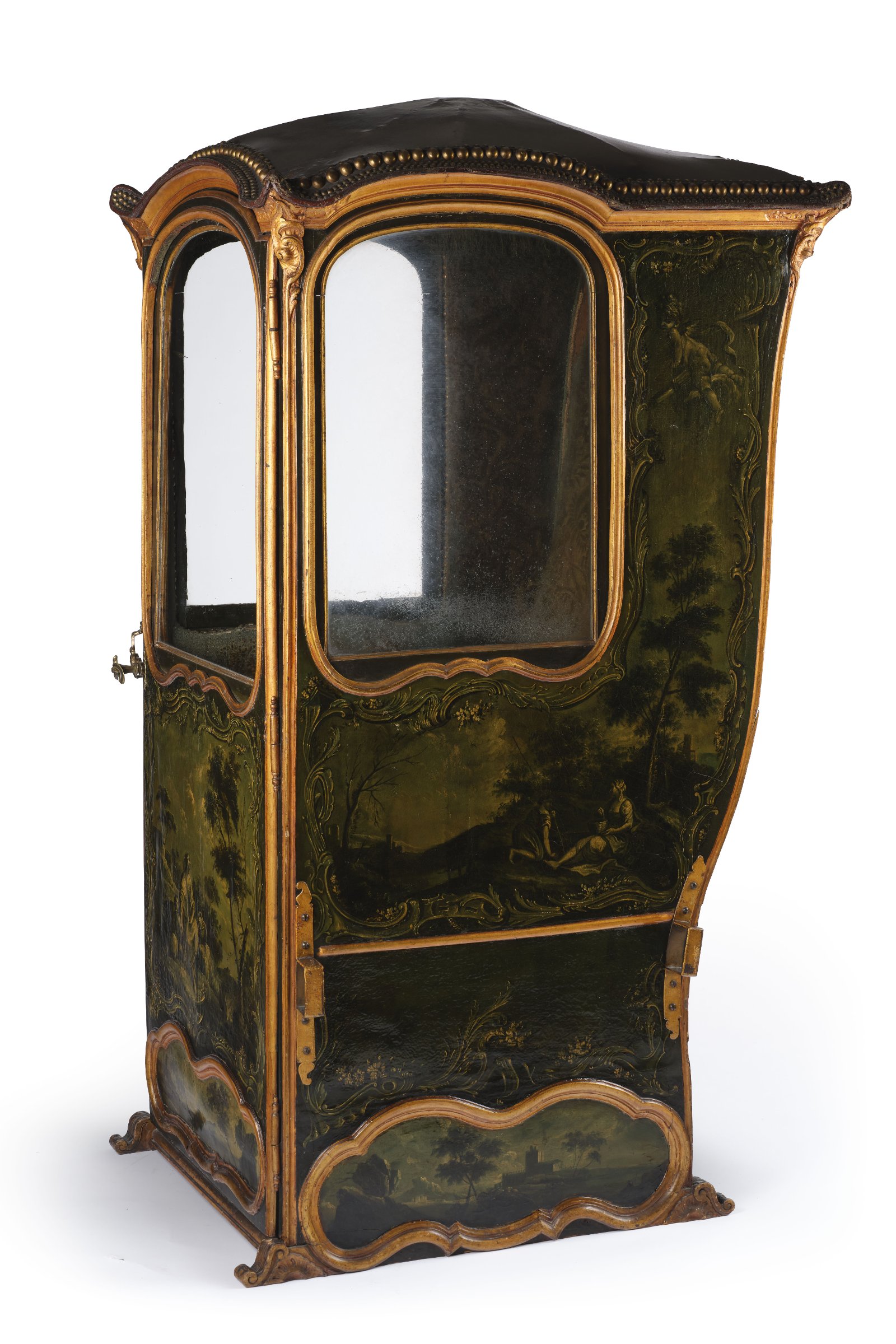
The tour begins with the architectural evolution of the private mansion in the 18th century. Both an architectural showcase and an embodiment of the art of living, the urban residence of an important figure and their home, heir to a long tradition yet subject to every passing fad, the private mansion presents multiple and contrasting faces, constantly oscillating between the norm and the exceptional. But before entering the mansion, one must first make one’s way to it through the Parisian street, the cobblestones crowded with vehicles, the walls plastered with posters, the air buzzing with the cries of street vendors. The visitor is then led beneath the majestic portico, which displays the owners’ power to passersby while simultaneously keeping the urban bustle at bay. After passing through the courtyard where a beautiful sedan chair and a removable carriage table await being set in motion, the visitor discovers the attractive beds of porcelain flowers, trellises and potted plants of the garden, in the middle of which stands the silhouette of a beautiful gardener, wearing a large straw hat.
From morning ablutions to evening games in elegant company, from the magnificence of a French dinner to the gentle melodies of a concert in the drawing room or the lively pleasures of conversation during a stroll in the garden, the exhibition scrutinizes, like an investigation, the daily activities of the inhabitants of a private mansion, from sunrise to sunset. Each room is reimagined and associated with a specific moment in their daily routine. Particular attention is paid to the improvements of the period: lighting, heating, access to running water indoors, but also their impact on décor, furnishings, service, and the rules of etiquette. Through an anthropological, cultural, and sensitive approach, the exhibition unveils the customs of the 18th century.
The exhibition then focuses on a typical day in the life of a French aristocratic family during the Age of Enlightenment: Boilly’s portrait of the Gohin family, who had made their fortune through long-distance trade, introduces us to the heart of the household. Visitors are invited to meet Monsieur and Madame, a court sword at his side and jewels at hers, as well as their children through their clothing, the care given to their education, and their daily games. The exhibition also presents their numerous and specialized servants, whom we see going about their tasks (scouring the silverware, preparing meals, drawing water from the copper fountain, washing and ironing clothes, etc.); finally, their beloved pets—dogs, cats, and birds—evidence of a newfound attachment.
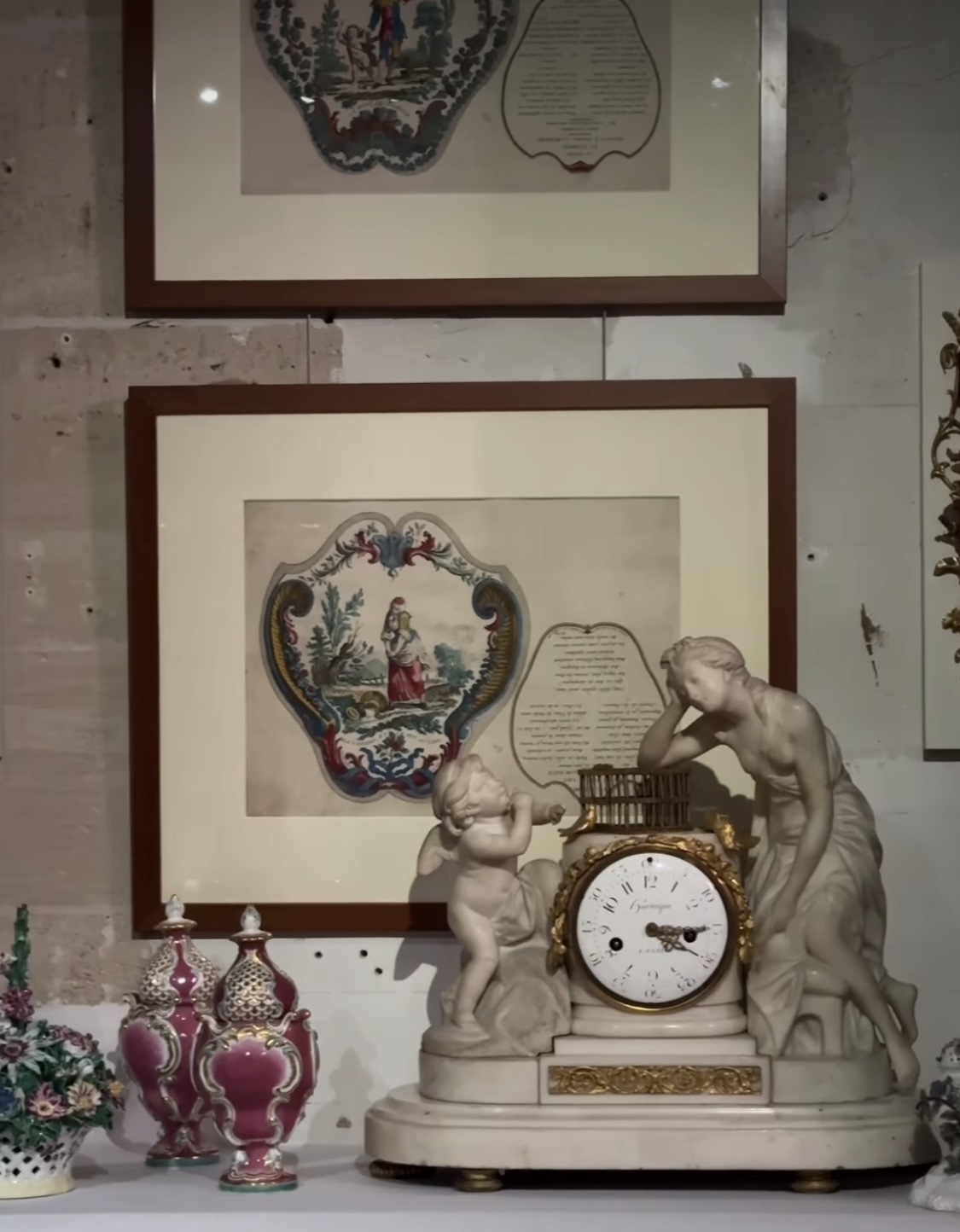
The exhibition immerses us in a day divided into three parts: morning, after dinner, and evening, each brought to life through a gradual treatment of light. Scientific and technological advances in timekeeping are illustrated by a significant selection of clocks, wall clocks, and watches, as well as weekly planners and pocket almanacs with luxurious bindings. A new relationship with time, perceived with increasing precision, is emerging. The trend is toward longer days and later bedtimes.
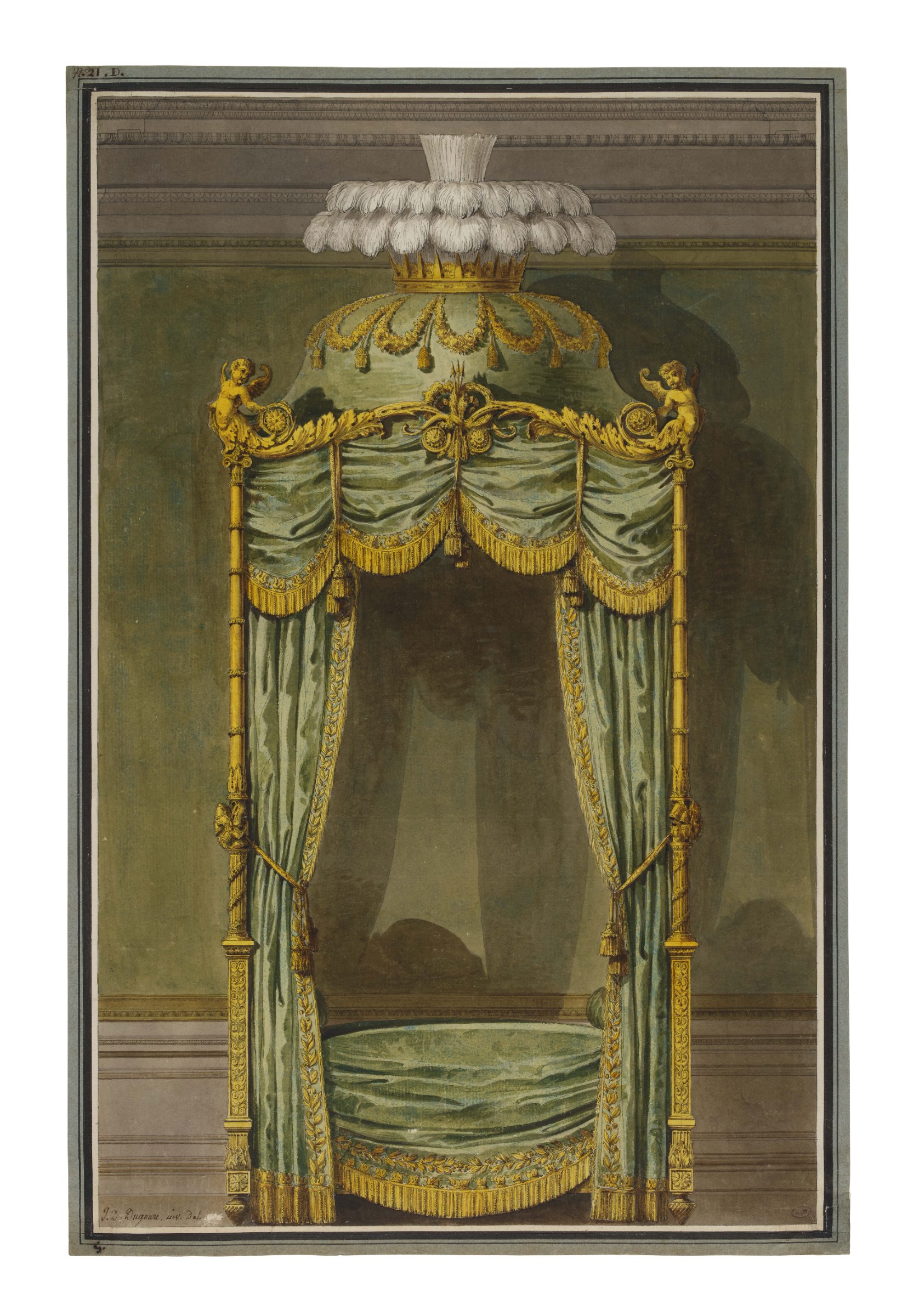
The day begins at sunrise in the bedroom, where a duchess-style bed stands perpendicular to the wall. Its canopy and fabric slats provide privacy and warmth for the sleeper. Around seven in the morning, the masters, each with their own apartments, are awakened by their servants, who have been busy since four. Before even eating breakfast, the first meal of the day, and dressing, they perform their prayers. Then they eat a meat and vegetable broth served in a porcelain bowl with handles, placed on a tray.
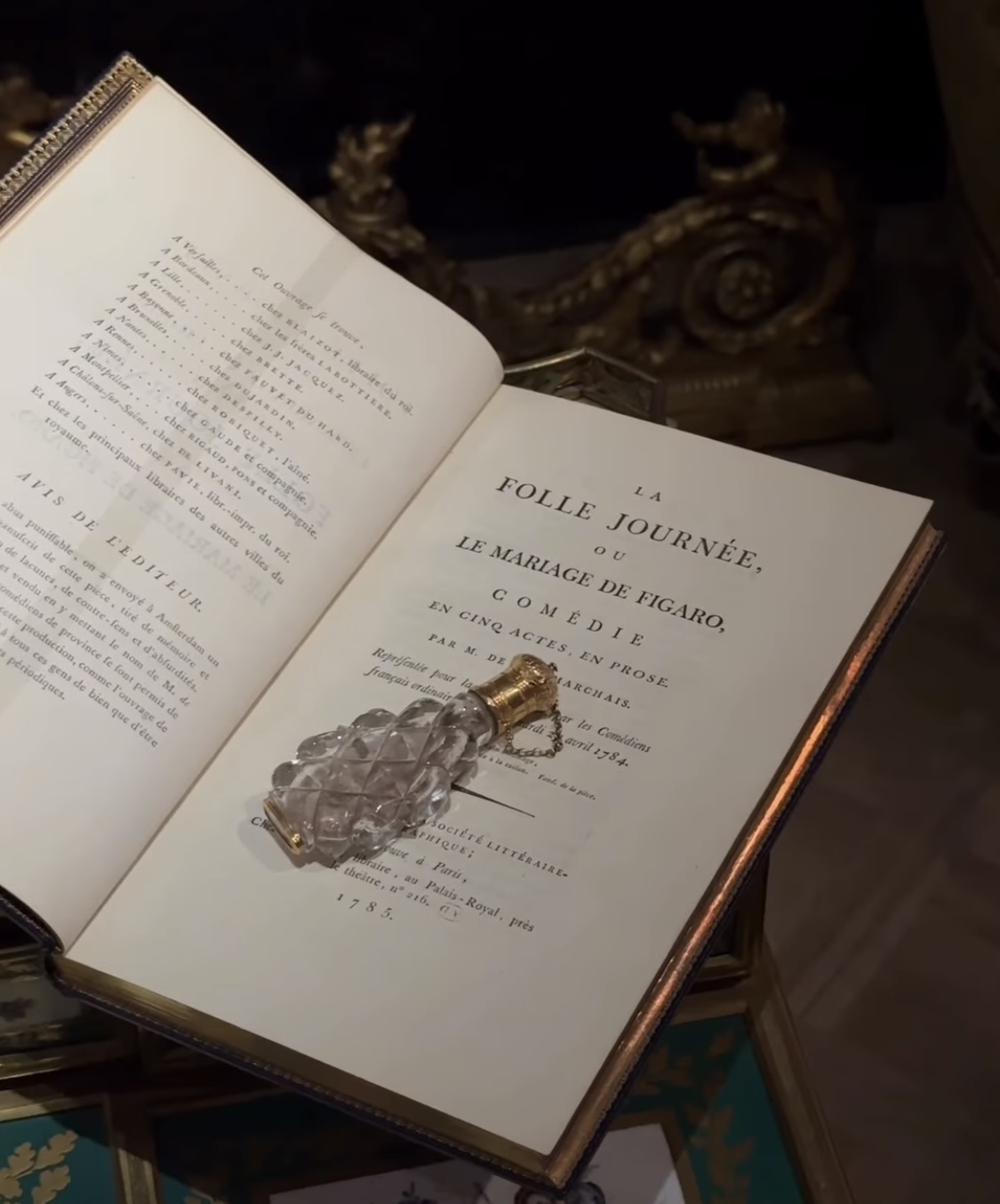
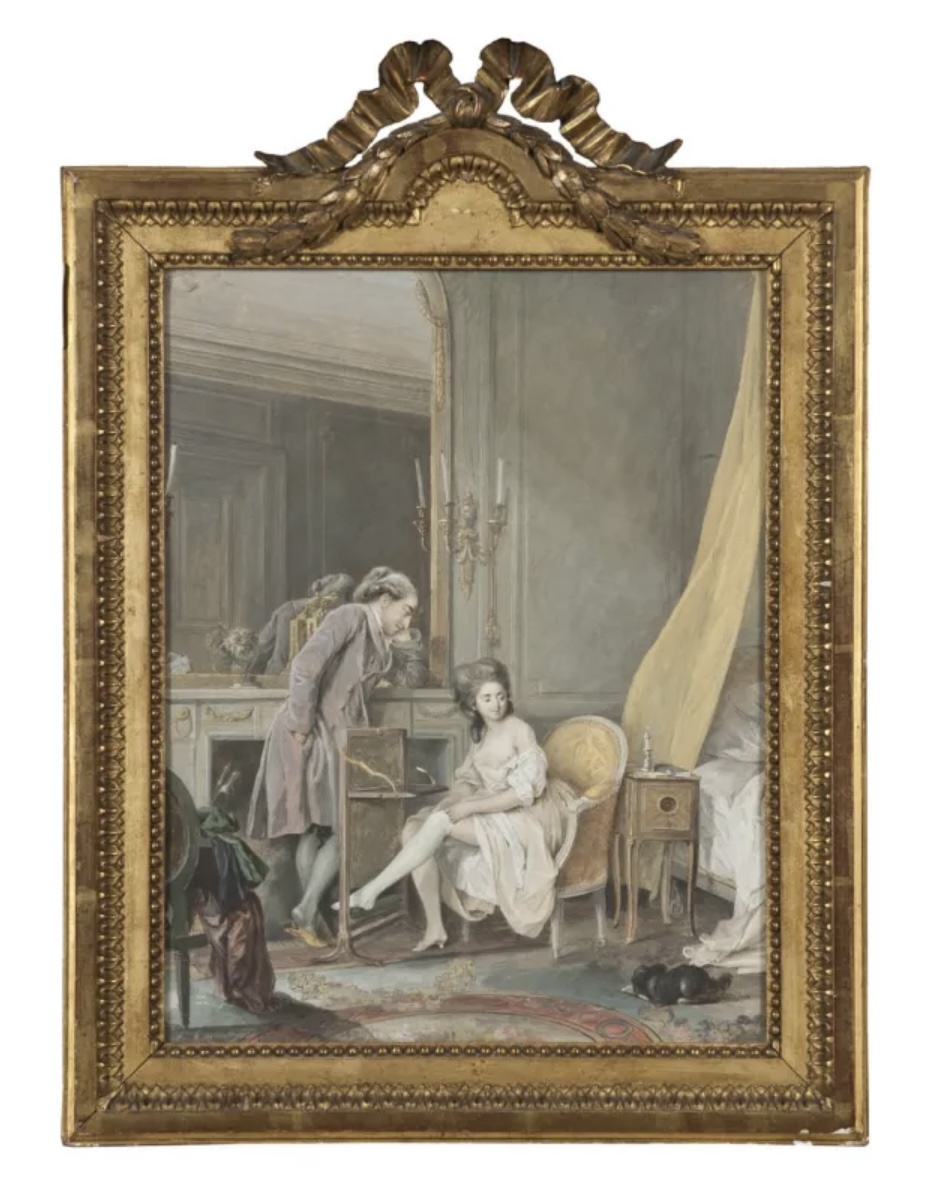
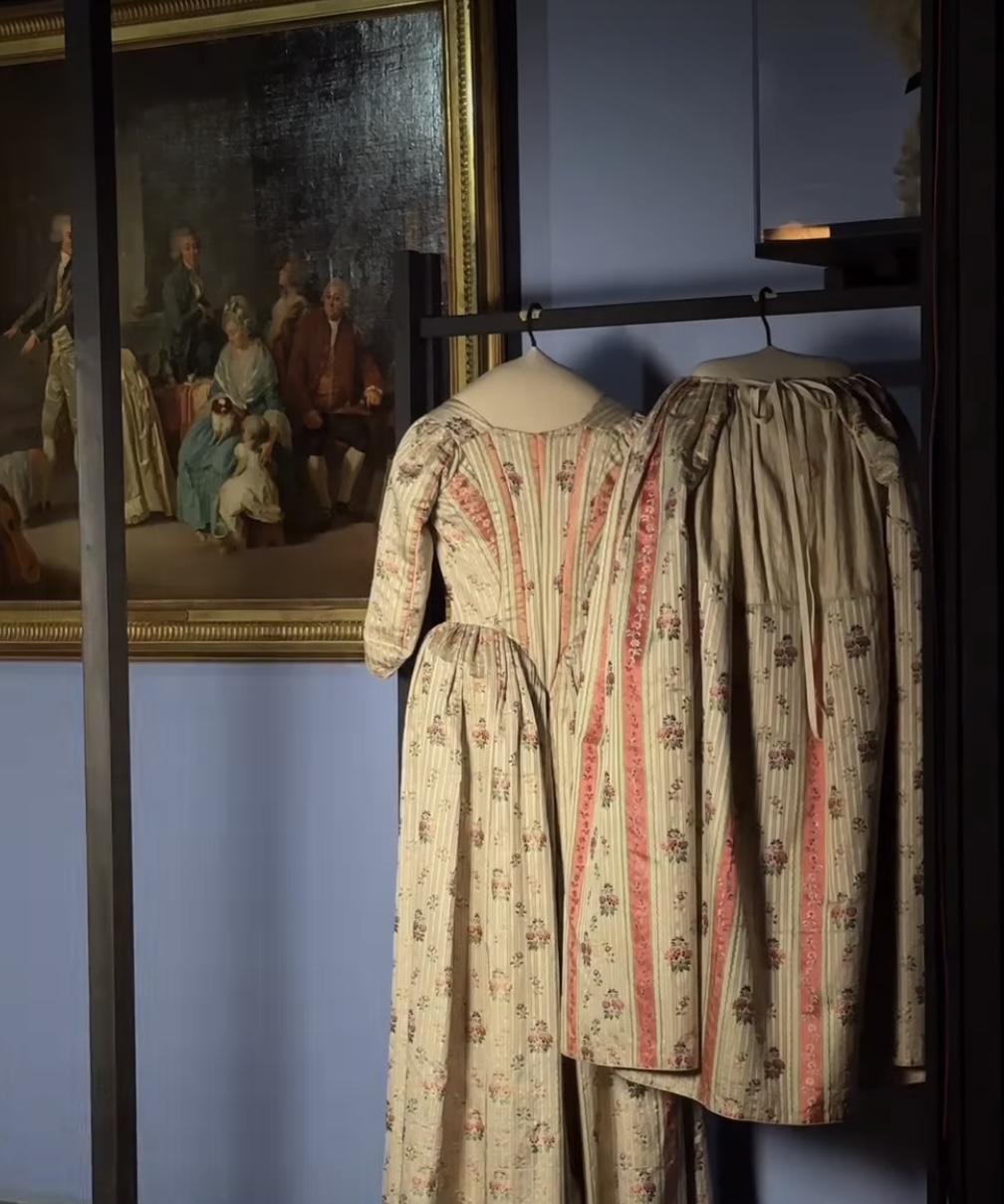
In the 18th century, the morning remained a convivial occasion, a time when one could receive friends, suppliers, secretaries, or spiritual advisors, if desired, to discuss personal, professional, or domestic matters. Dressing and hairstyling, often done in the presence of a small circle, provided an opportunity to display a wide selection of personal grooming items. The private bath was the preserve of the wealthiest, largely due to the need to prepare the bathtub using a copper water heater, as running water was unavailable. Ordinarily, washing remained a dry affair, limited to the use of a ewer and basin, soap and sponge boxes, a washcloth, and a bidet. A chamber pot, a chamber pot, and a commode completed these essential items of personal hygiene. Men, women, and children wore wigs made of powdered natural hair. Reflecting one’s social standing, adornment and clothing had to be carefully chosen to present a good image to the world, and the exhibition illustrates this requirement. Perfumes, cosmetics, and beauty patches, all kept in richly decorated bottles and boxes, played a fundamental role in this preparation.
The exhibition’s narrative continues with the time of dinner (meals taken between 2 and 4 p.m.). The dining room, as a specialized room, appeared in aristocratic homes. Visitors can discover permanent furnishings such as a wall fountain for washing hands, chairs often with caned seats, side tables, coolers where glasses and bottles, never placed on the table, were kept chilled, and a large table—simple trestles until the end of the century when the fixed table made a tentative appearance—set around a sumptuous spun-glass centerpiece, intended to amuse guests and stimulate conversation. While plates, cutlery, and dishes await the guests, glasses are brought upon request. The service known as “French-style,” practiced throughout the century, consists of placing all the garnished dishes on the table.

Throughout the 18th century, supper was eaten later and later, between 8:30 and 11:00 p.m. It is a meal that generally takes place in private, with a small group of guests, a limited number of servants whose role is simply to serve the food, without remaining permanently in the dining room. This new practice leads to the creation of a new kind of furniture: lightweight, mobile, and easily moved. One simply has to reach out to serve oneself.
To keep up with the game, chair makers invent the “voyeuses” and “ponneuses,” on which one sits kneeling or astride, elbows resting on the high back. Music and dance can also enliven the evening, particularly with the emergence of chamber music (a new genre), which aims for greater simplicity of execution and performance. This is the era of smaller musical genres such as the French cantata, the sonata, suites, and arrangements of popular operatic arias for two or three instrumentalists. Harp, harpsichord, guitar, flute and violin are particularly popular with individuals who play as amateurs in front of a small circle of captivated friends.
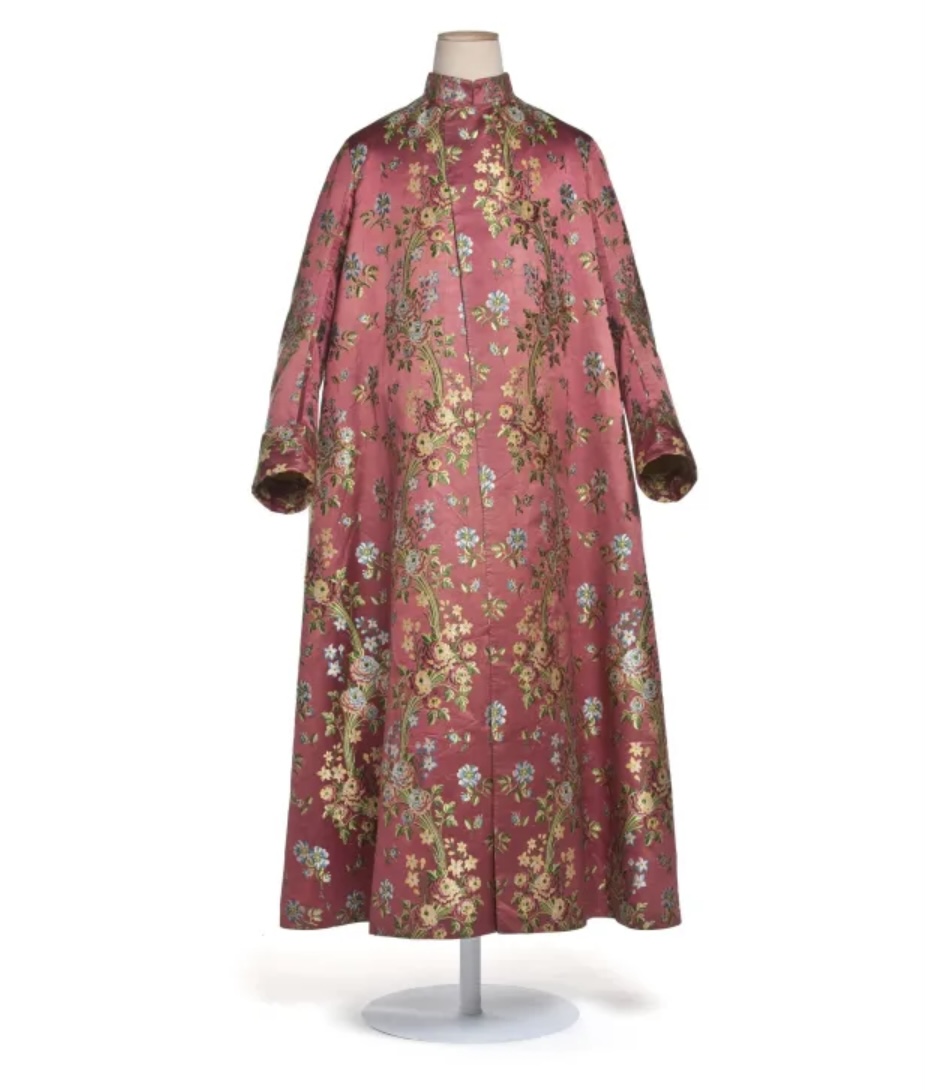
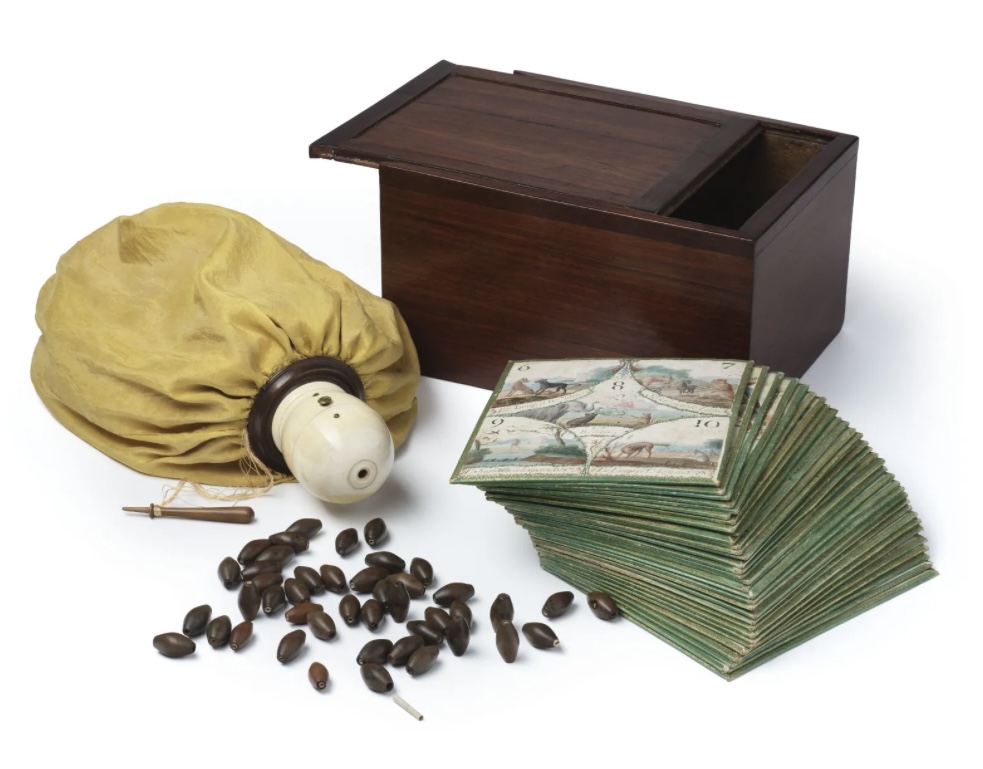
One of the leisure activities also highlighted in the exhibition is the consumption of tobacco, with all the social customs this practice encompasses. Taking snuff was indeed very fashionable in the 18th century, and offering it to others was a sign of honor and distinction. Tobacco was kept in snuffboxes made from rare and precious materials, which became essential accessories that could be matched to one’s attire, depending on the season and time of day. Many of the pieces on display also illustrate the practice of gambling among the aristocracy, which most often took place in the evening. Here again, a whole range of specific furniture was gradually designed, such as tables for backgammon, ombre, quadrille, brelan, and bouillotte, respectively rectangular, square, triangular, and circular.