Le choc Nabis
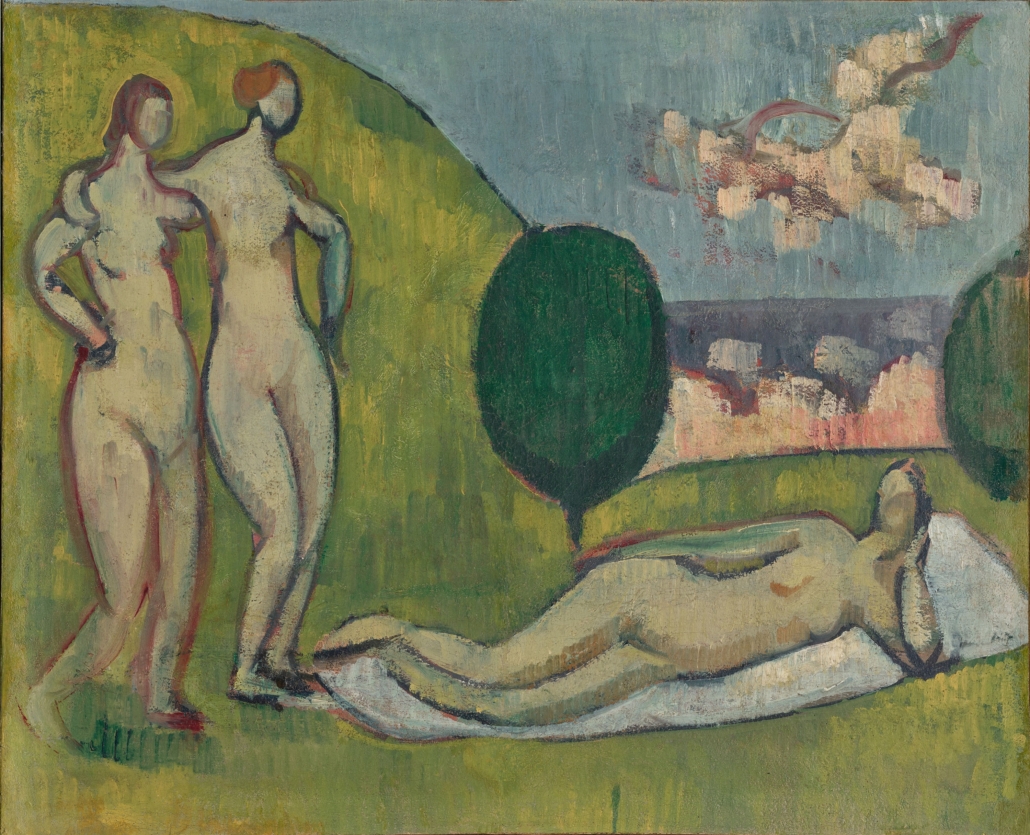
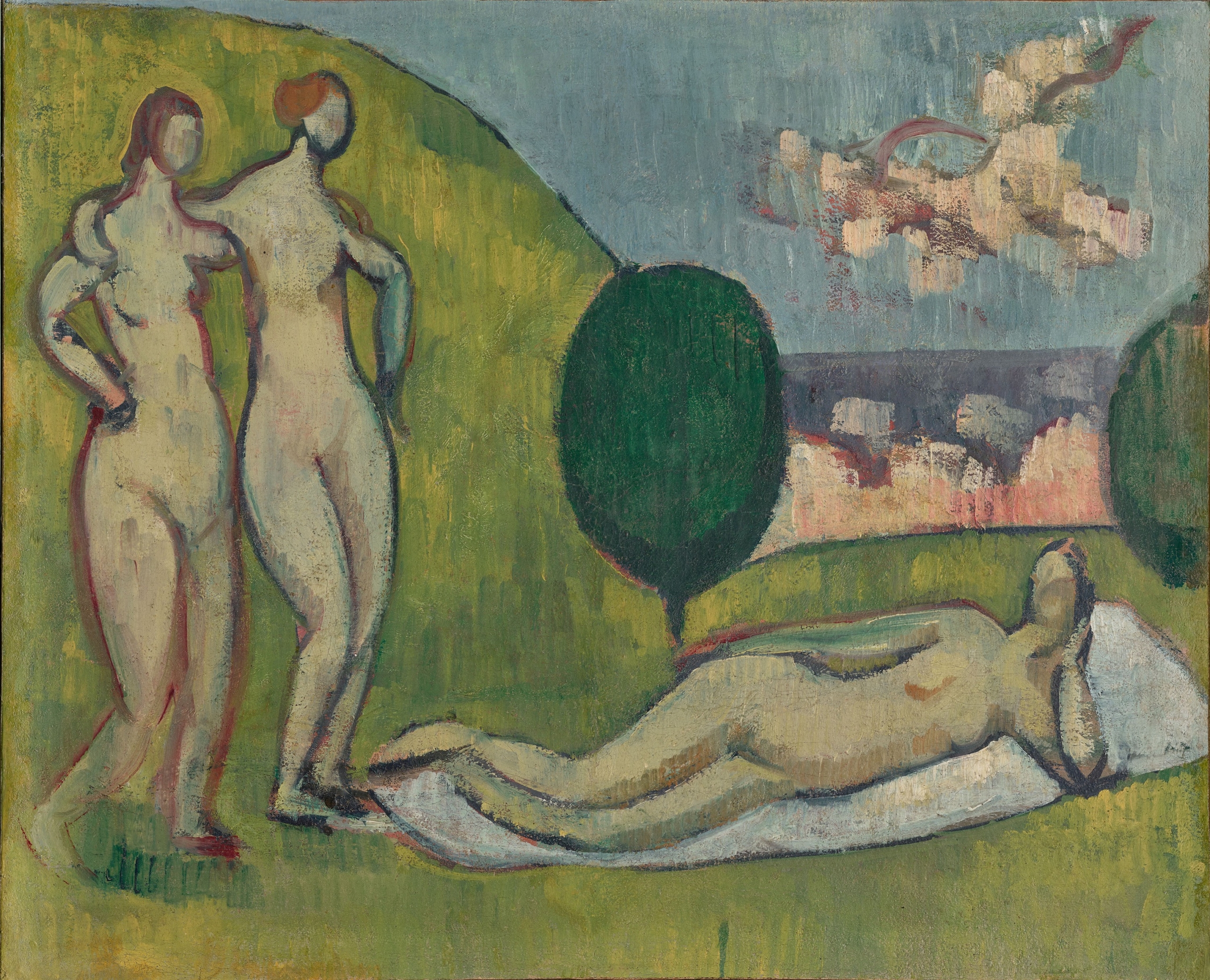
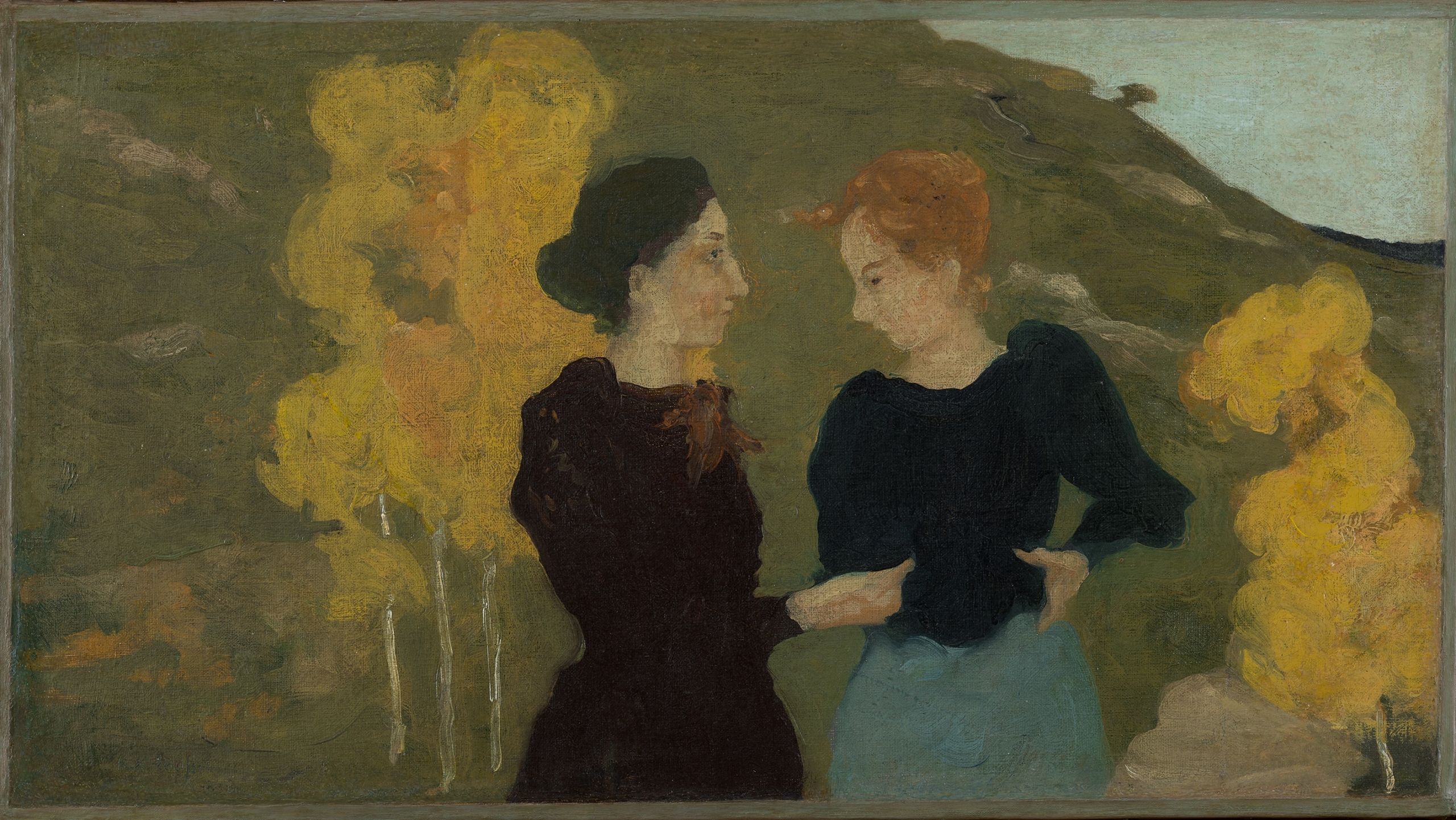
For its inaugural exhibition, the Waddington Custot Gallery highlights the pioneering European modernist movement, in which it has recognized expertise: the Nabis. The exhibition brings together some thirty works by the movement’s leading figures, including Pierre Bonnard, Maurice Denis, Édouard Vuillard, Charles Filiger, Ker-Xavier Roussel, Paul Sérusier, Émile Bernard, Paul Ranson, and József Rippl-Rónai.
Disciples of Gauguin, who claimed “the right to dare everything,” the Nabis painters drew inspiration from his desire to liberate color and his vision of painting as an inner quest. The work created by Paul Sérusier under Gauguin’s direct influence in the summer of 1888 would become The Talisman, a seminal work and aesthetic reference point for the group.
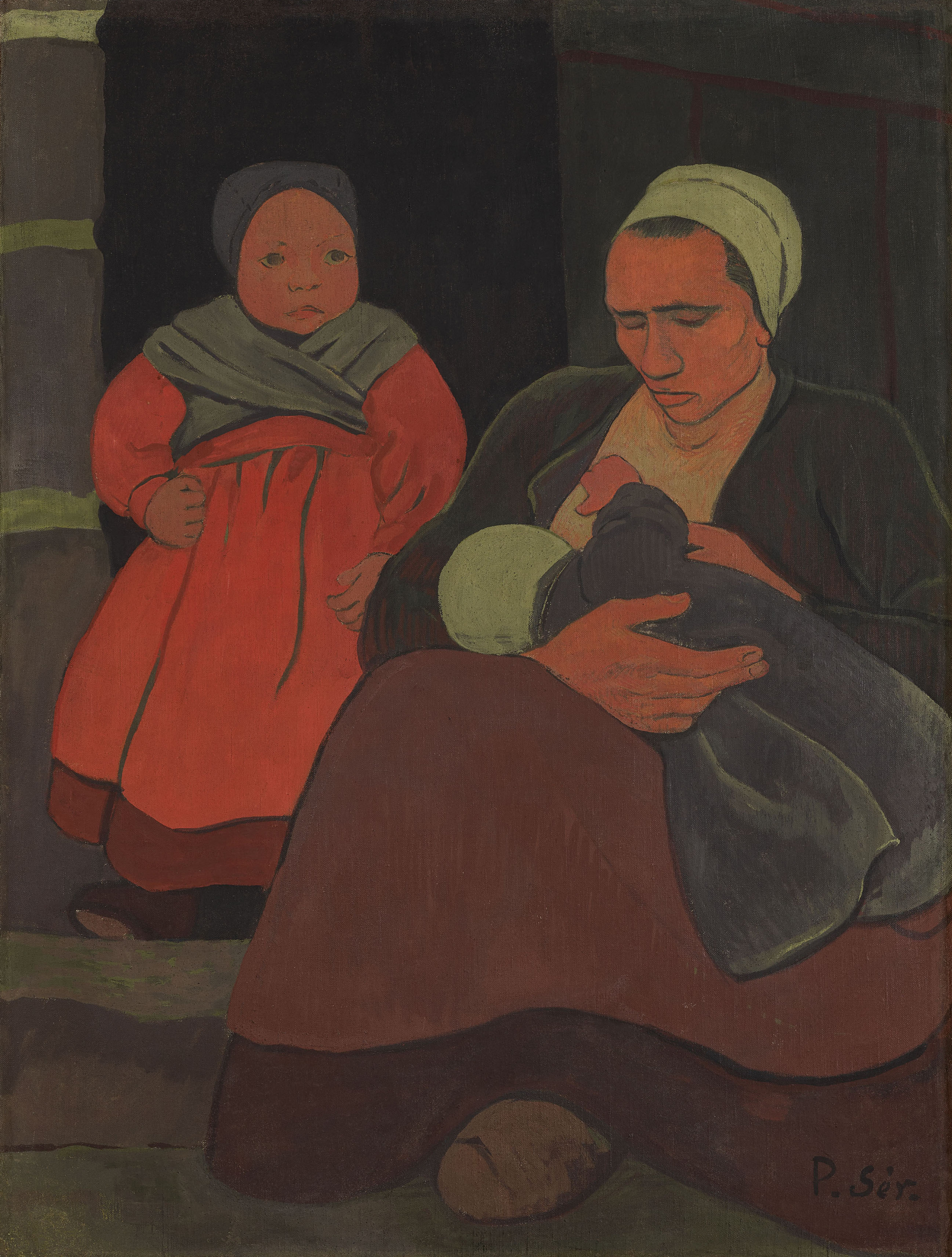
The term “Nabi,” borrowed from Hebrew and meaning “prophet,” reflects both the spiritual quest and the innovative ambition of this collective, which saw itself as the harbinger of an artistic renewal. The Nabis favored clean lines and flat planes of color, as seen in Paul Sérusier’s Bretonne Entendant (Breton Woman Breastfeeding). The Neo-Impressionist influence is also evident in Pierre Bonnard’s Étude pour ‘Le Corsage à carreaux’ (Study for ‘The Checkered Bodice’), while Japonism influenced artists like Paul Ranson, as seen in his work Le Grand Tigre (The Great Tiger).
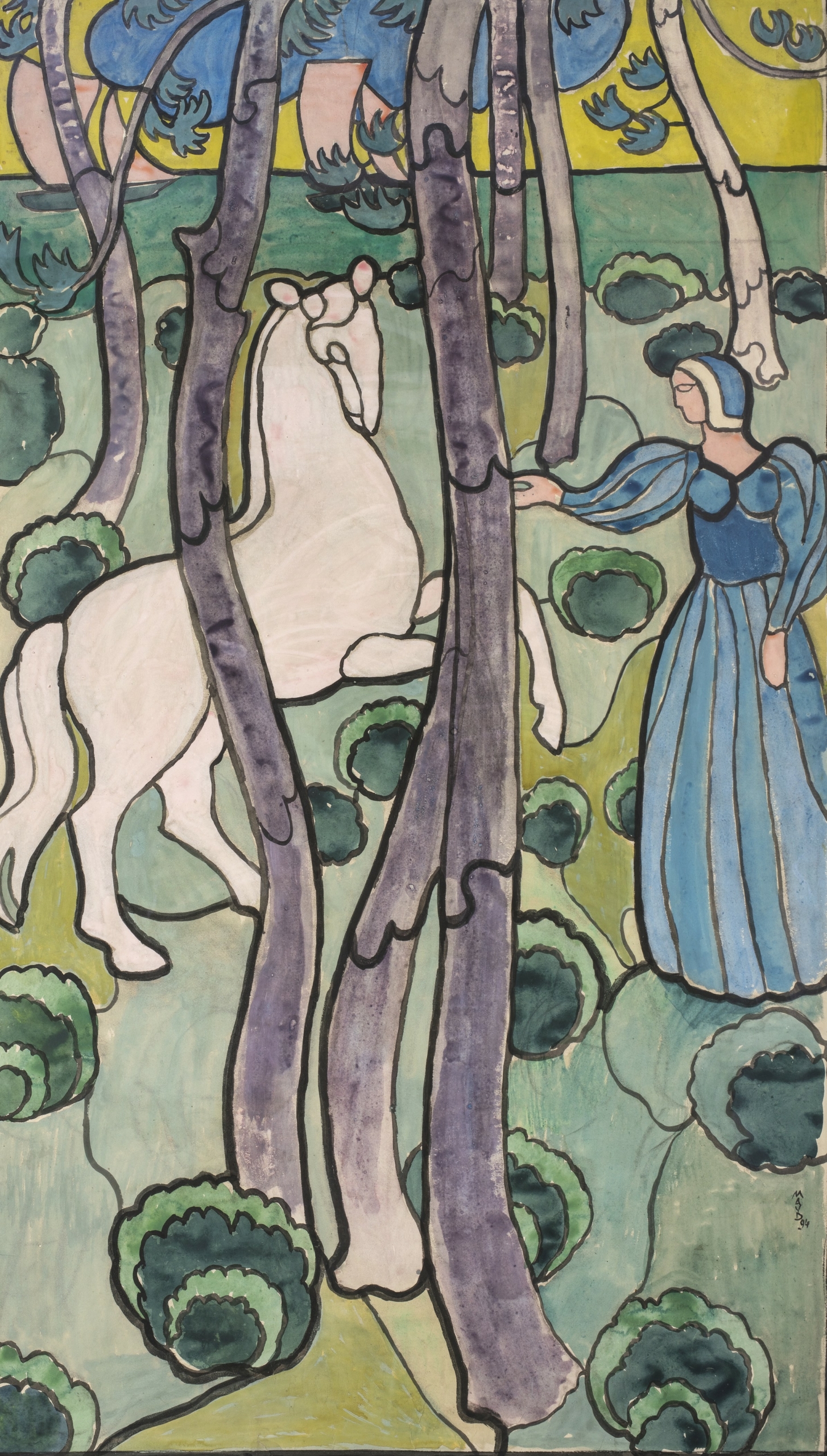
Closely aligned with Symbolism, the Nabis were also interested in contemporary life, seeking to elevate the everyday. Interior scenes, contemplative figures, and stylized landscapes were thus elevated to the status of fully-fledged artistic subjects. Although exclusively male, the group constantly drew inspiration from female models, making “their mother, their partner or wife, their sister, privileged models” (Gilles Genty), as seen in Maurice Denis’s Portrait of Martha in a Red Apron (sketch) or Ker-Xavier Roussel’s Women in the Garden. Drawing inspiration from prints, stained glass, and folk art, the Nabis rejected the traditional hierarchy of genres and advocated for continuity between so-called “major” and “minor” arts. Painting, decoration, printmaking, and applied arts were approached with the same exacting standards, resulting in diverse projects such as Maurice Denis’s The White Horse (stained glass design). This openness led the group to invest in a multitude of media and to play a decisive role in the development of decorative arts and practices of the multiple at the dawn of modernity.
Embodying the “Nabi shock,” an unprecedented dialogue with contemporary works by Etel Adnan, Ben Arpéa, Marcel·la Barceló, Ian Davenport, Pierre Knop, François Réau, Anne Rothenstein, Christine Safa, and Fabienne Verdier illuminates a shared conception of painting as an autonomous, sensitive, and interior space.
While the Nabis championed a subjective, decorative, and synthetic style of painting, in which color, rhythm, and interiority take precedence over any attempt at an illusionistic representation of reality, this approach resonates today in contemporary practices: Etel Adnan’s compositions, with their radical simplification and frontal chromatism, echo the spiritual quest and symbolic density of figures like Charles Filiger. Fabienne Verdier’s concentrated gesture, at once meditative and physical, engages in a dialogue with the concept of painting as an inner experience, as advocated by Maurice Denis. In Ian Davenport’s work, the repetition, fluidity, and musicality of color extend the creative and rhythmic ambition that runs through the work of Bonnard or Vuillard. Through the diversity of their languages and the convergence of their intentions, these artists reaffirm, like the Nabis, a painting where surface, matter, and color become the vehicles of a poetic and inner experience of the world, inscribing the Nabi aesthetic within a long and ever-evolving history.