
Charles Pollock
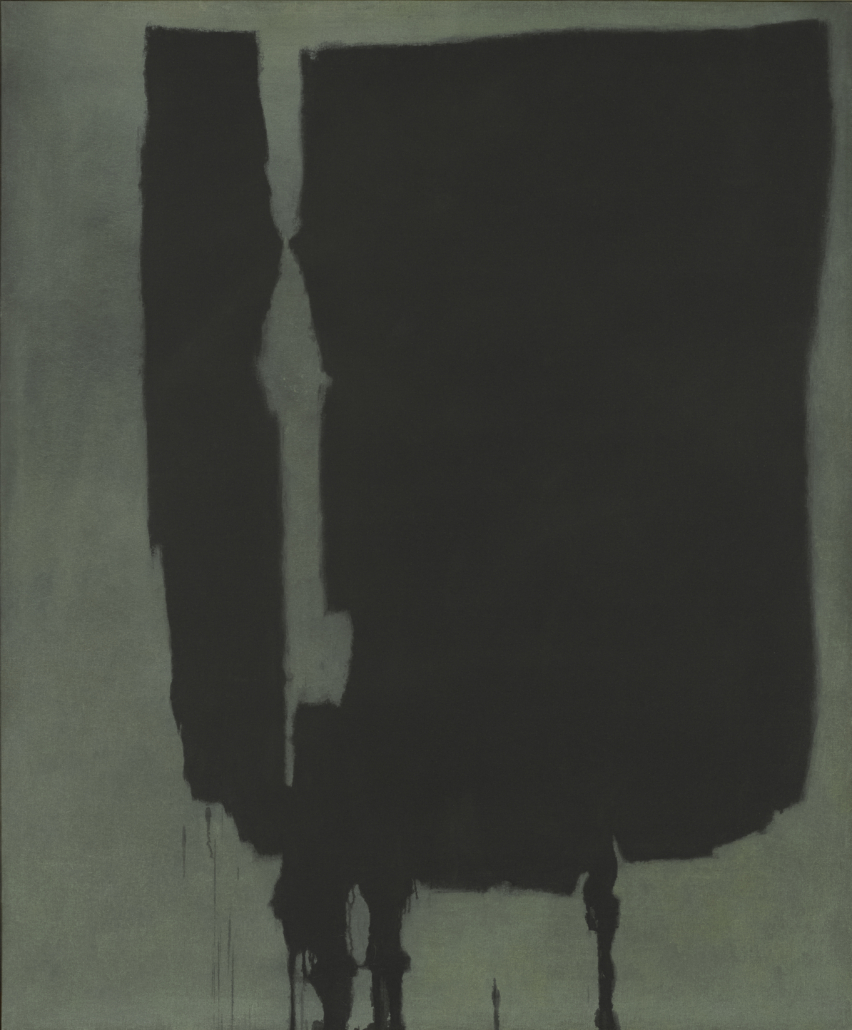
The painting contained in its place
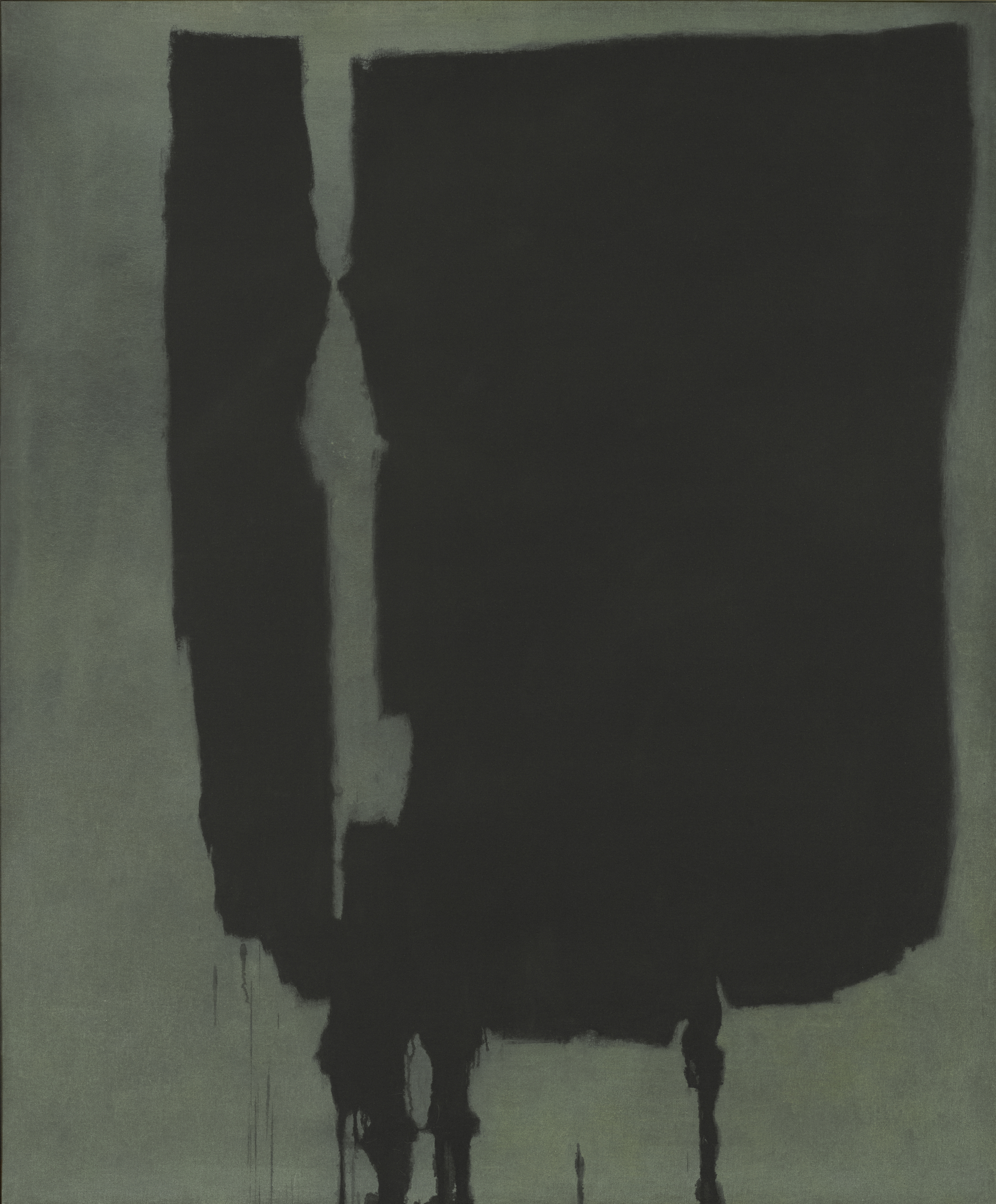
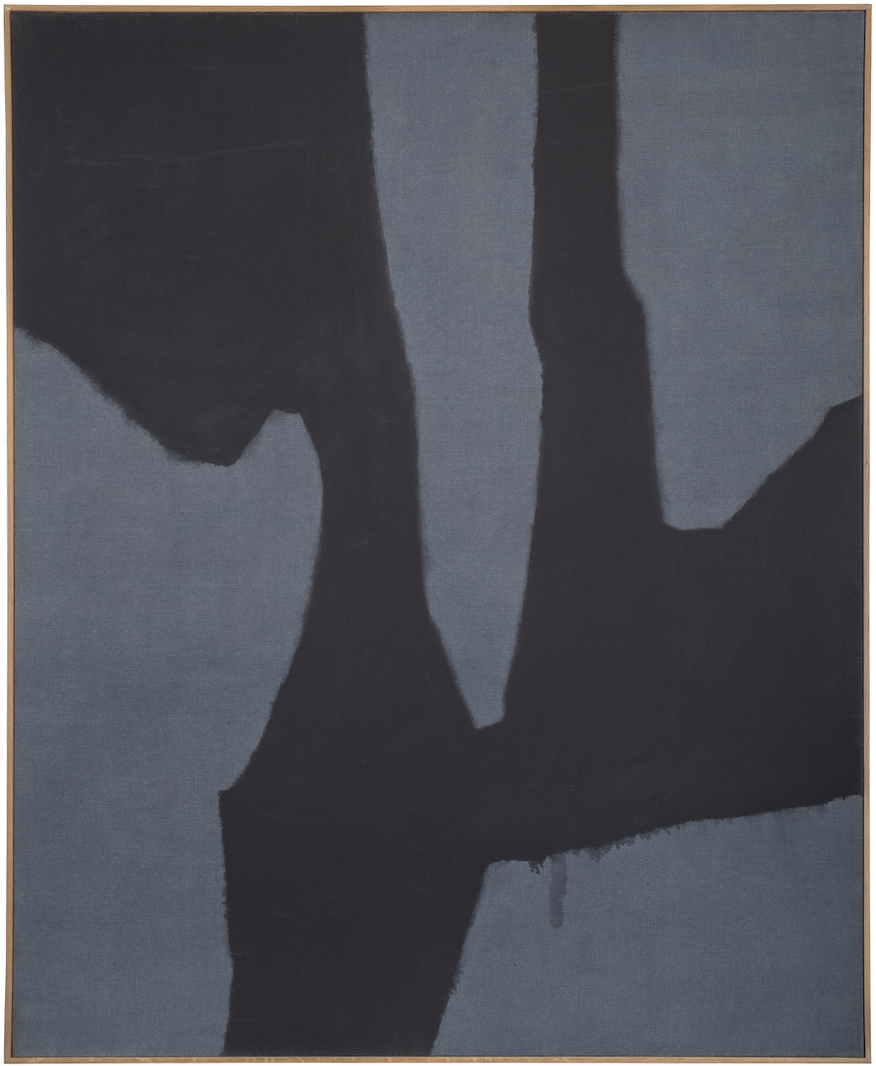
A major figure in post-war American abstraction, this first exhibition of Charles Pollock’s work at the Galerie Dina Vierny is devoted to his pieces from the 1950s and 1960s, and more specifically to the “Black and Gray” and “Rome” series. A major figure in post-war American abstraction.
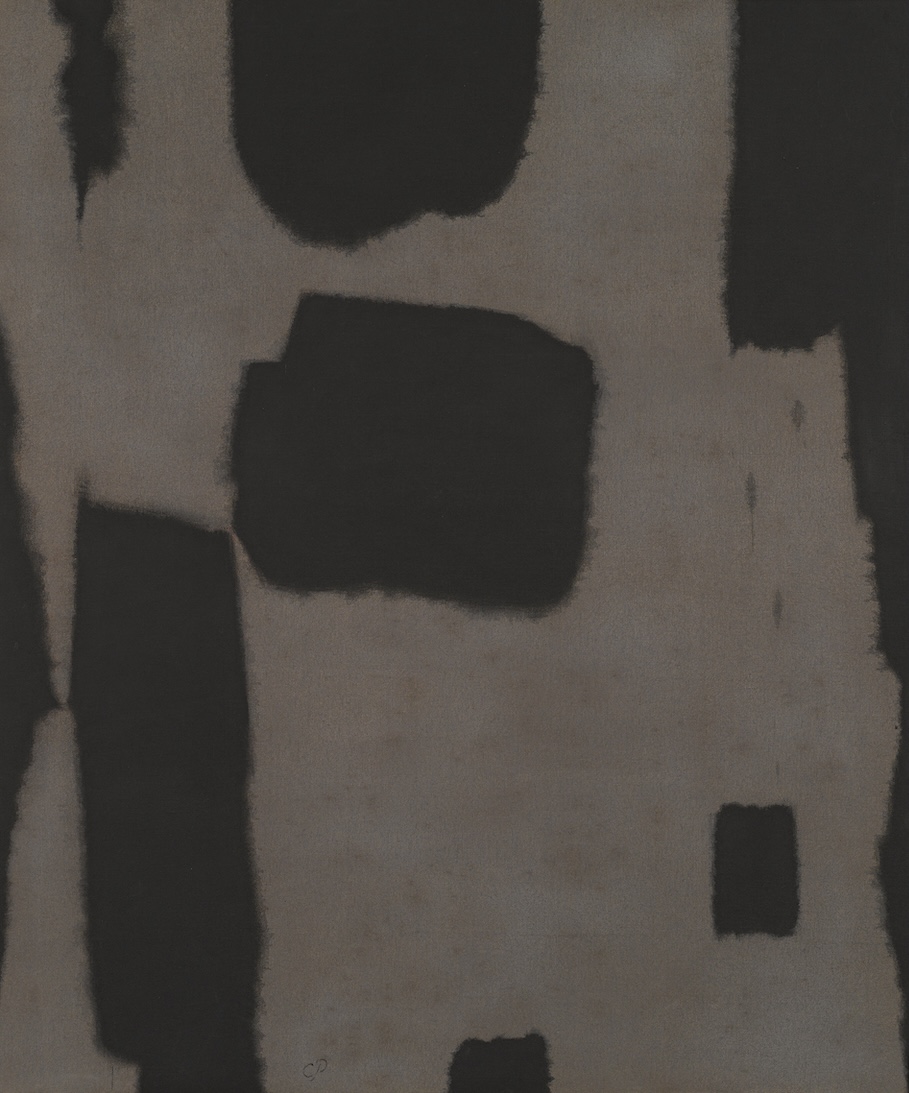
“Charles Pollock, in his abstract approach, is a tonalist painter for whom light, its variations, its capacity to become muted in a singular alliance with darkness, takes precedence over color, which seems subject to these variations that sometimes make it vibrant and often, in the period we are considering today, as if stifled. How, despite their titles, can we name the dominant tone of the “Black and Gray” series, or that of the “Rome” series – gray, mauve-gray, blue-gray? – when a matte, almost crepuscular veil obscures our ability to see as much as to describe what we see there.”
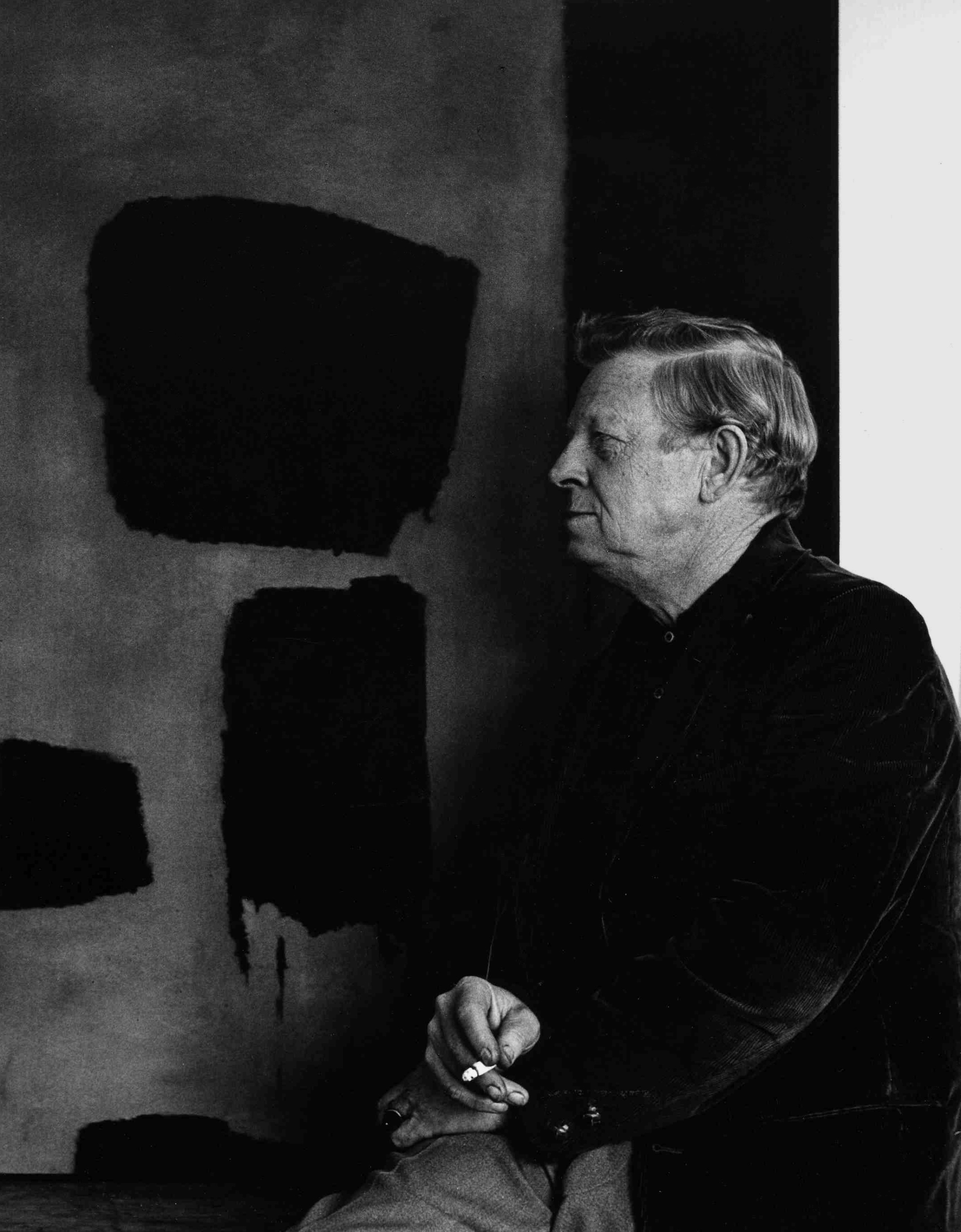
American, abstract, playing with light in its relationship to color, creating forms that seem to radiate beyond their formal limits… That was all it took for him to be seen as one of the representatives of the Color Field painting movement and a relative, if not of his brother, Jackson Pollock, of a Clyfford Still or a Mark Rothko. – Pierre Wat
A catalogue is published with texts by the historian and art critic Pierre Wat and Francesca Pollock.
