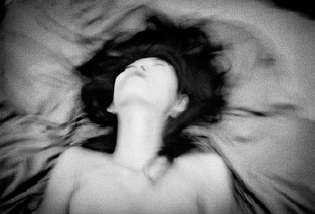
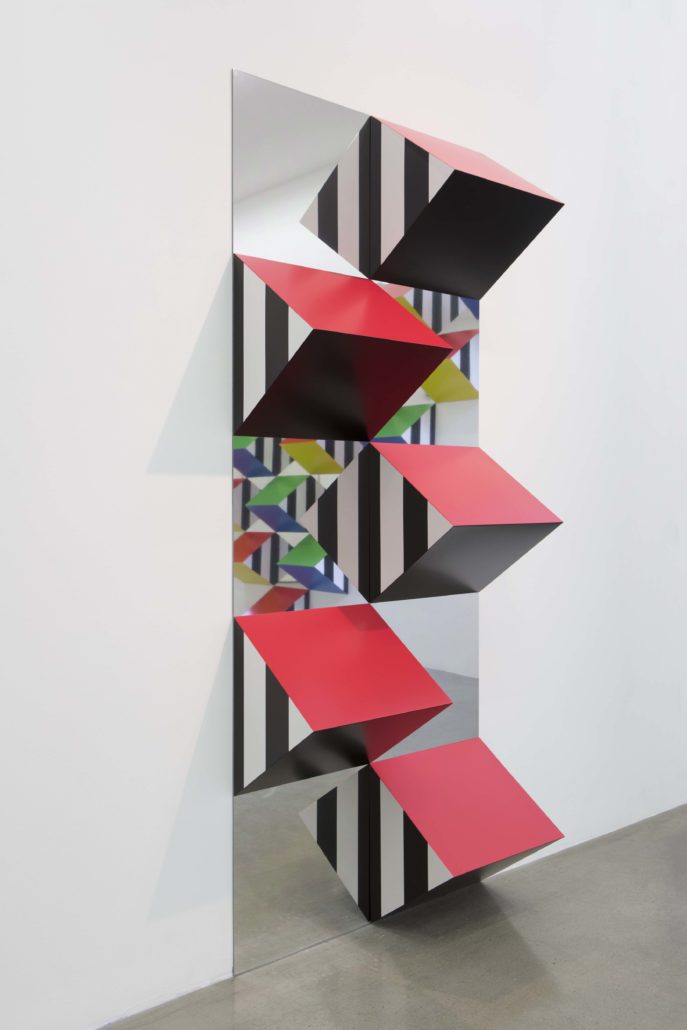
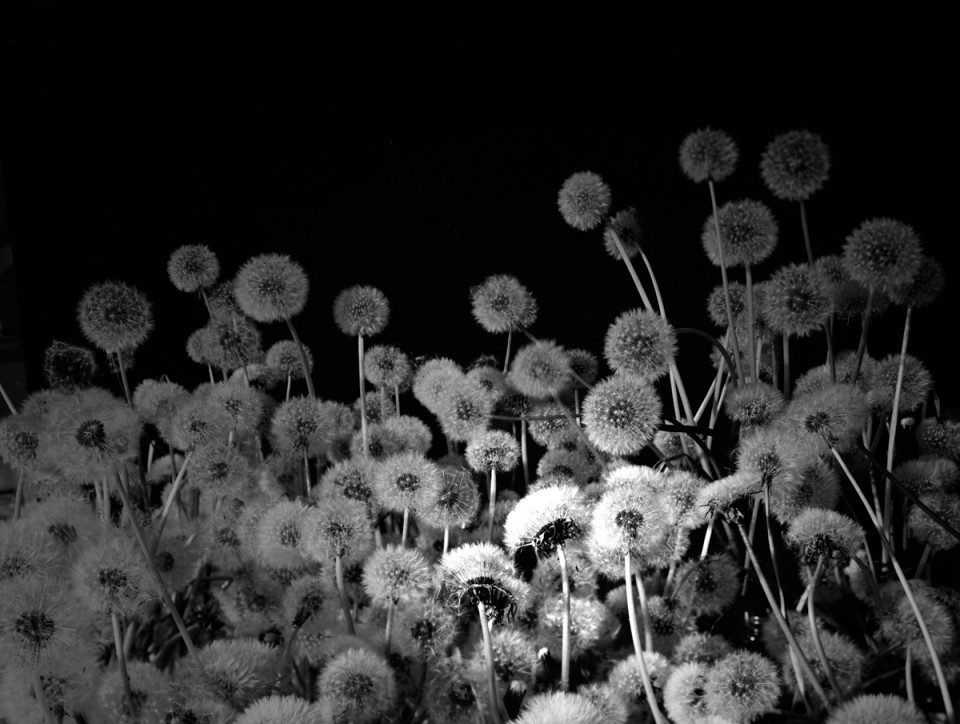
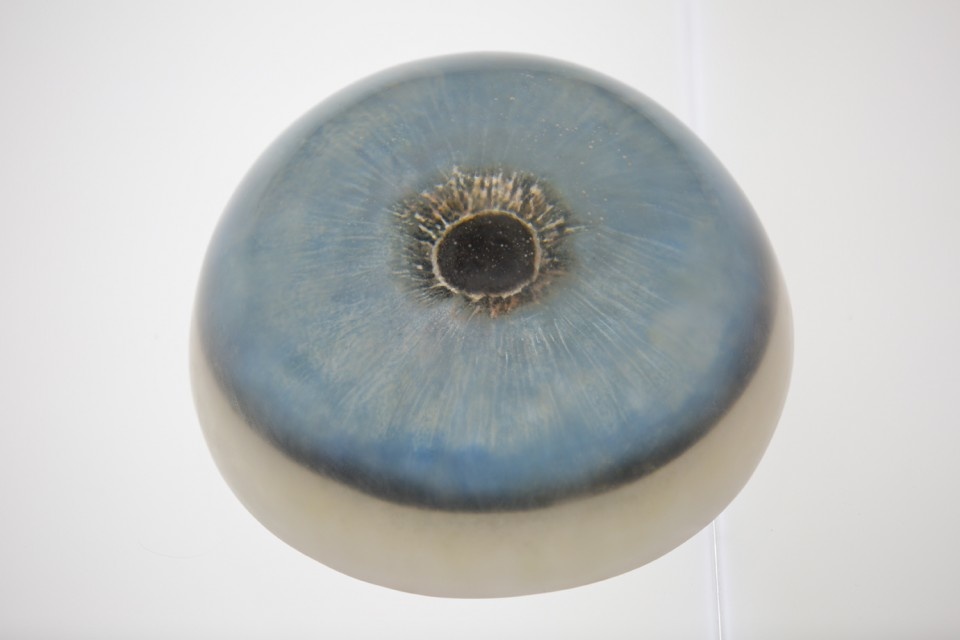
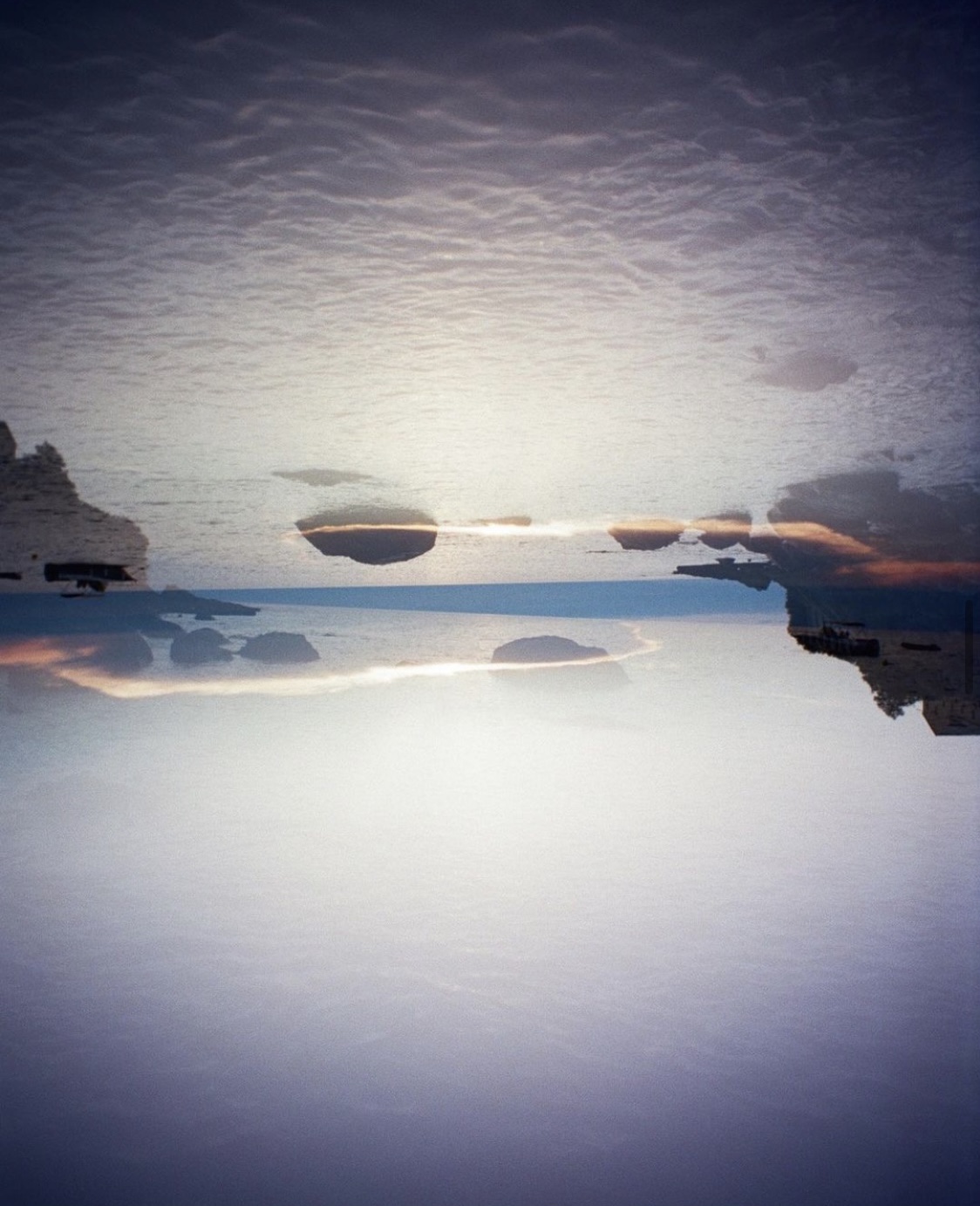
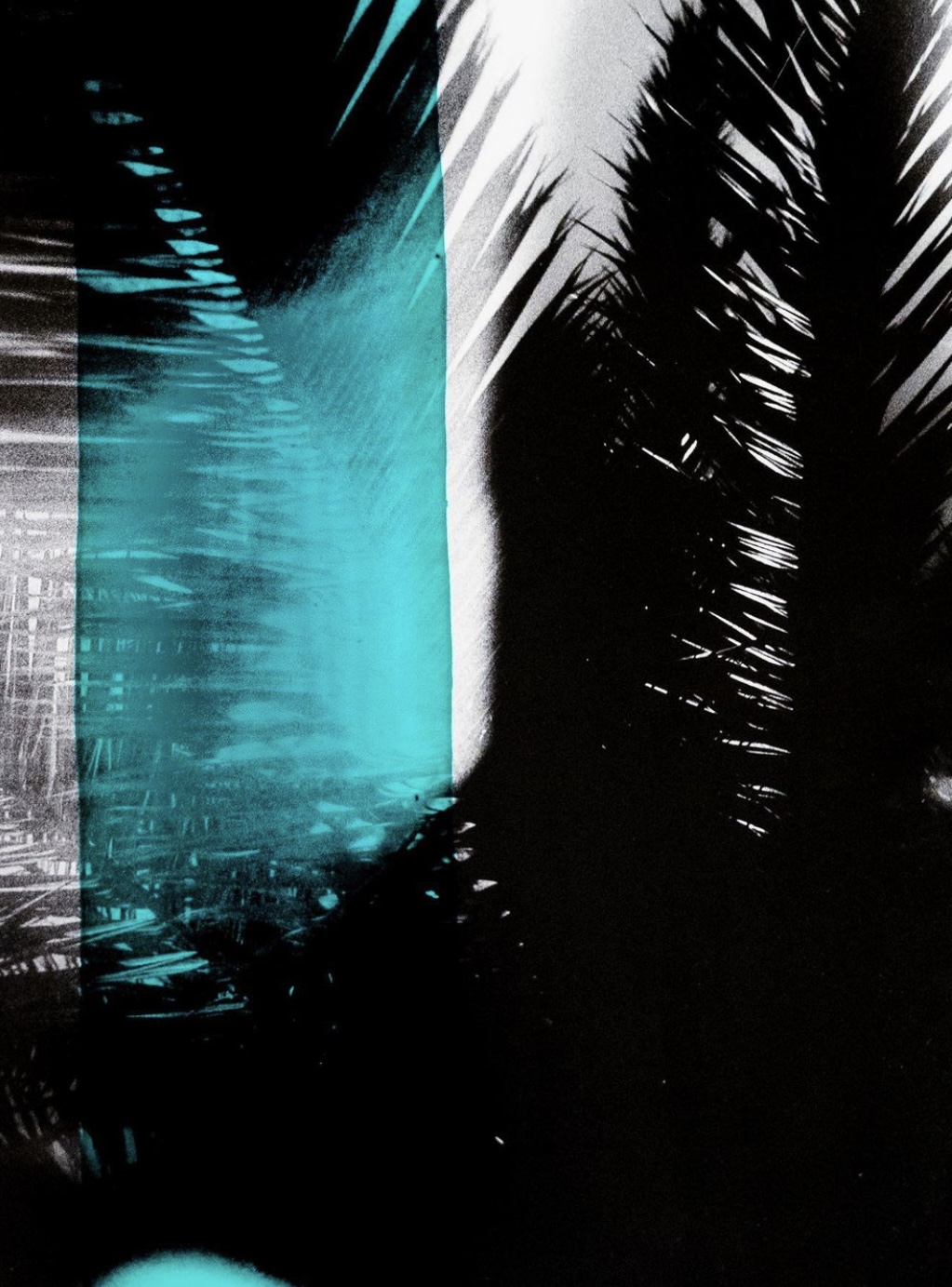
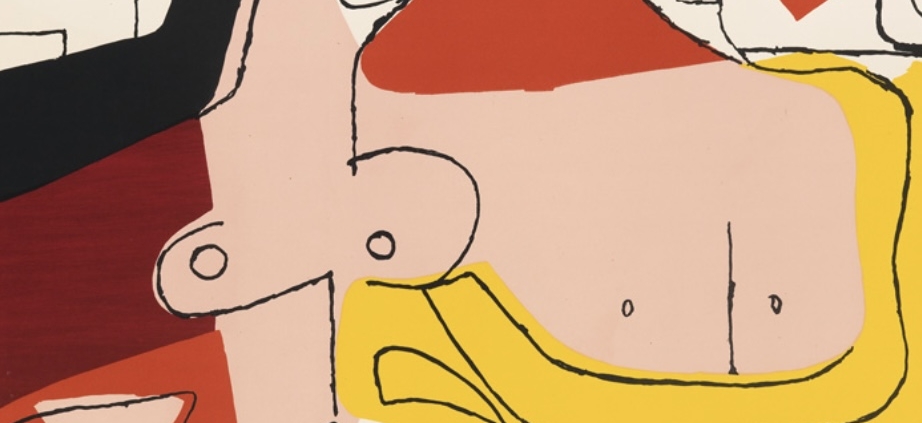
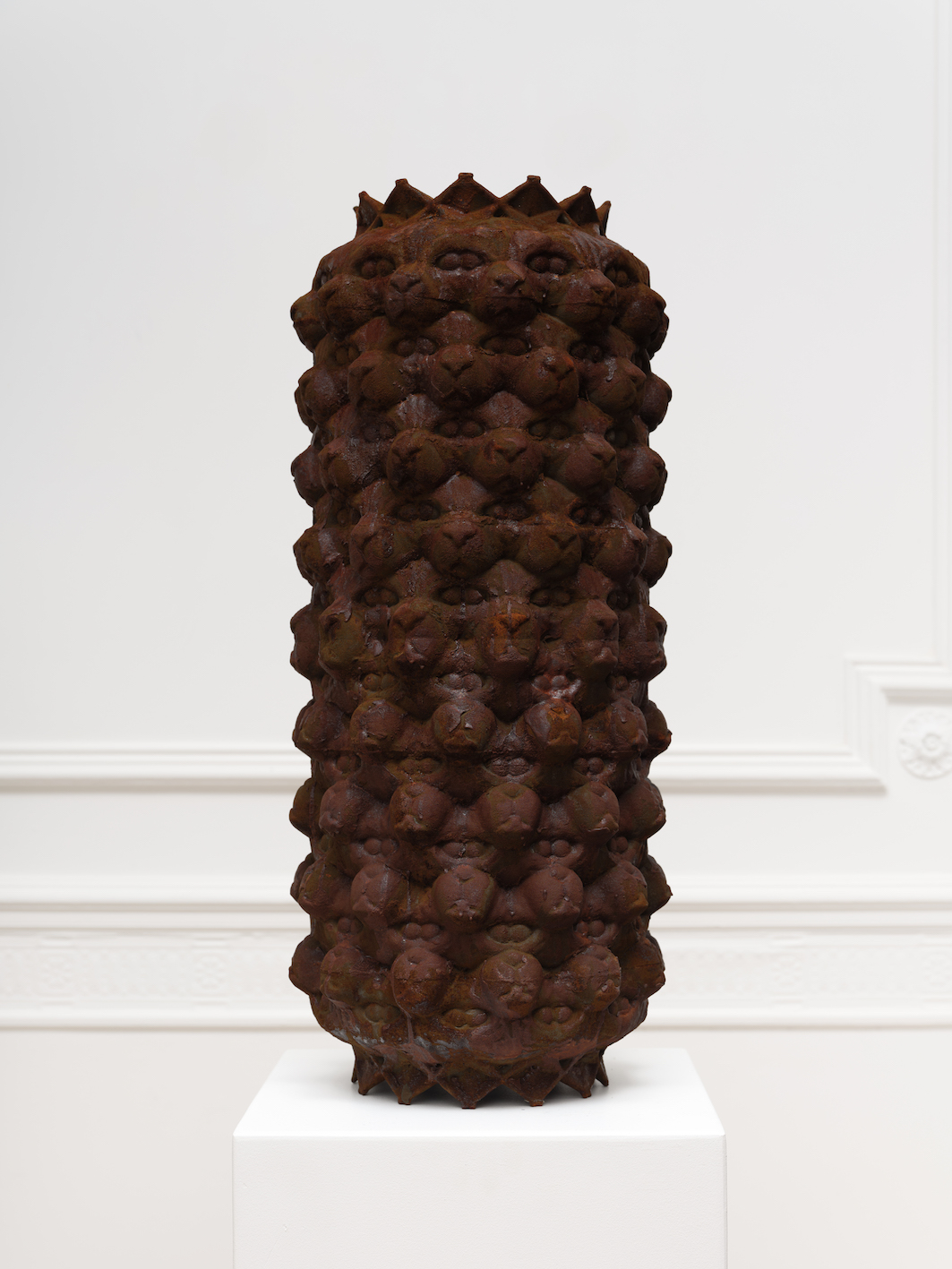
Nobuyoshi Araki, Martin Parr, Alberto Garcia-Alix, Dado Moriyama, Mohammed Bourouissa, Anish Kapoor, appear amongst the artists represented by Kamel Mennour. This self-taught man managed to do in ten years what others spent a life-time to achieve : to present world-famous artists in an international gallery and try to make contemporary art accessible to the largest number, in particular by publishing numerous monographs.
Marie-Victoire Poliakoff has a unique world of her own, full of freshness, color, and surprises. The artists she showcases in her gallery don’t necessarily conform to the current art market’s criteria, but rather to her own. Regardless of the artist’s medium or level of recognition, they always share a sense of whimsy and poetry with their gallerist. Whether in solo or group exhibitions, the works reveal themselves, sometimes slightly hidden behind glass cases, and one is always captivated by this world unlike any other.
Artists permanently featured : Laurent Baude, Pauline Bazignan, Rok Bogataj, Brigitte Cardinal, Bernard Cousinier, Annabelle d’Huart, Cristina Elinesco, Rupert Mair, Martin McNulty, Denis Polge, Jean-Luc Poivret, Alexis Poliakoff, Alexandra Roussopoulos, Anne Sedel, Jonathan Siksou, Florentin Tanas, Sarah de Teliga, Irina Volkonskii, Sébastien Kito Jean-Baptiste Marot, Bernard Michel, Charles-Henri Monvert, Elizabeth Lennard, Michel Duport, Gibb Slife
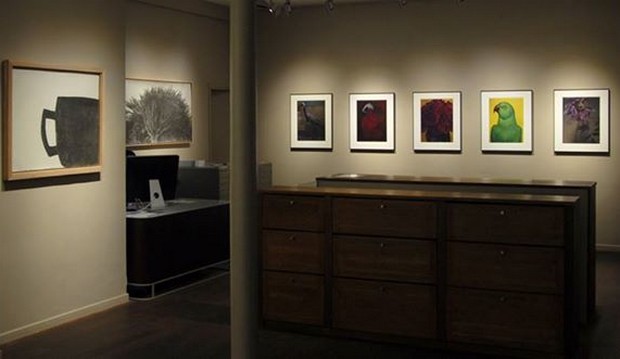
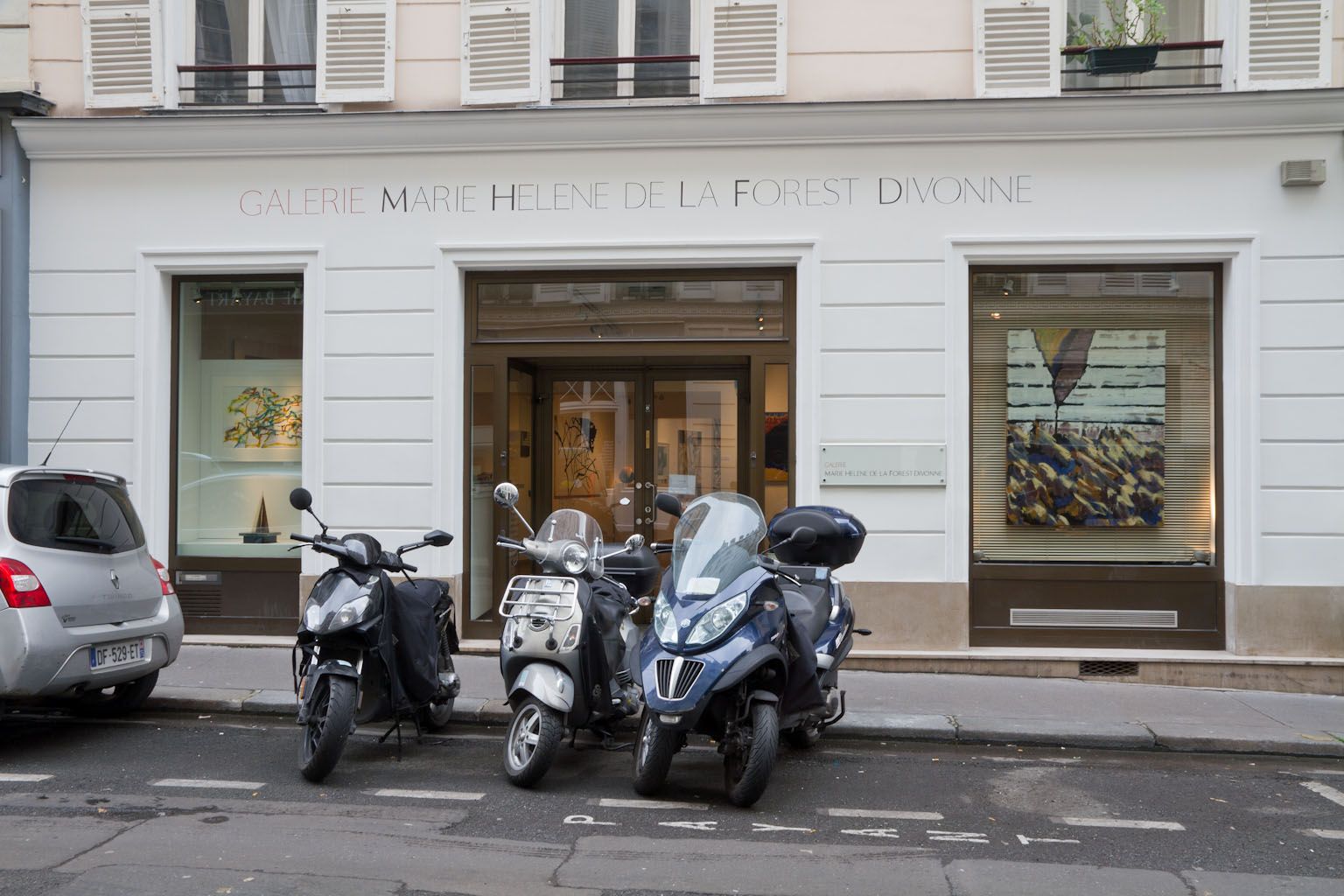
Dans ses deux galeries, à Paris et à Bruxelles, Marie Hélène de La Forest Divonne représente des artistes qui ont en commun beaucoup de poésie et une certaine vision du monde. Figuration ou abstraction, peinture, sculpture ou installation, ils ont chacun un univers qui se rapproche de celui des autres, un peu comme s’ils formaient une communauté d’artistes autour de leur galeriste.
Artists permanently featured : Arthur Aillaud, Bruno Albizzati, Gilles Altieri, Vincent Bioulès, Pierre Buraglio, Jérôme Bryon, Bernadette Chéné, Lucien Hervé, Alexandre Hollan, Jeff Kowatch, Astrid de la Forest, Jorg Langhans, Sarah Le Guern, Guy de Malherbe, Jean-Bernard Métais, Anna Mark, Illés Sarkantyu
Agent of photographers, Madé Taounza decided in 2001 to open her first photo gallery within her own agency. Highlighting photographic creation will therefore pass for him through his mission as a gallery owner, on the lookout for singular visions. Since 2013 and its installation in Saint-Germain-des-Près, showing contemporary photography in all its forms has been the credo of the Madé gallery.
Permanently presented artists: Michel Amet, Pascal Amoyel, Ella Bats, Marguerite Bornhauser, Bertrand Cavalier, Céline Clanet, Blanche Clément, Alain Duplantier, Alain Eglinton, Allyssa Heuze, Anne Immelé, Géraldine Lay, Jean-François Lepage, Andrea Modica, Hally Pancer, Marie Quéau, Lia Rochas-Paris, Anne-Sophie Soudoplastoff, Mark Steinmetz, Joséphine Vallé Franceschi
https://www.germanopratines.fr/wp-content/uploads/2023/04/Galerie-Made-Paris-2.jpg13771125Hélènehttps://www.germanopratines.fr/wp-content/uploads/2019/12/logo-germanopratines-3-1030x221.pngHélène2023-04-30 21:37:152026-05-06 16:53:32Galerie MADE
Eric Mouchet is a recognized expert in the pictorial and graphic work of Le Corbusier, but a collector and gallery owner attentive to contemporary creation, he also works alongside the young curator Léo Marin to represent several generations of modern and especially international contemporary artists, whose work reflects the major political and gender issues of their time.
Extending the Modulor concept developed by Le Corbusier in 1945 to harmoniously create functional and pleasant spaces, the artists represented by the Gallery very often place their plastic and conceptual research in a relationship to the body and space through sculpture, the installation or the video.
Permanently presented artists : Christine Barbe, Christine Crozat, Pierre Gaignard, Matthieu Gafsou, Eikoh Hosoe, Hudinilson JR., Kubra Khademi, Bérénice Lefebvre, Robert Michel & Ella Bergmann-Michel, Robert Mapplethorpe, Ken Matsubara, Samir Mougas, Remi dal Negro, Gwendoline Perrigueux, Isabelle Plat, Tony Regazzoni, Louis-Cyprien Rials, Capucine Vever, Vincent Voillat, Cyril Zarcone
https://www.germanopratines.fr/wp-content/uploads/2023/04/GALERIE-ERIC-MOUCHET-Le-Corbusier.jpg883922Hélènehttps://www.germanopratines.fr/wp-content/uploads/2019/12/logo-germanopratines-3-1030x221.pngHélène2023-04-30 10:53:112026-05-06 16:55:12Galerie ERIC MOUCHET
Founded in 1926 by Christian Zervos at 14 rue du Dragon, in the heart of Paris, “Cahiers d’Art” designates both a magazine, a publishing house and a gallery. The beginnings of Cahiers d’Art coincide with the advent of the Bauhaus, the discovery of Le Corbusier, Klee, Kandinsky, and with Zervos’ research on the primitive arts and archeology of the Cyclades. From the 1930s until the outbreak of the Second World War, the journal was mainly interested in the work of Picasso, Matisse, Braque, Léger, Ernst, Arp and Giacometti. In 1932 the first volume of the Catalog Picasso appeared; a project that will become the work of a lifetime, a collaboration between Zervos and Picasso materializing in 33 volumes that have since become the reference work on Picasso’s work. Artists’ collaborations with Cahiers d’Art have often resulted in original works.
Christian and Yvonne Zervos organized at the Galerie Cahiers d’Art between two to five exhibitions a year from 1932 to 1970, in particular those devoted to Calder, Gonzalez, Tanguy, Laurens, Brauner and Picasso.
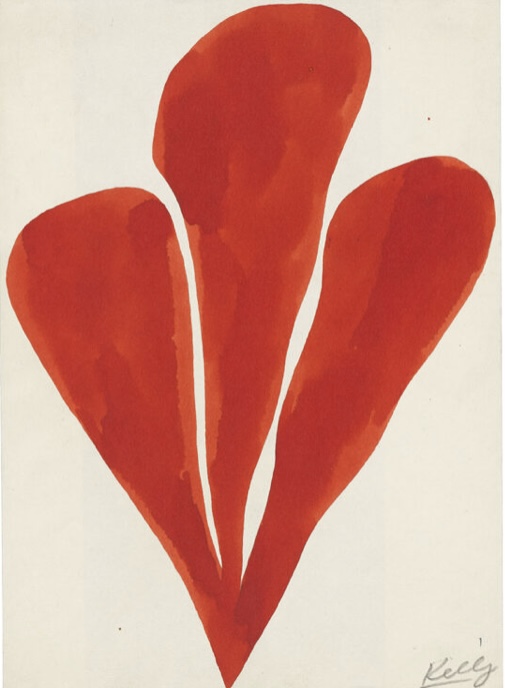
Since its relaunch in 2012 by the Swedish Staffan Ahrenberg, Cahiers d’Art has reissued the 33 volumes of the Picasso catalog by Christian Zervos, in collaboration with the Picasso Administration, available in French and English for the first time in its history. In parallel, Cahiers d’Art presented new exhibitions, published new books and limited editions in collaboration with Alexander Calder, Ellsworth Kelly, Philippe Parreno, Rosemarie Trockel, Hiroshi Sugimoto, Thomas Schütte, Martin Kippenberger, Inge Mahn and Monika Sosnowska .
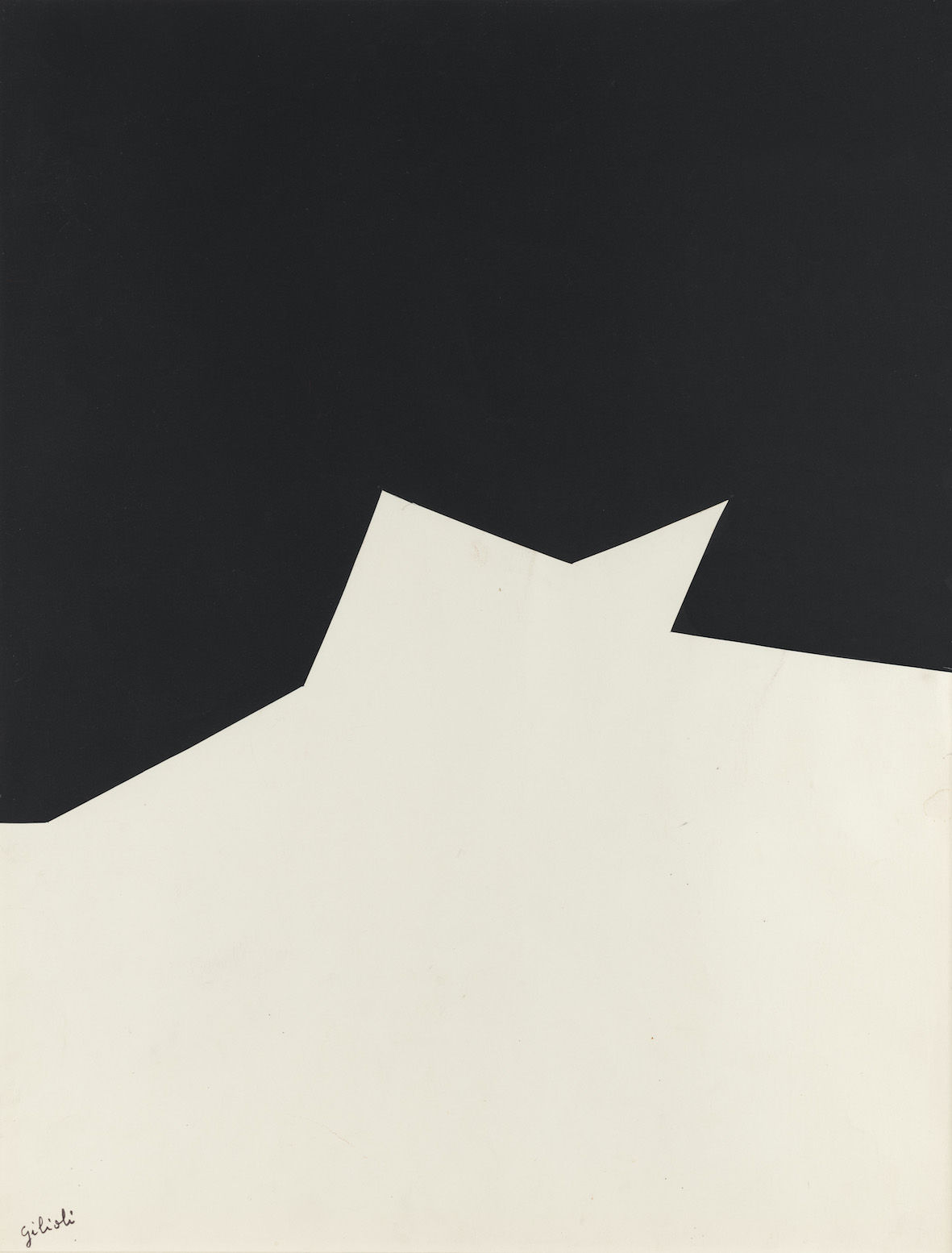
Dina Vierny, Maillol’s last model, opened her gallery in 1947 at 36 rue Jacob, a former bougnat transformed into a wooden case by Auguste Perret. The gallery became famous in Paris thanks to a first Maillol exhibition, then asserted itself with exhibitions by Rodin, Henri Laurens, Matisse, Vollard, Picasso, Kandinsky, Pougny, Dufy, Doucet, Charchoune, Gilioli, Couturier or Zitman. The gallery owner then fell in love with modern Primitives. In the early 1970s, she traveled to the Soviet Union where she discovered Kabakov, Bulatov, Yankilevsky and Oscar Rabin. She smuggled their works out of Russia and organized the famous exhibition Russian Avant-garde – Moscow 73.
Still driven by this same eclecticism, the gallery was then directed by Olivier Lorquin, son of Dina Vierny, who has now given way to his two sons, Pierre and Alexandre Lorquin, in January 2021. They are now redirecting the strategy from the gallery towards impressionism, modern and post-war art, by diversifying the list of artists. This global project aims to present new ambitious exhibitions at the gallery and outside the walls, but also to set up a series of publications related to these exhibitions.
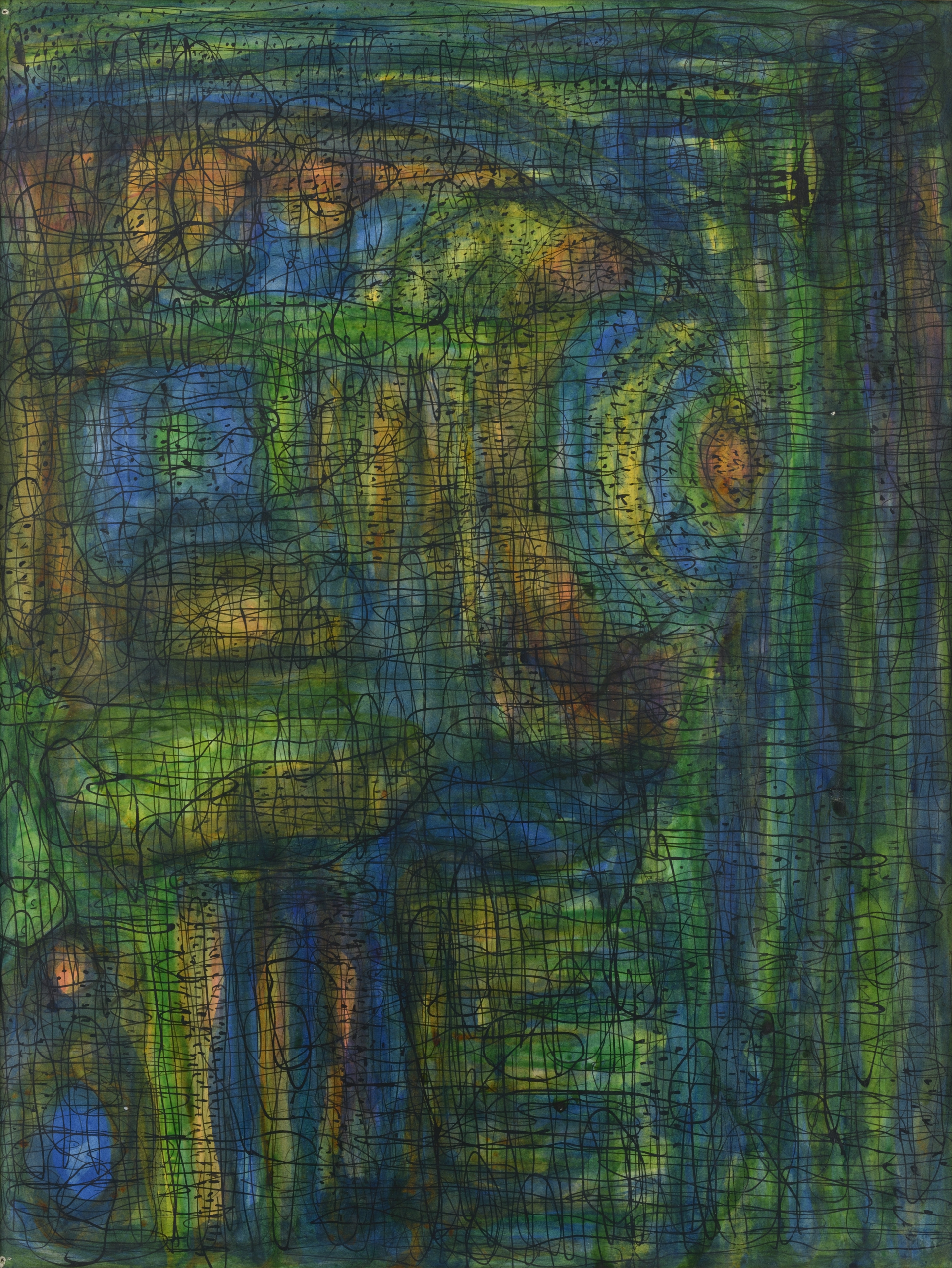
Permanently presented artists : André Bauchant, Camille Bombois, Erik Boulatov, Robert Couturier, Jacques Doucet, Jean Ève, Émile Gilioli, Nikifor Krynicki, Ra’anan Levy, Séraphine Louis, Aristide Maillol, Fikret Moualla, Jules Pascin, Serge Poliakoff, Oscar Rabine, Judit Reigl René Rimbert, Louis Vivin, Vladimir Yankilevsky, Fahrelnissa Zeid
https://www.germanopratines.fr/wp-content/uploads/2023/04/GALERIE-DINA-VIERNY-Fahr-El-Nissa-ZEID-scaled.jpg25601922Hélènehttps://www.germanopratines.fr/wp-content/uploads/2019/12/logo-germanopratines-3-1030x221.pngHélène2023-04-29 11:48:212026-05-06 16:59:07Galerie DINA VIERNY
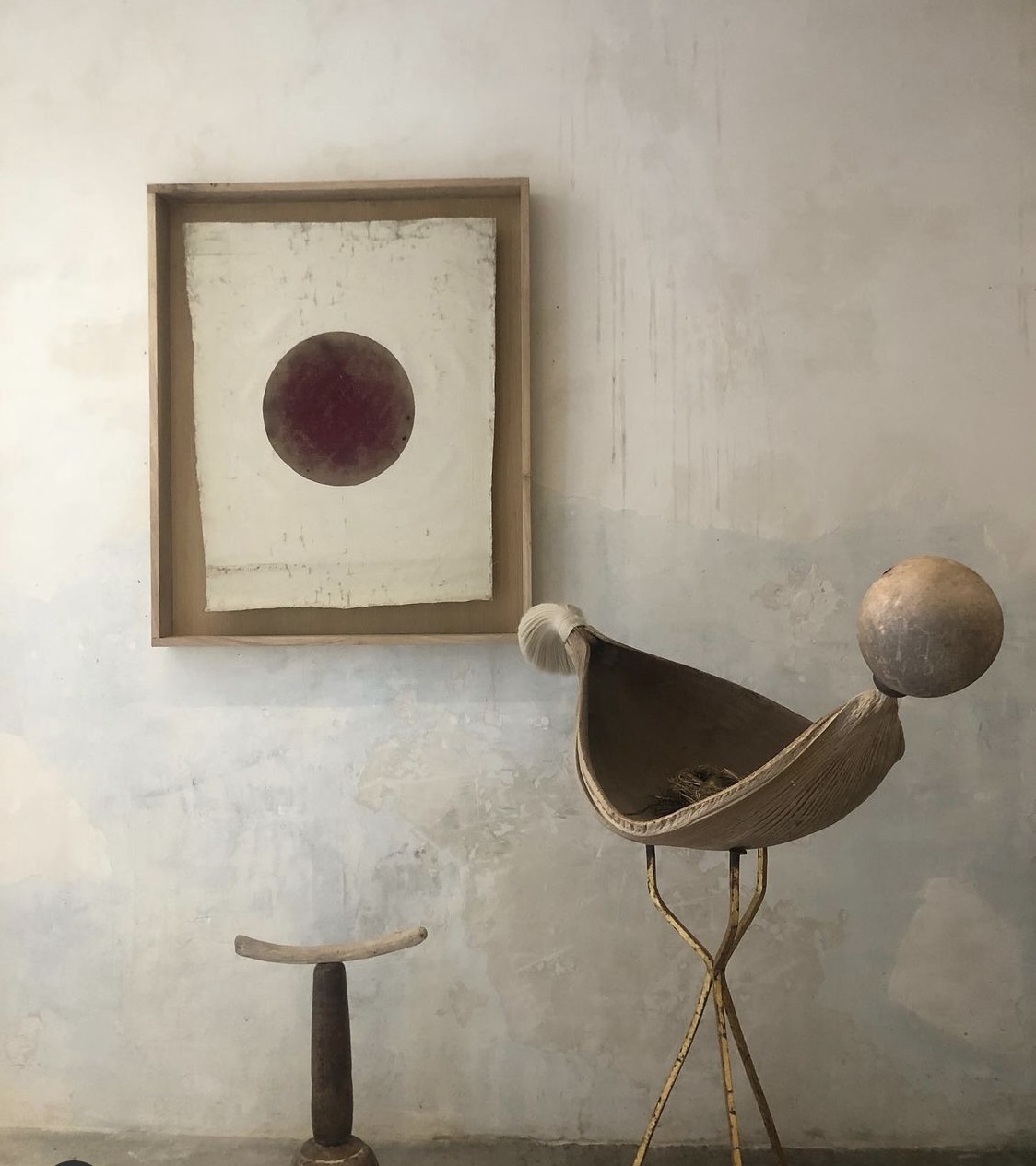
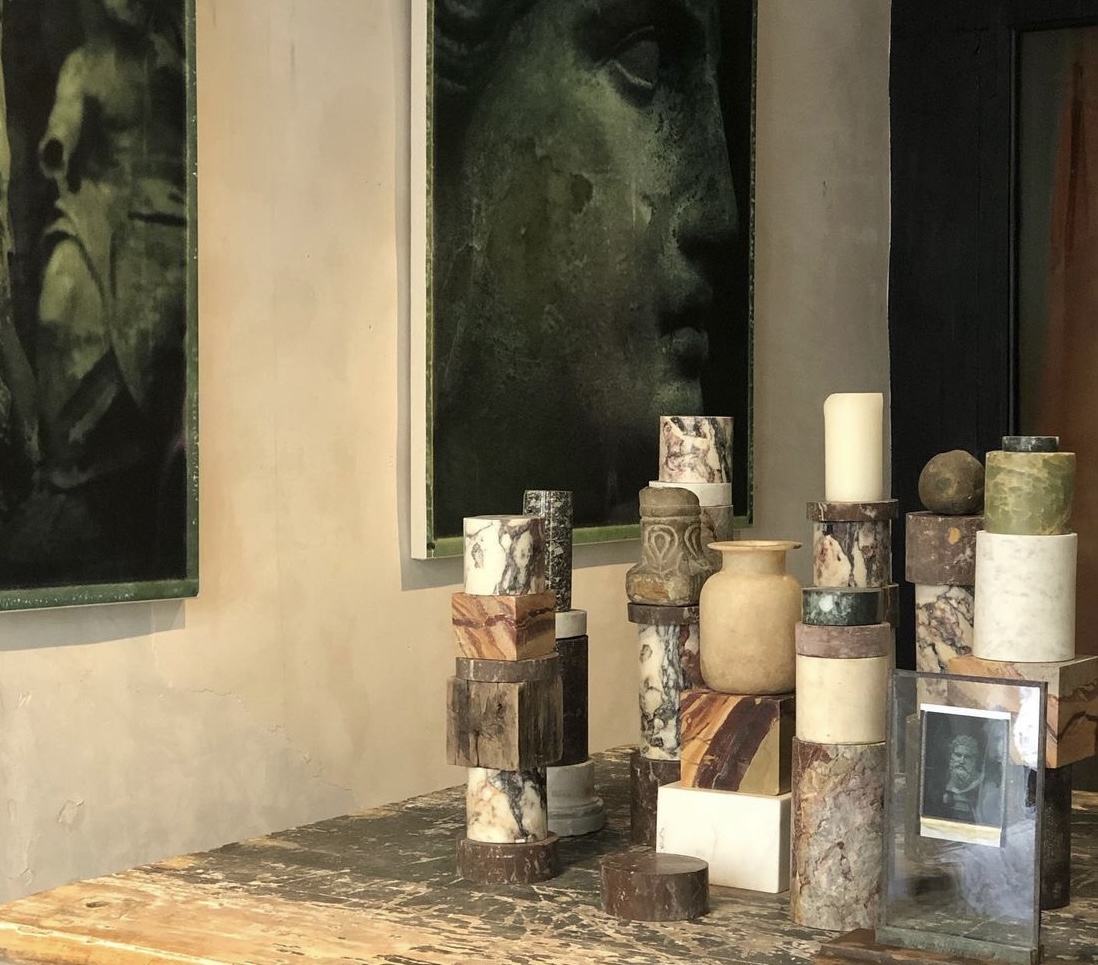
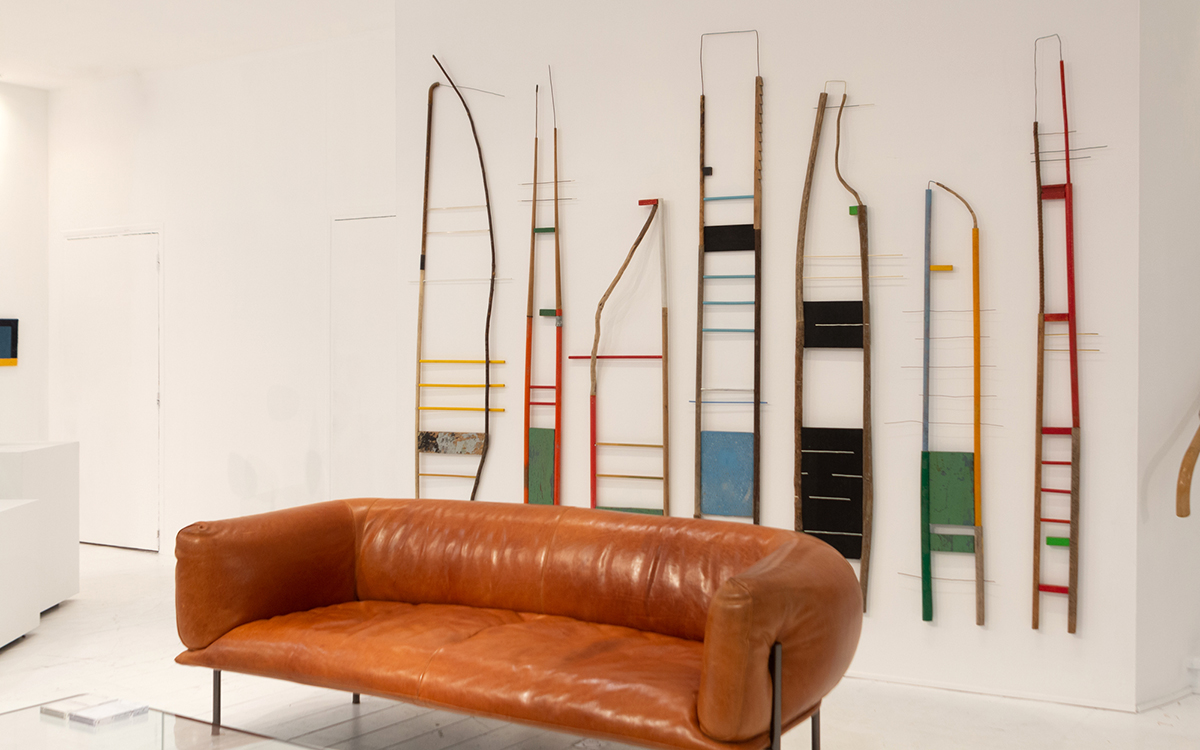
In this former Parisian bougnat that belonged to Dina Vierny, muse of the sculptor Maillol, Carole Korngold has created a unique place between studio and gallery, which is inspired by an aesthetic of modesty, imperfect beauty to leave room for revelation. and the expression of contemporary artists belonging to very diverse fields, sculptors, ceramists, painters, visual artists, photographers. .. all linked by the same thread, that of Tourrette by Carole Korngold.
She never ceases to express an aesthetic commitment and to invent her universe of expression, in the filiation of art dealers, she nourishes with the artists and this very inhabited place a fruitful dialogue, seeking the sensitive trace of the hand, the part of the gesture, the journey and the process where the emotion resides.
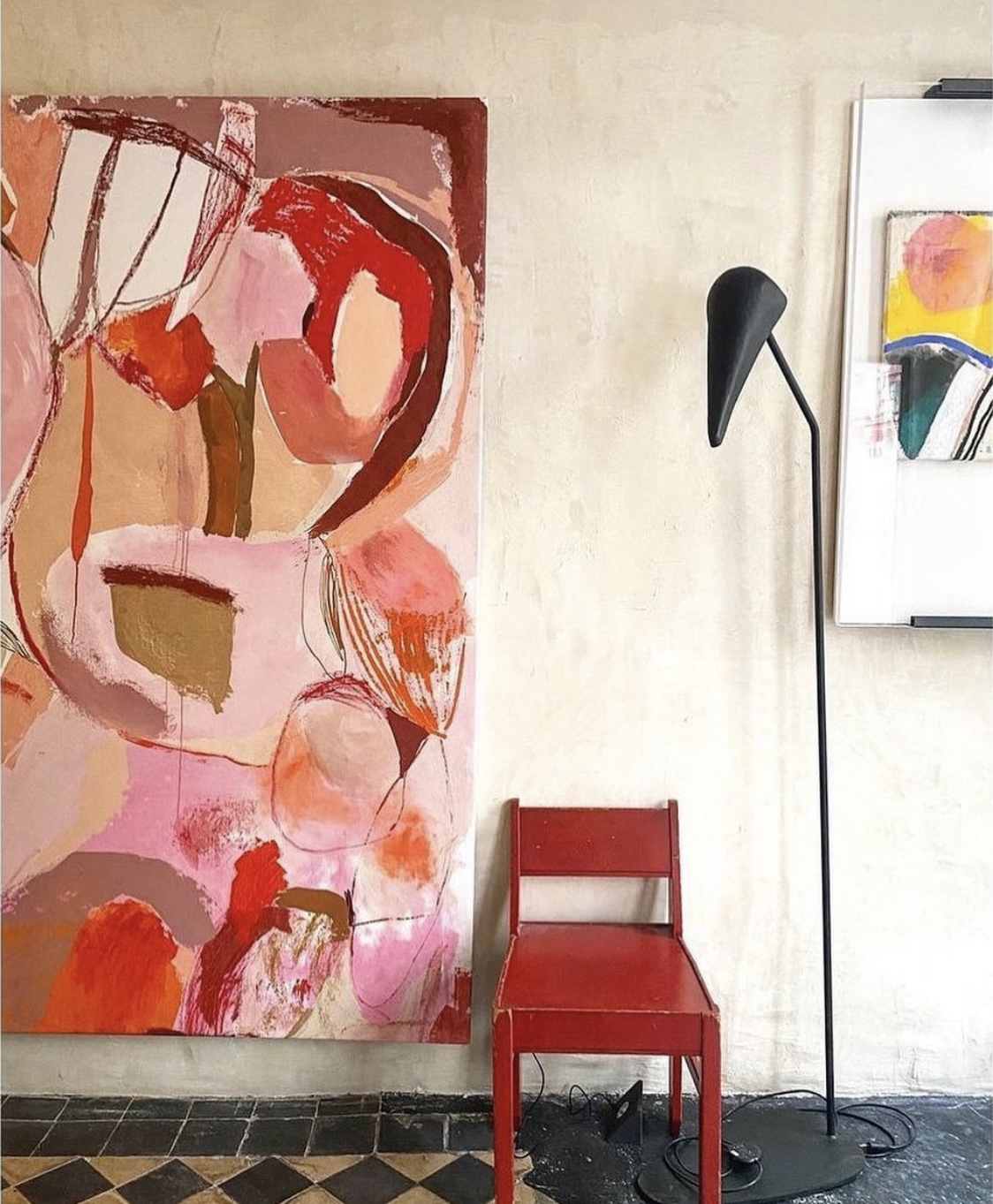
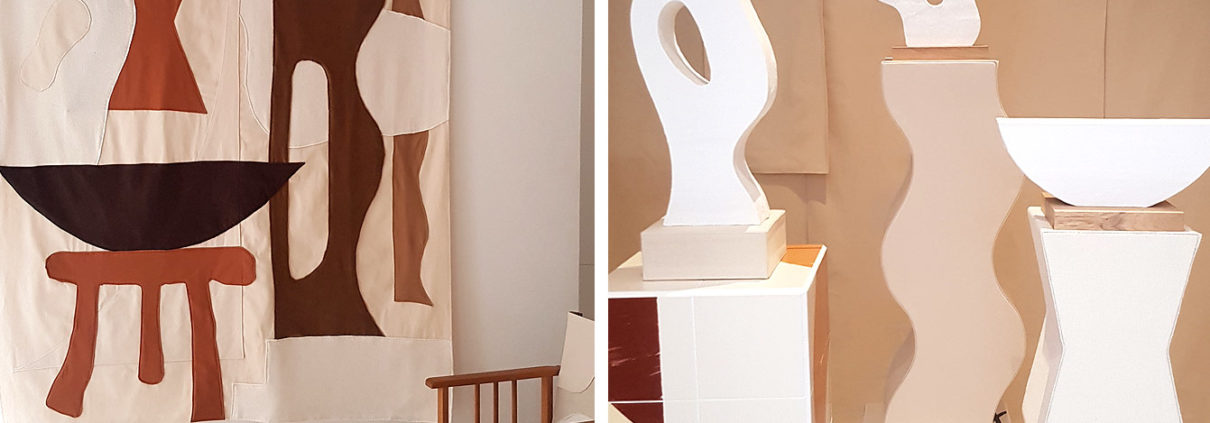
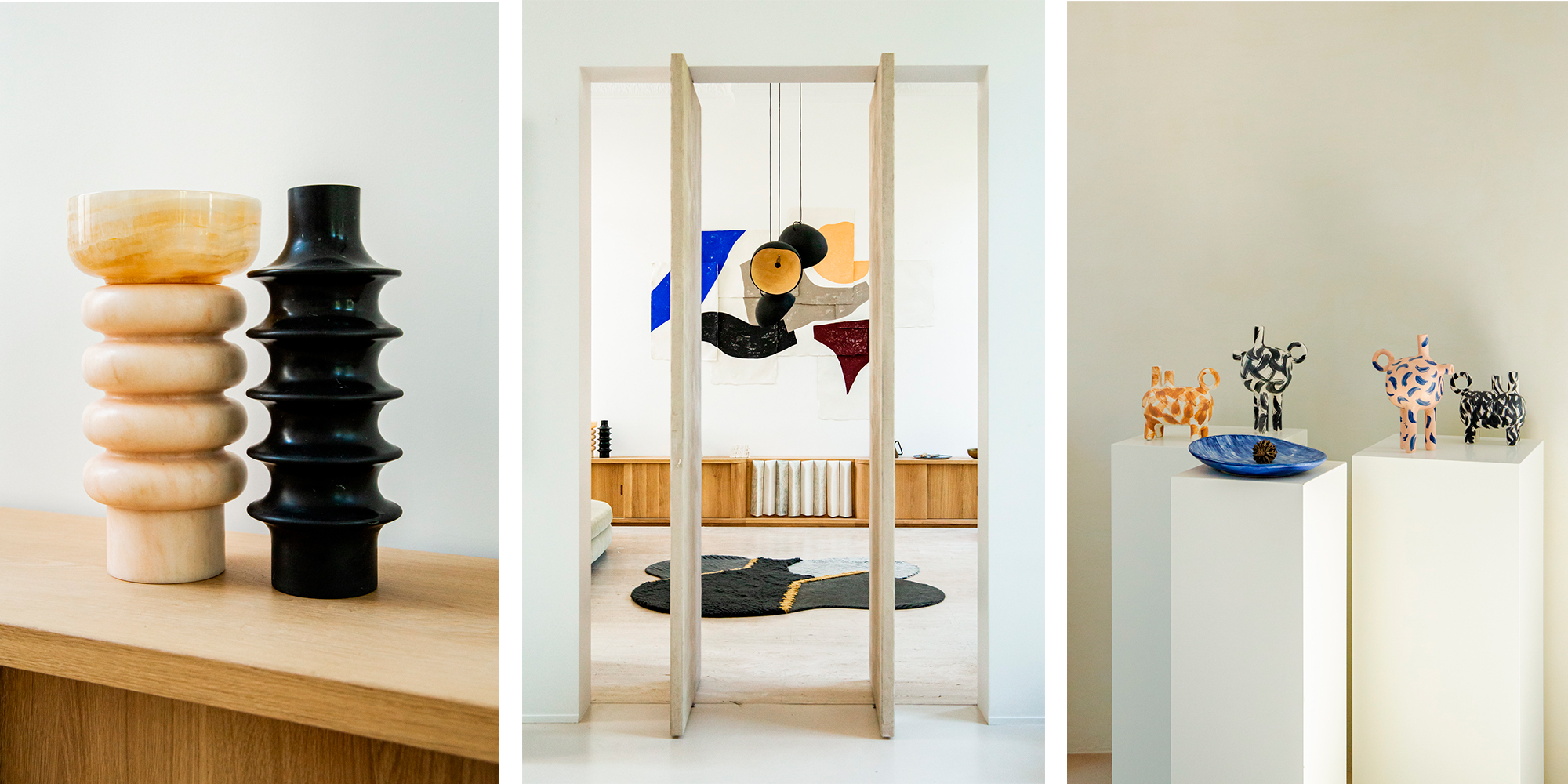
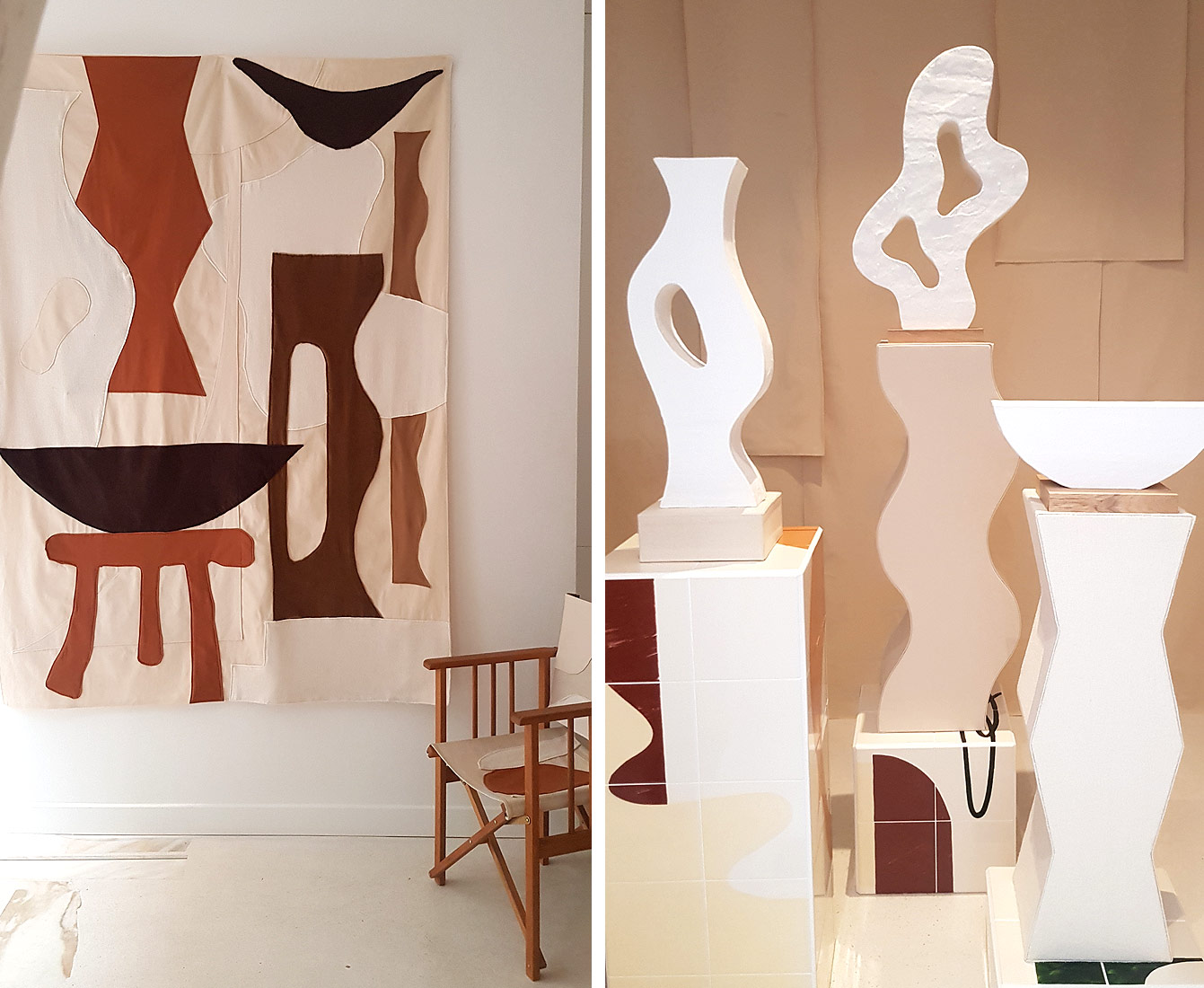
Amélie du Chalard has created a place apart. A place conceived as an apartment rather than a gallery and which appeals to art or design lovers as well as collectors. Each exhibition is an opportunity for a new scenography and allows you to discover new artists or craftsmen. A joyful, playful and exciting place.
https://www.germanopratines.fr/wp-content/uploads/2021/10/amelie-maison-art-01.jpg11001341Hélènehttps://www.germanopratines.fr/wp-content/uploads/2019/12/logo-germanopratines-3-1030x221.pngHélène2021-10-09 19:33:372026-05-06 17:10:53Amélie Maison d’Art
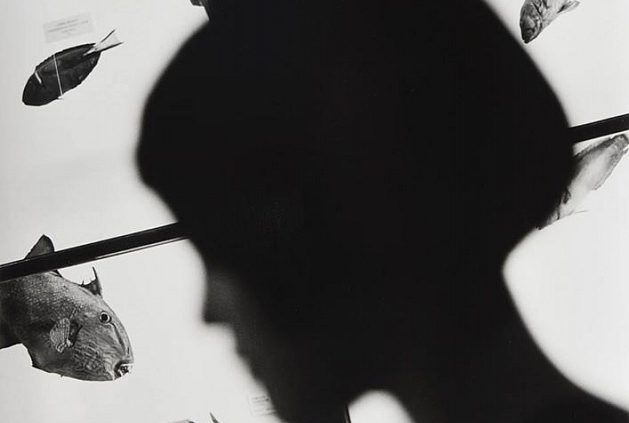
Created in 2008 by Hanane Hilmi and Jean Noël de Soy, IN CAMERA presents devotees to black and white, such as Jane Evelyn Atwood or Stéphane Duroy as well as great colourists such as Bertien van Manen, Julian Germain, Dolorès Marat or Gueorgui Pinkhassov. Those artists are displayed in museums all around the world and in great public and private collections.
https://www.germanopratines.fr/wp-content/uploads/2014/05/artlimited_img7582766-01.jpg640629Hélènehttps://www.germanopratines.fr/wp-content/uploads/2019/12/logo-germanopratines-3-1030x221.pngHélène2016-04-09 16:31:202026-05-11 10:42:27IN CAMERA
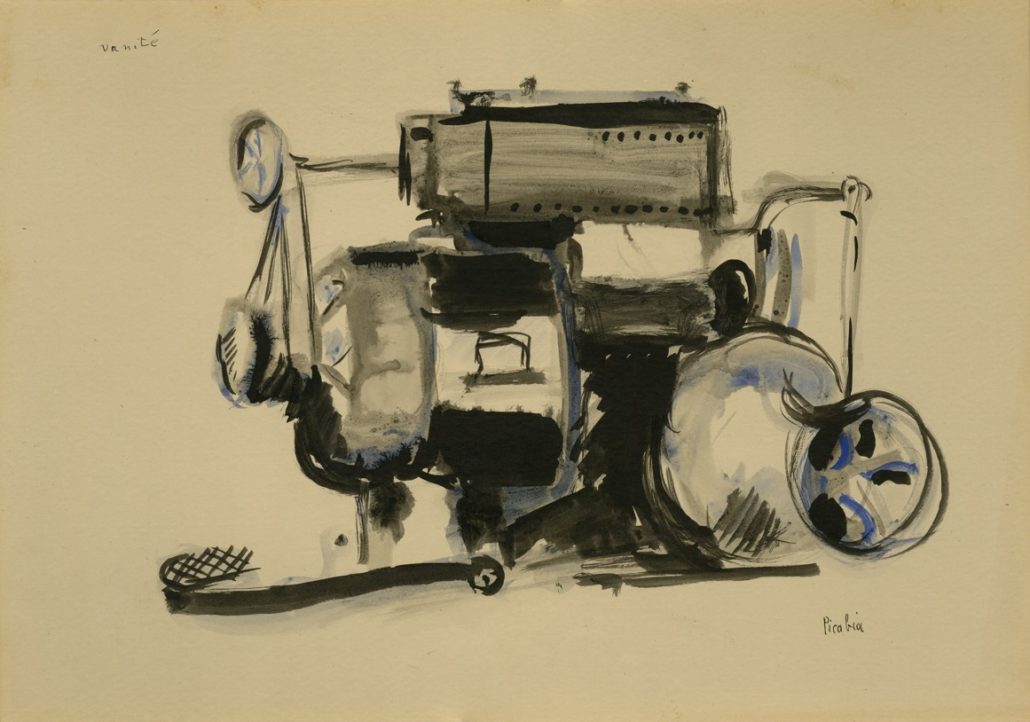
Marcel Fleiss opened the Galerie des Quatre Mouvements in 1972 with an exhibition of forty rayographs by his friend Man Ray. He presented Dada, Surrealist, Pop, and Hyperrealist works there. In 1981, he opened the Galerie 1900-2000, where he broadened his artistic scope to include other avant-garde movements (Lettrism, Fluxus, etc.) and a few contemporary artists (Pol Bury, George Condo, Jean-Michel Basquiat, and Keith Haring’s last exhibition before his death). In 1991, his son David joined him and developed the photography department and collaborations with contemporary artists (Joseph Kosuth and Hiroshi Sugimoto, Sylvie Fleury, and Laurent Grasso). Together, they now focus primarily on Surrealist and Dadaist works (Man Ray, Marcel Duchamp, Francis Picabia, Hans Bellmer, Arthur Cravan, etc.) while continuing to champion the art of the 1960s and 70s.
Artists permanently presented : Hans Bellmer, Gaston Bertin, Jean-Louis Brau, Victor Brauner, Pol Bury, William Copley Jean Dubuffet, Marcel Duchamp, Aube Elléouët, Max Ernst, Xavier Escriba, Al Hansen, Jacques Hérold, Ray Johnson, Philippe Jusforgues, Tetsumi Kudo, Wifredo Lam, Jean-Jacques Lebel, Maurice Lemaitre, Frédéric Léglise, Dora Maar, Man Ray, André Masson, Pierre Molinier, Francis Picabia, Edda Renouf, Miguel Rio Branco, Ed Ruscha, Robert Whitman
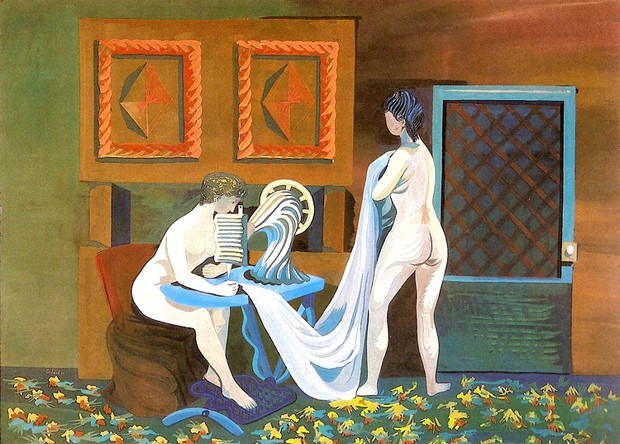
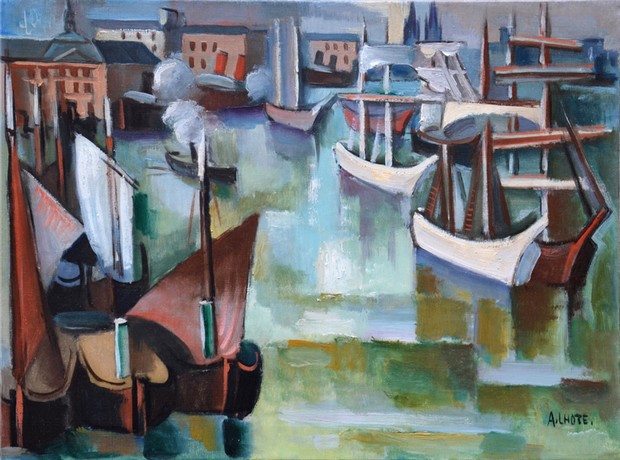
Philippe Bismuth worked as a 20th century painting and sculpture expert for ten years before teaming with Vincent Amiaux, a specialist of Cubism to open the gallery in 1998. Works by Giacometti, Foujita, Dubuffet, Lhote, Picabia, Utrillo, Picasso, Warhol and 20th century masters are regularly on show.