Revoir Van Eyck

La Vierge du chancelier Rolin

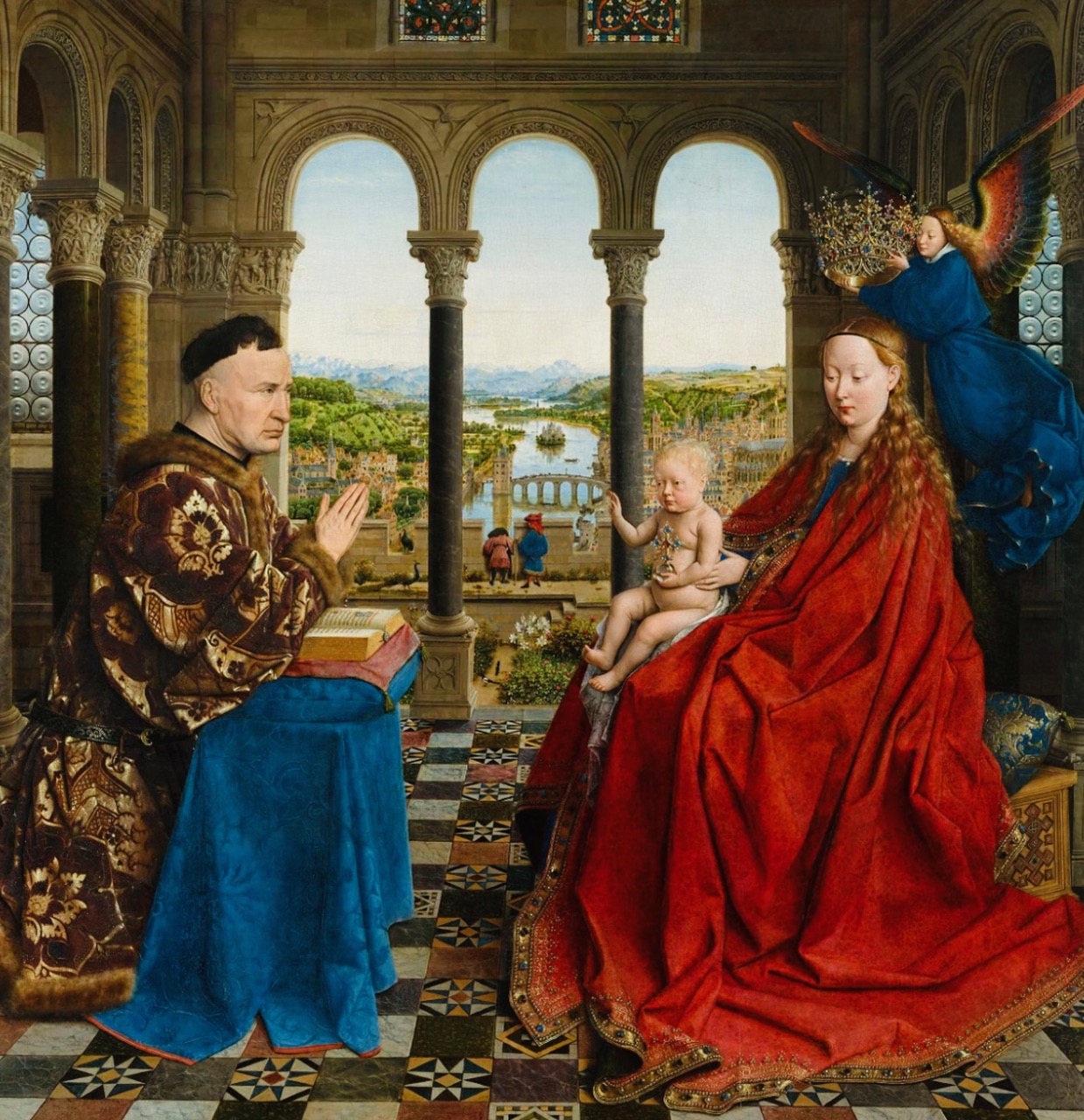
Pour partager avec le public l’événement que représente cette restauration historique (l’œuvre n’avait jamais été restaurée depuis son entrée au Louvre en 1800), le musée a décidé de consacrer la première des expositions – dossiers à se tenir dans la salle de la Chapelle depuis 2014 au chef-d’œuvre de Jan Van Eyck : Le Chancelier Rolin en prière devant la Vierge et l’Enfant, dit aussi La Vierge du chancelier Rolin. La restauration, qui a notamment permis d’alléger les couches de vernis oxydé qui assombrissaient la peinture, offre une redécouverte spectaculaire du tableau.

Cette opération s’inscrit dans l’élan actuel d’études des Å“uvres de Van Eyck, d’abord lancé par la restauration du retable de l’Agneau mystique Ã  Gand. Depuis près de dix ans, en effet, ces dialogues internationaux et interdisciplinaires renouvellent fortement les questions des spécialistes. À son tour, le Louvre entend faire découvrir au public combien les études menées au Centre de recherche et de restauration des musées de France et la restauration elle-même interrogent ce que l’on pensait savoir de cette Å“uvre, longtemps appelée La Vierge d’Autun.

Cette peinture majeure de l’art occidental, aujourd’hui étonnamment méconnue, peut sembler difficile à comprendre. C’est pourquoi l’exposition sera guidée par des questions, qui sont autant d’étapes du regard sur le tableau : pour quel(s) usage(s) Van Eyck a-t-il conçu cette Å“uvre si spéciale, à l’intention du chancelier Nicolas Rolin ? Pourquoi a-t-il peint à l’arrière-plan un paysage tellement miniaturisé qu’il en est presque invisible ? Comment comprendre les deux petits personnages du jardin ? Quels dialogues l’œuvre entretient-elle à la fois avec l’art de l’enluminure et les bas-reliefs funéraires sculptés ? Peut-on savoir comment les artistes du 15e siècle ont compris cette Å“uvre ? La Vierge Rolin cristallise en un sens les tensions qui traversent l’art flamand dans le premier tiers du 15e siècle, entre tradition médiévale et expérimentations révolutionnaires.

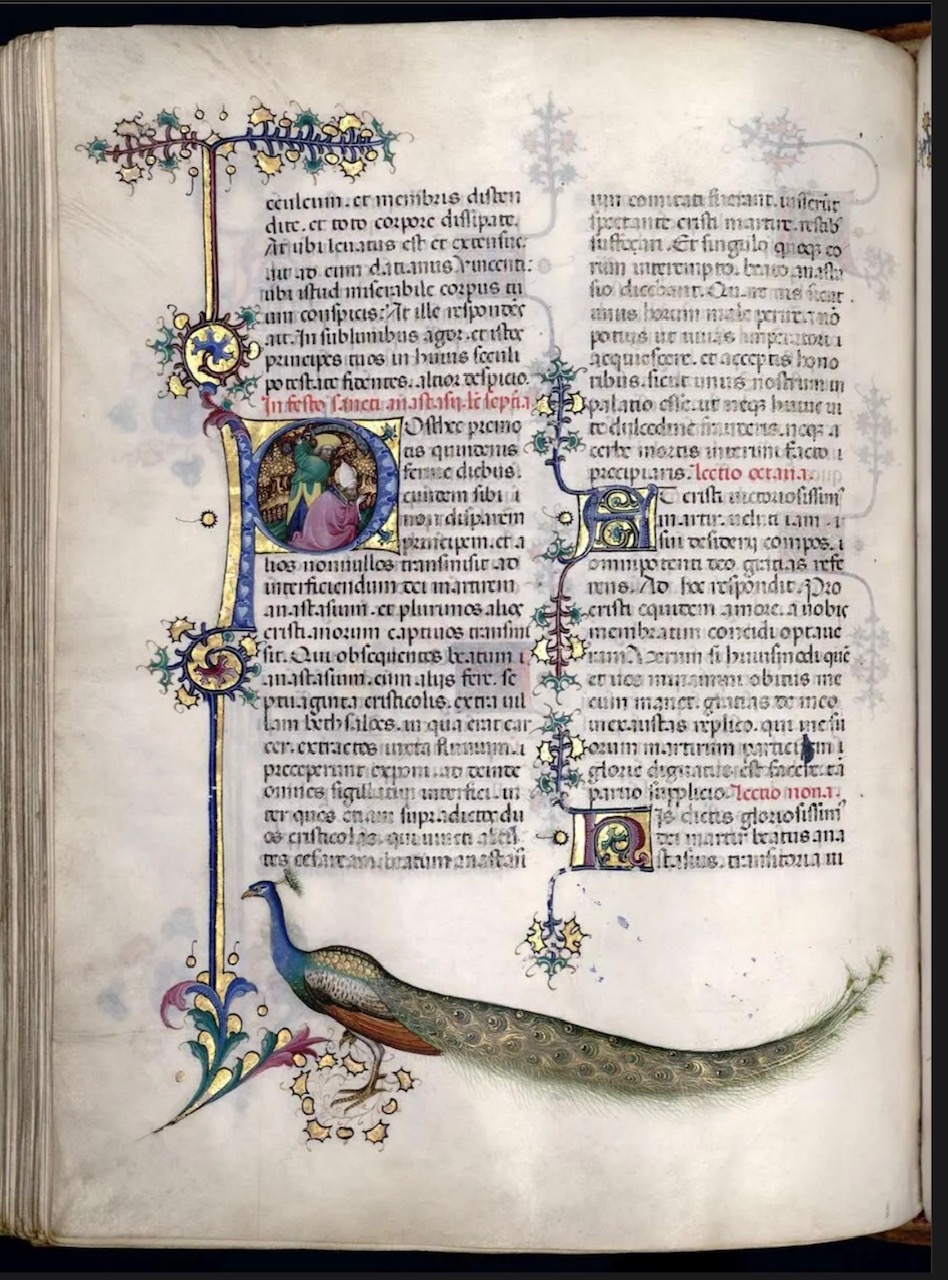
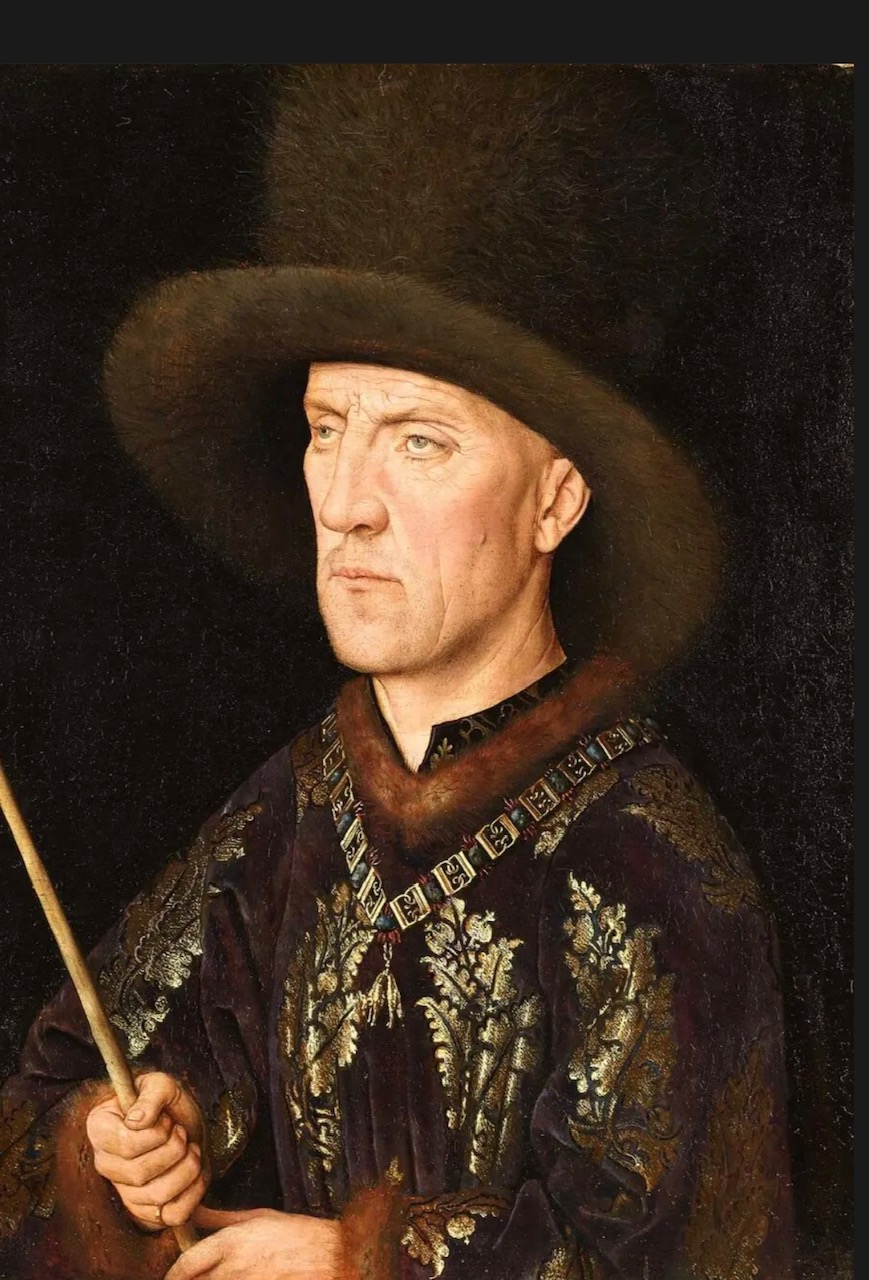
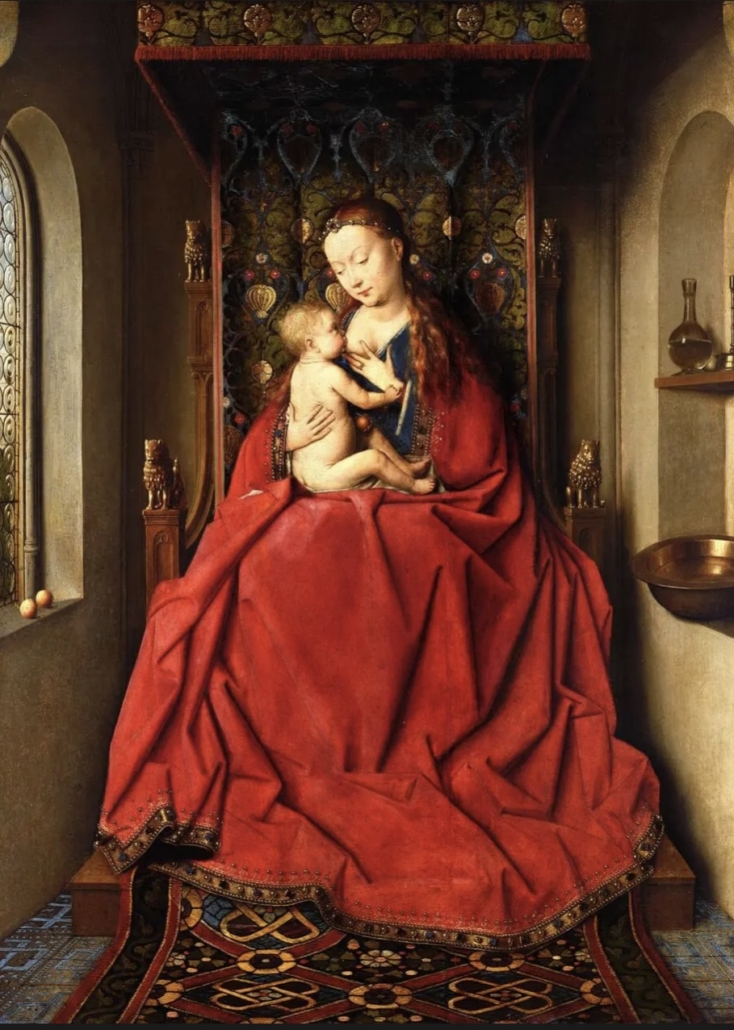
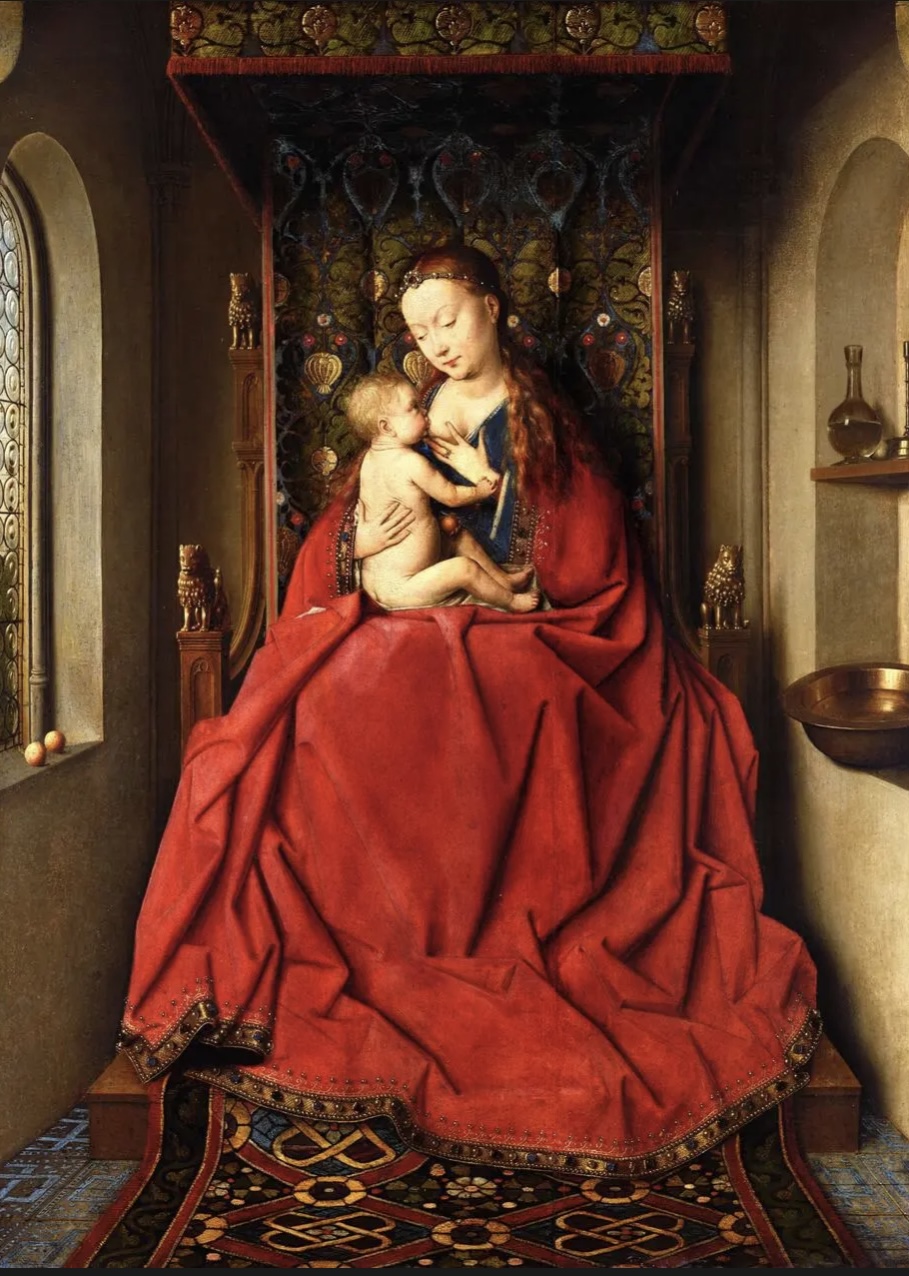
L’exploration de La Vierge du chancelier Rolin est enrichie par son rapprochement avec d’autres Å“uvres de Van Eyck, mais aussi de Roger Van der Weyden, Robert Campin et des grands enlumineurs de l’époque. Une soixantaine de panneaux peints, manuscrits, dessins, bas-reliefs sculptés et objets orfévrés seront exceptionnellement réunis, grâce au soutien de nombreux musées et institutions en France et à l’étranger comme le Städel Museum de Francfort (qui prête pour la première fois la Vierge de Lucques), la  Gemäldegalerie de Berlin, la Bibliothèque royale de Bruxelles, la Morgan Library and Museum de New York ou encore le Museum of Fine Arts de Philadelphie.

du 20 mars au 17 juin 2024

MUSEE DU LOUVRE

Aile Sully, 1er étage, Salle de la Chapelle

RESERVER VOS BILLETS

Revoir Van Eyck

La Vierge du chancelier Rolin
To share with the public the event represented by this historic restoration (the work had never been restored since its entry into the Louvre in 1800), the museum decided to devote the first of the exhibitions – files to be held in the room de la Chapelle since 2014 to Jan Van Eyck’s masterpiece: Chancellor Rolin in prayer before the Virgin and Child, also known as The Virgin of Chancellor Rolin. The restoration, which notably made it possible to lighten the layers of oxidized varnish which darkened the painting, offers a spectacular rediscovery of the painting.

This operation is part of the current momentum of study of the works of Van Eyck, first launched by the restoration of the altarpiece of the Mystic Lamb in Ghent. For almost ten years, in fact, these international and interdisciplinary dialogues have strongly renewed the questions of specialists. In turn, the Louvre intends to show the public how the studies carried out at the Center for Research and Restoration of the Museums of France and the restoration itself question what we thought we knew about this work, long called The Virgin of Authun.

This major painting of Western art, today surprisingly little known, may seem difficult to understand. This is why the exhibition will be guided by questions, which are all stages of looking at the painting: for what use(s) did Van Eyck design this very special work, intention of Chancellor Nicolas Rolin? Why did he paint in the background a landscape so miniaturized that it is almost invisible? How can we understand the two little characters in the garden? What dialogues does the work maintain with both the art of illumination and sculpted funerary bas-reliefs? Can we know how 15th century artists understood this work? In a sense, the Rolin Virgin crystallizes the tensions that ran through Flemish art in the first third of the 15th century, between medieval tradition and revolutionary experimentation.

The exploration of The Virgin of Chancellor Rolin is enriched by its comparison with other works by Van Eyck, but also by Roger Van der Weyden, Robert Campin and the great illuminators of the time. Around sixty painted panels, manuscripts, drawings, sculpted bas-reliefs and goldworked objects will be exceptionally brought together, thanks to the support of numerous museums and institutions in France and abroad such as the Städel Museum in Frankfurt (which is lending the Virgin of Lucca), the Gemäldegalerie in Berlin, the Royal Library in Brussels, the Morgan Library and Museum in New York and the Museum of Fine Arts in Philadelphia.

March 20 – June 17, 2024

MUSEE DU LOUVRE

Aile Sully, 1er étage, Salle de la Chapelle

BOOK YOUR TICKETS